War Memorial of Korea: A Powerful Lesson in History

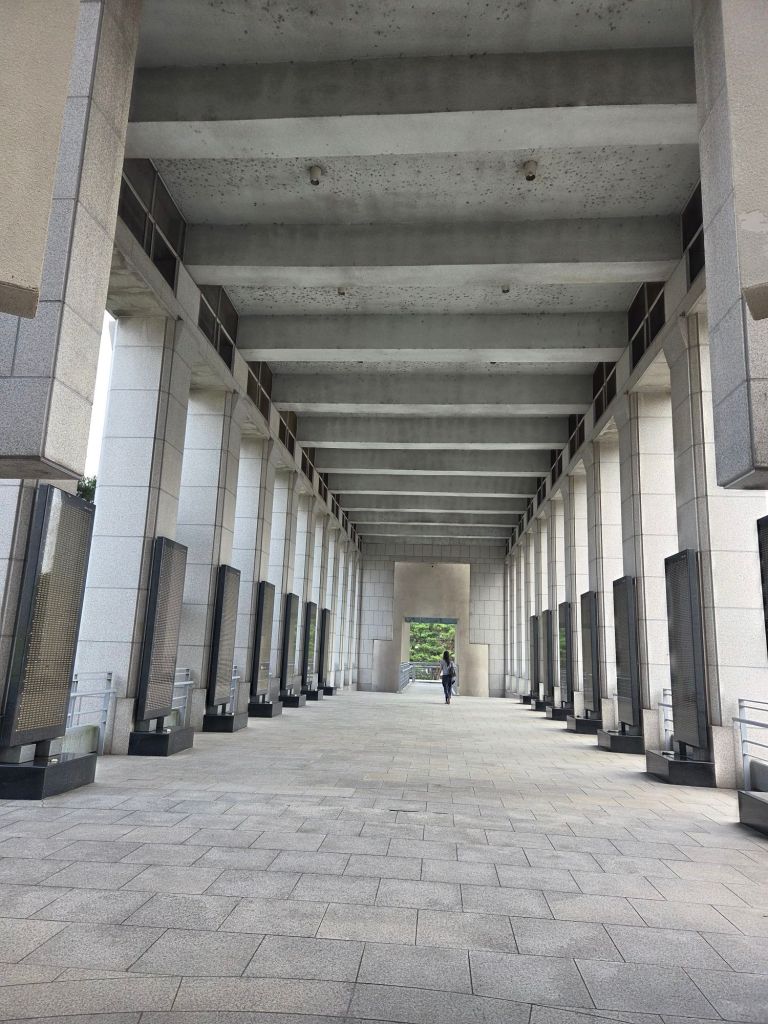
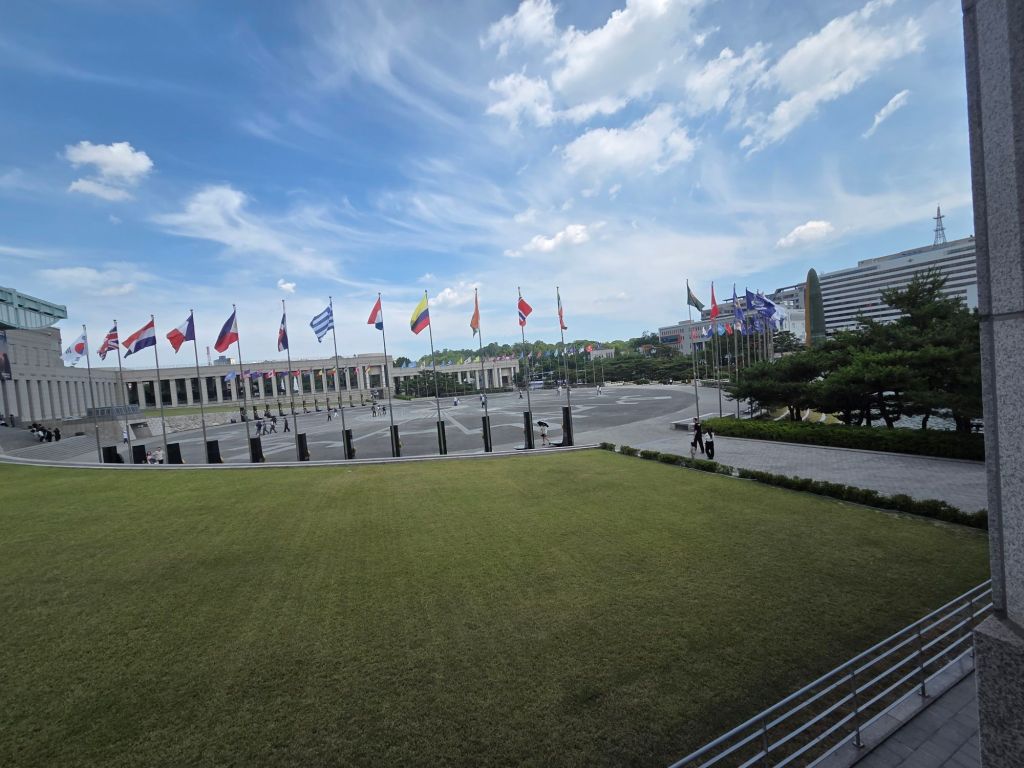
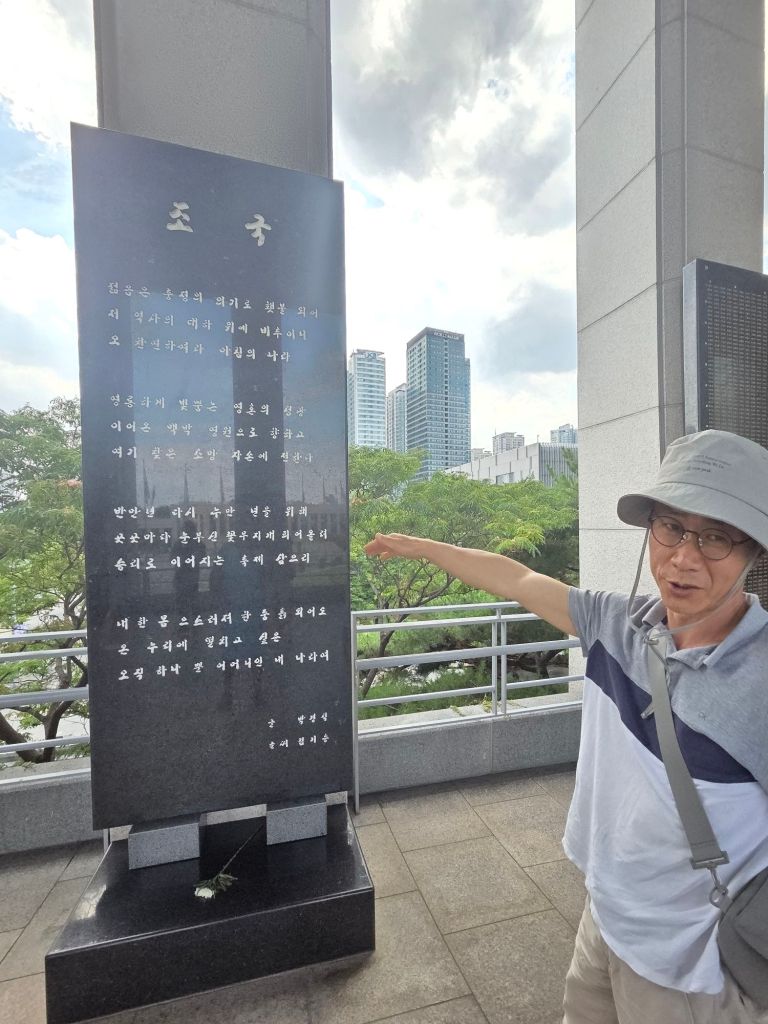
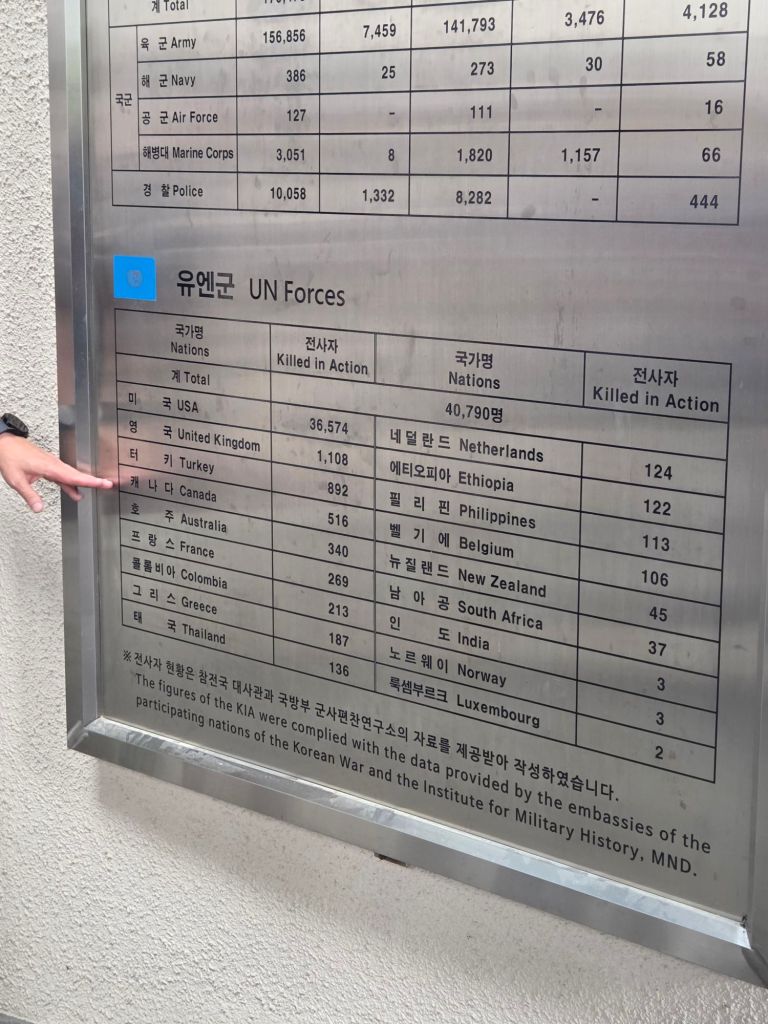
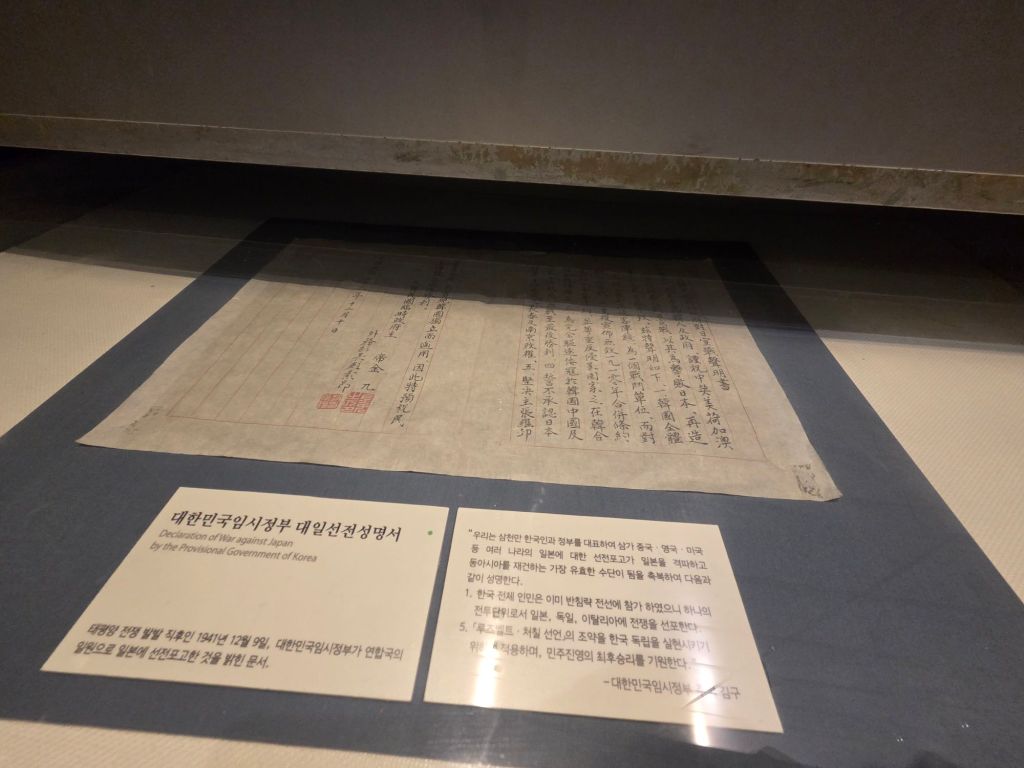
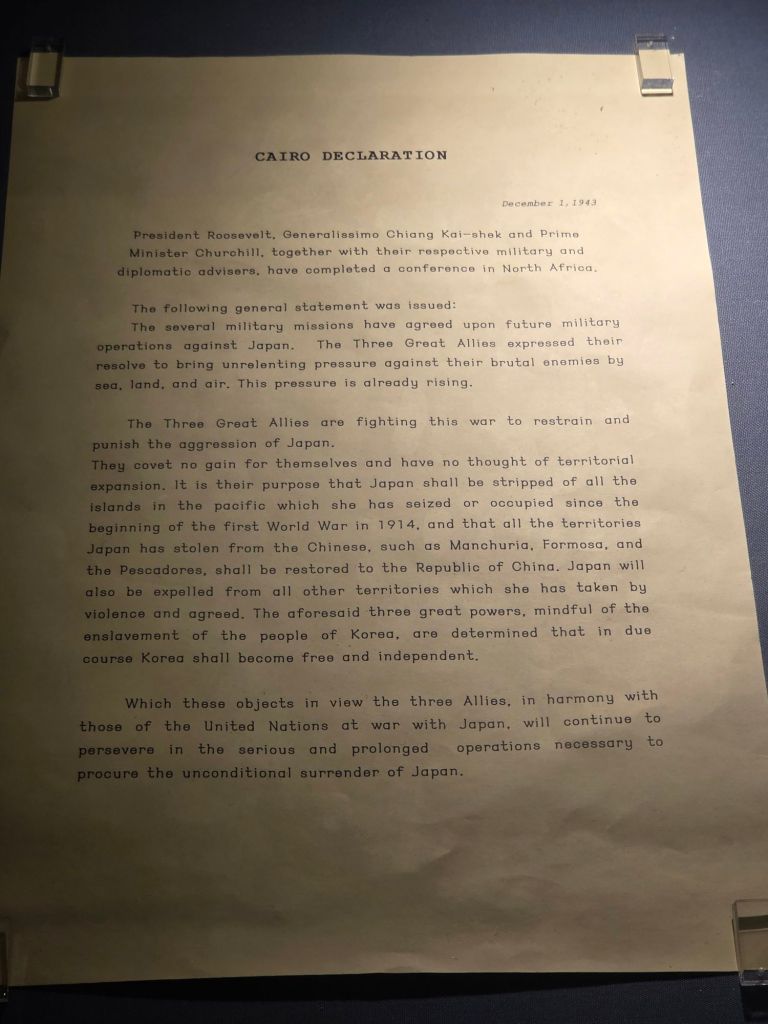
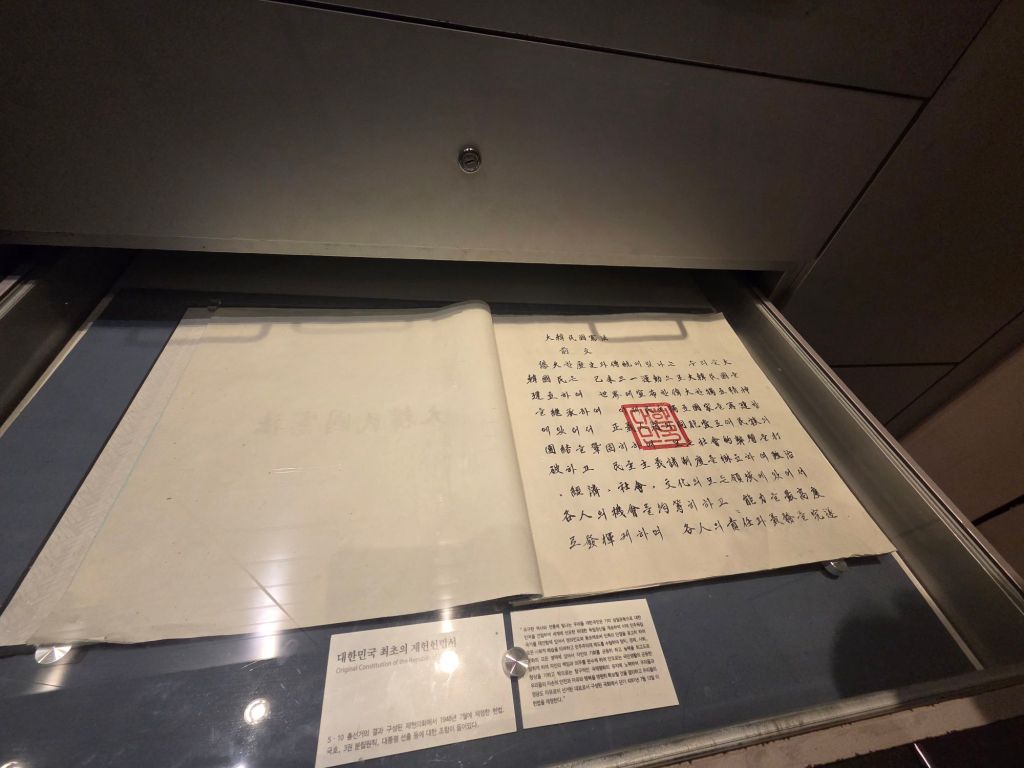
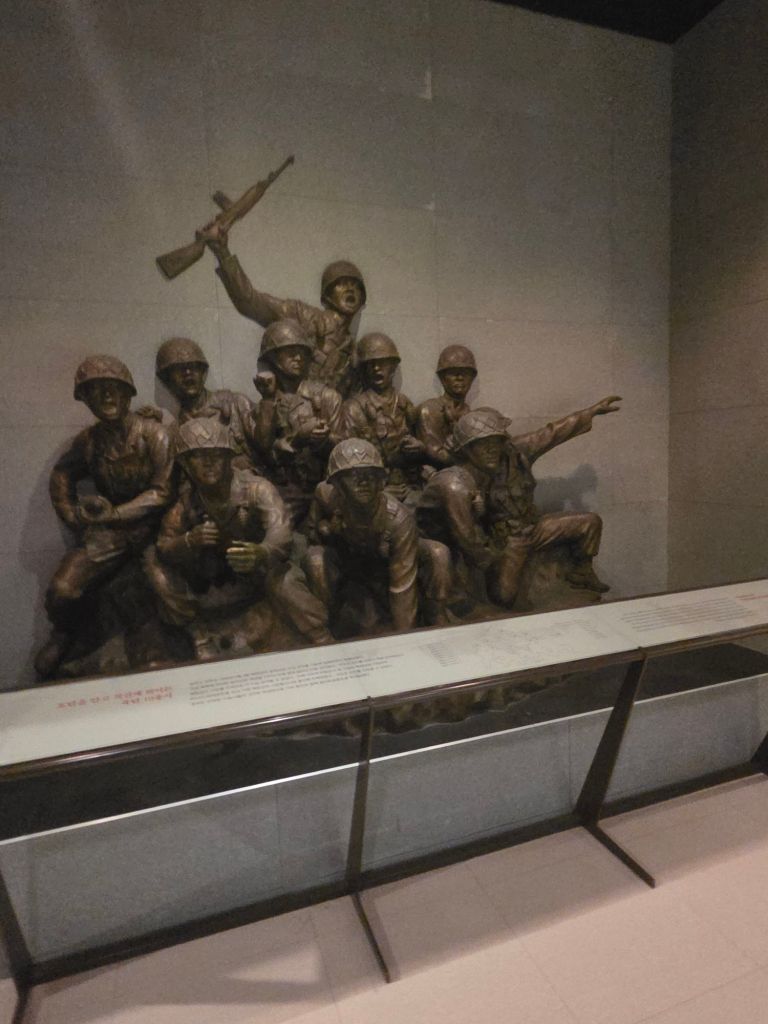
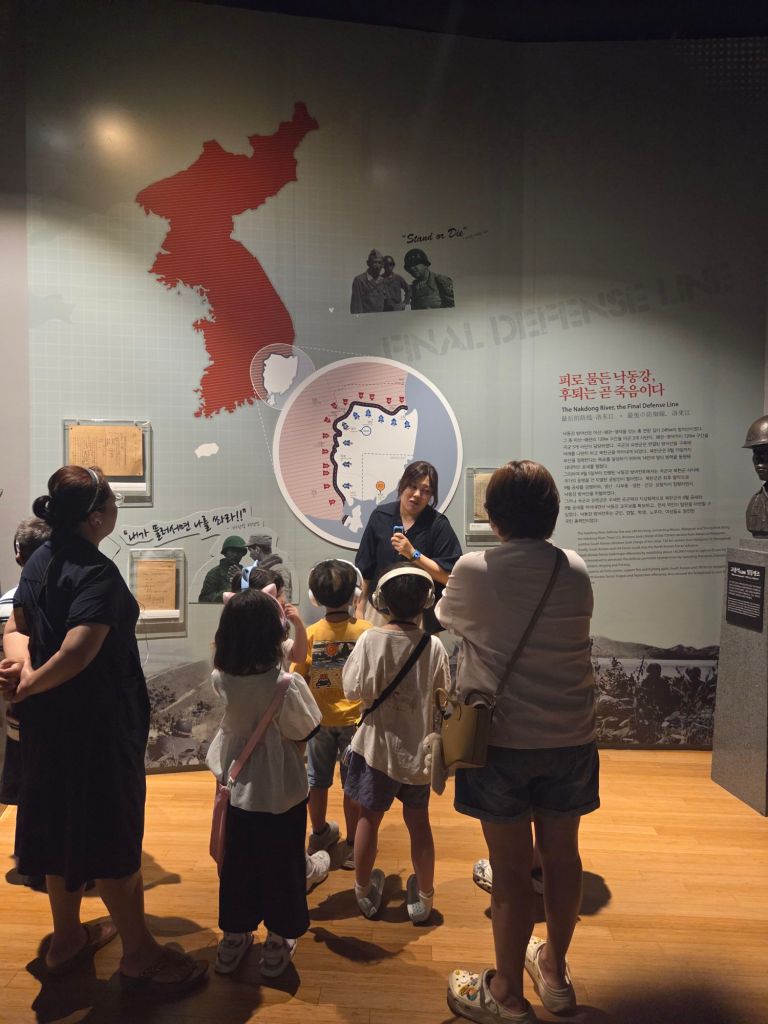
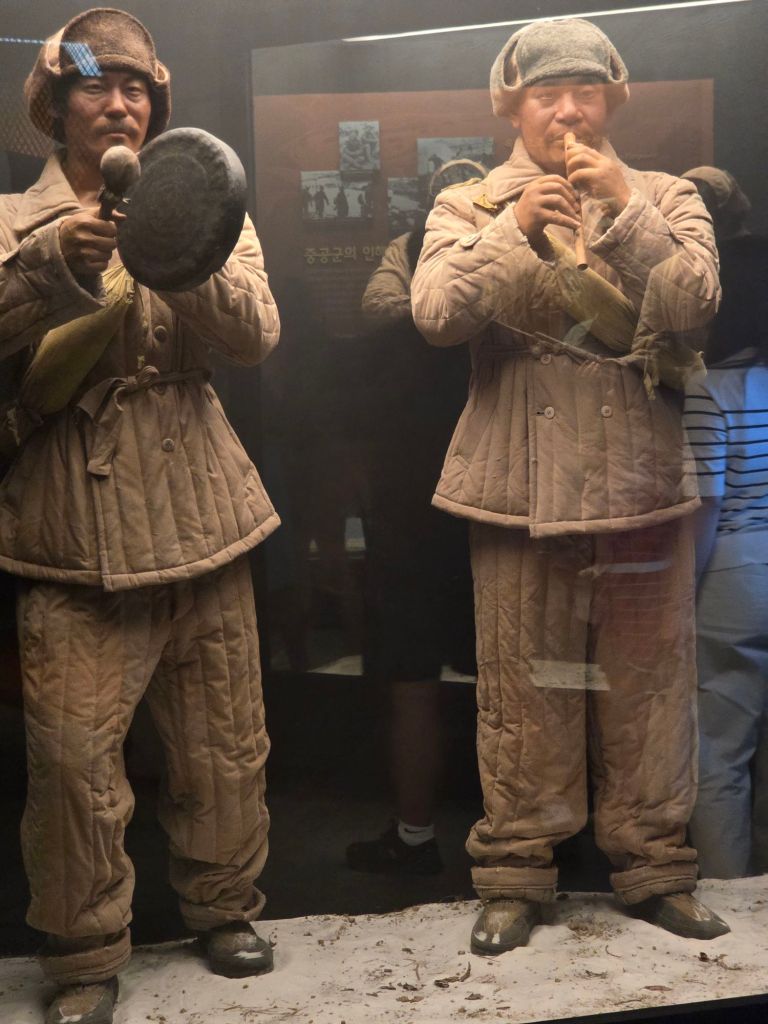
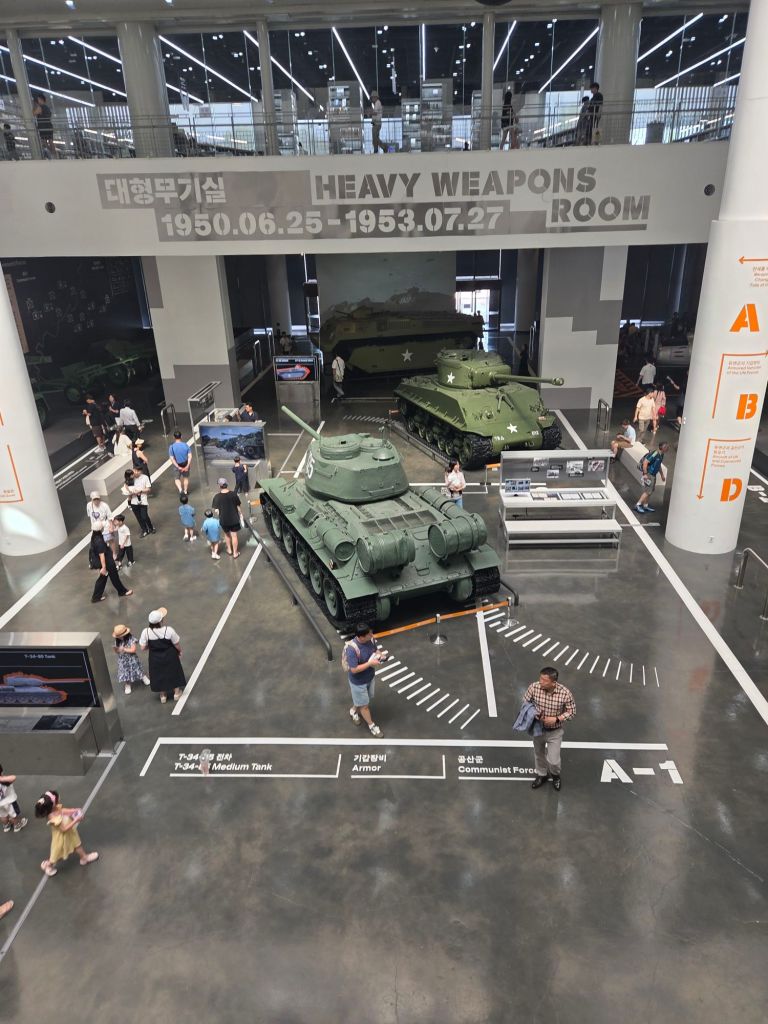
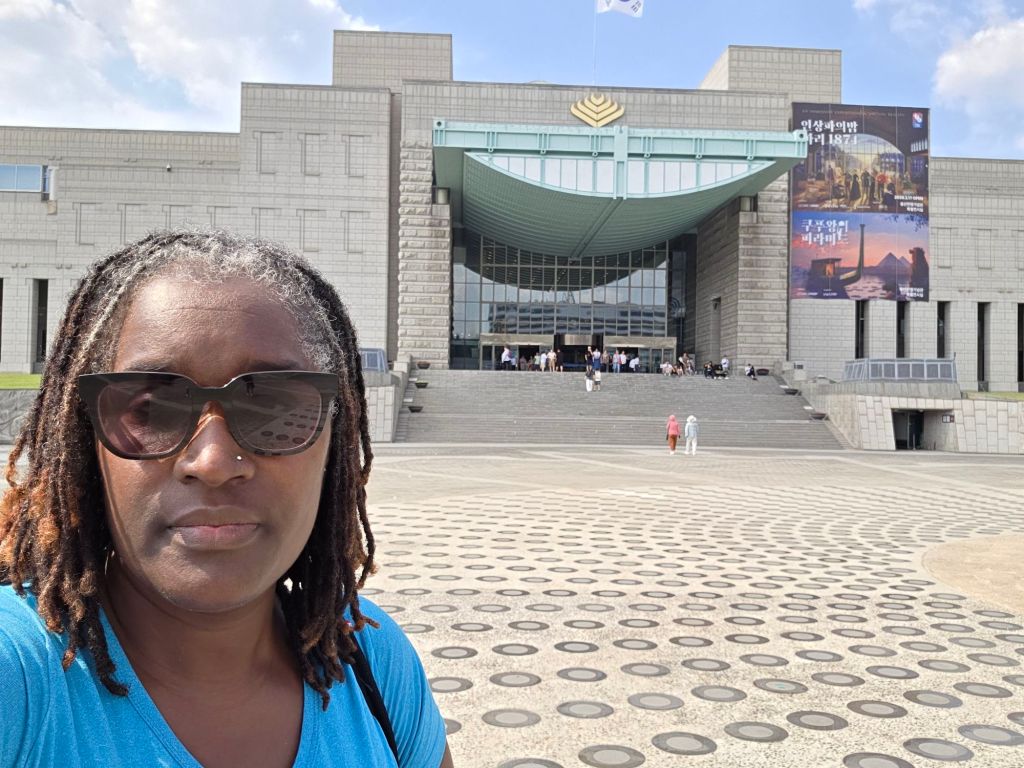
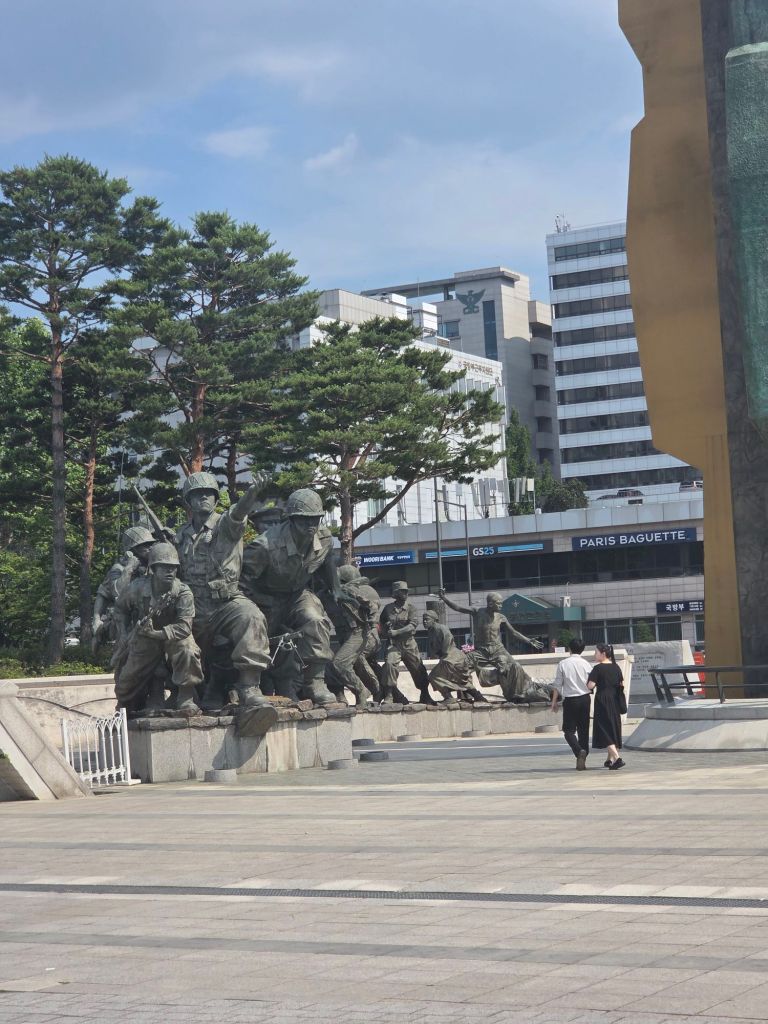
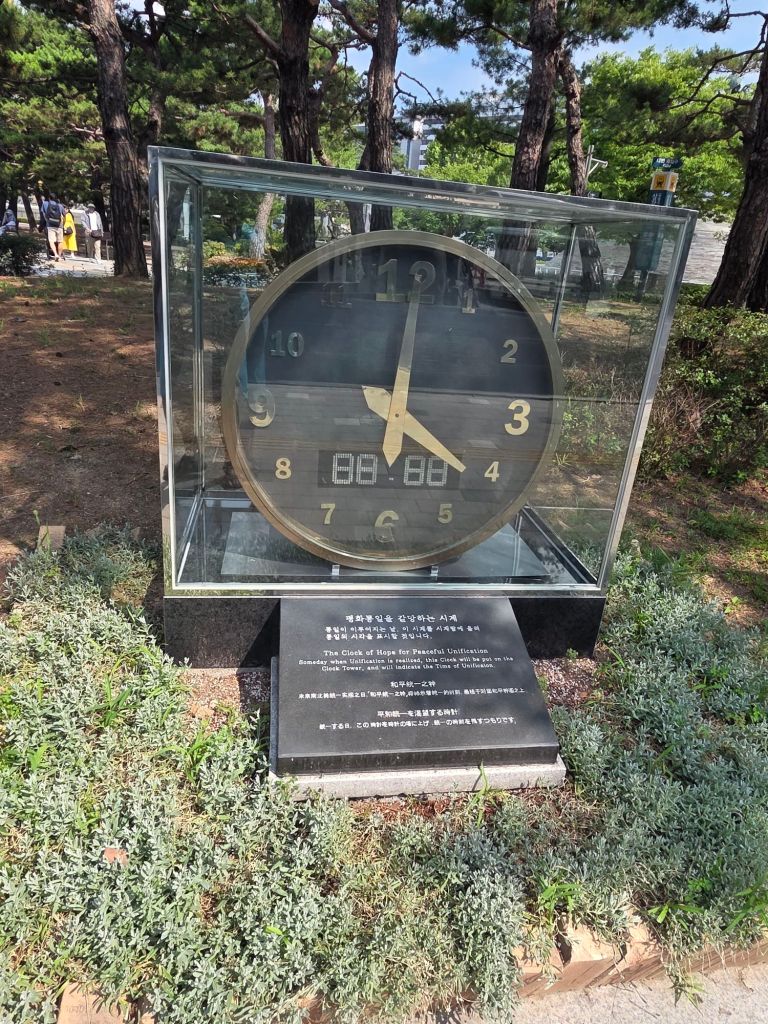
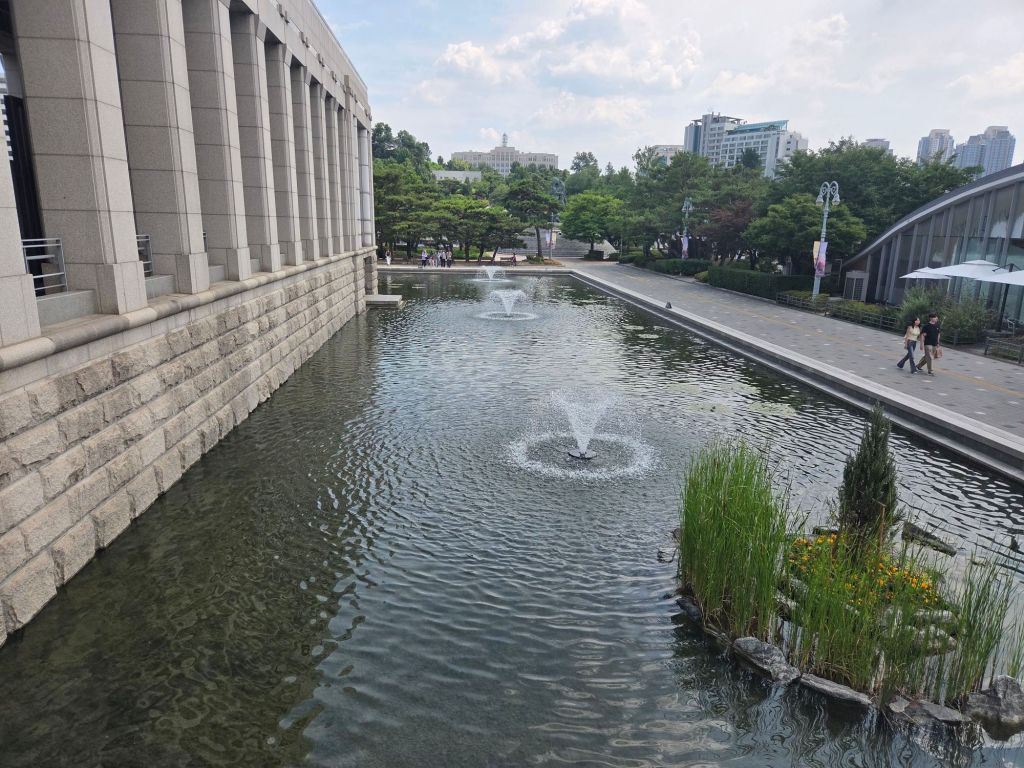
Visiting the War Memorial of Korea was one of the most moving experiences of my journey. While many Americans learn about the Korean War from our own historical perspective, this museum provided the opportunity to better understand how South Koreans remember the war, honor those who served, and tell the story of their nation’s fight for freedom and survival.

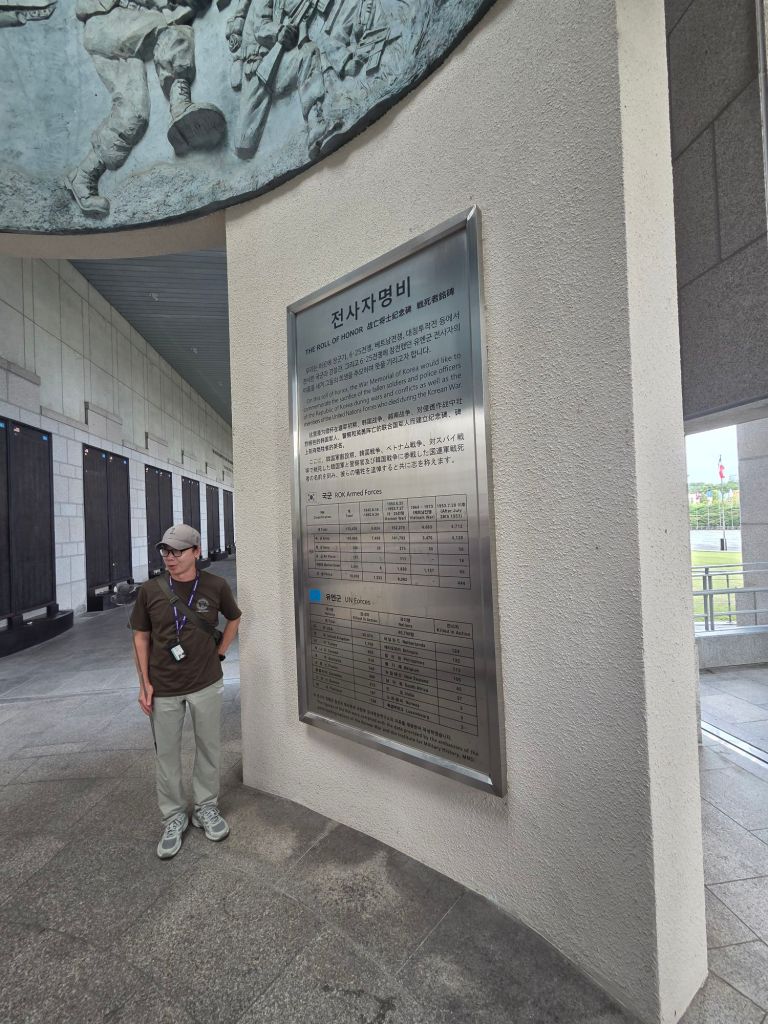
I was especially touched to see the recognition given to the countries that came to South Korea’s aid during the war. As I walked through the memorial, I found the panel honoring the Pennsylvania service members who fought and gave their lives during the Korean War. Seeing those names created a personal connection between my home state and Korea’s history.

With only about an hour to explore, I quickly realized this museum deserves an entire day or more. Every gallery, artifact, and exhibit tells a story of sacrifice, resilience, and hope. I left with a deeper appreciation for the tremendous cost of war and the lasting partnerships that emerged from it.

As an educator, experiences like this remind me that history is best understood when we are willing to listen to multiple perspectives and honor the sacrifices of those who came before us.
A Spontaneous Visit to the Leeum Museum of Art

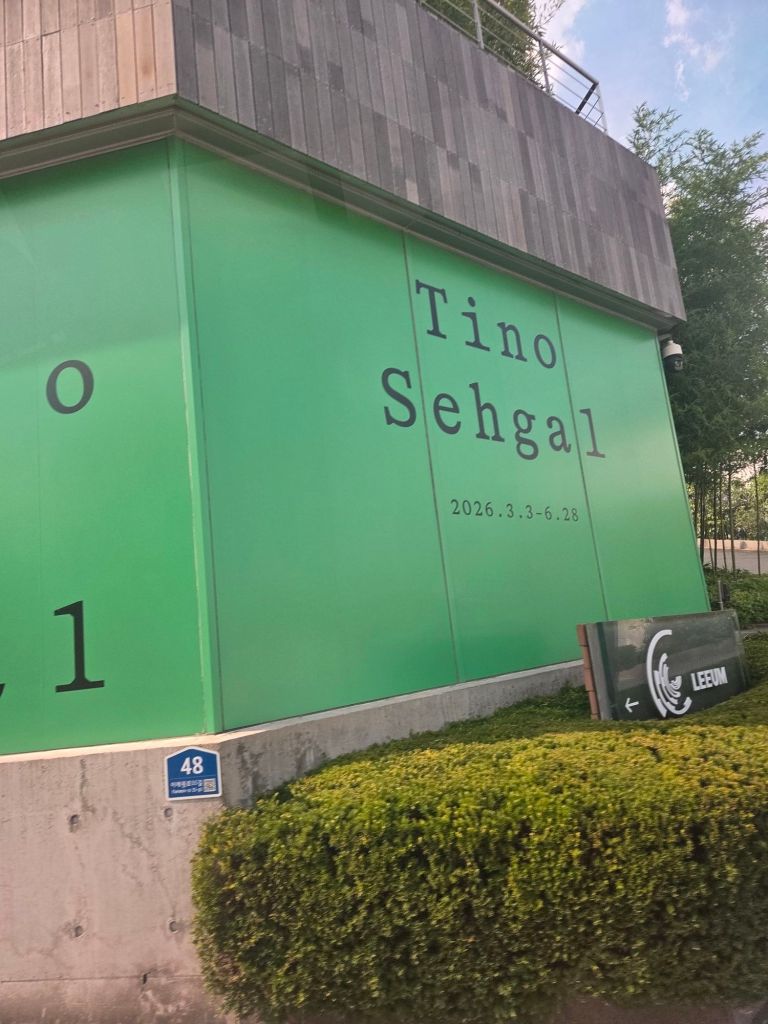
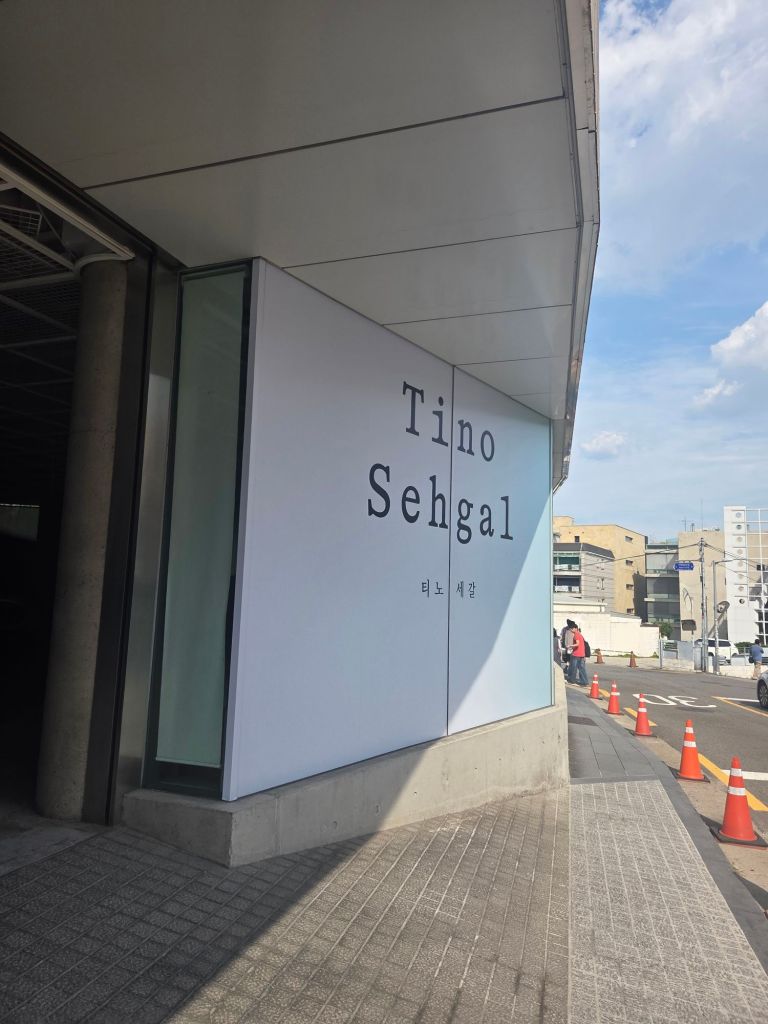
One of the unexpected highlights of my time in Seoul came during a few hours of free time. I asked my friend, Lisa, what she was planning to do, and when she told me she was heading to the Leeum Museum of Art, I happily joined her.


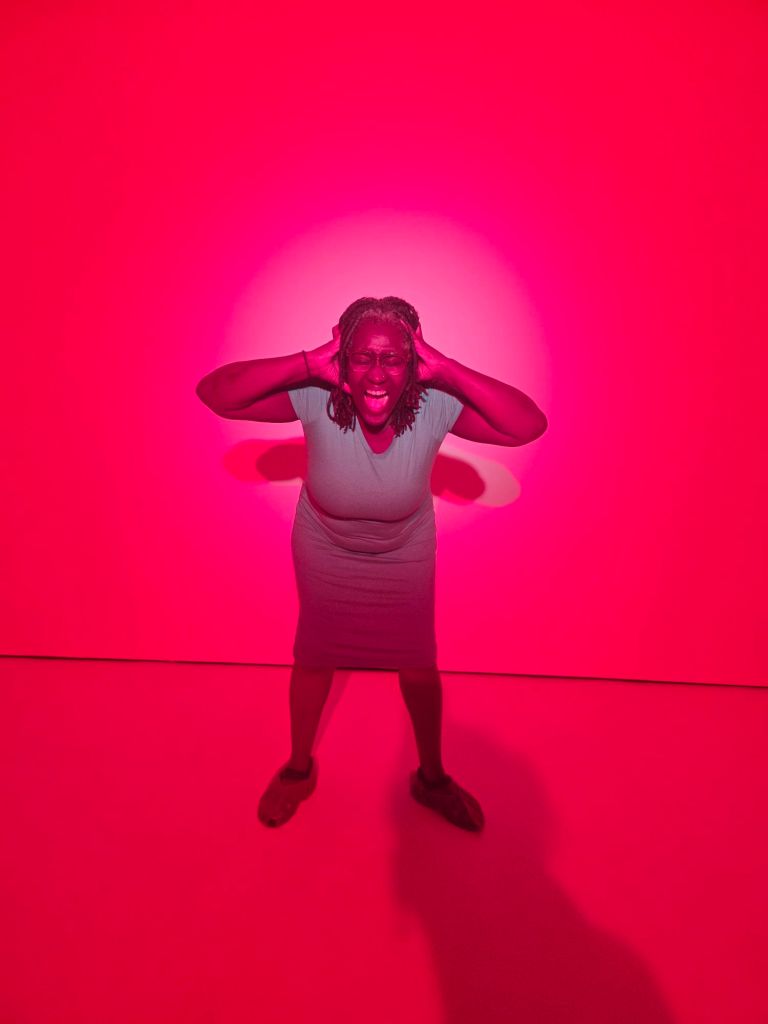
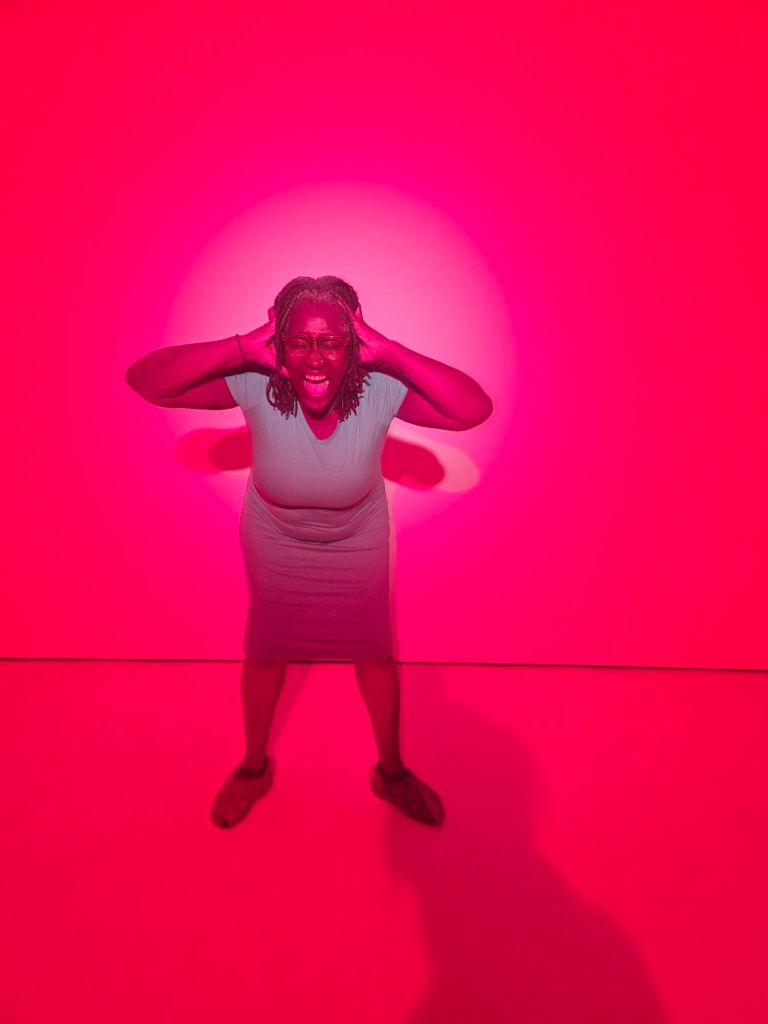
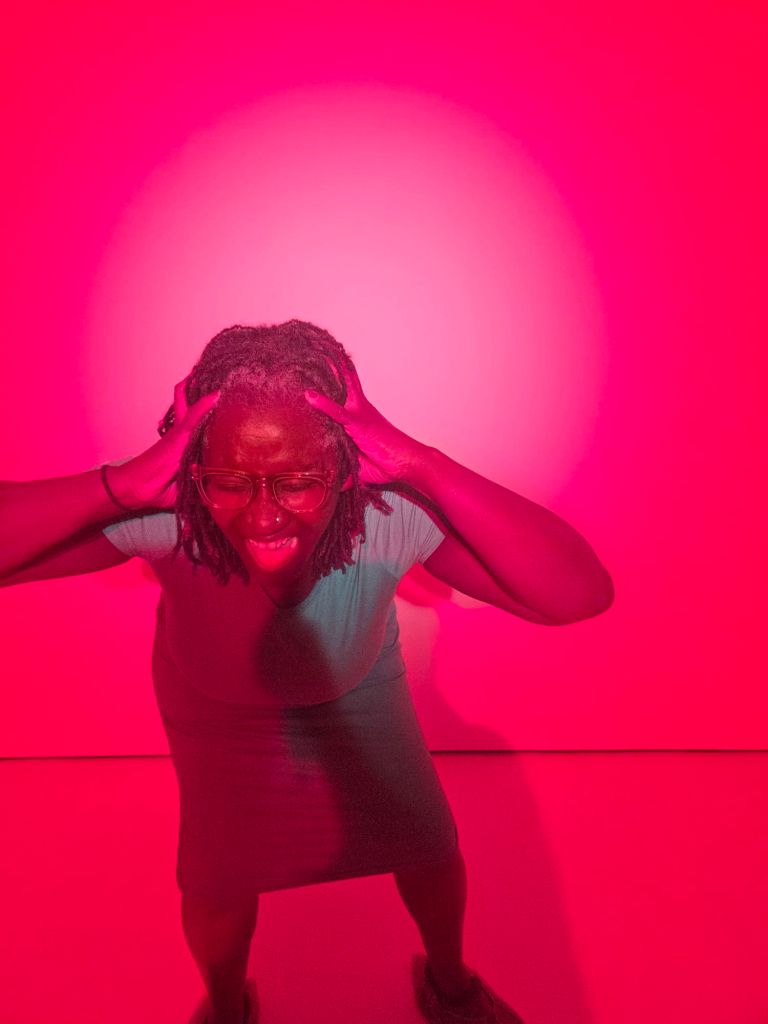
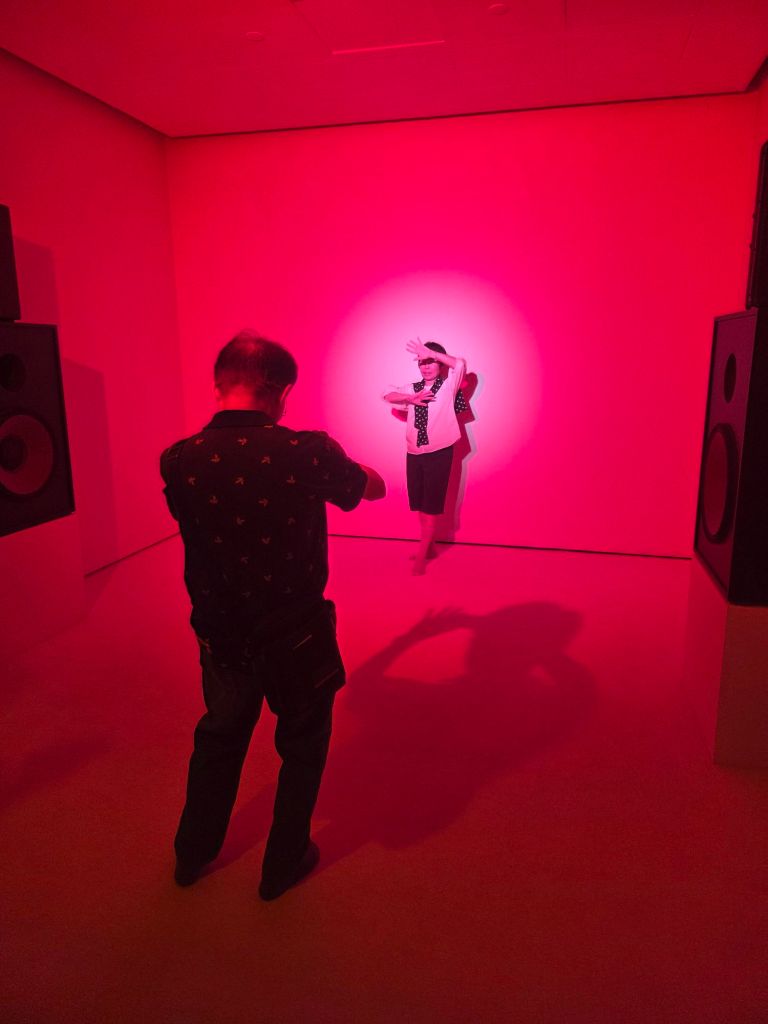
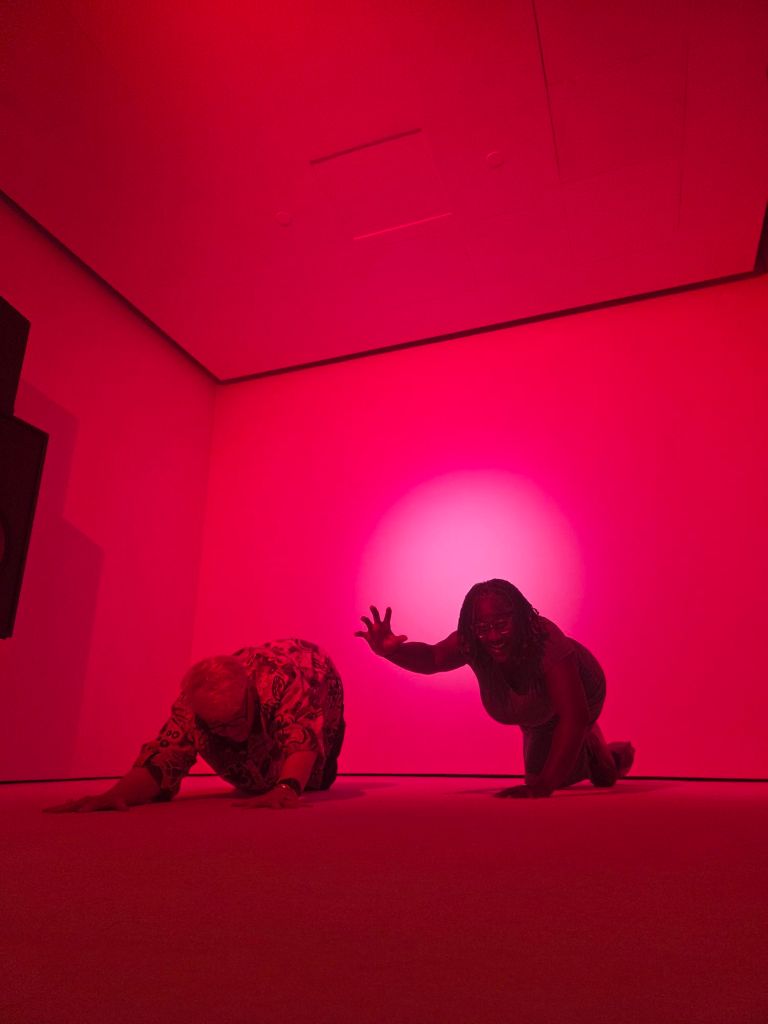
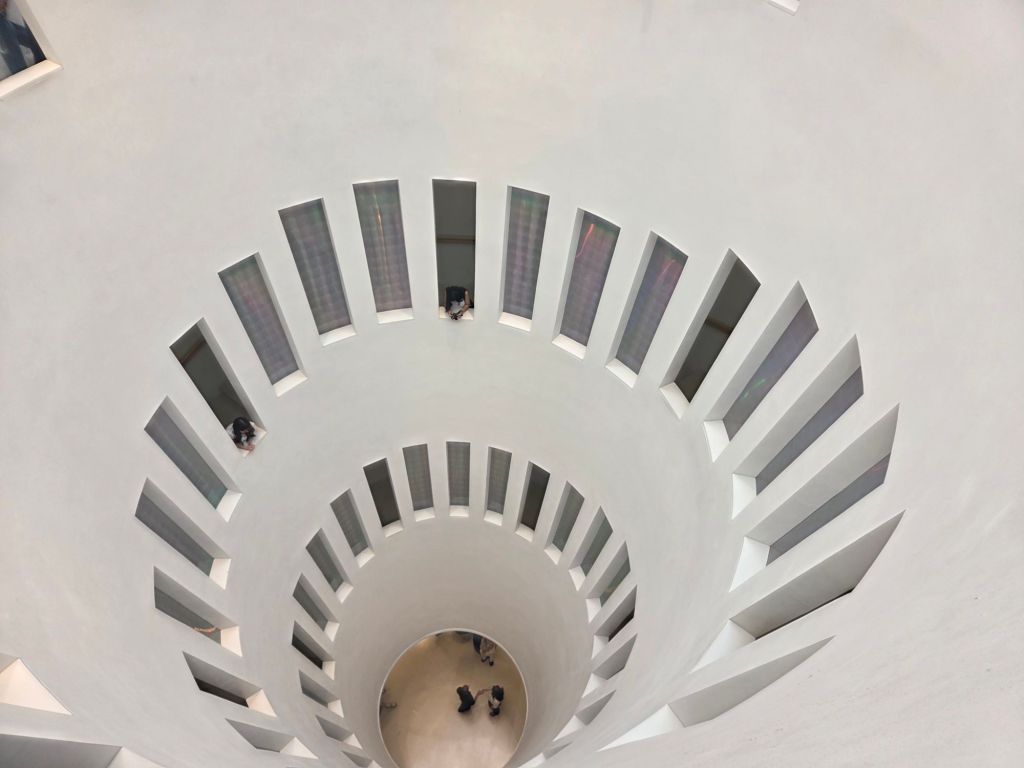
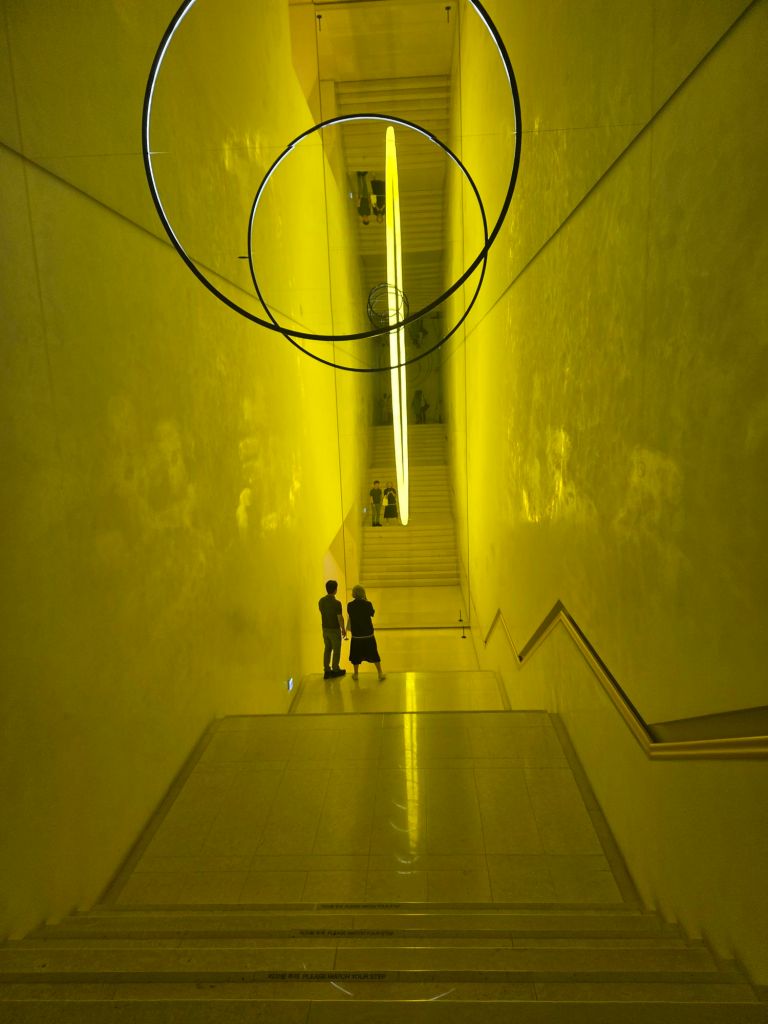
Our visit included the thought-provoking Tino Sehgal exhibition, which was unlike any museum experience I have had before. Instead of paintings or sculptures, the exhibition was created through live interactions with people, inviting visitors to think about communication, movement, and human connection in new ways.
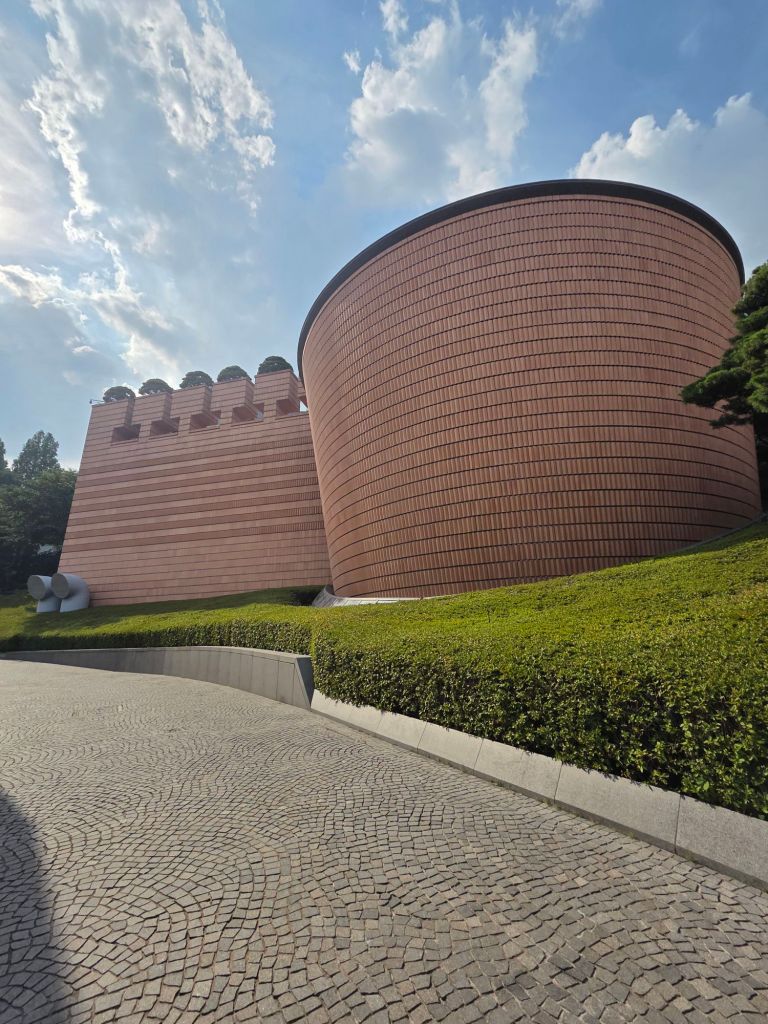
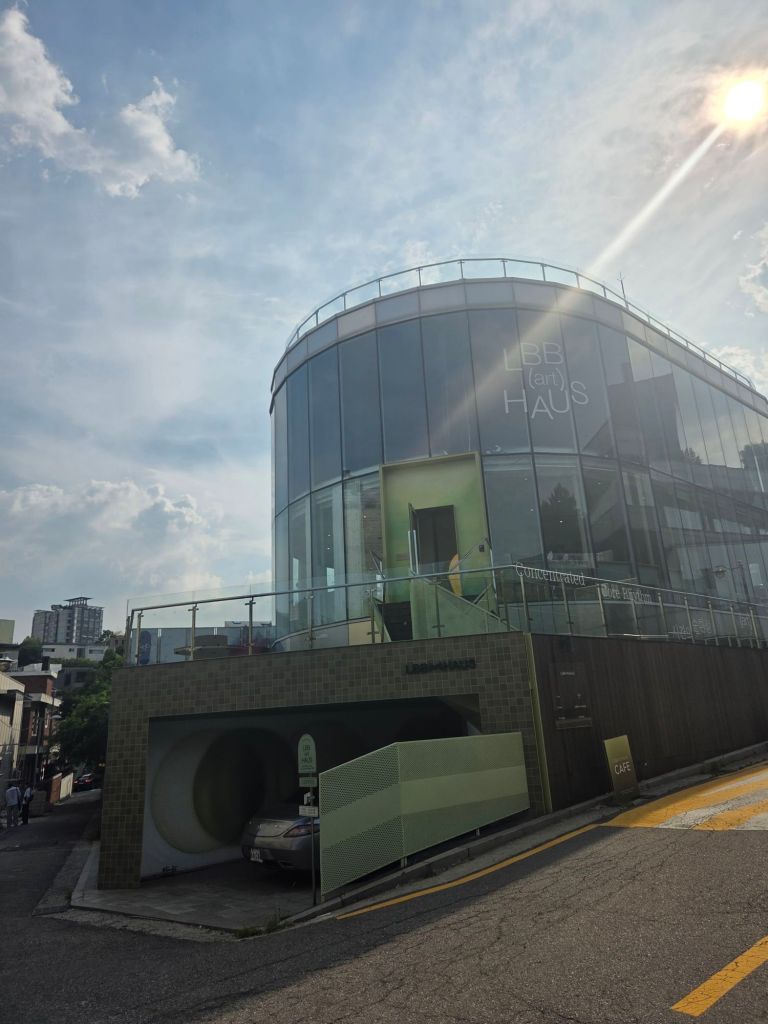
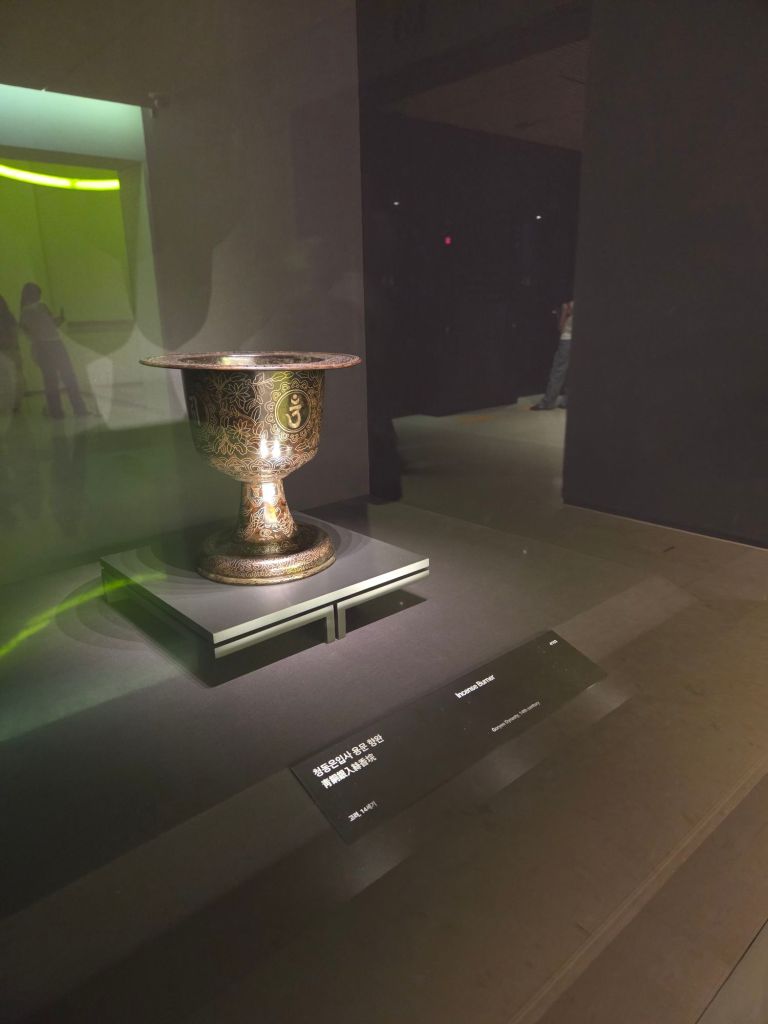
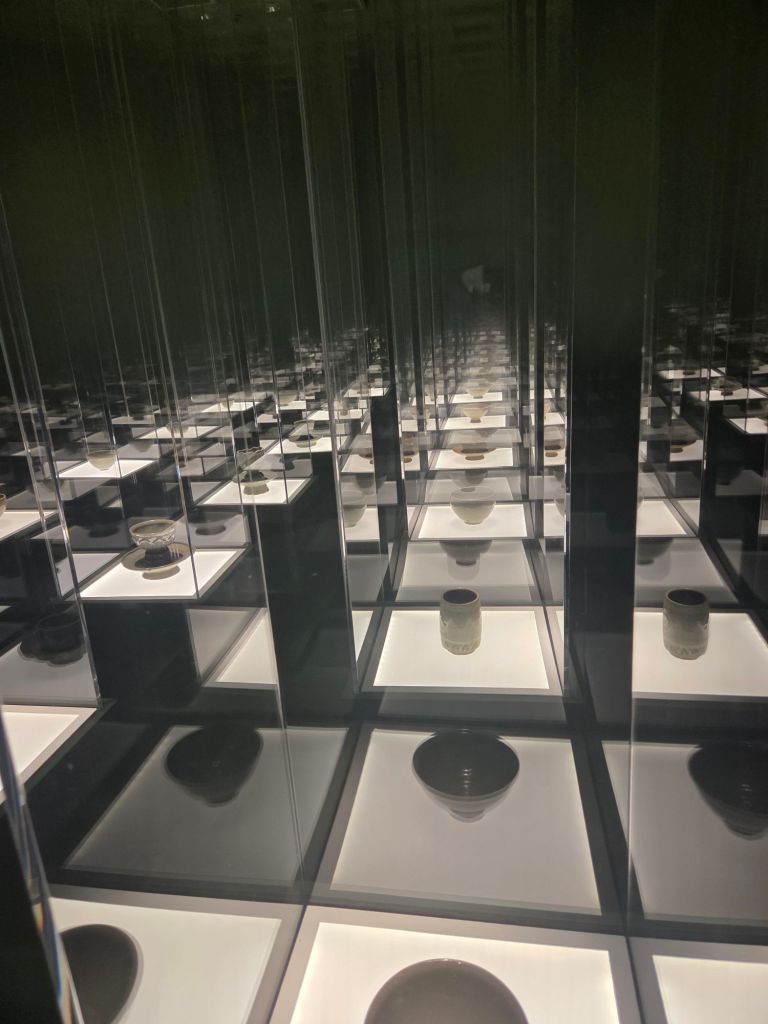
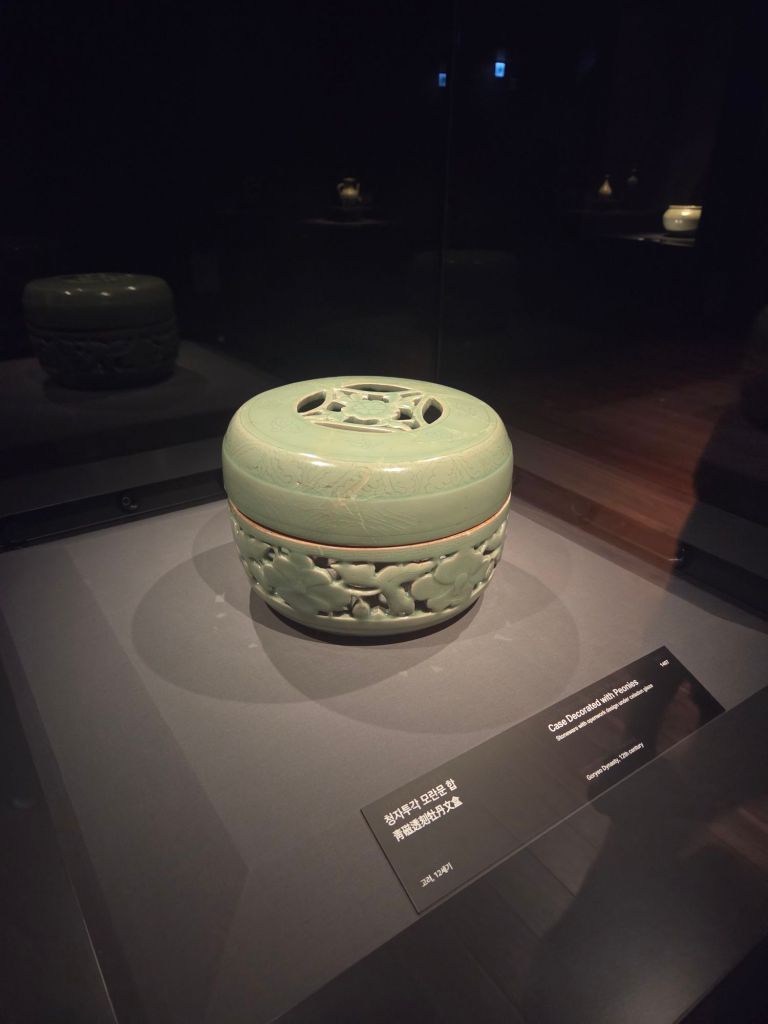
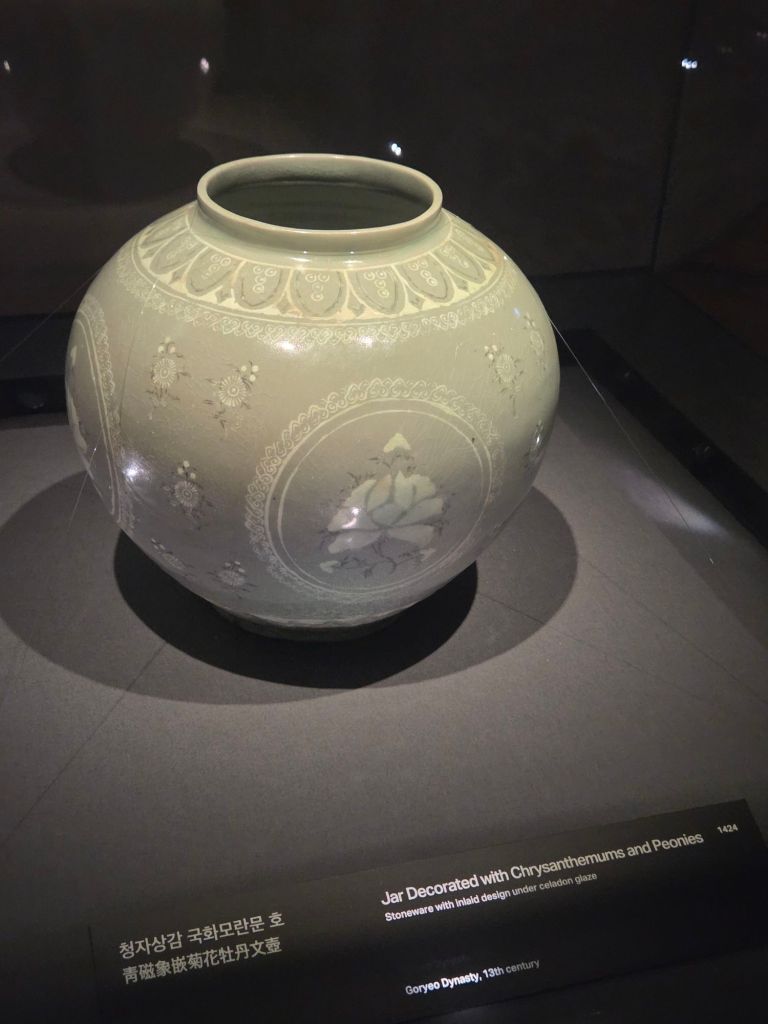
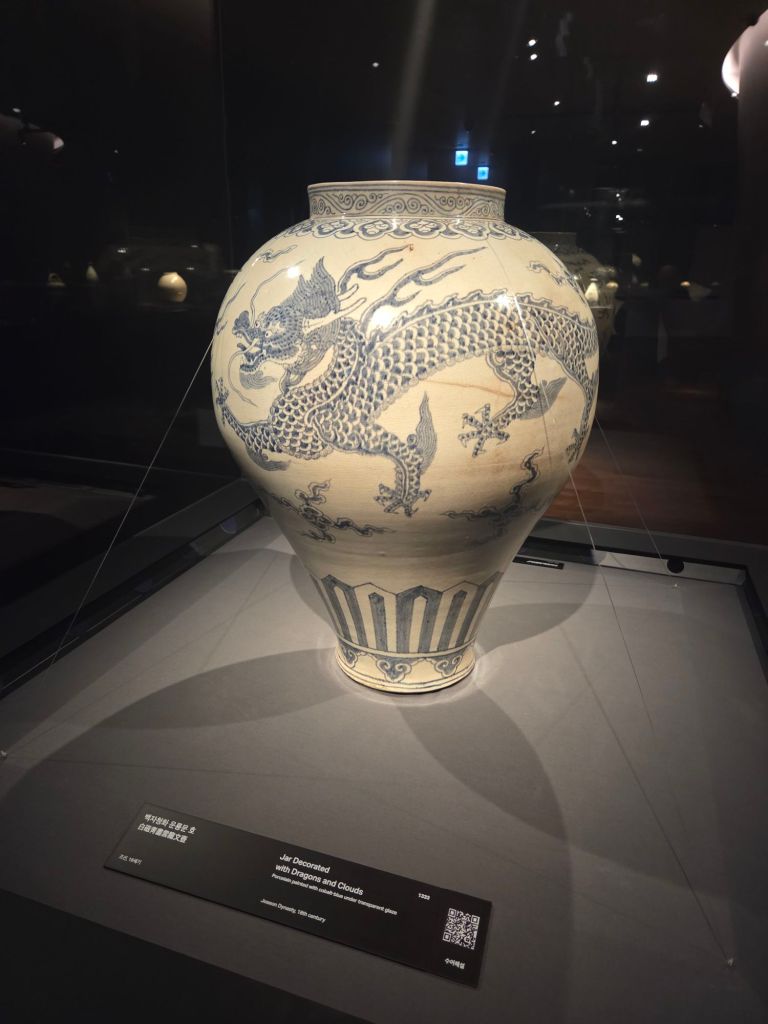
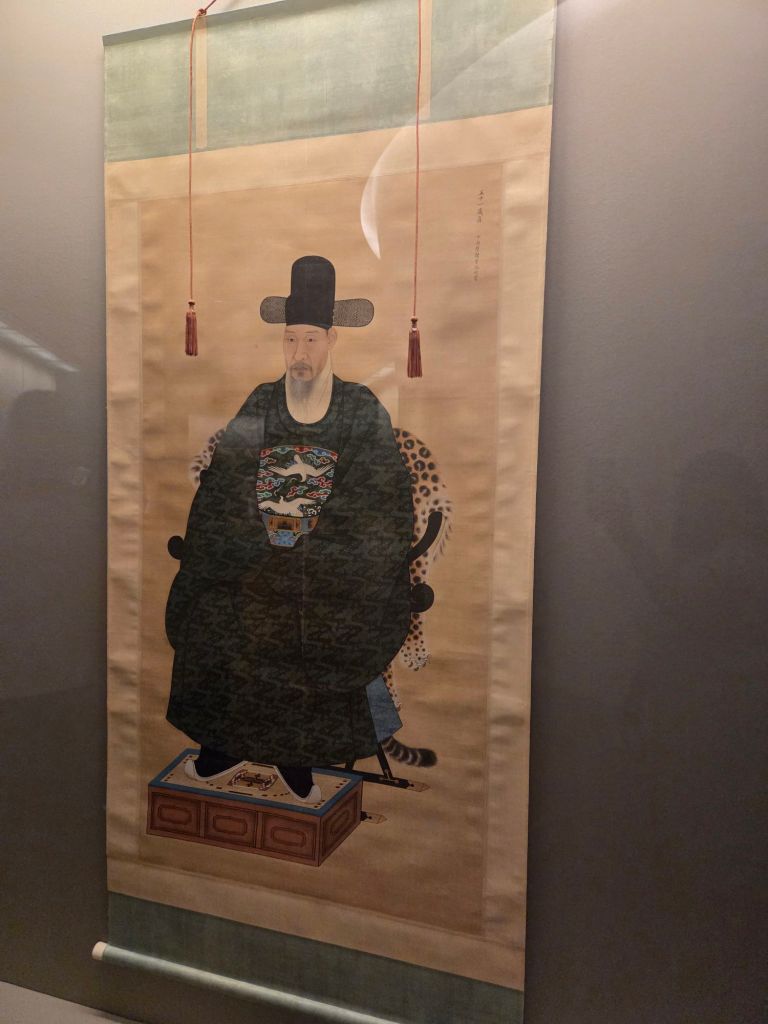
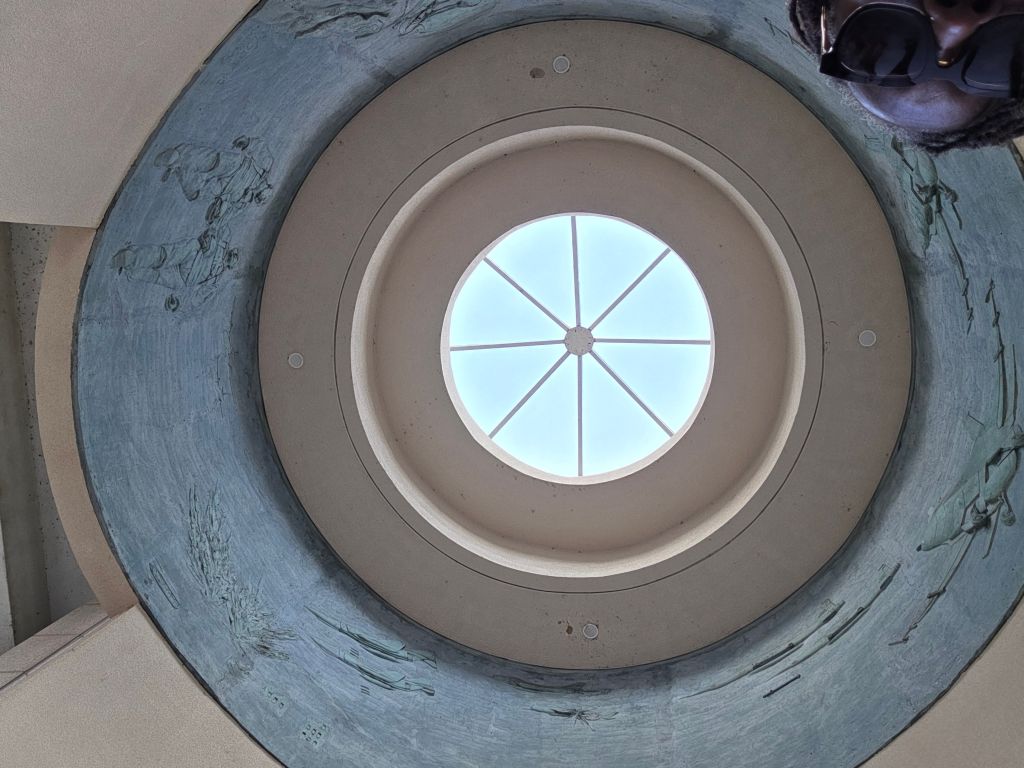
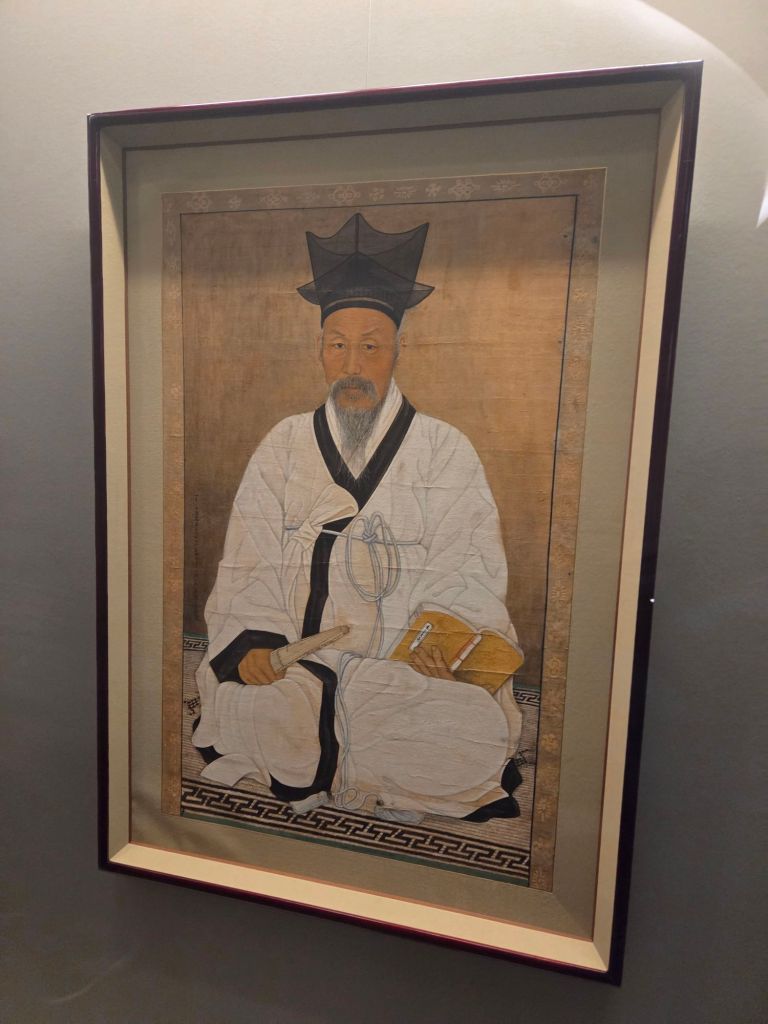
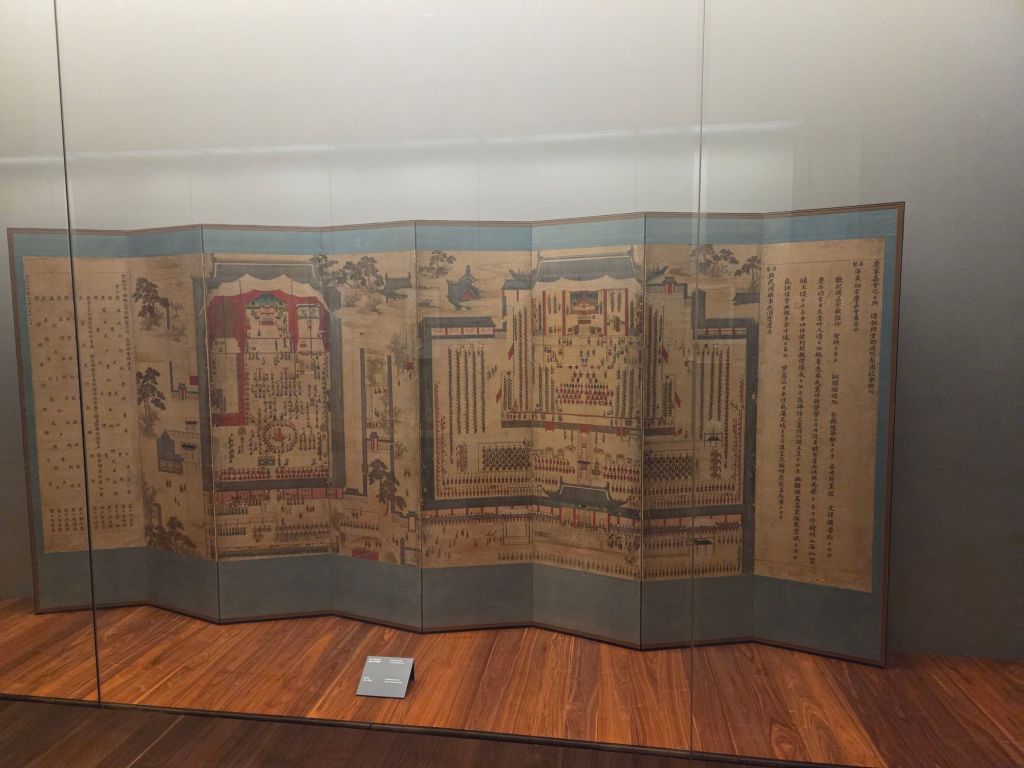
The museum itself beautifully blends traditional Korean art with contemporary works, creating a space where history and modern creativity meet.

It challenged me to think differently about what art can be and reminded me that learning often happens when we step outside of our plans and embrace unexpected opportunities.


As an educator, I left inspired by the power of experiential learning. Sometimes the most memorable lessons are the ones we never planned for.

Standing at the DMZ: When History Becomes Real

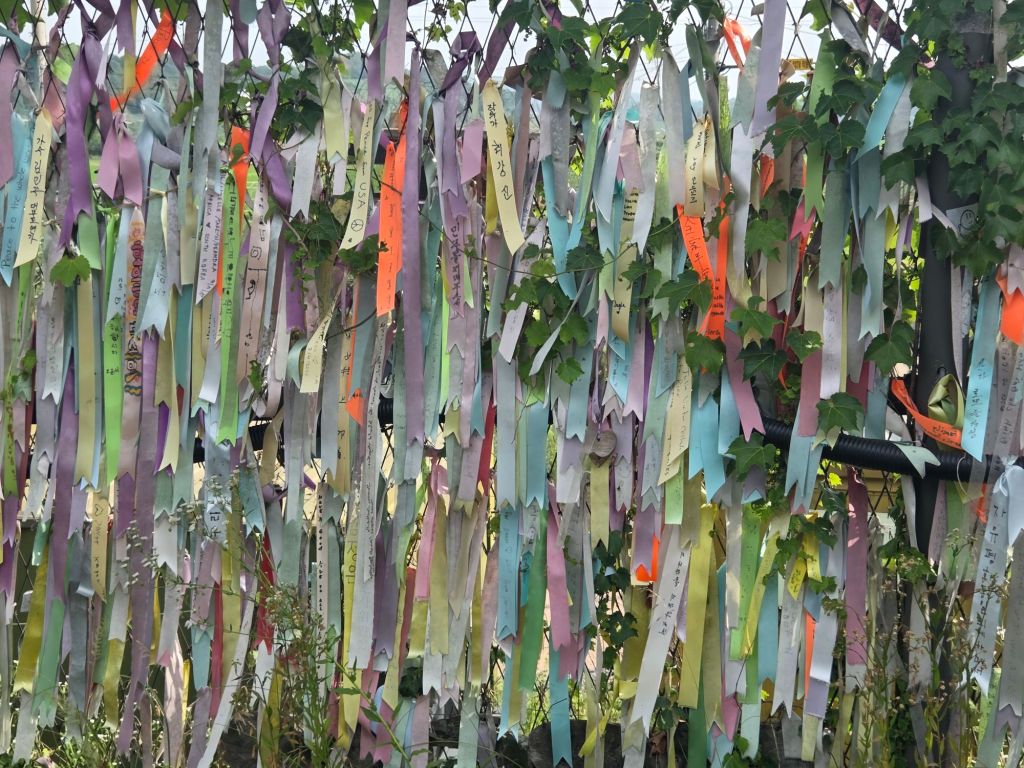
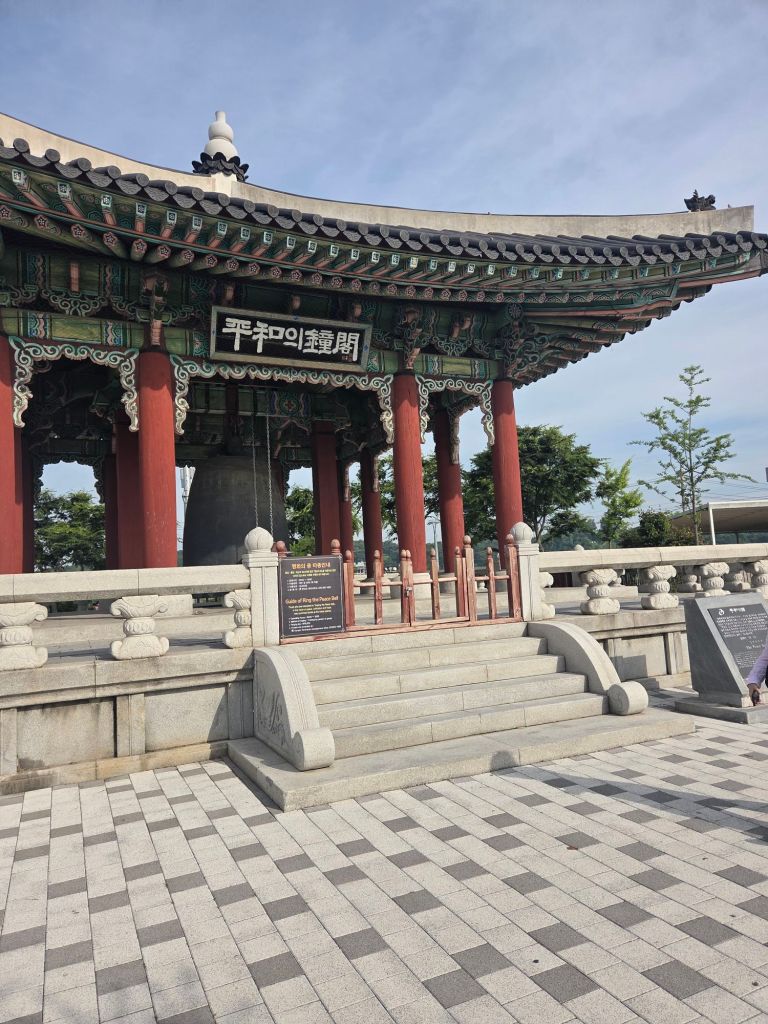
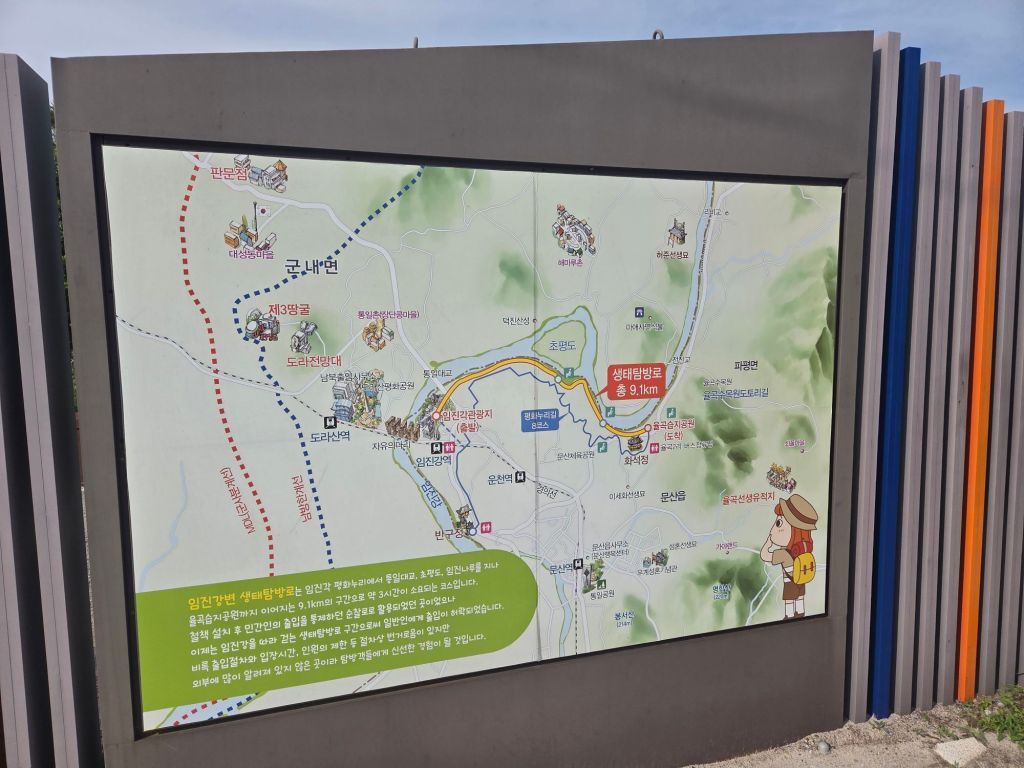
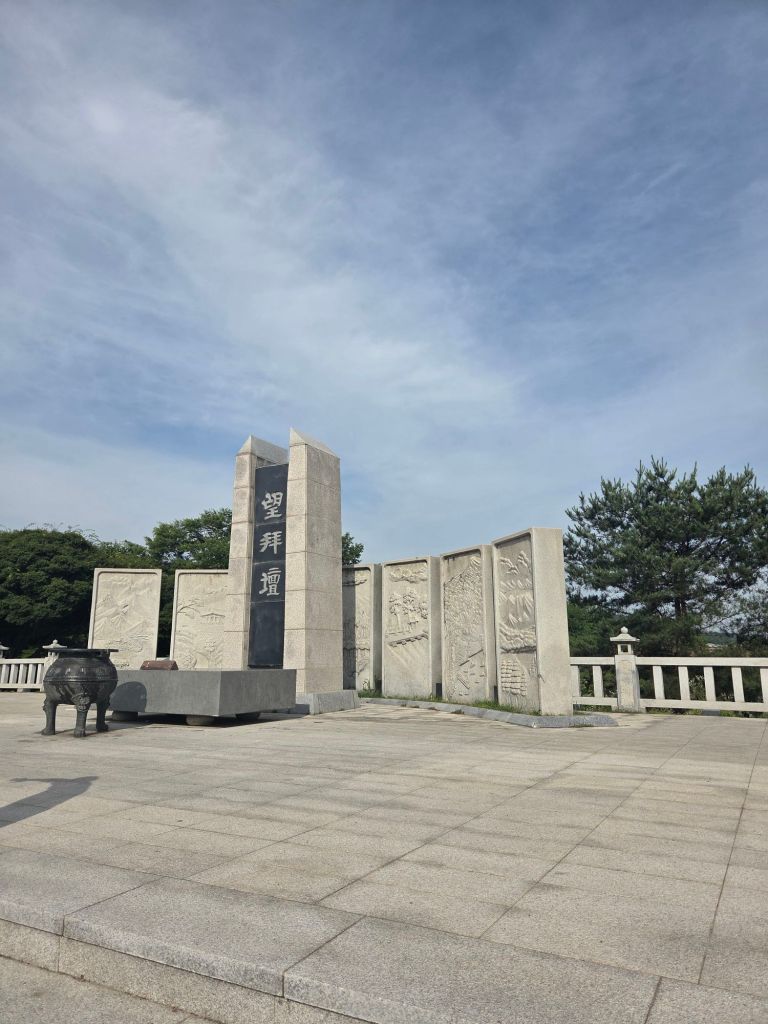
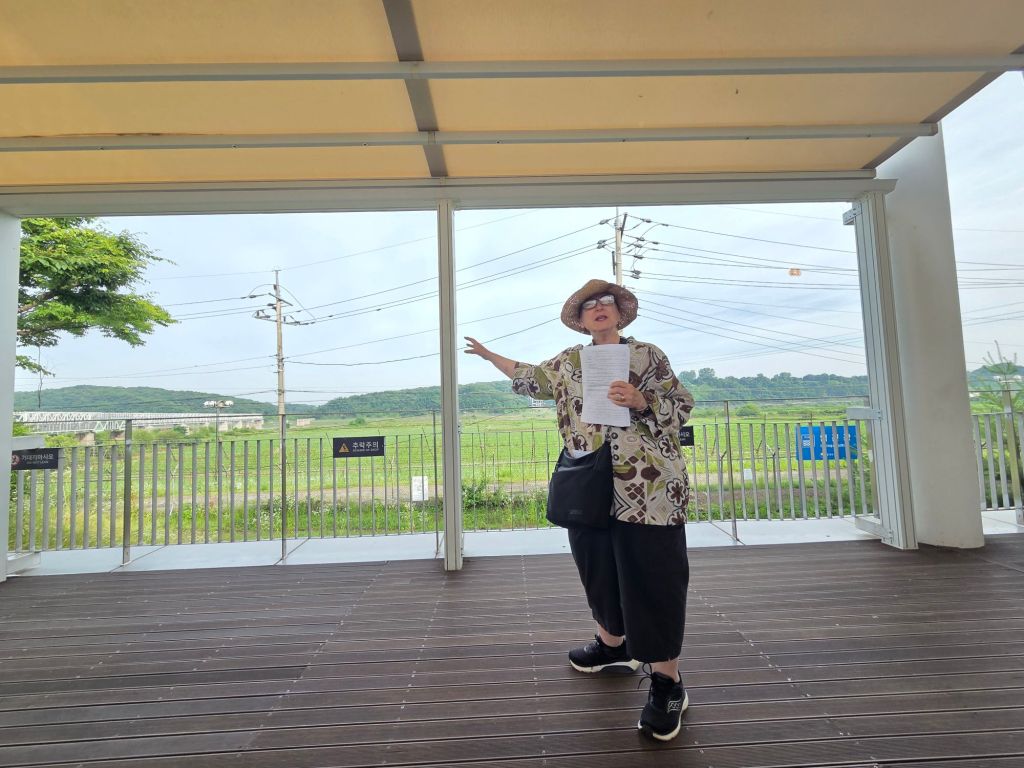
It is one thing to learn about the DMZ from books, documentaries, or the news. It is another thing to stand in South Korea, look across the border, and see North Korea with your own eyes. That experience was humbling, powerful, and unforgettable.

Being there made everything I had heard about the Korean Peninsula come alive. The division between North and South Korea is not just a political issue or a headline. It is a lived reality shaped by war, separation, security, diplomacy, and hope.

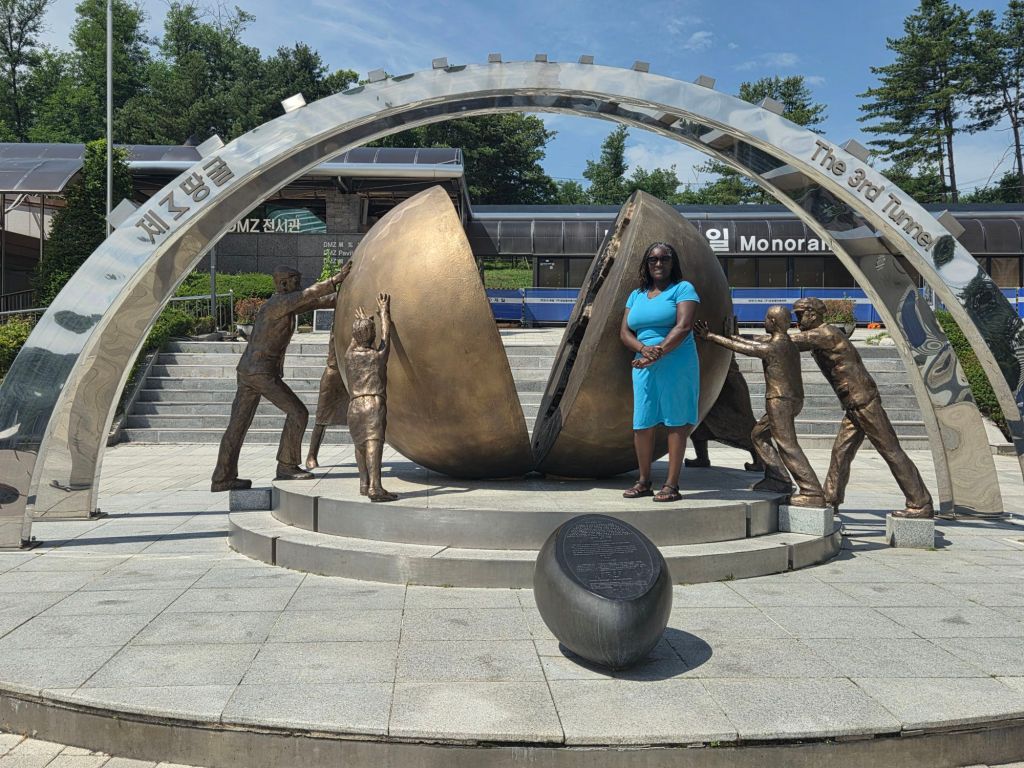
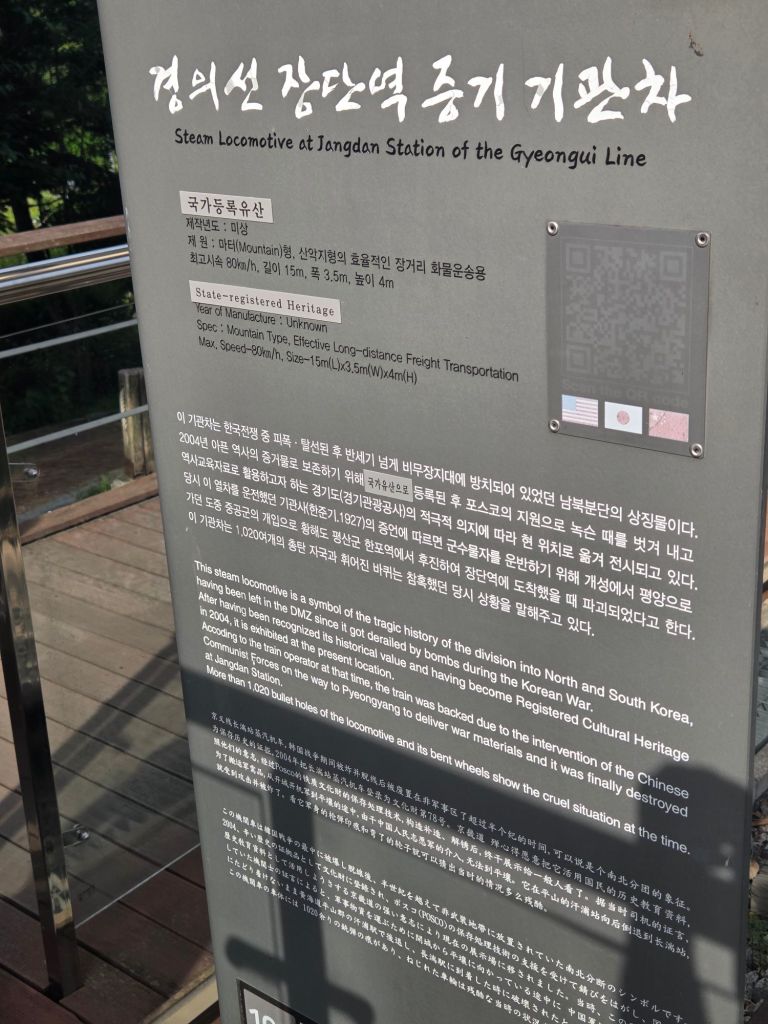
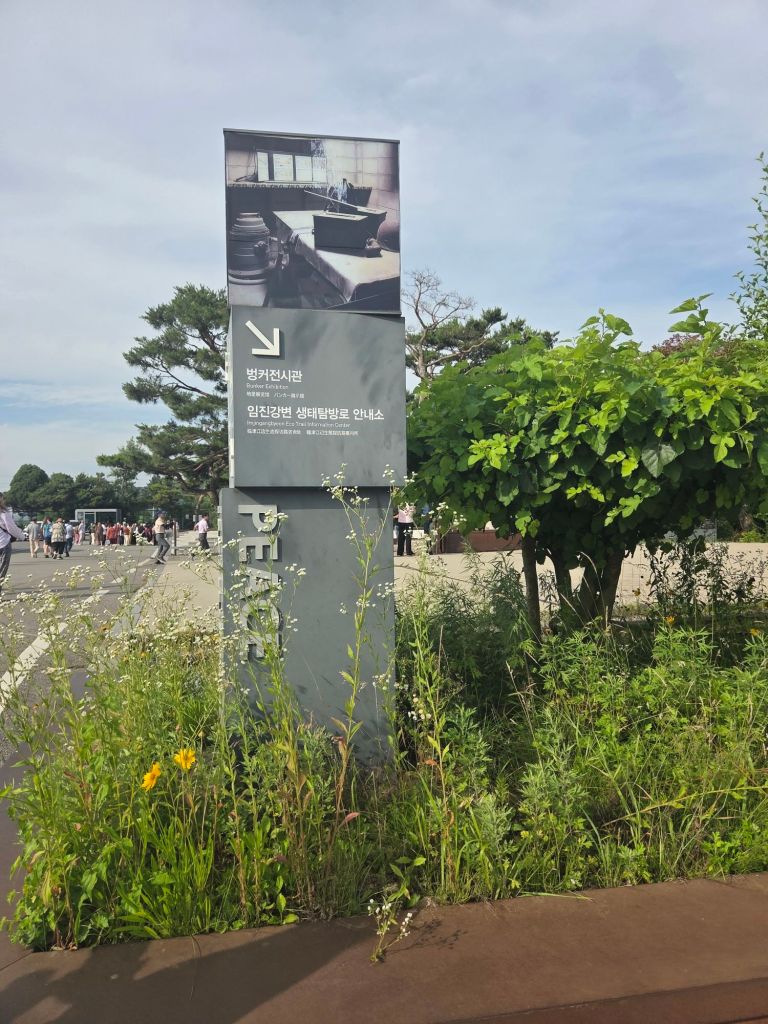
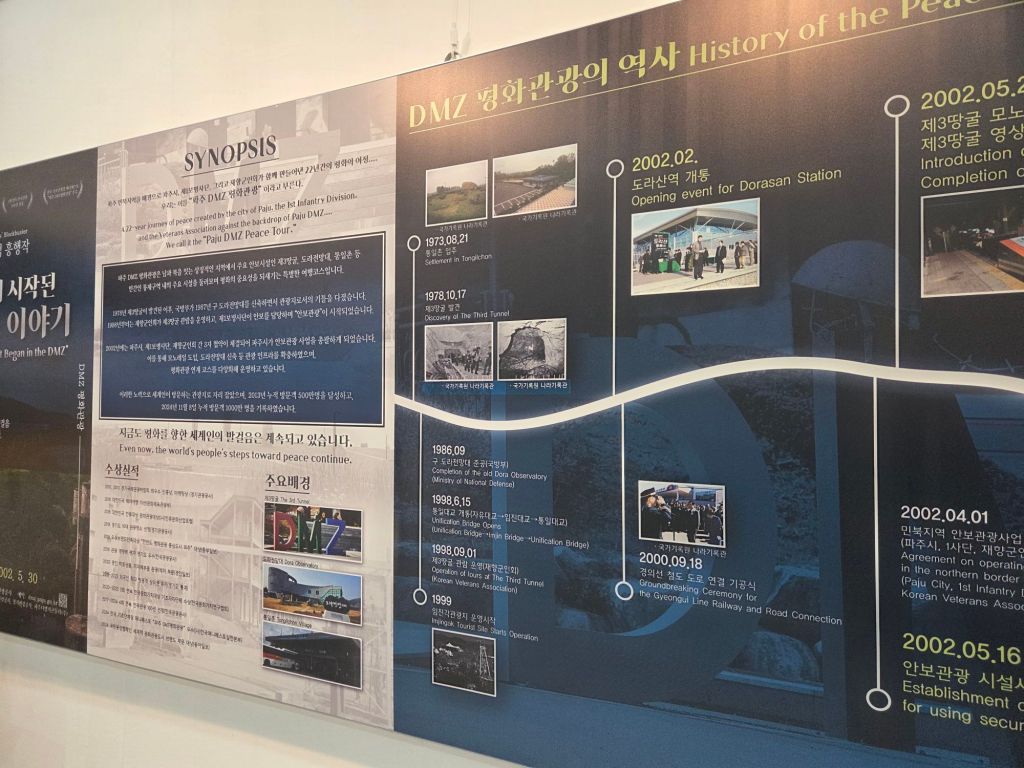
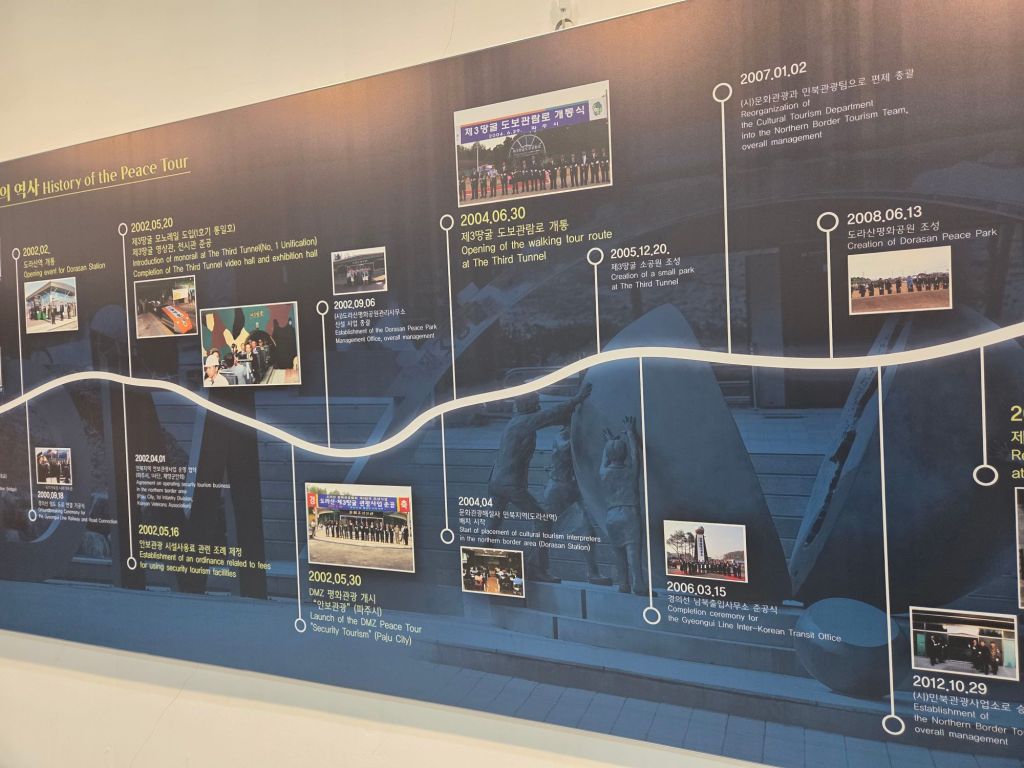
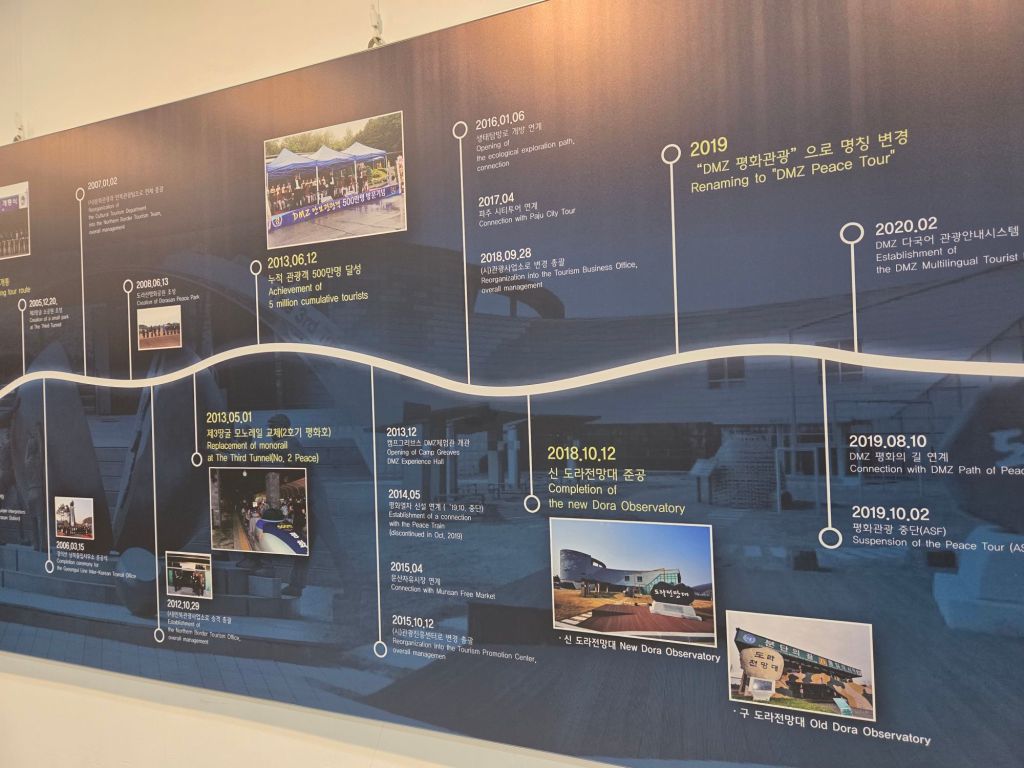
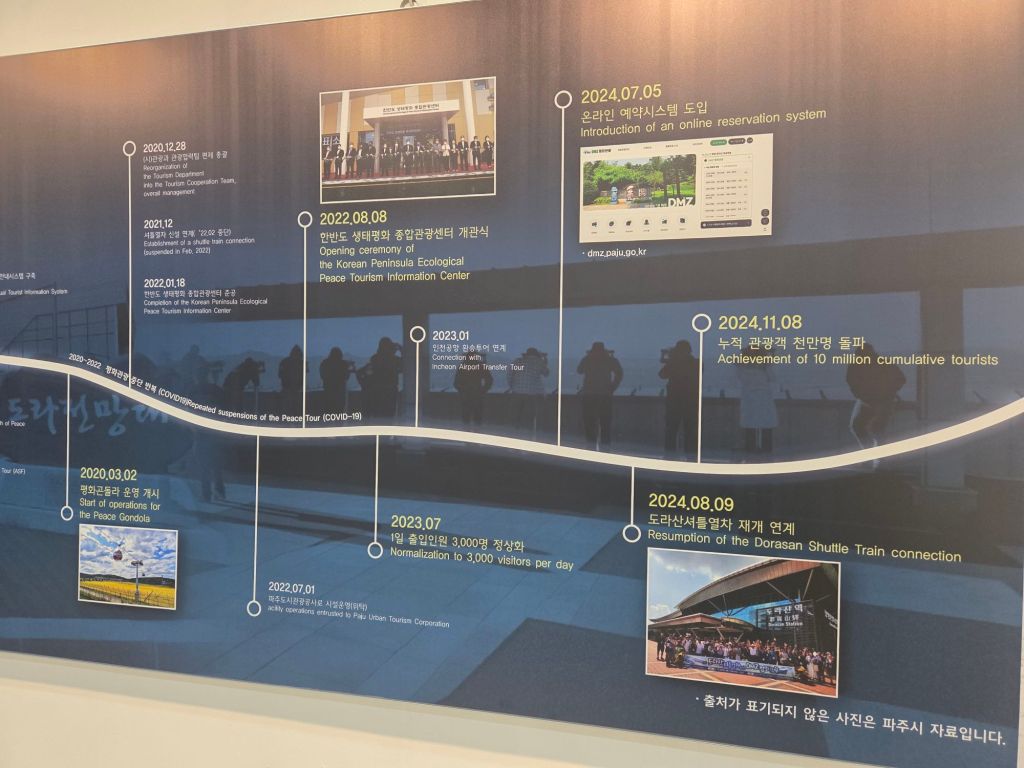
One of the most striking parts of the visit was learning about the Third Infiltration Tunnel, discovered in 1978. The tunnel was dug under the border from North Korea toward South Korea and is considered one of several tunnels built for possible military movement. Walking through that space helped me better understand the tension and seriousness that still exists along the border.

I also learned more about the role of the United Nations, international observers, and neutral nations such as Switzerland, which has been involved in monitoring efforts in the area. Seeing the complexity of the DMZ reminded me that peace is not simple. It requires vigilance, diplomacy, memory, and cooperation.

The DMZ is more than a tourist site. It is a place where history, grief, politics, and hope meet. Standing there gave me a deeper respect for the Korean people and for the families still affected by division. As an educator, I left thinking about how important it is for students to understand that history is not only something from the past. Sometimes, history is still unfolding right in front of us.
Seoul Tower

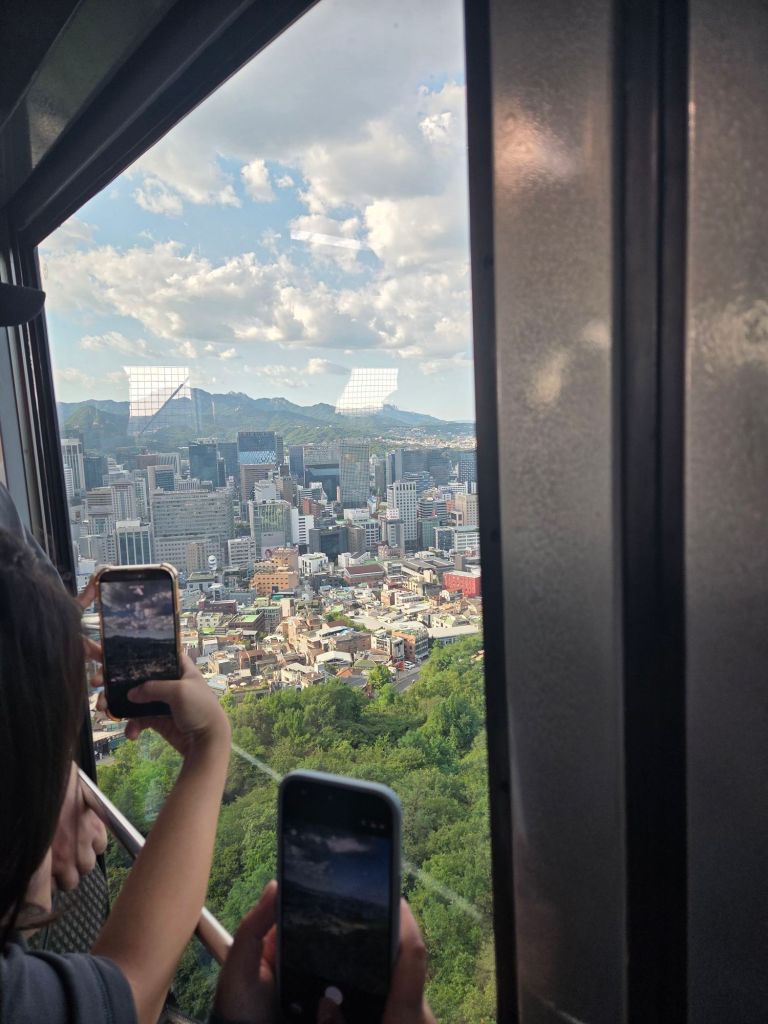
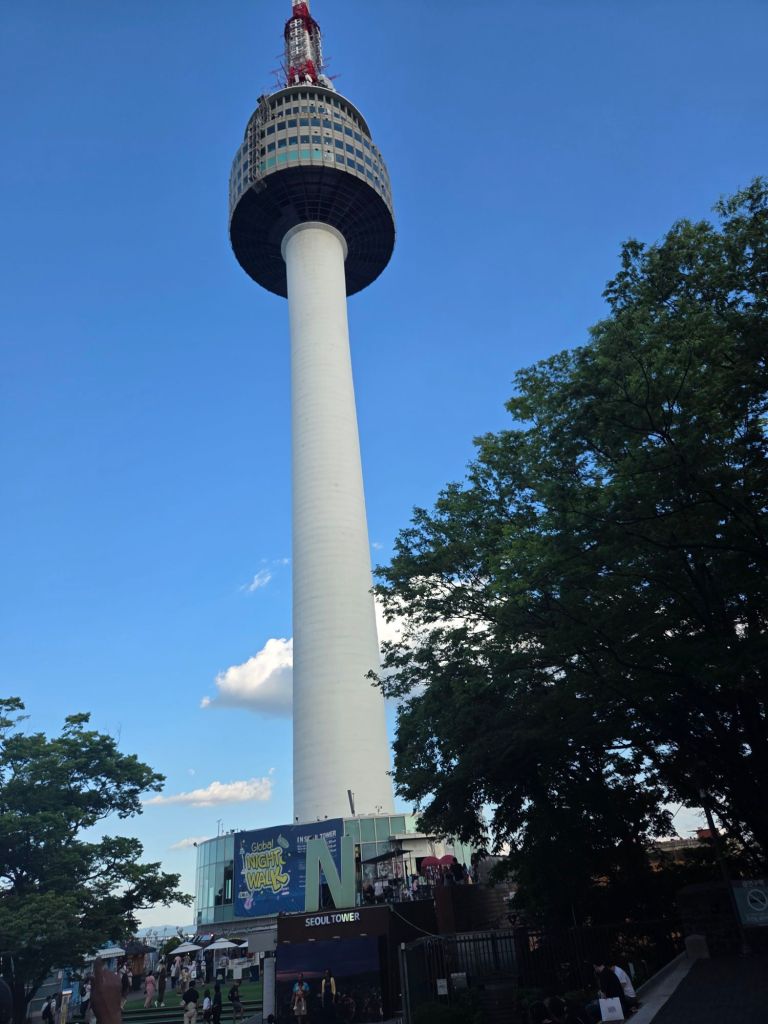
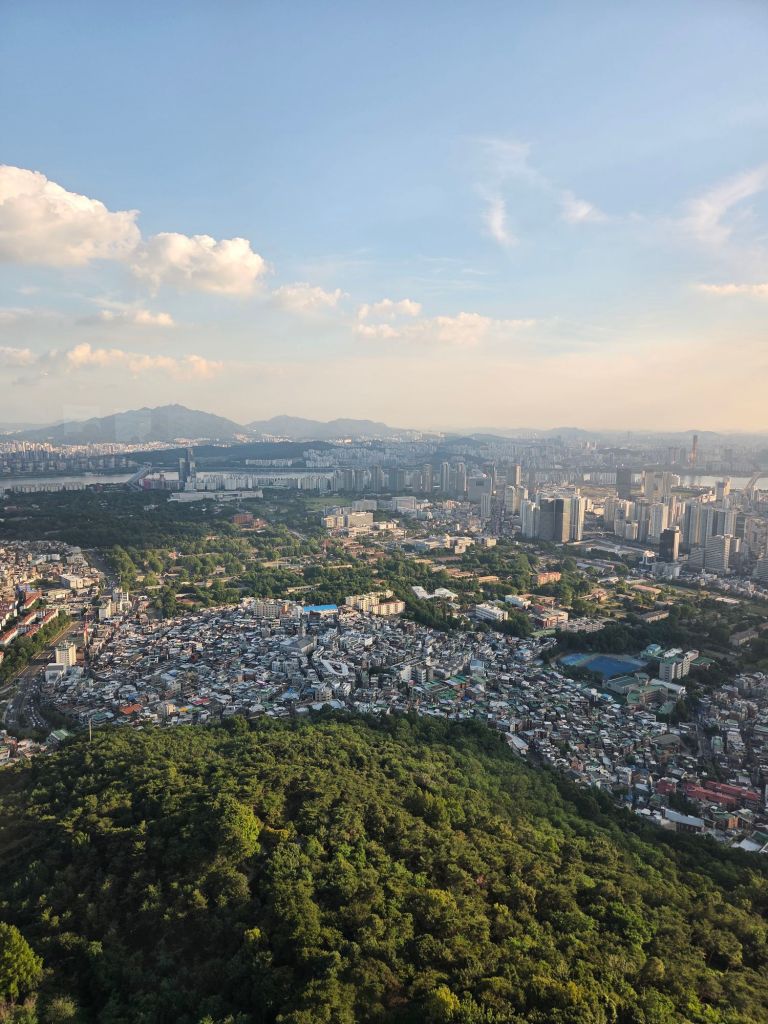
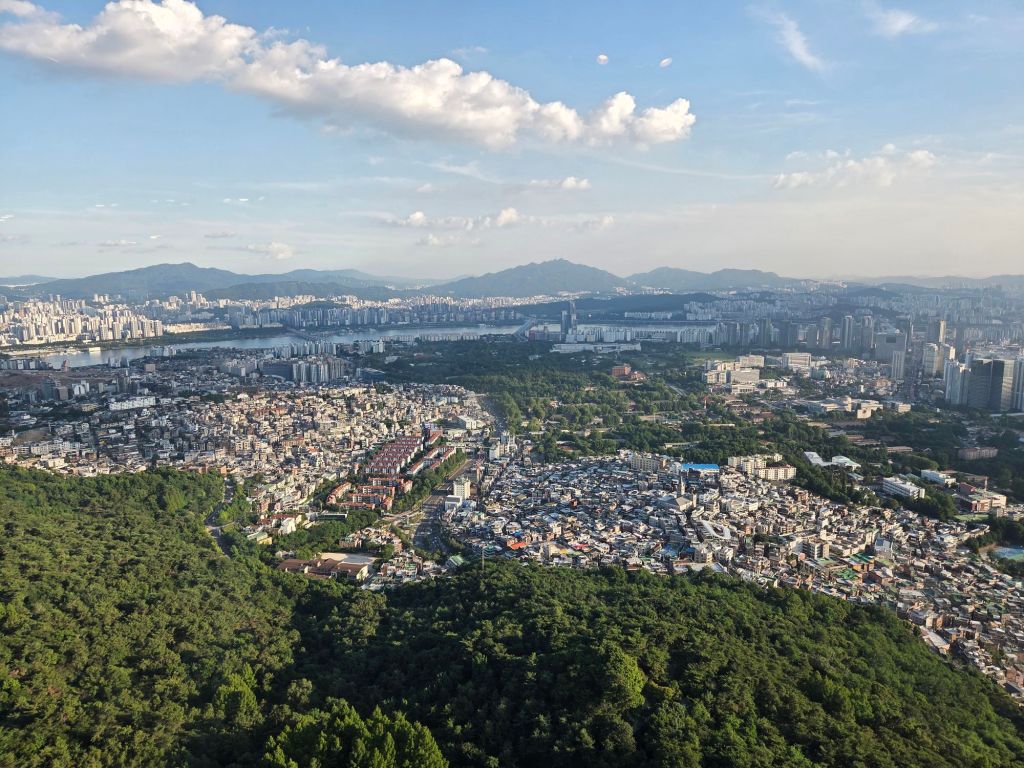
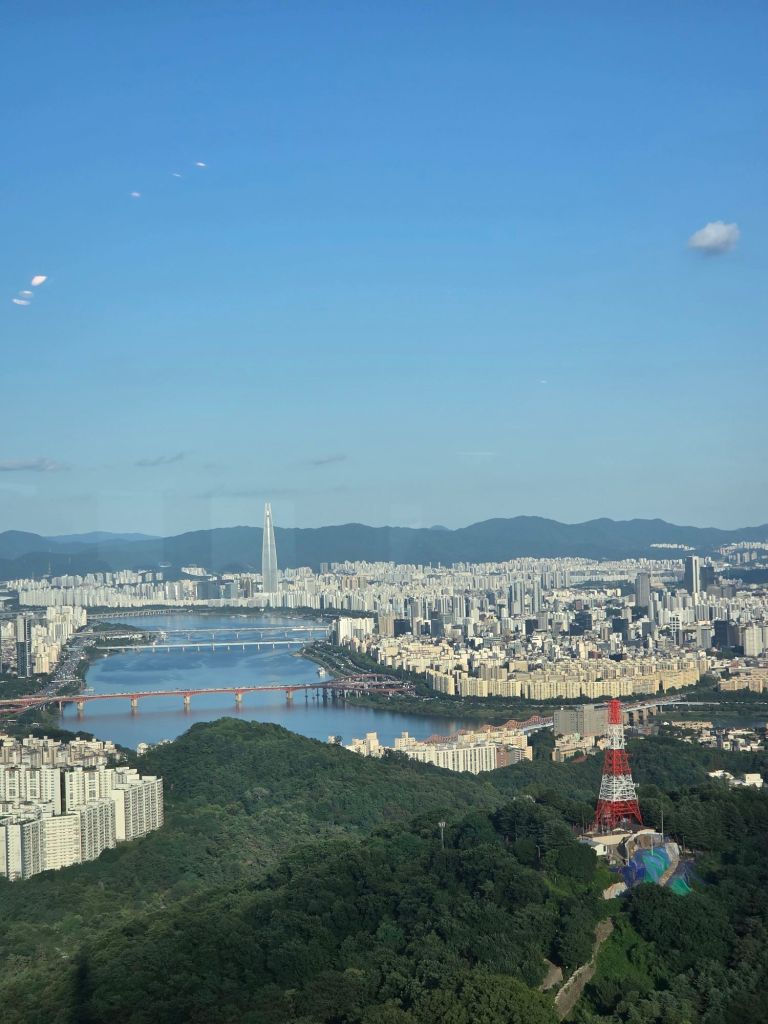
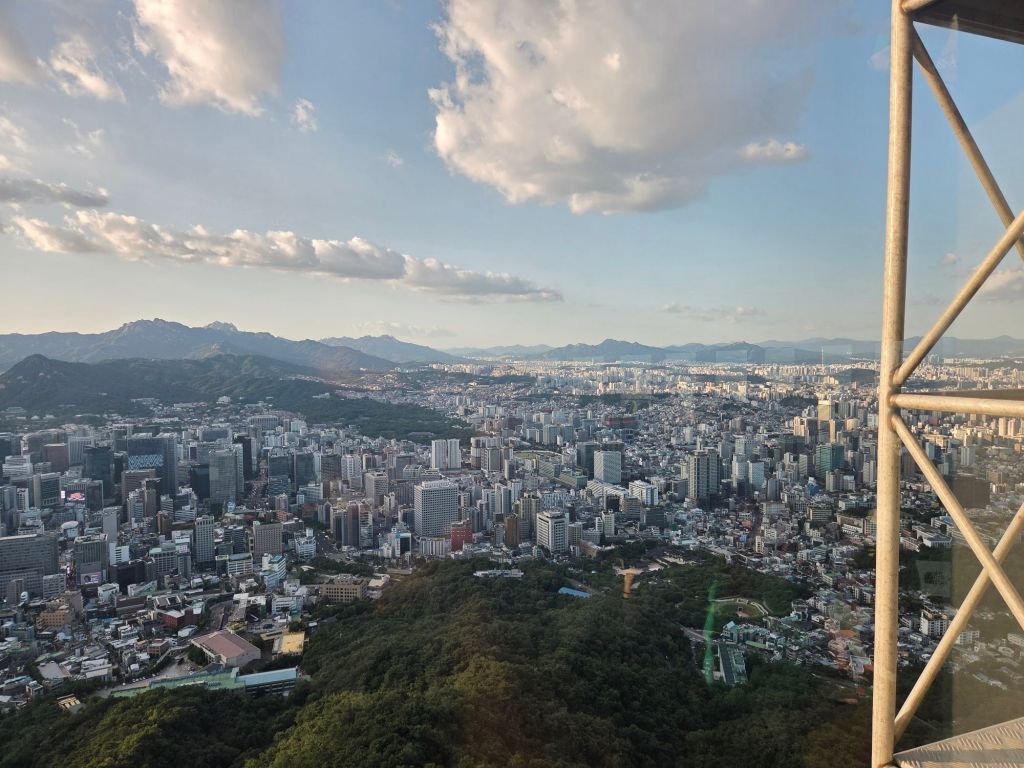
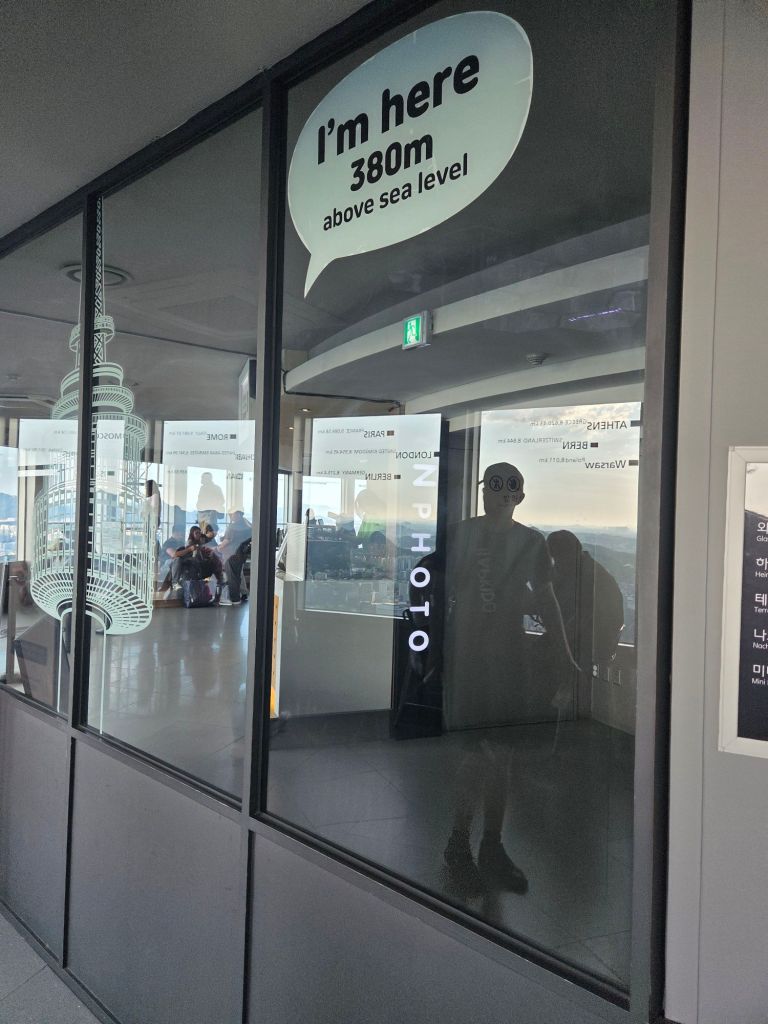
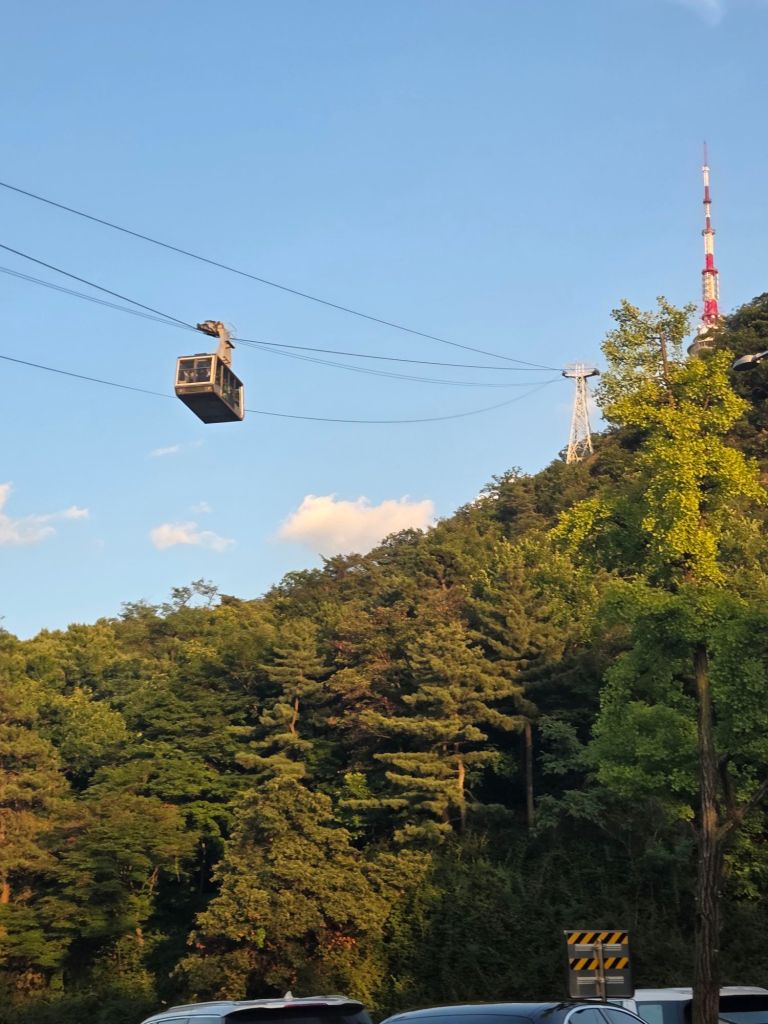
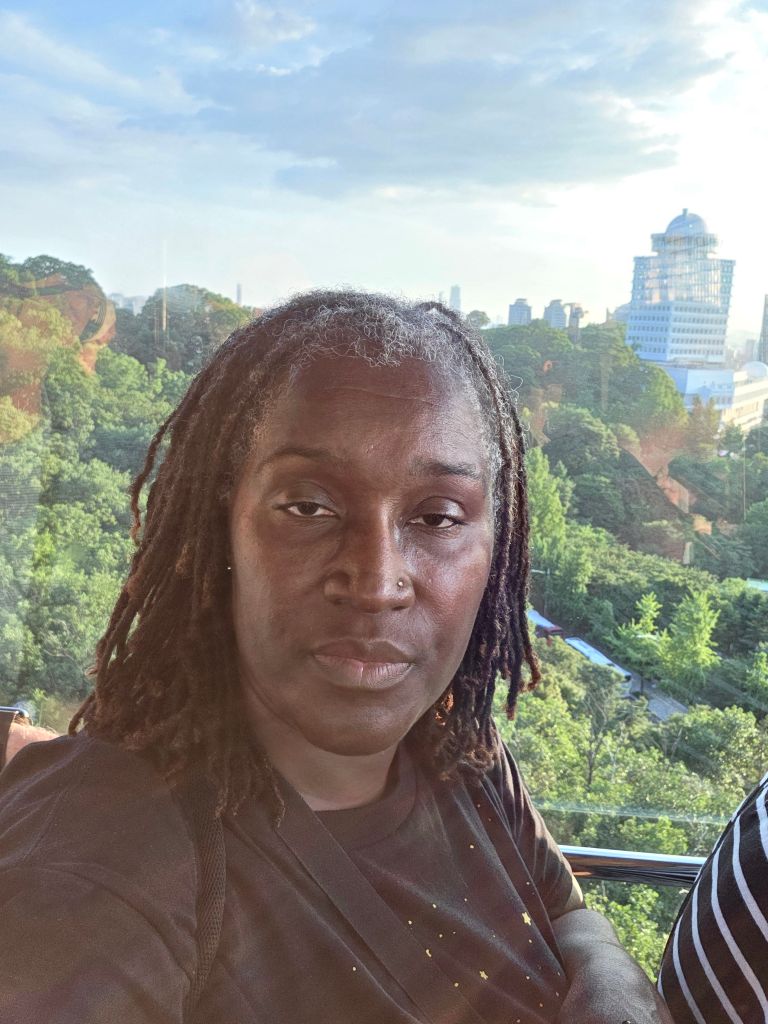
A visit to N Seoul Tower was the perfect way to experience the incredible scale of South Korea’s capital city. Riding the Namsan Cable Car to the top of Namsan Mountain was an adventure in itself, offering beautiful views as we climbed above the bustling streets below.


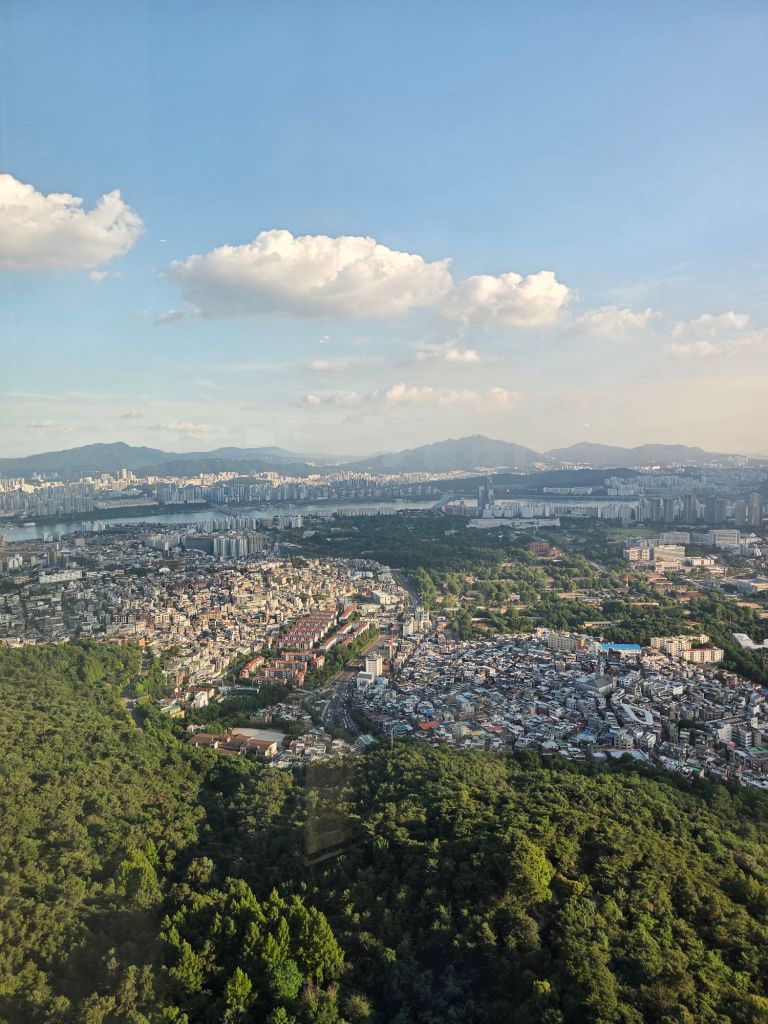
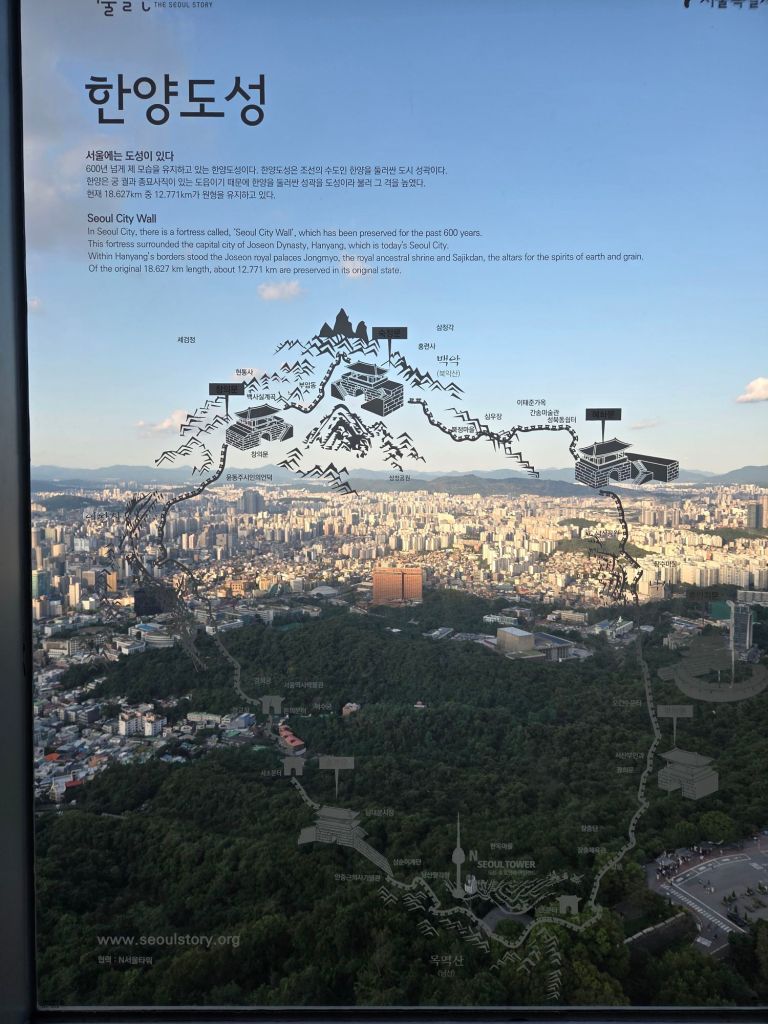
From the observation deck, I was amazed by the panoramic view stretching in every direction. Seoul’s towering skyline, the winding Han River, surrounding mountains, and countless neighborhoods revealed just how vast and dynamic this city truly is. Seeing the city from above gave me a new appreciation for its size, organization, and remarkable blend of modern development and natural beauty. It reminded me of a Lego City.

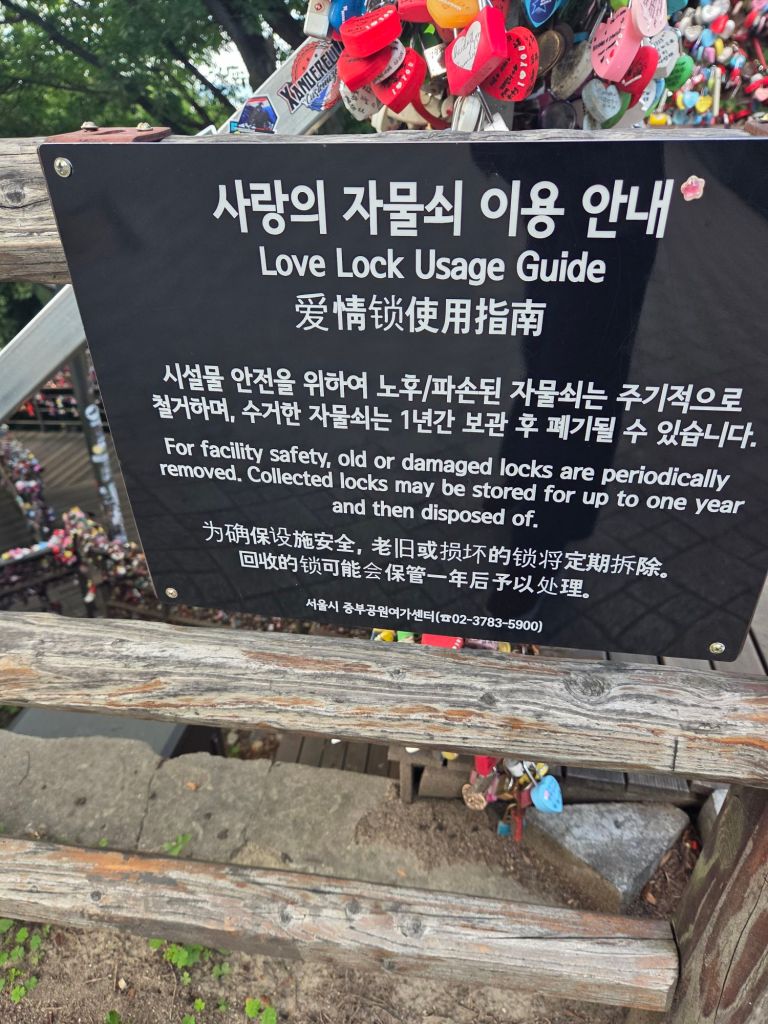
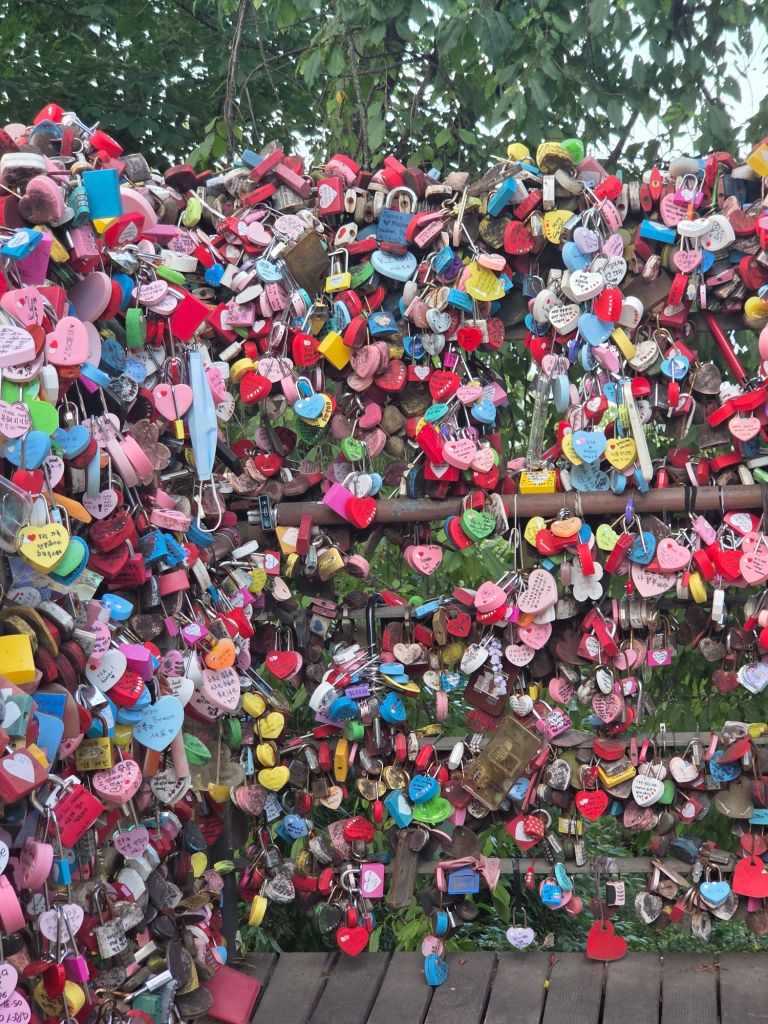
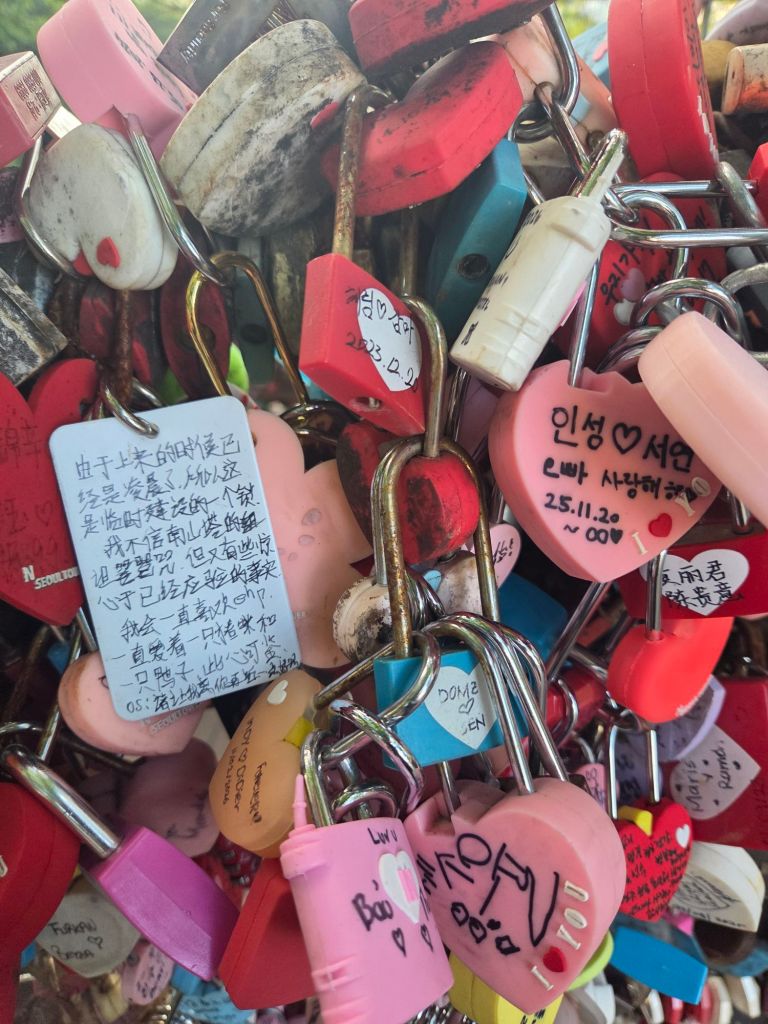
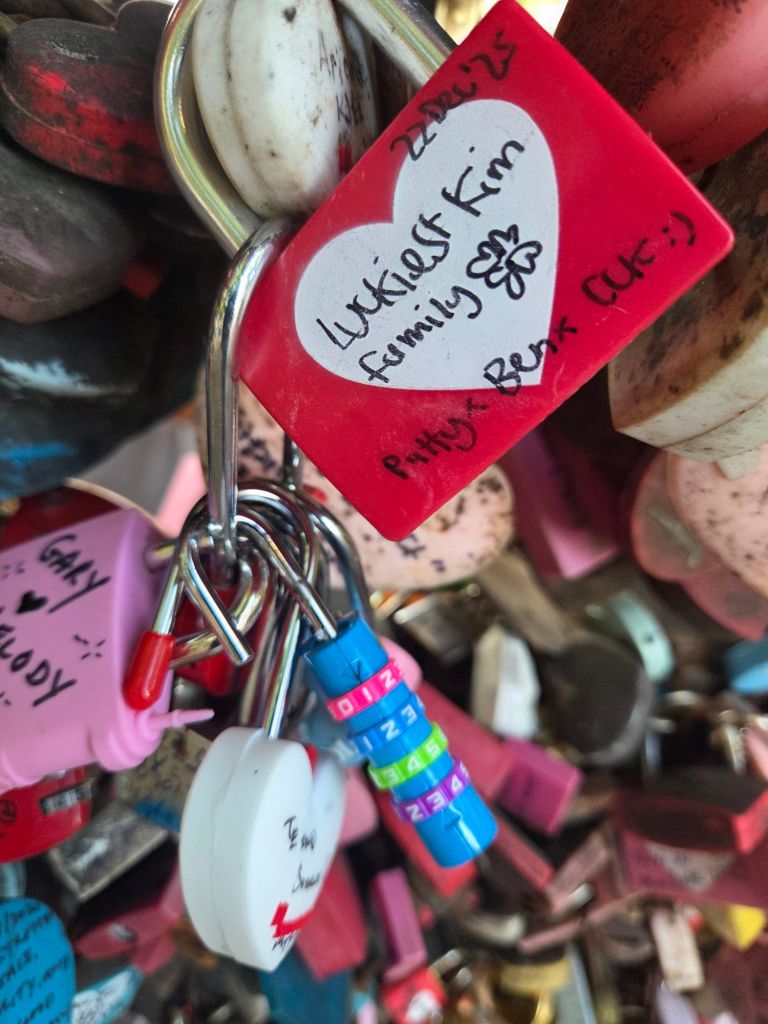
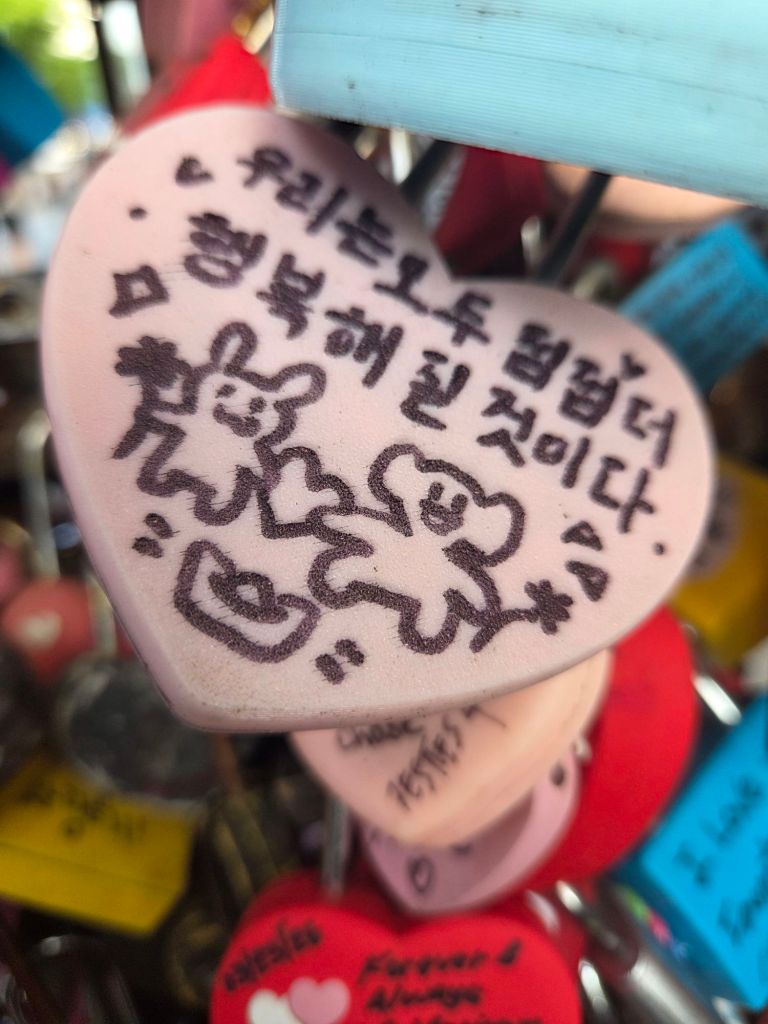
One of the most recognizable features at the tower is the Locks of Love, where thousands of couples leave padlocks as symbols of their commitment. Whether visiting for the breathtaking views, the cultural landmarks, or simply to take in the beauty of Seoul, N Seoul Tower is an unforgettable experience and a must-see destination for anyone exploring South Korea.

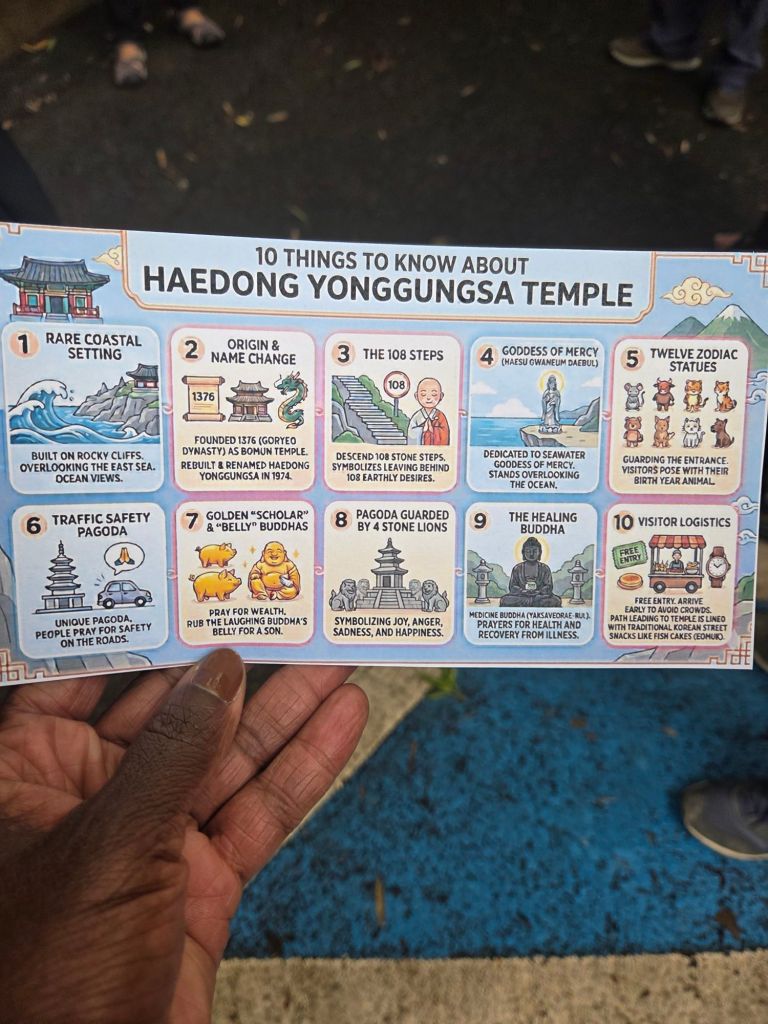
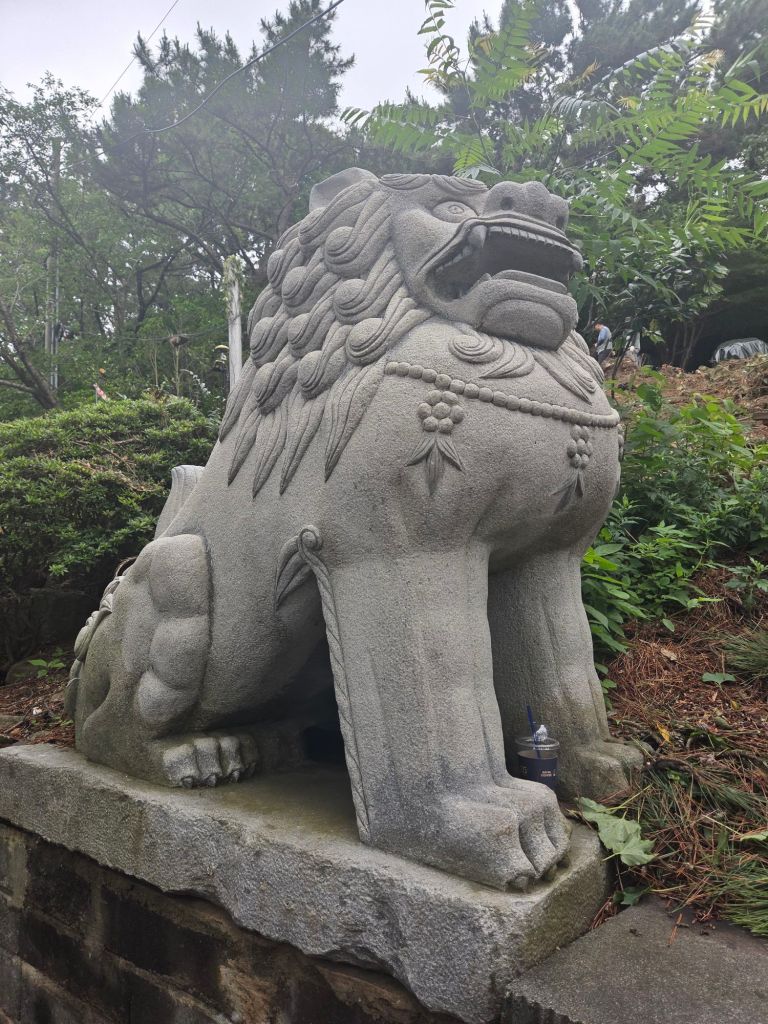
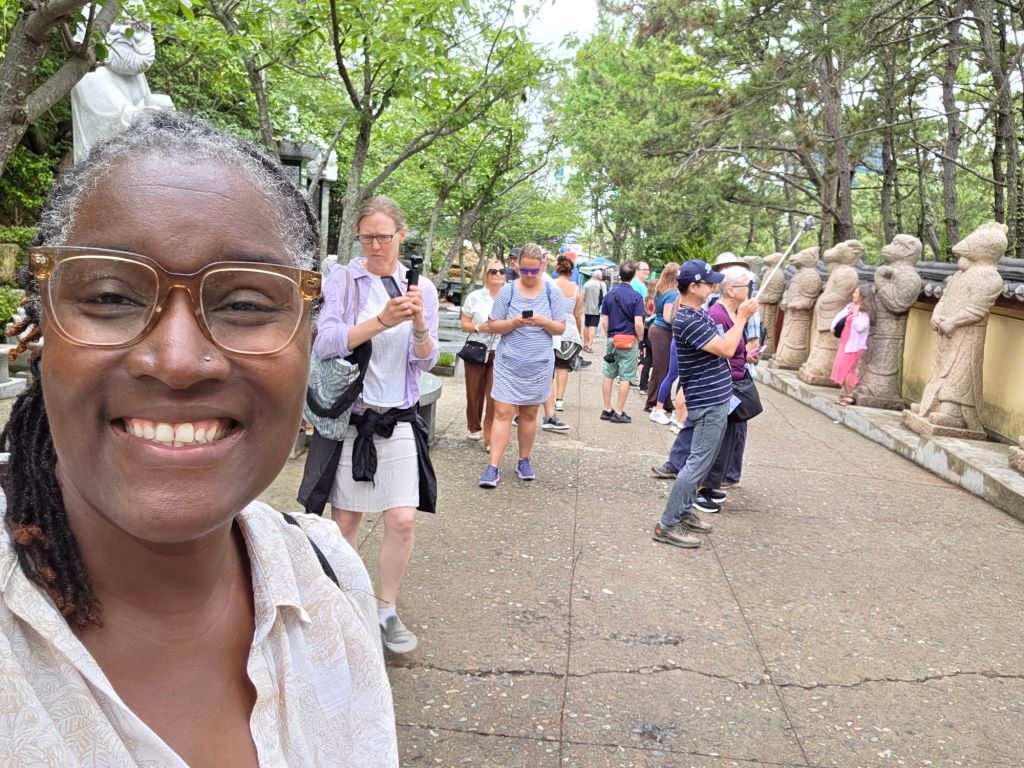
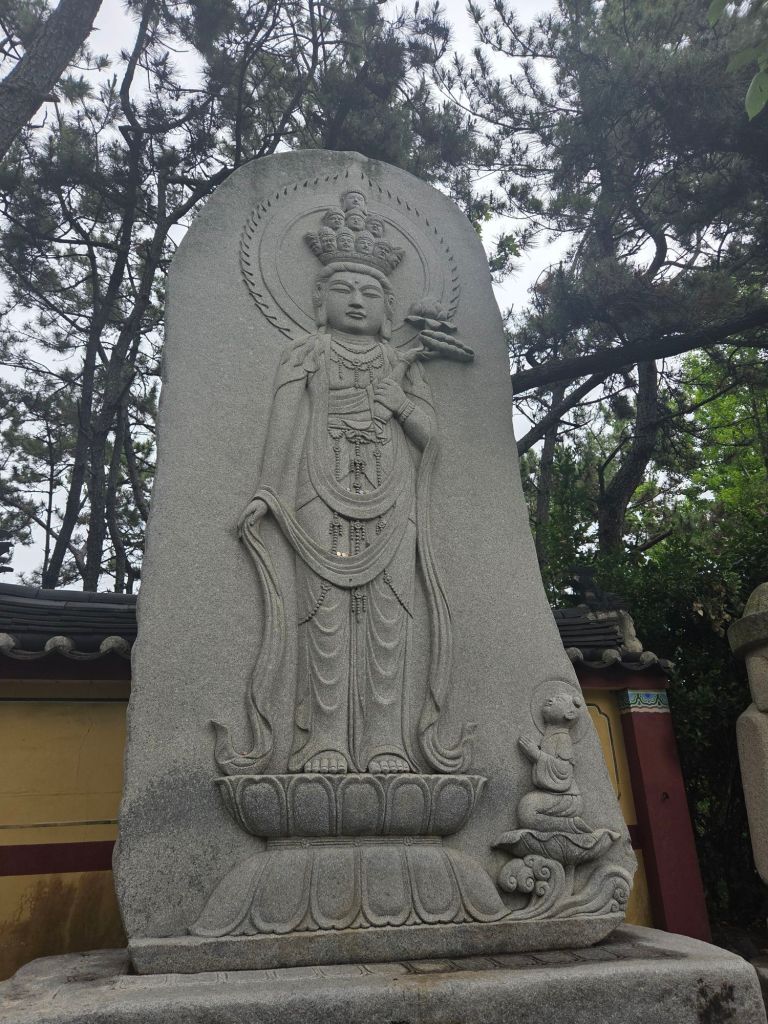
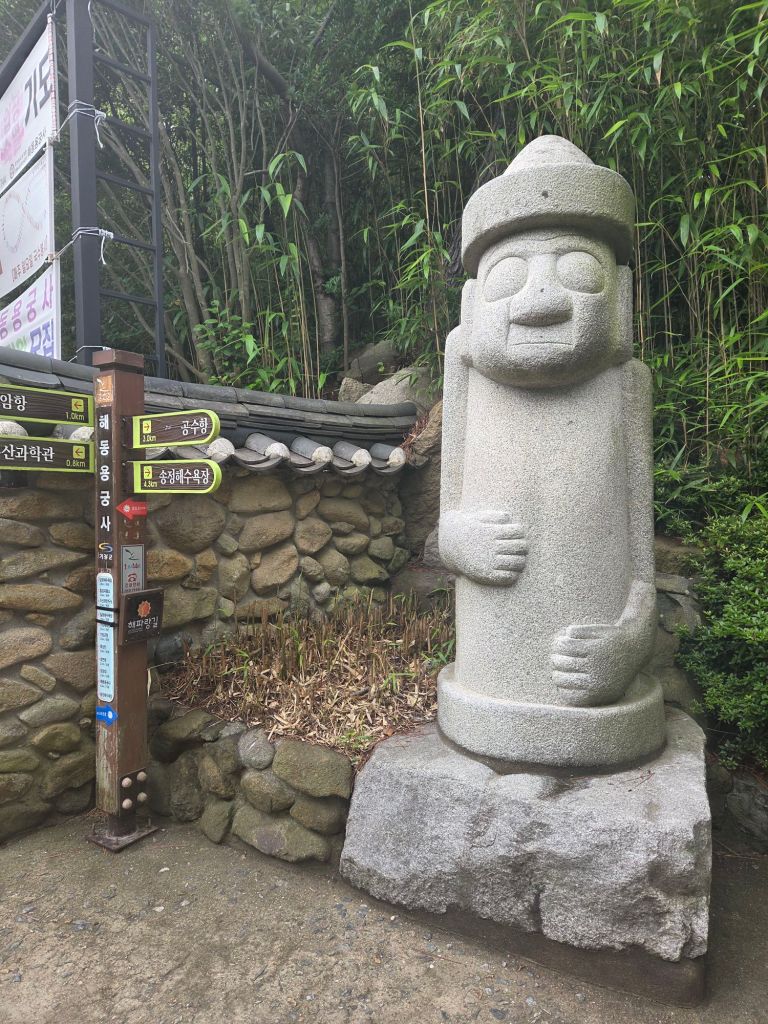
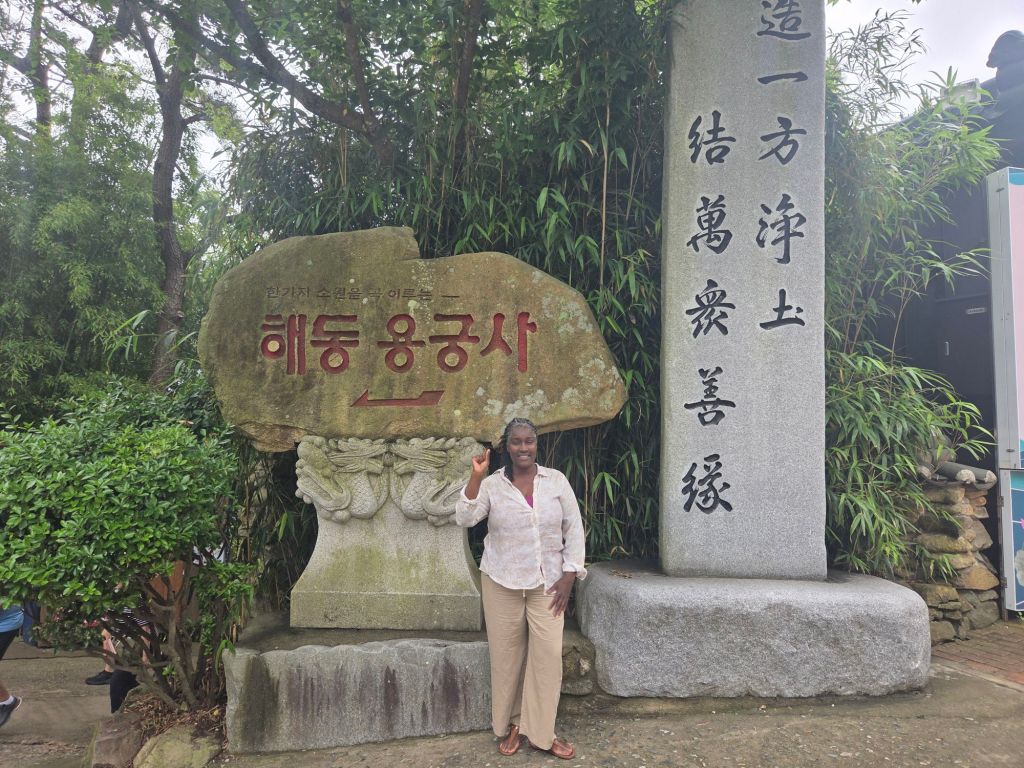
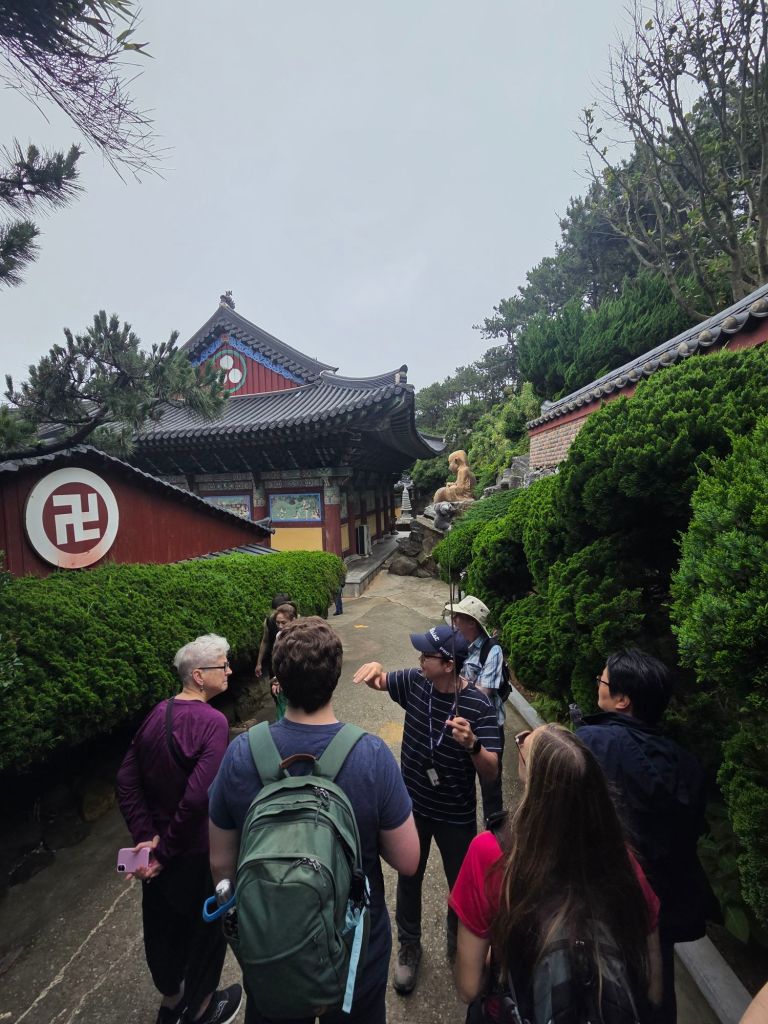
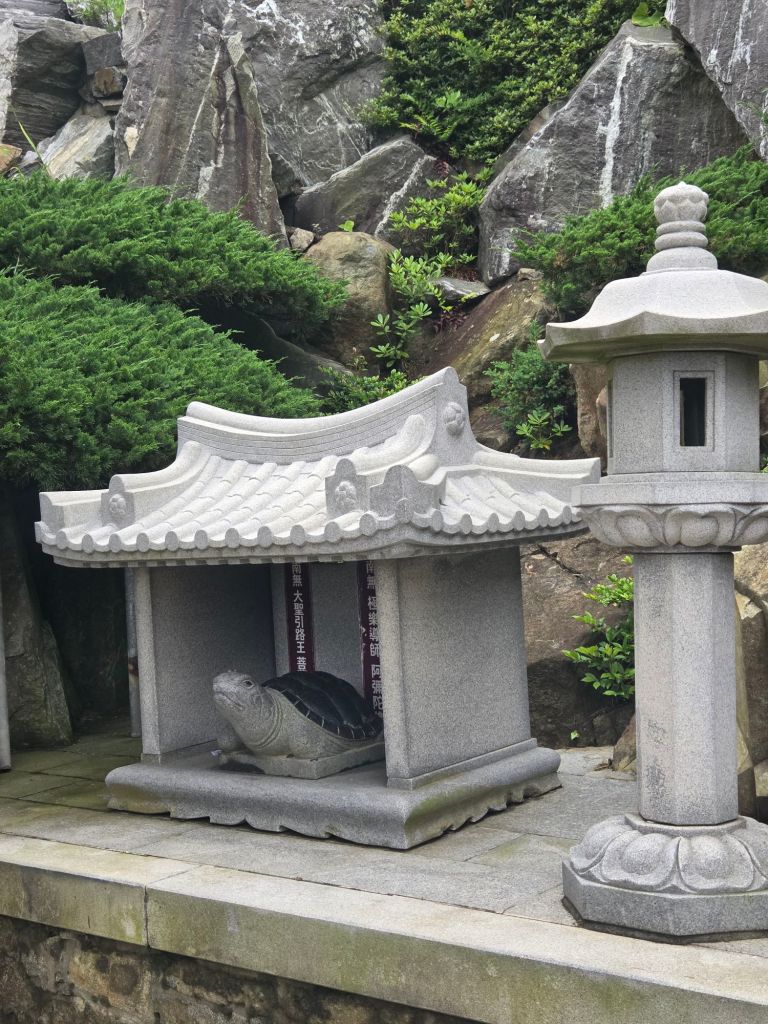
Haedong Yonggungsa Temple

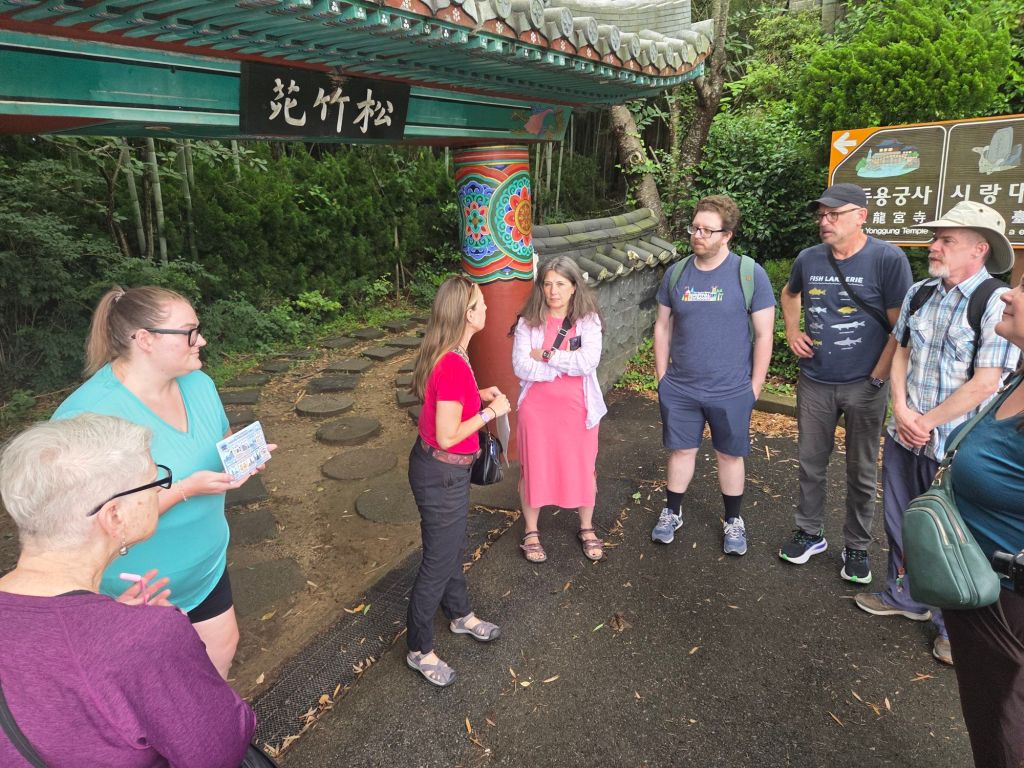
Visiting Haedong Yonggungsa Temple was one of the
As a Christian, my purpose in visiting was to learn about Korea’s history, culture, and religious traditions,not to participate in Buddhist worship. While others bowed before Buddha or offered prayers, I quietly spent time in prayer and meditation in the name of Jesus Christ, thanking God for being my source of strength and the opportunity to learn, travel, and better understand the people and history of South Korea.

Haedong Yonggungsa reminded me that we can respectfully learn about other cultures and beliefs while remaining firmly rooted in our own faith. As an educator, experiences like this deepen my understanding of the world and help me teach with greater cultural awareness and respect.