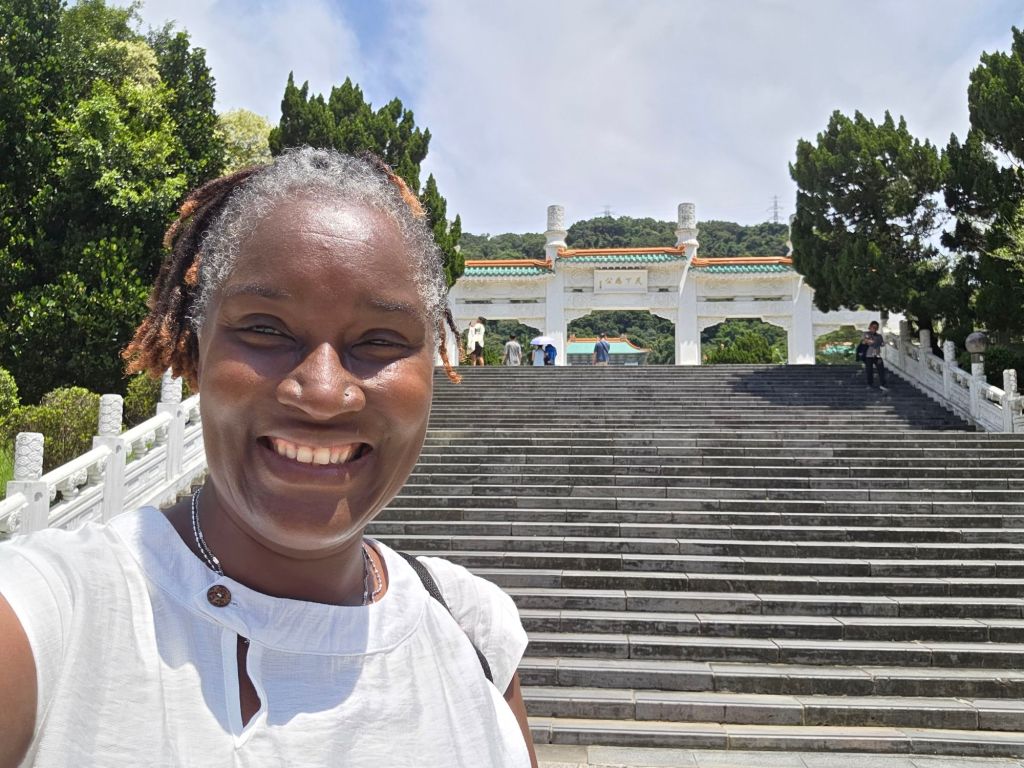
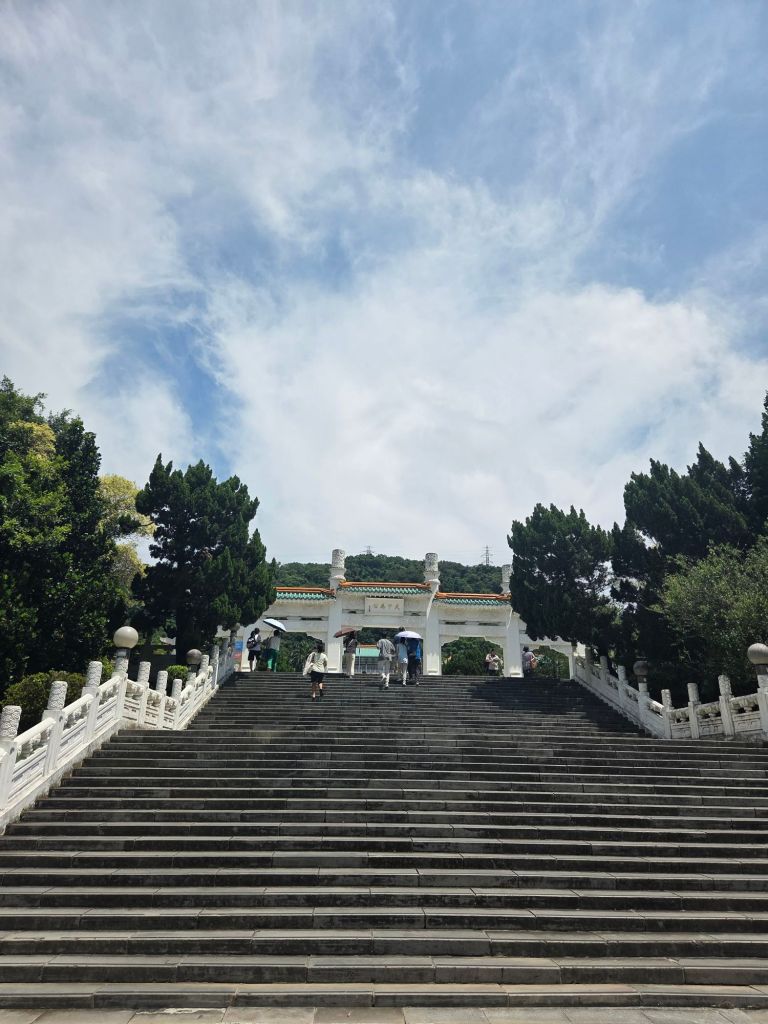
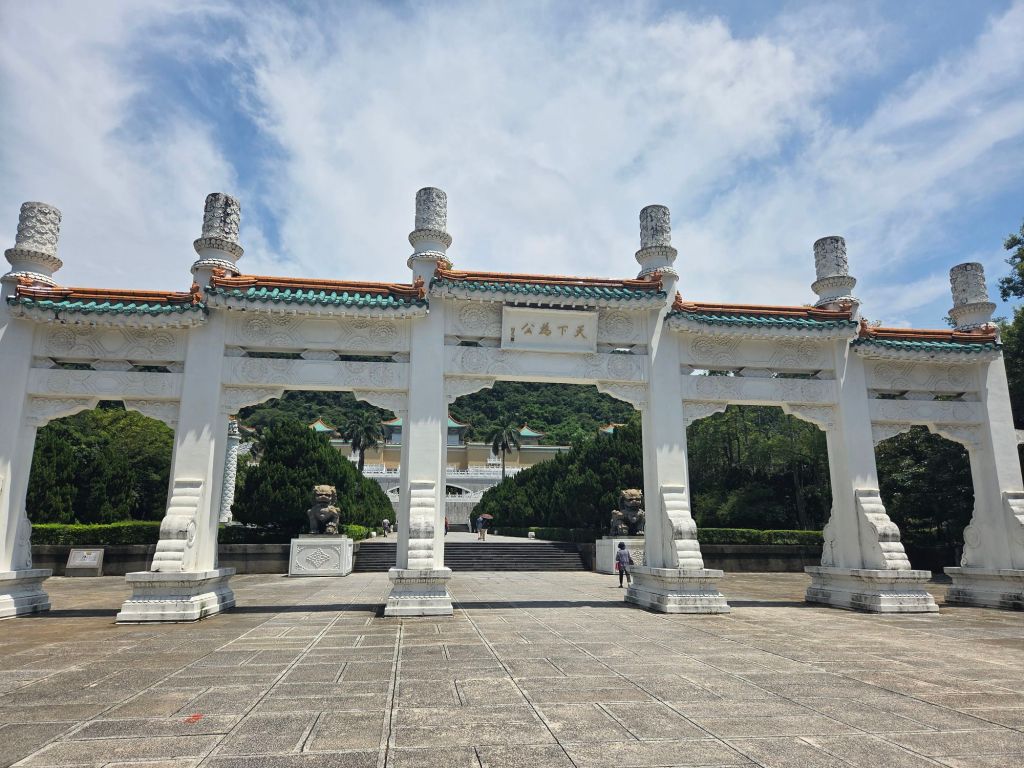
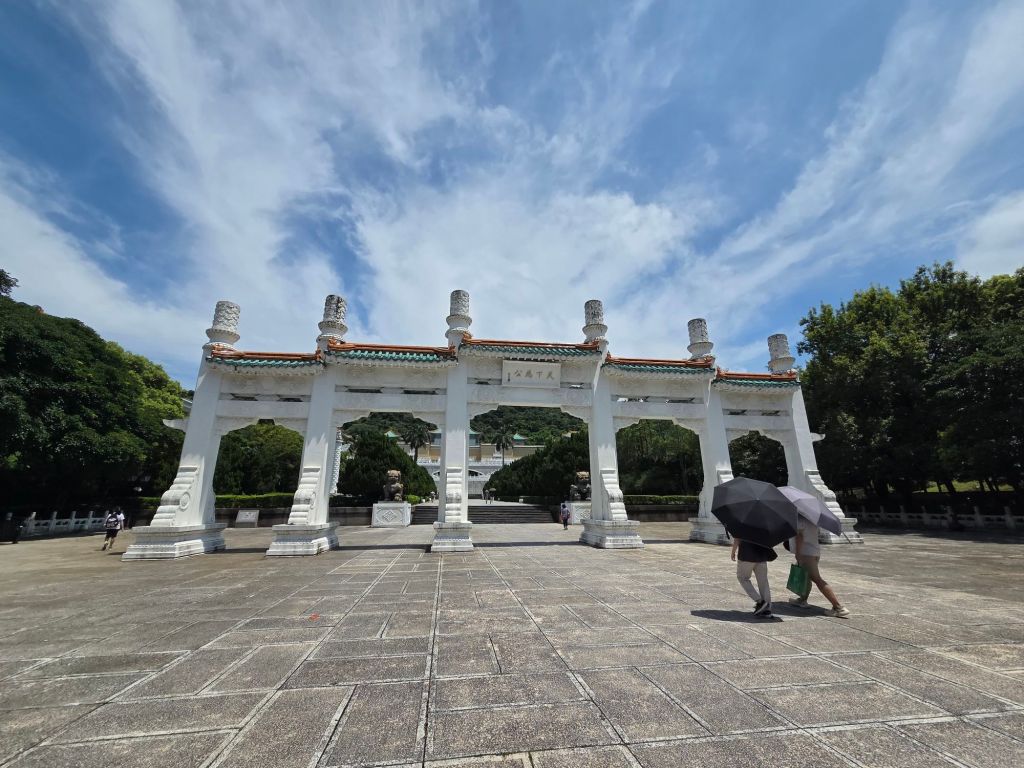
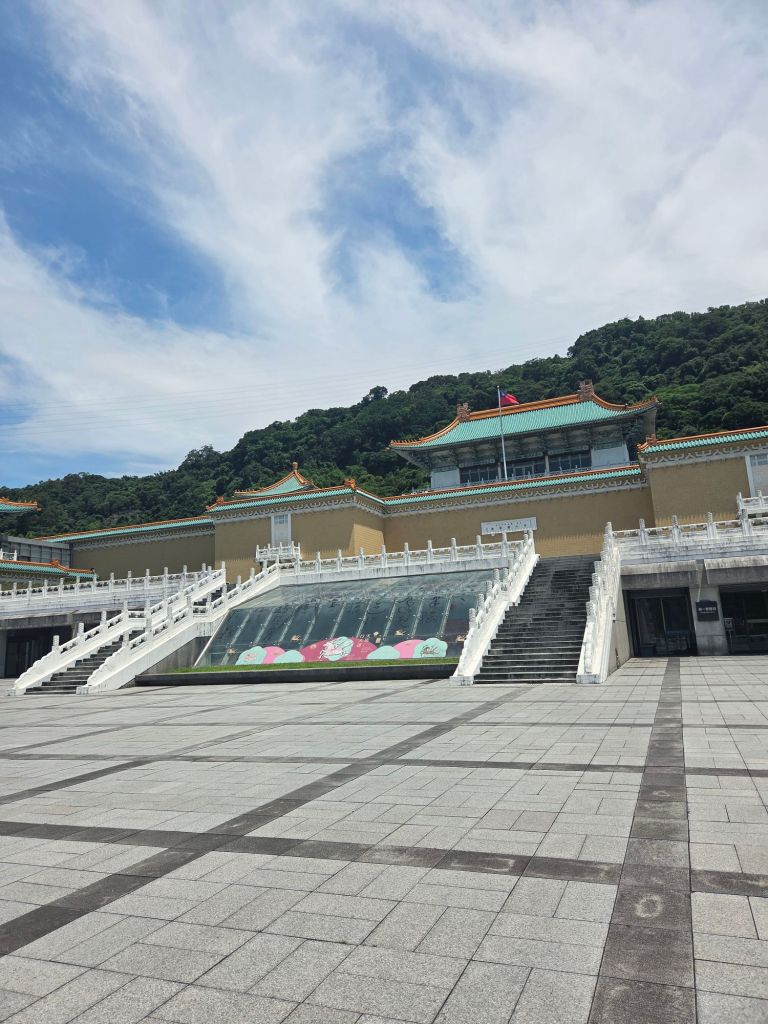
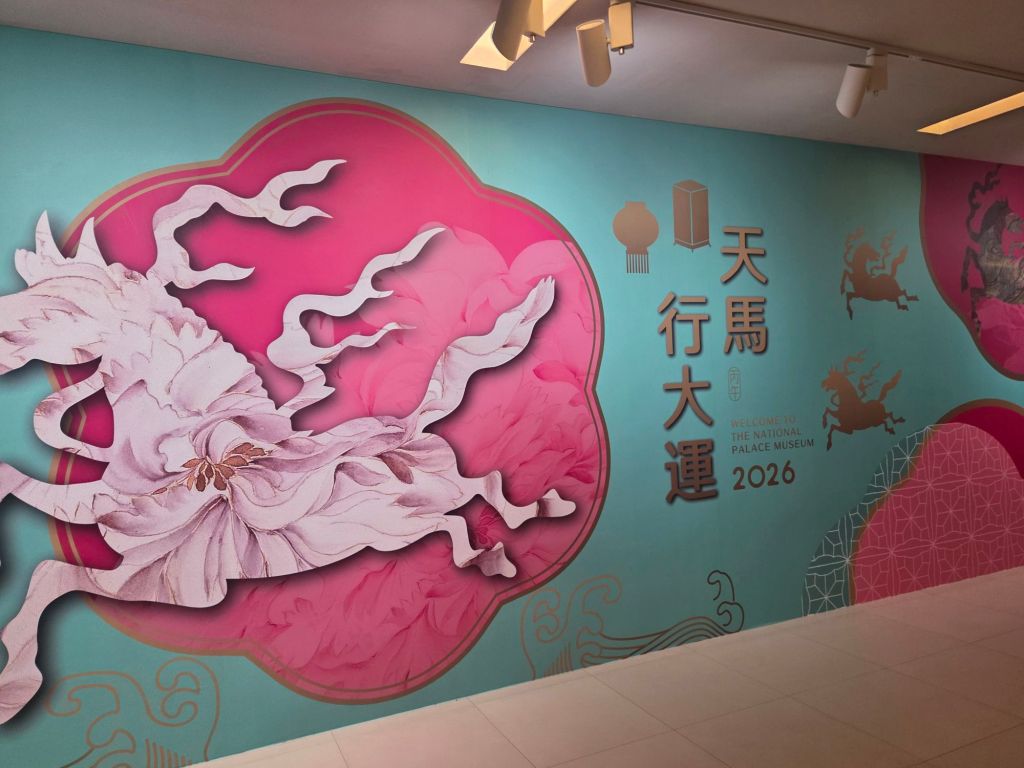
My visit to the National Palace Museum was extraordinary. I spent nearly four and a half hours exploring its collections, beginning on the third floor and working my way down through each level. Every gallery offered something new to discover, and I found myself stopping often to read the exhibits and appreciate the incredible craftsmanship on display.
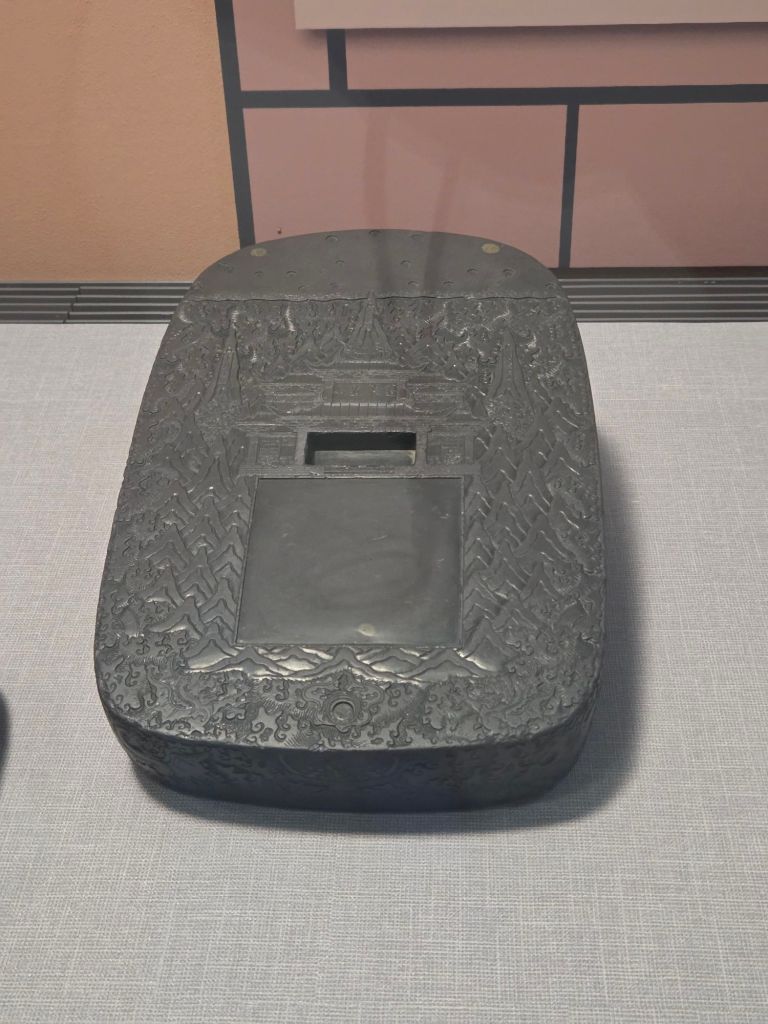
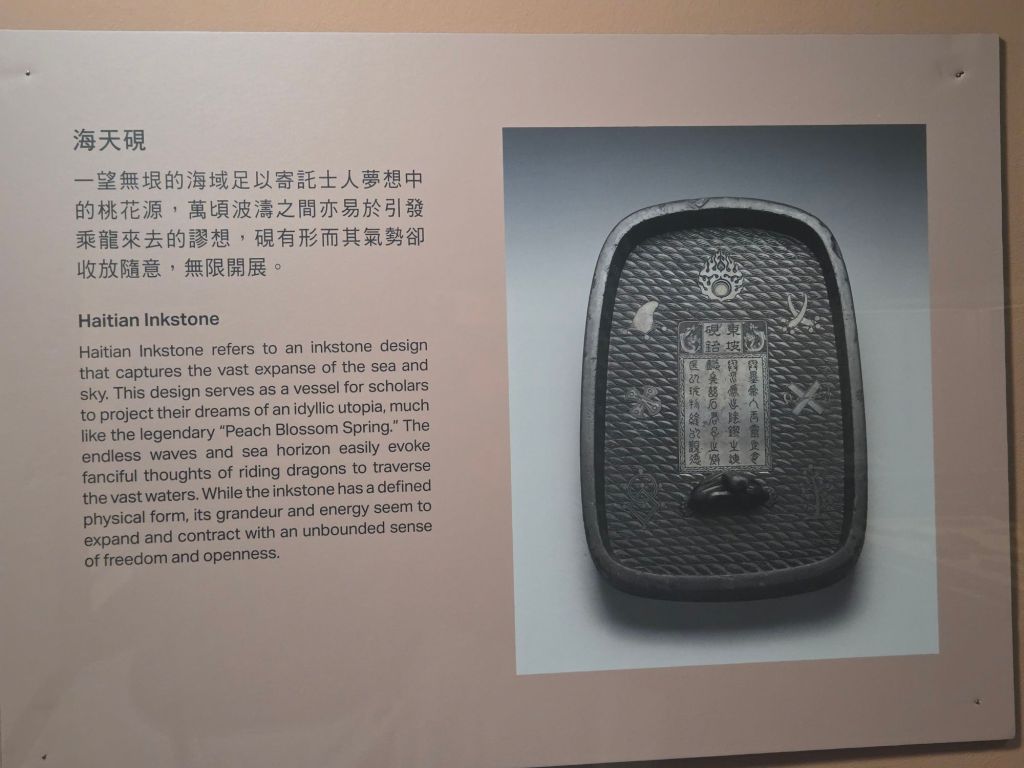
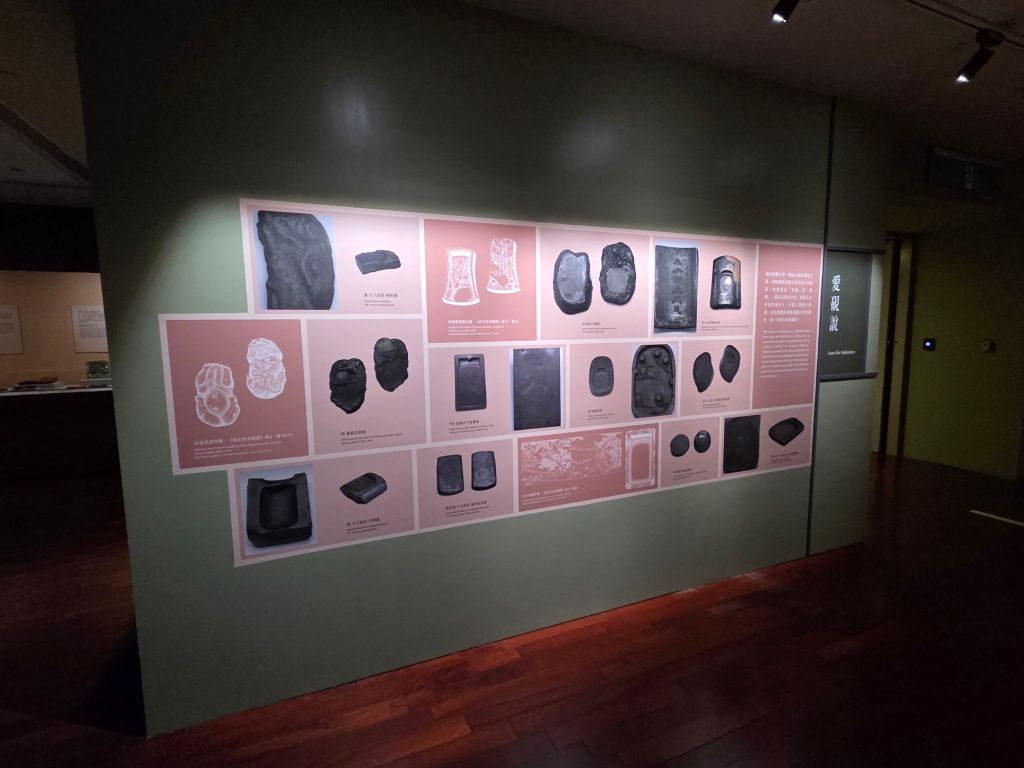
It’s difficult to choose a favorite section because each one told a different story about Taiwan’s cultural heritage and the artistic traditions that have shaped East Asia. One exhibit that truly fascinated me was the collection of inkstones. Before this visit, I had never fully understood their importance. Learning that scholars often carried small, portable inkstones with them while traveling so they could write wherever inspiration struck gave me a new appreciation for the value placed on education, literature, and the written word.
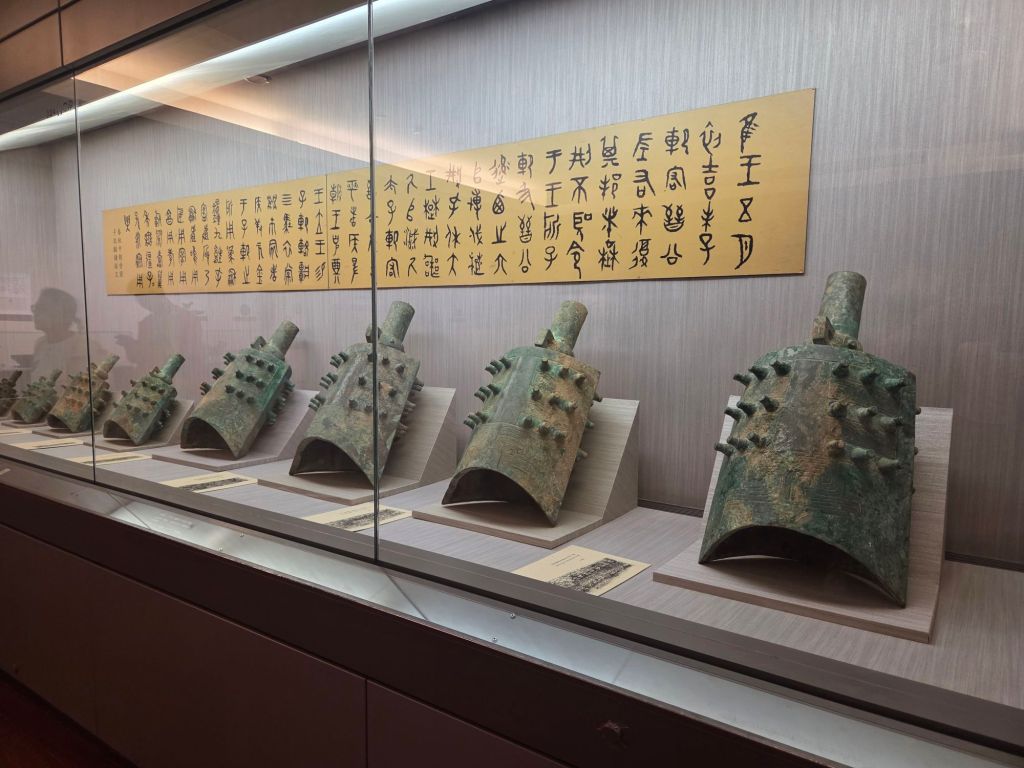
The calligraphy galleries were equally inspiring. Seeing poetry preserved through beautifully written characters reminded me that writing itself can be an art form. Every brushstroke reflected patience, discipline, and creativity.
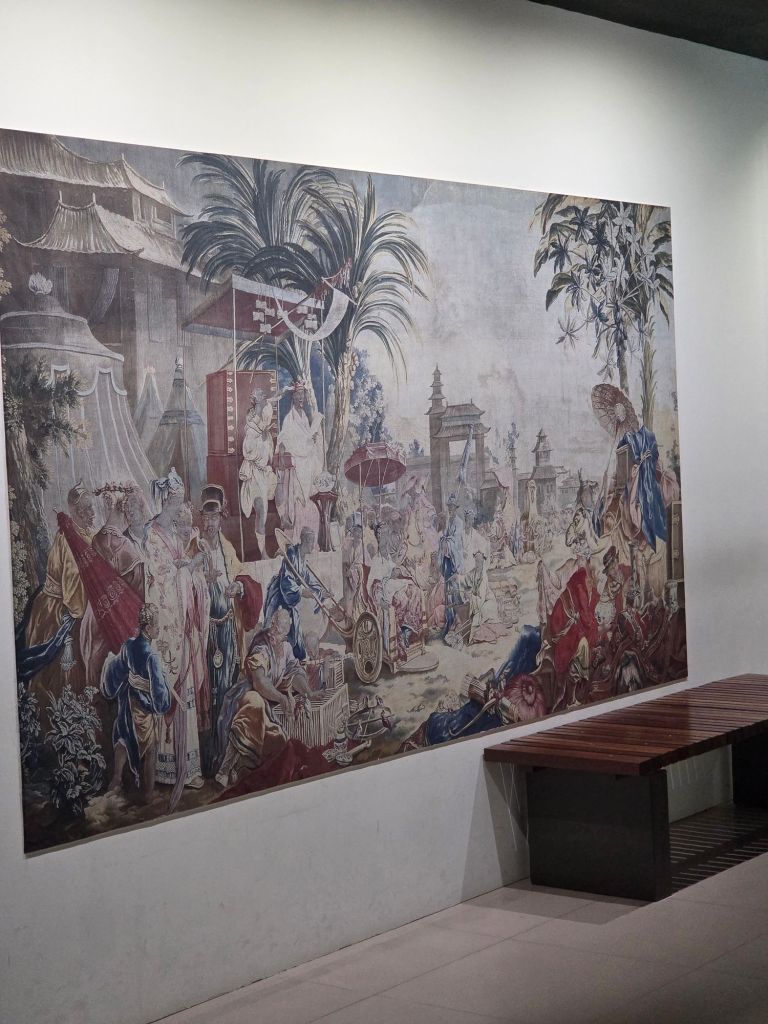
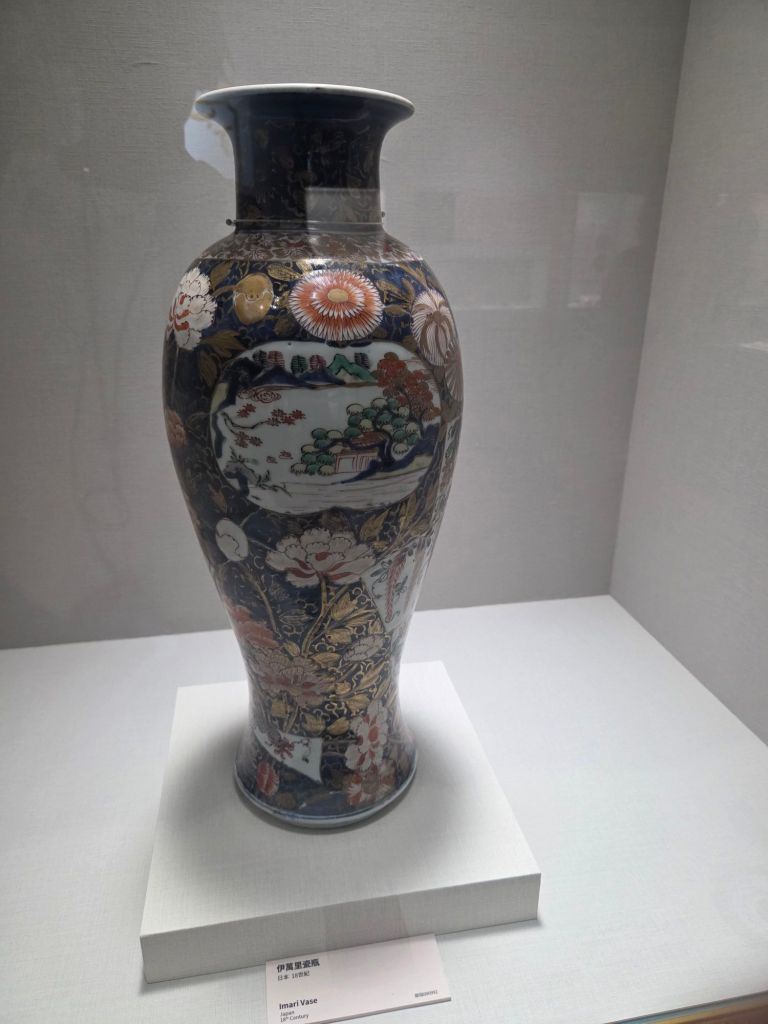
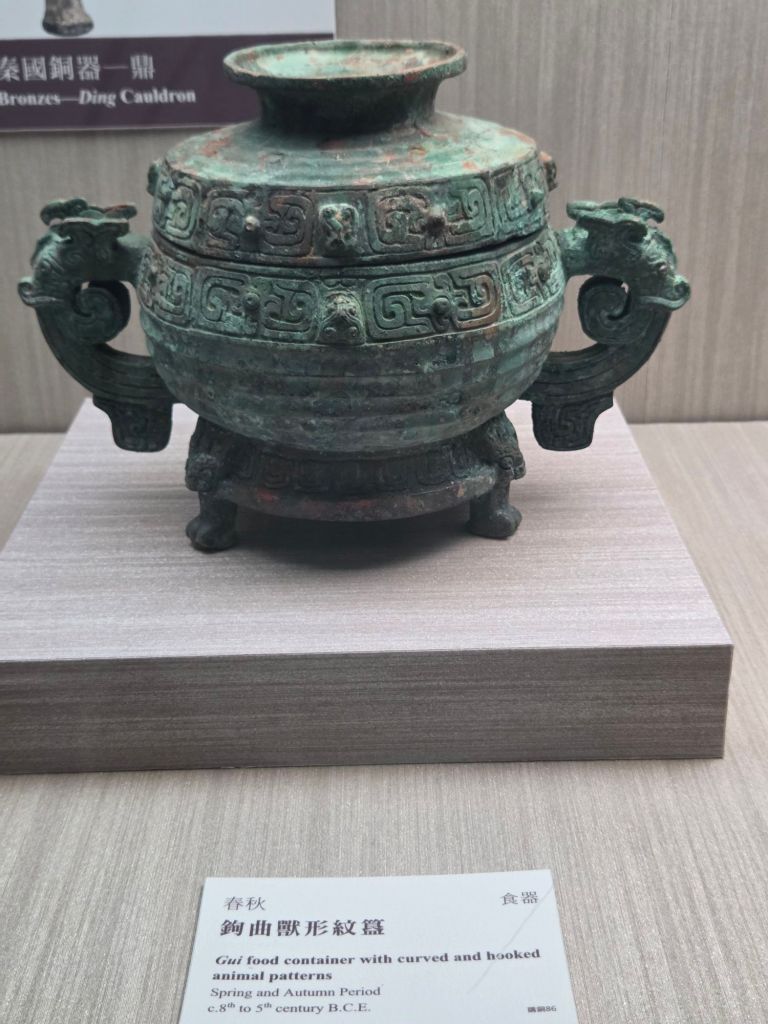
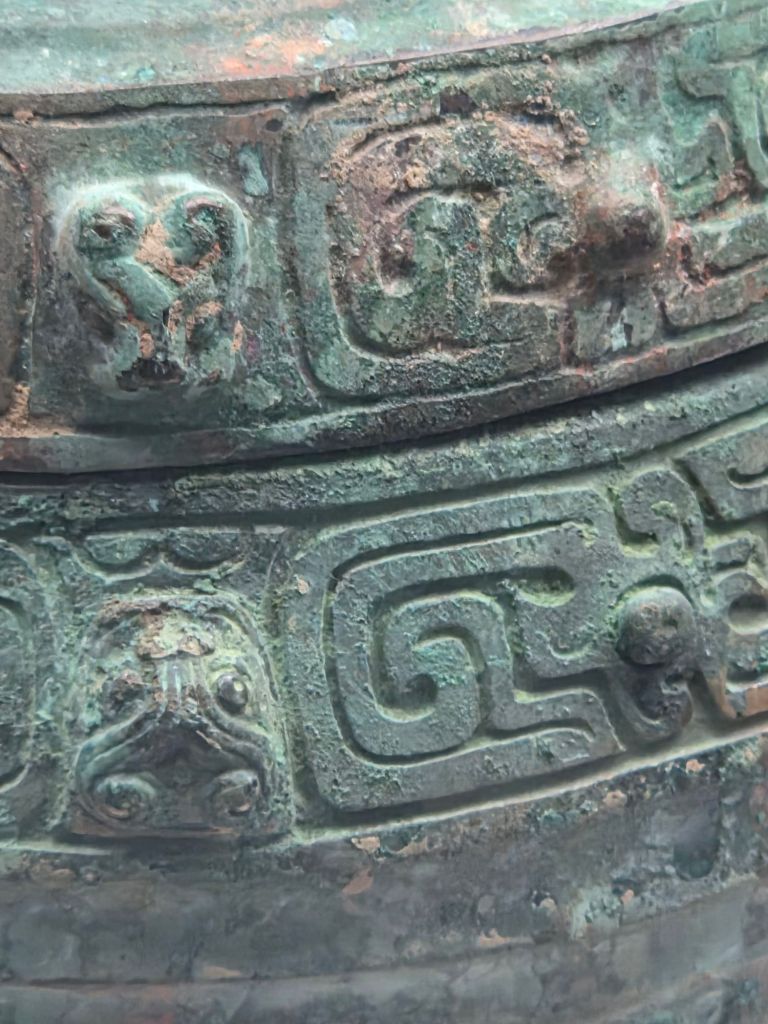
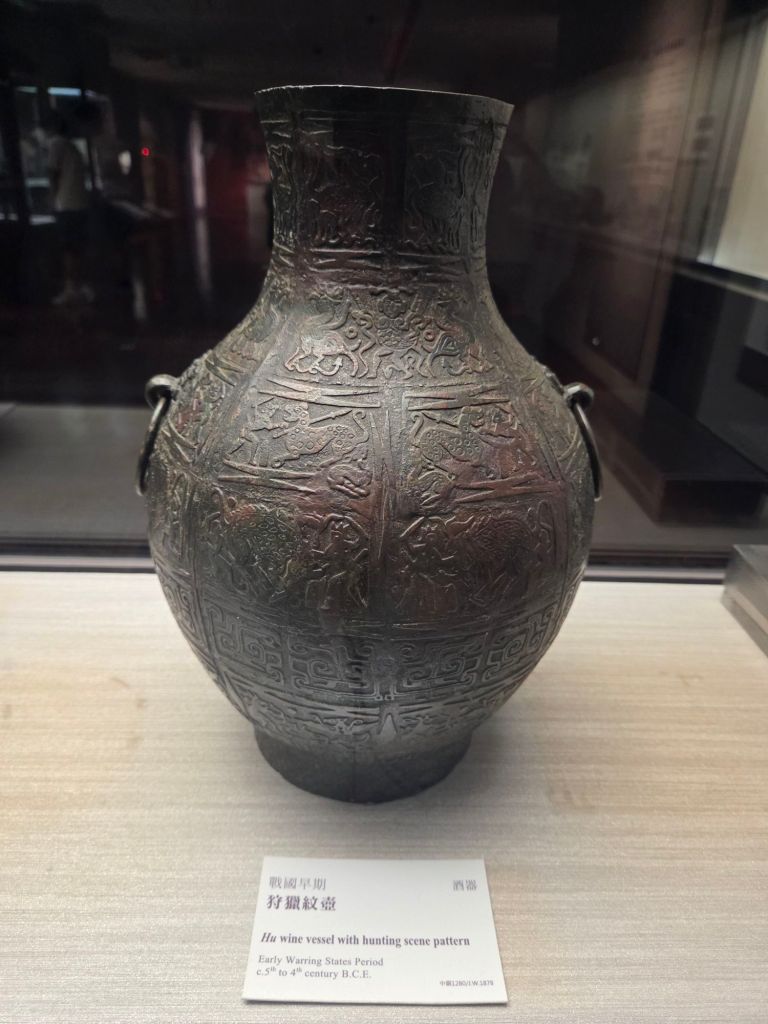
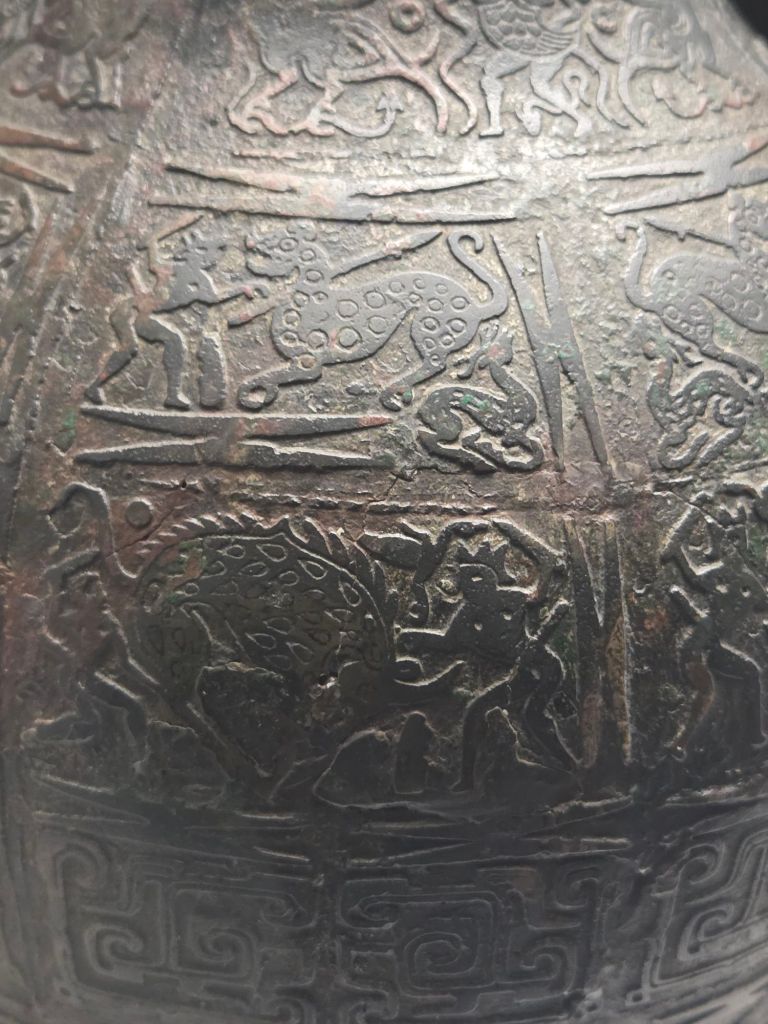
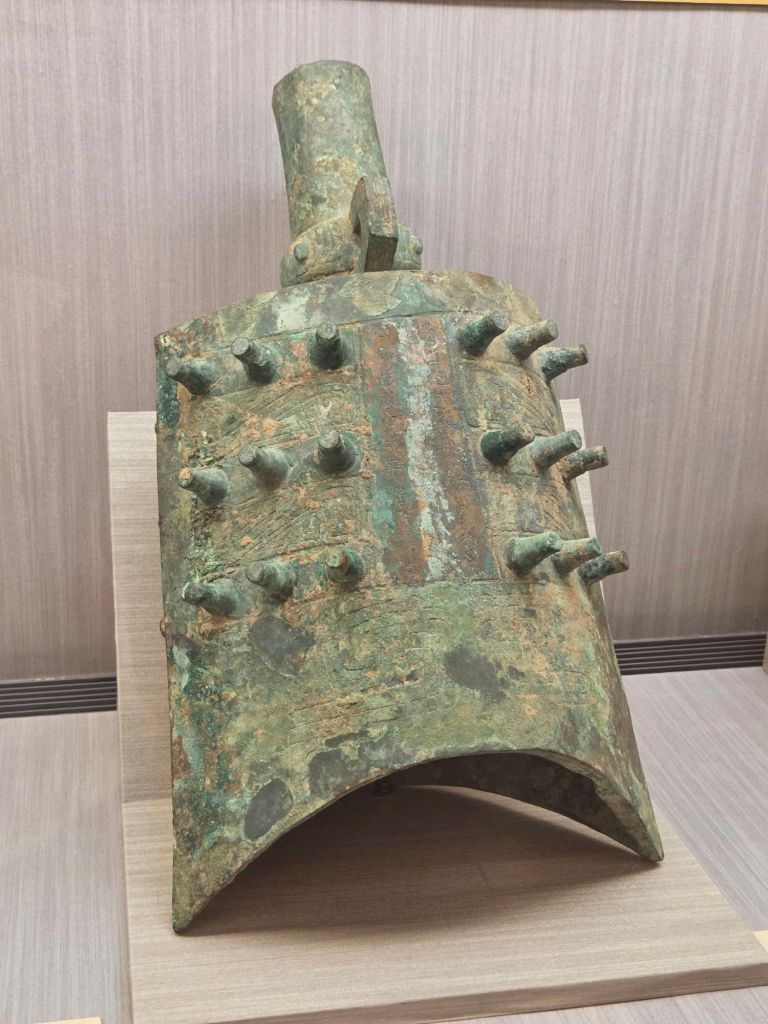
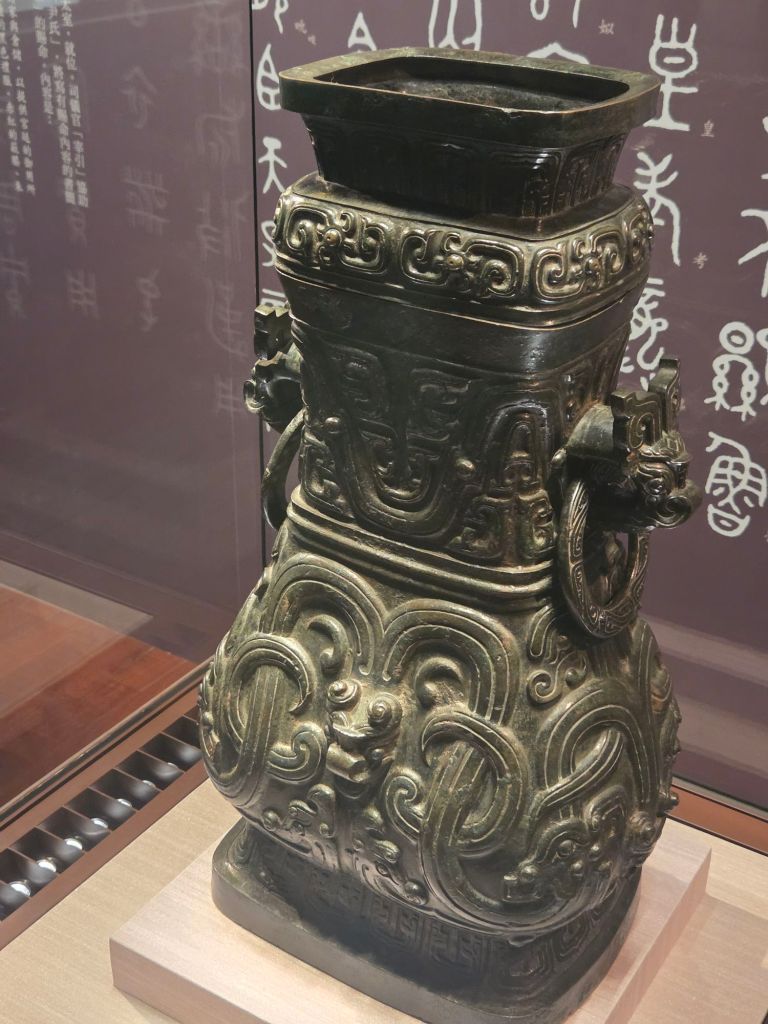
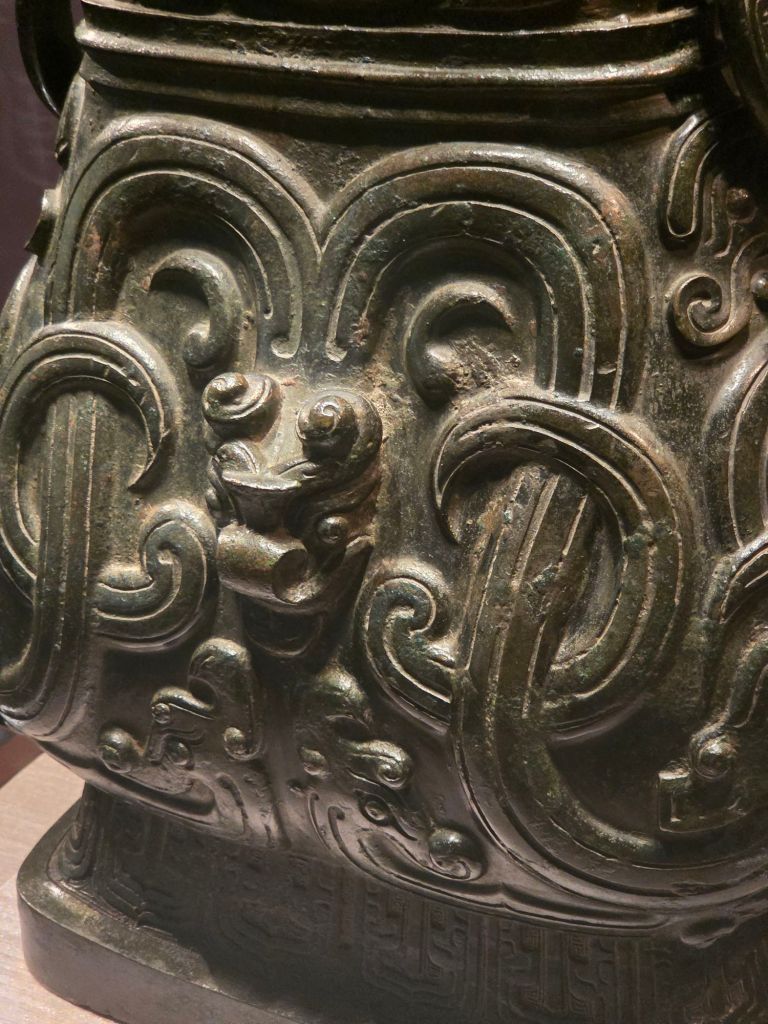
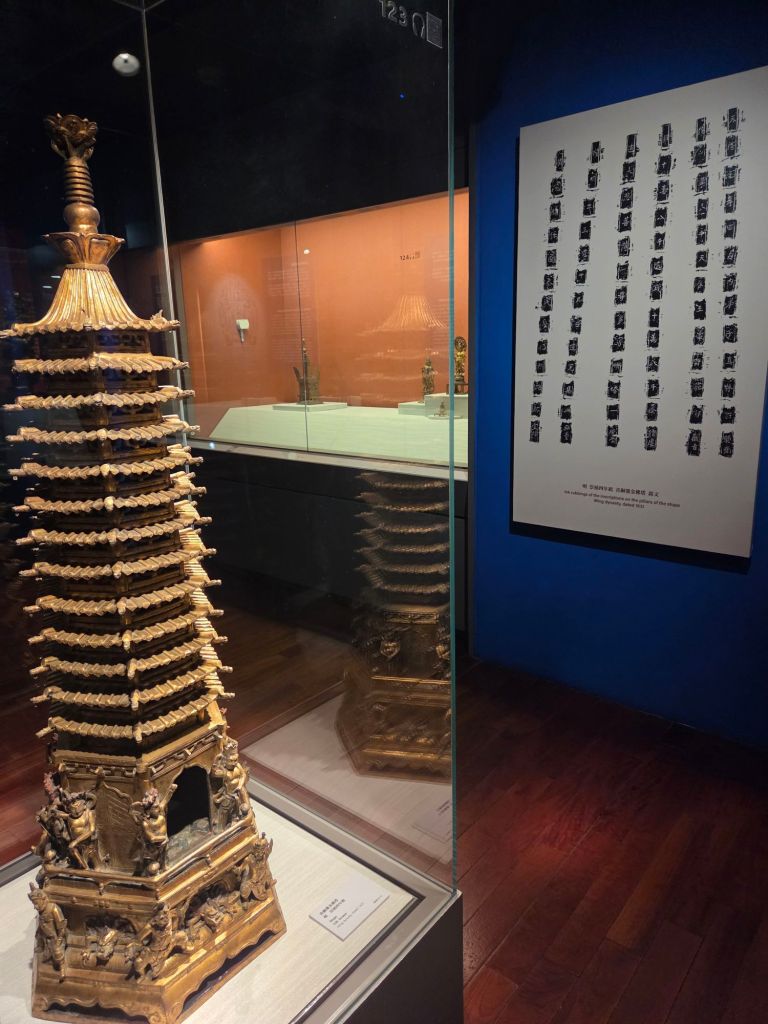
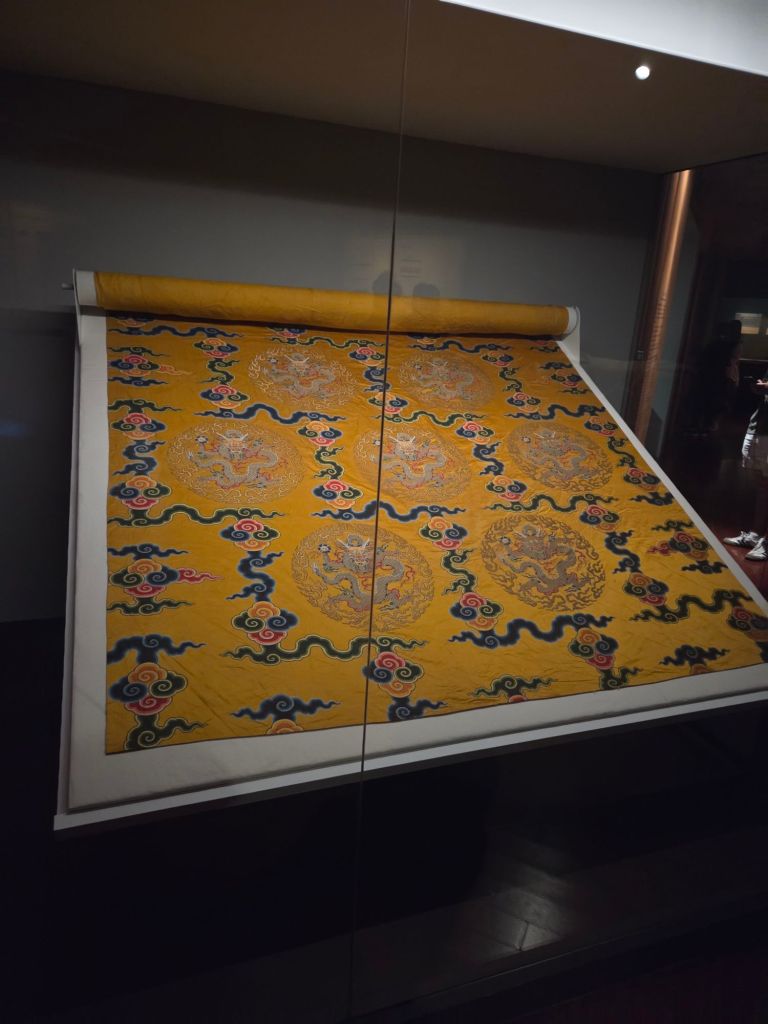
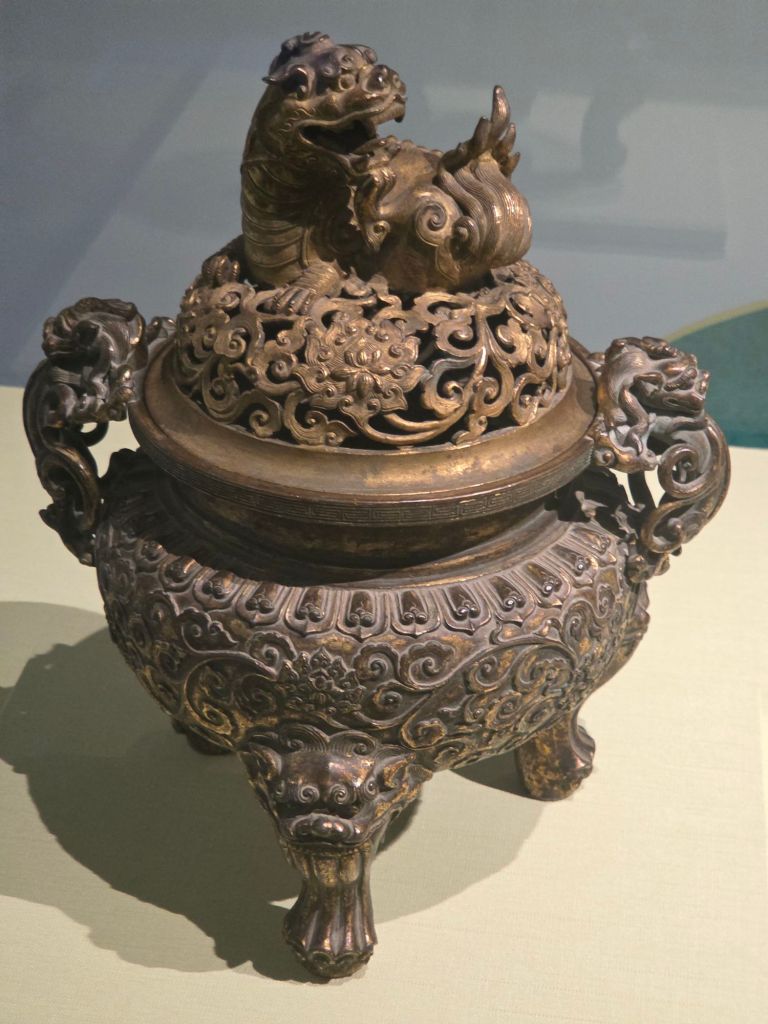
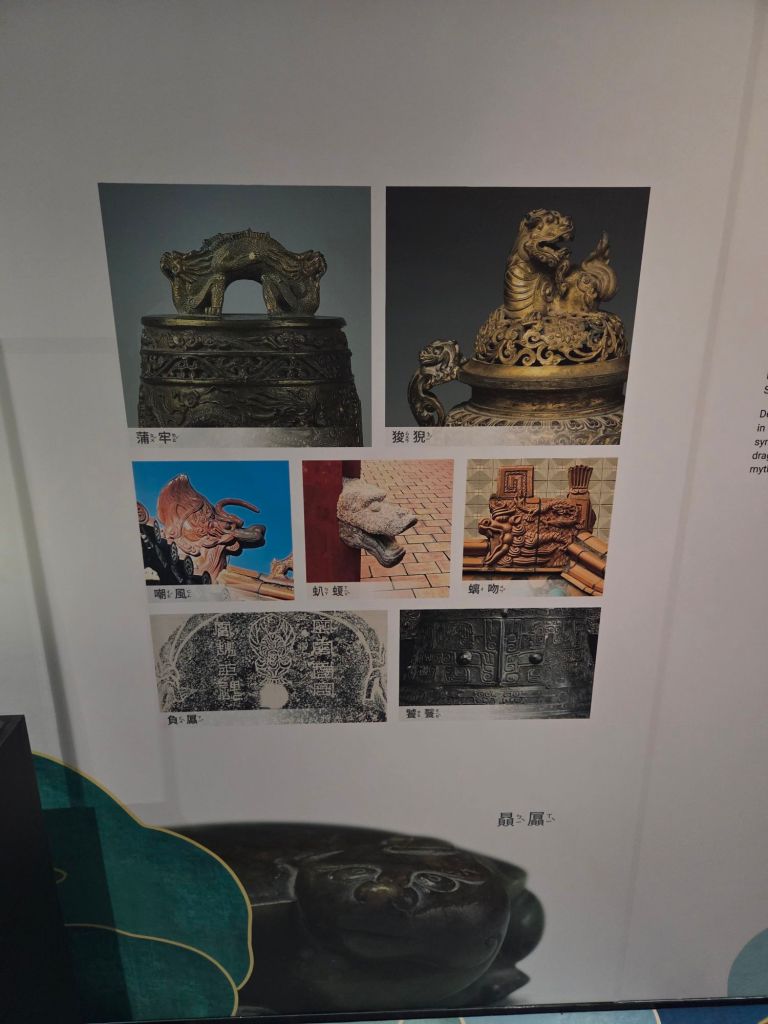
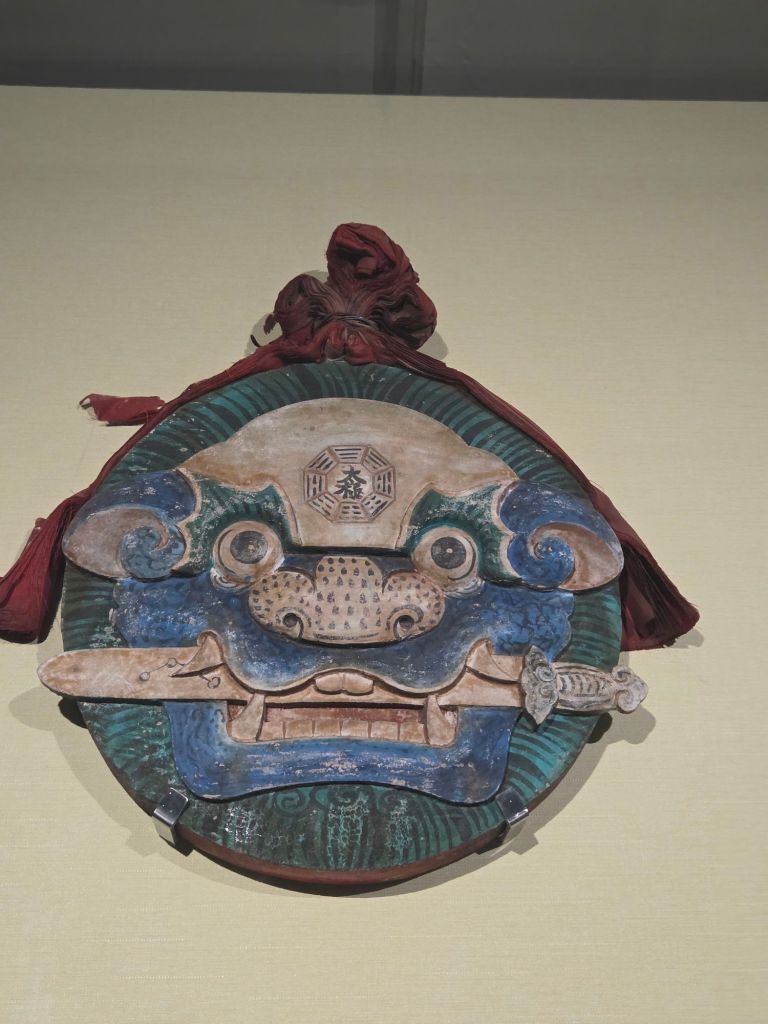
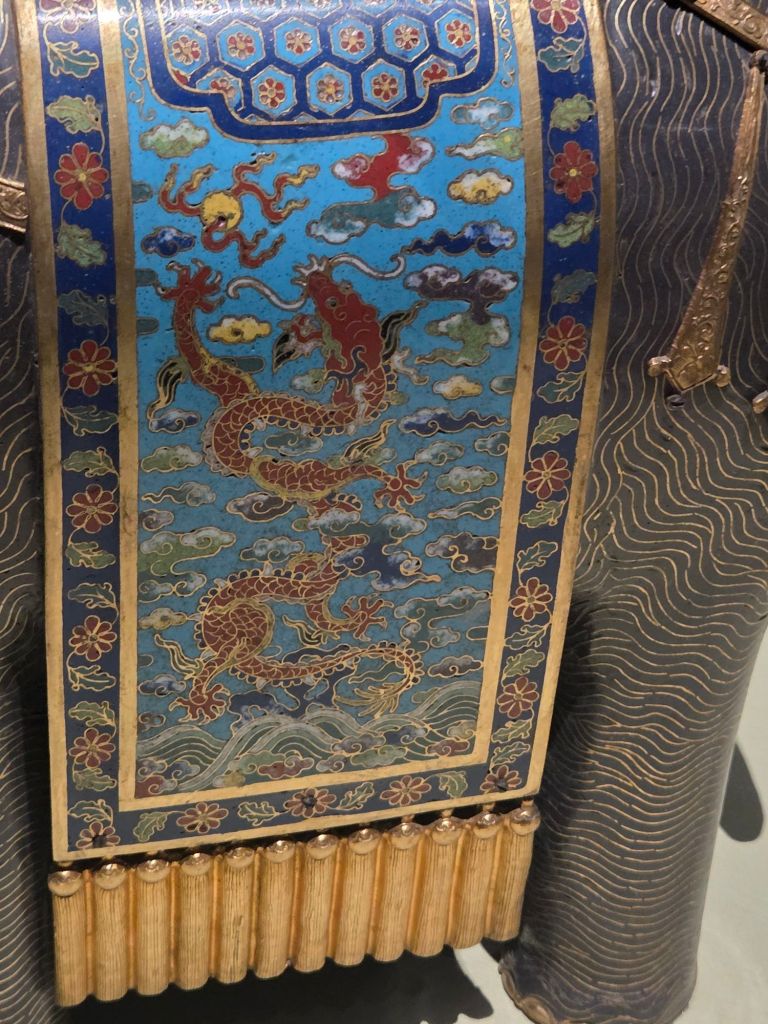
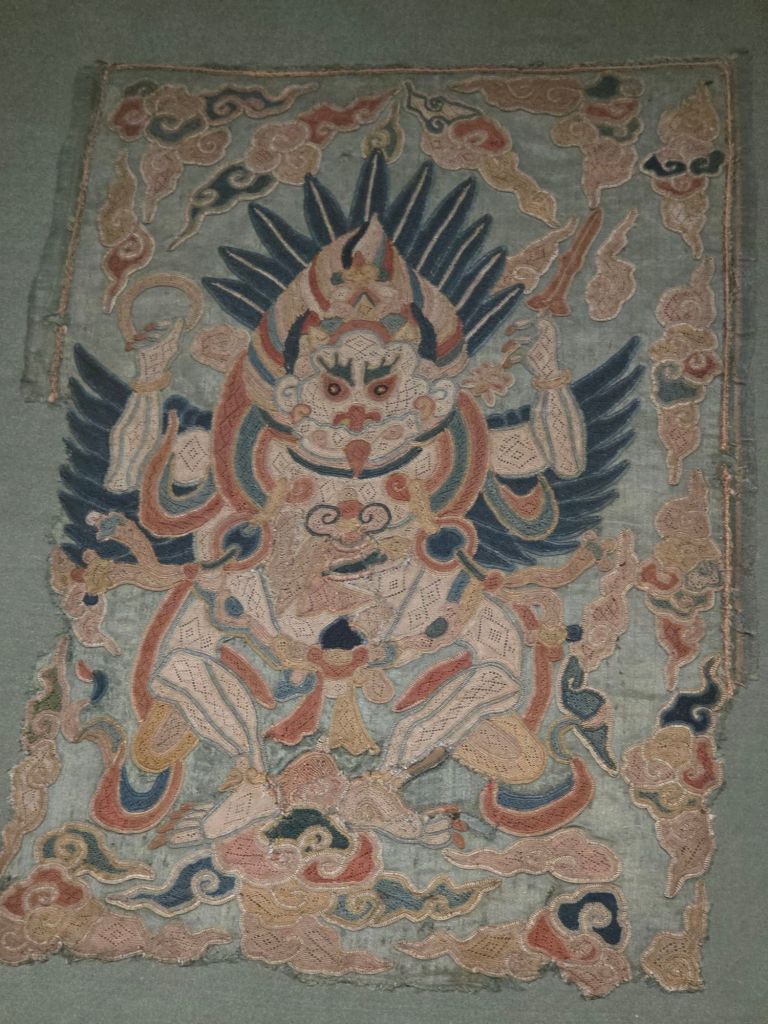
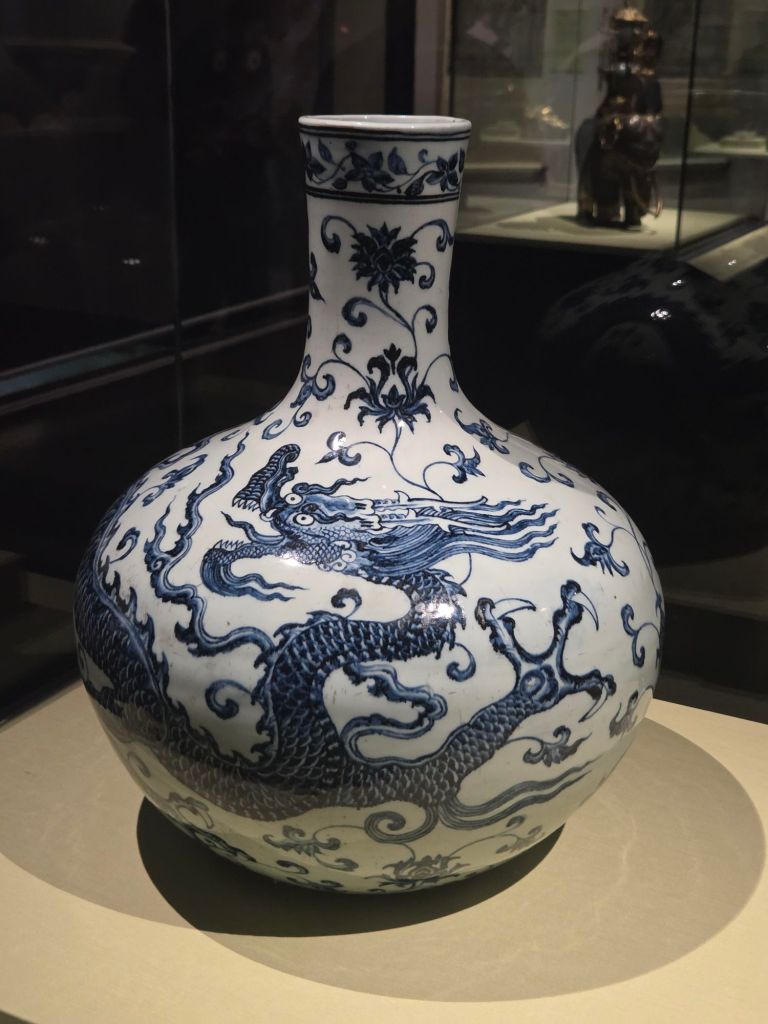
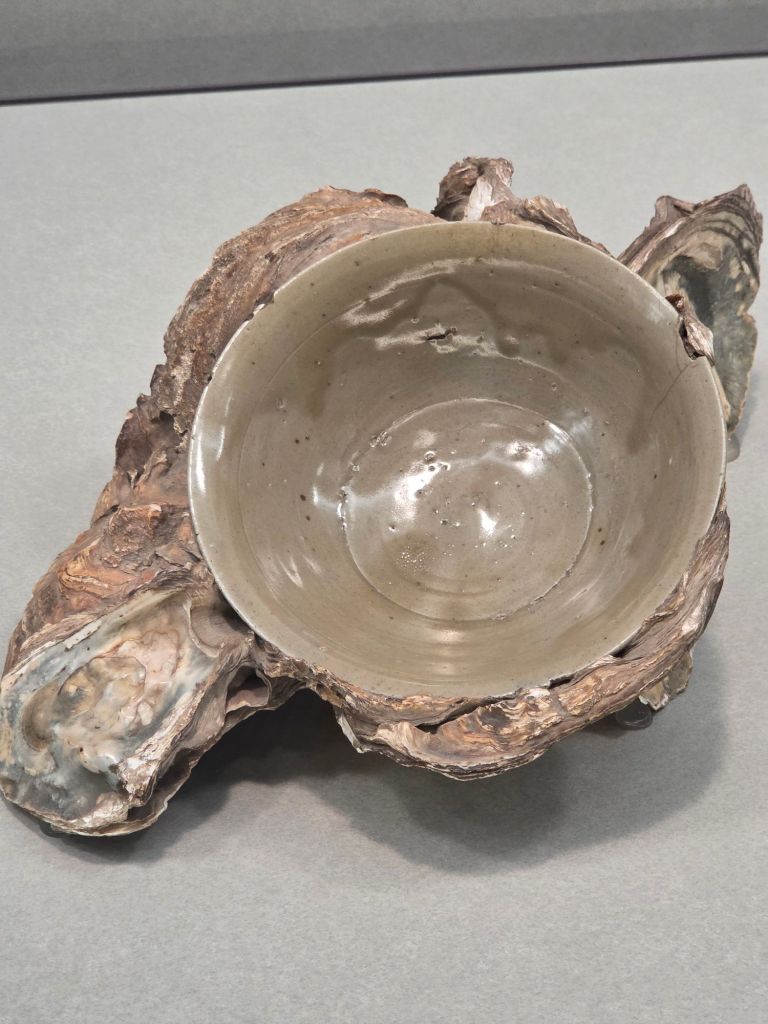
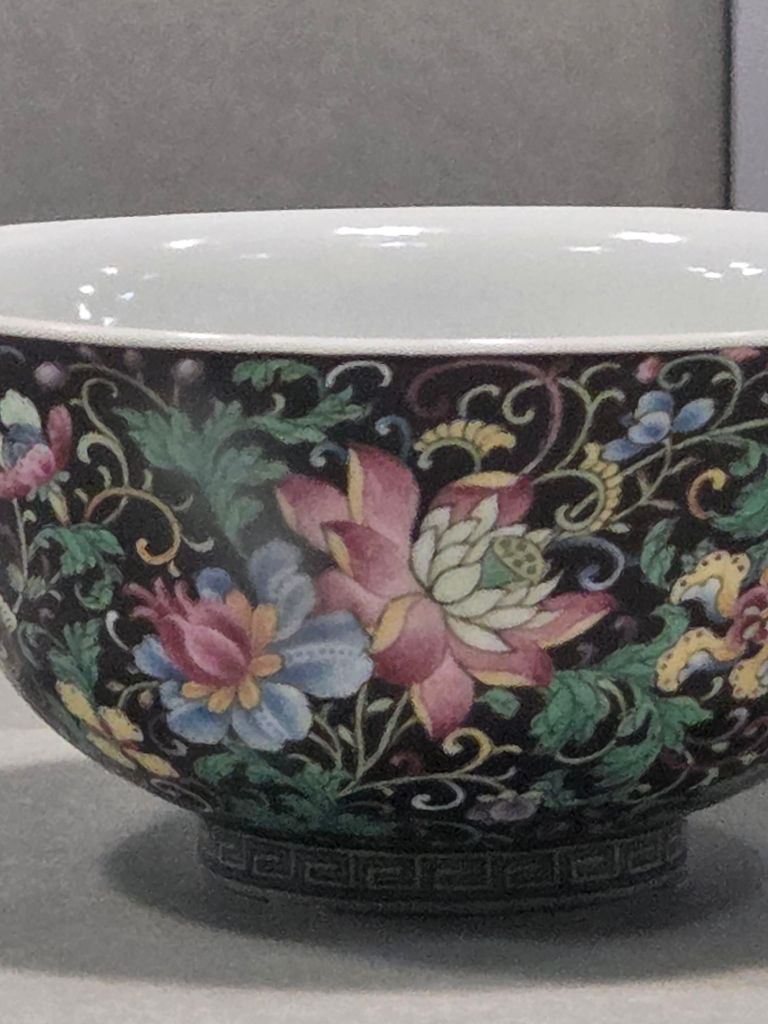
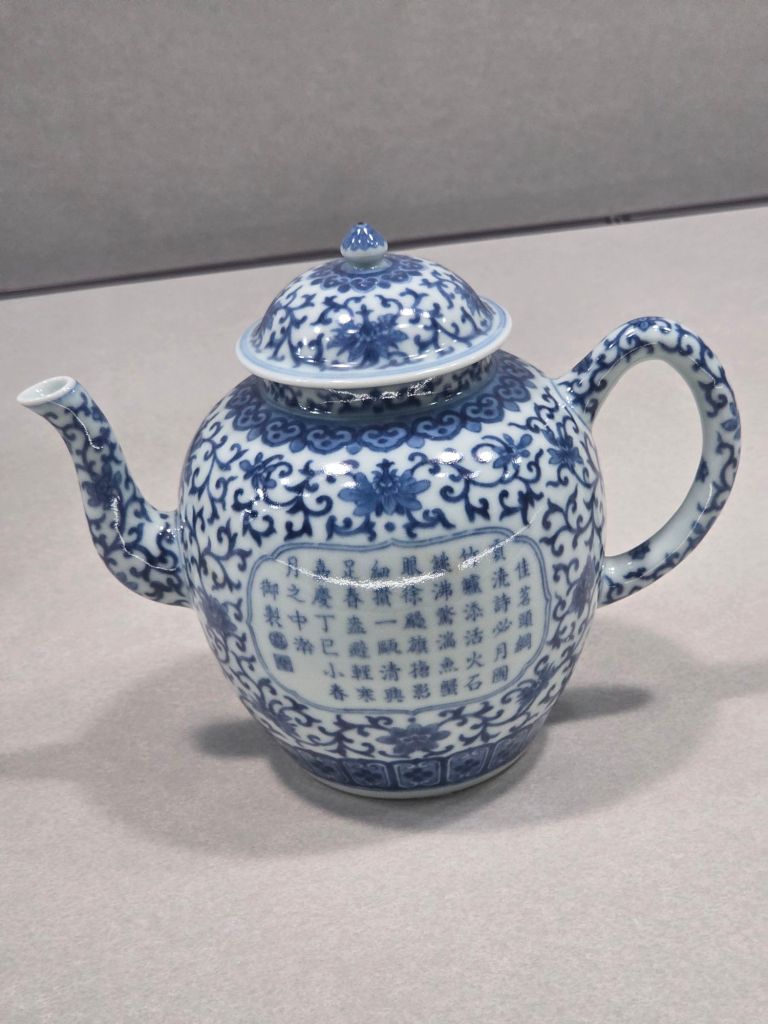
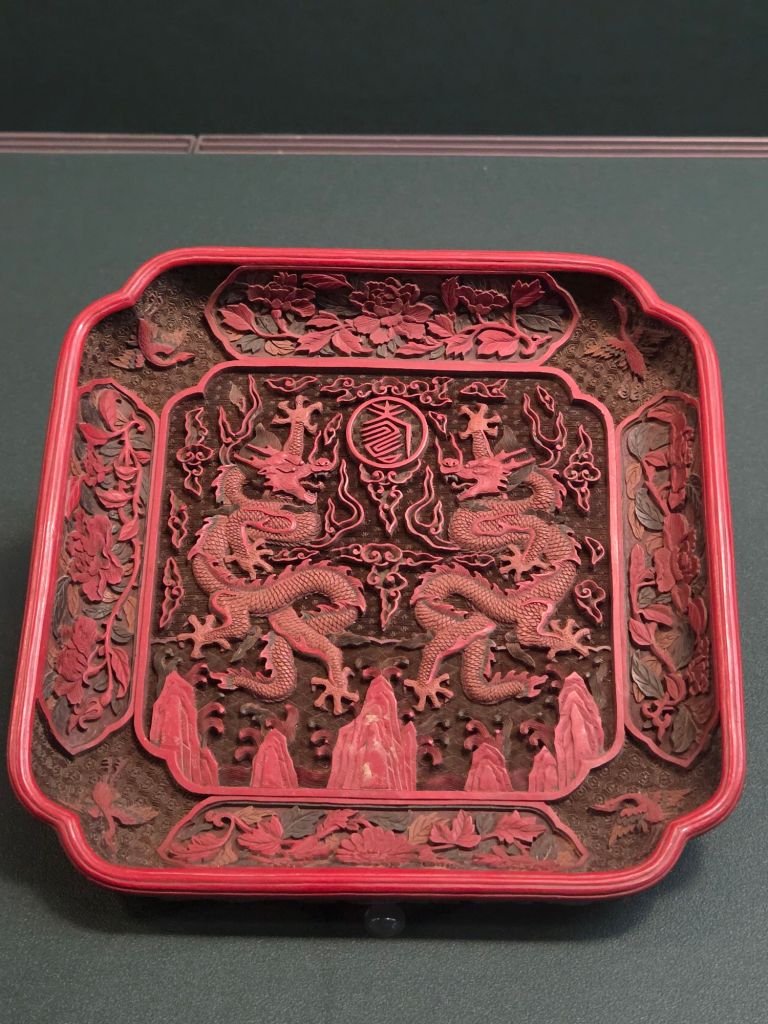
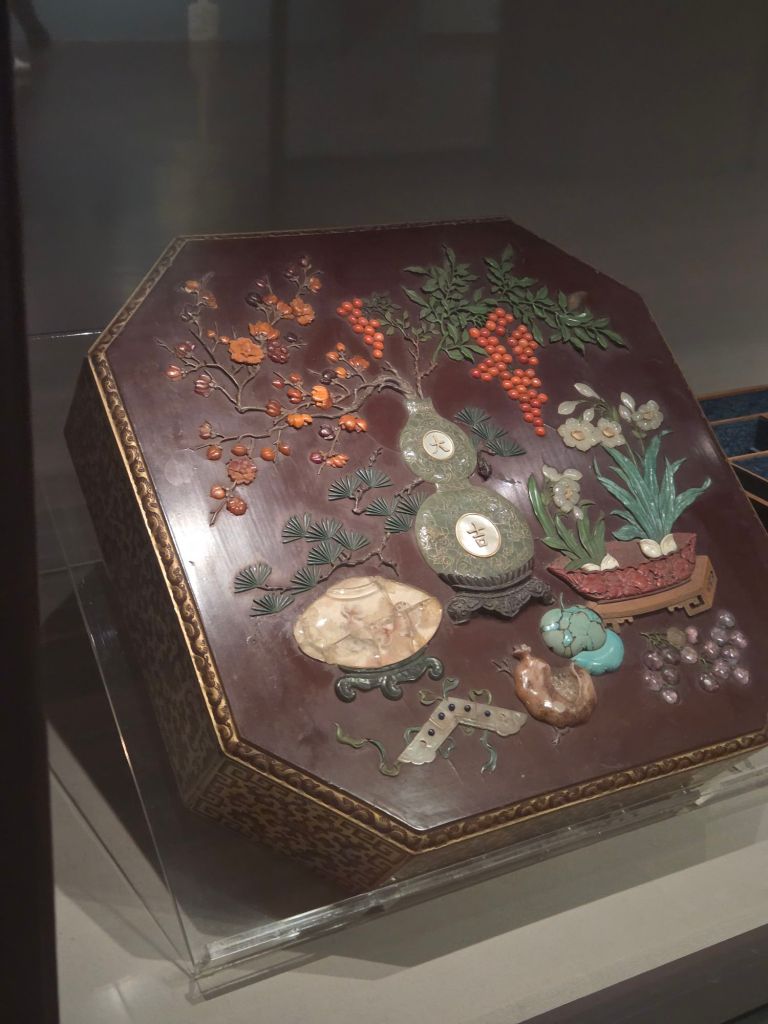
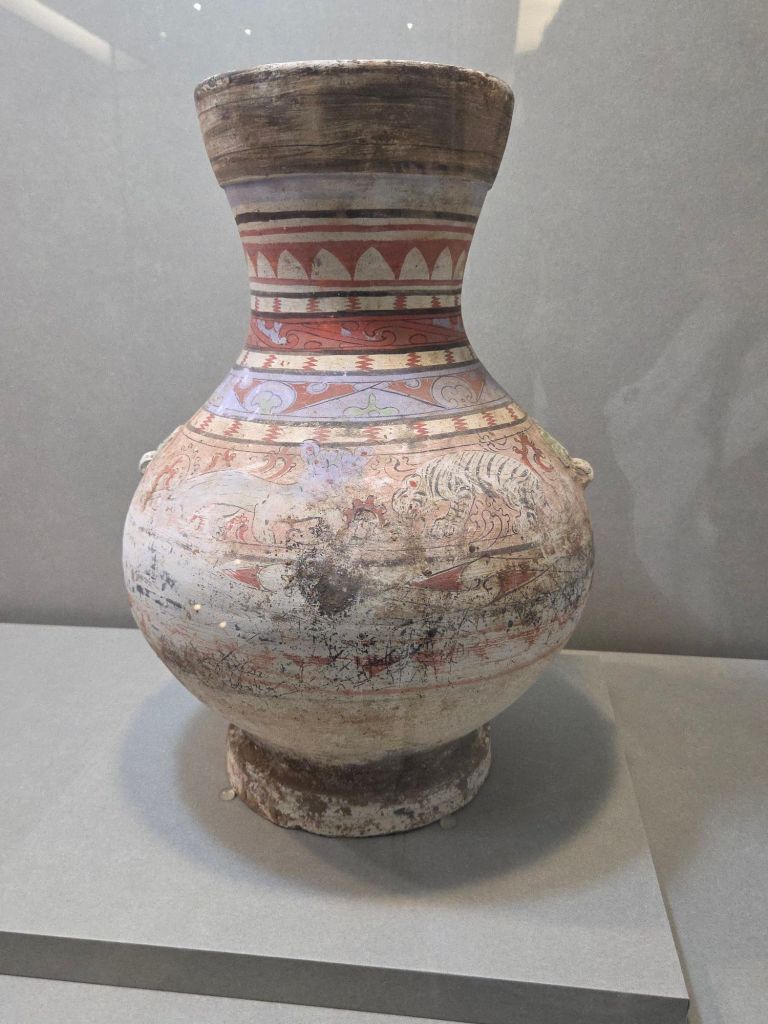
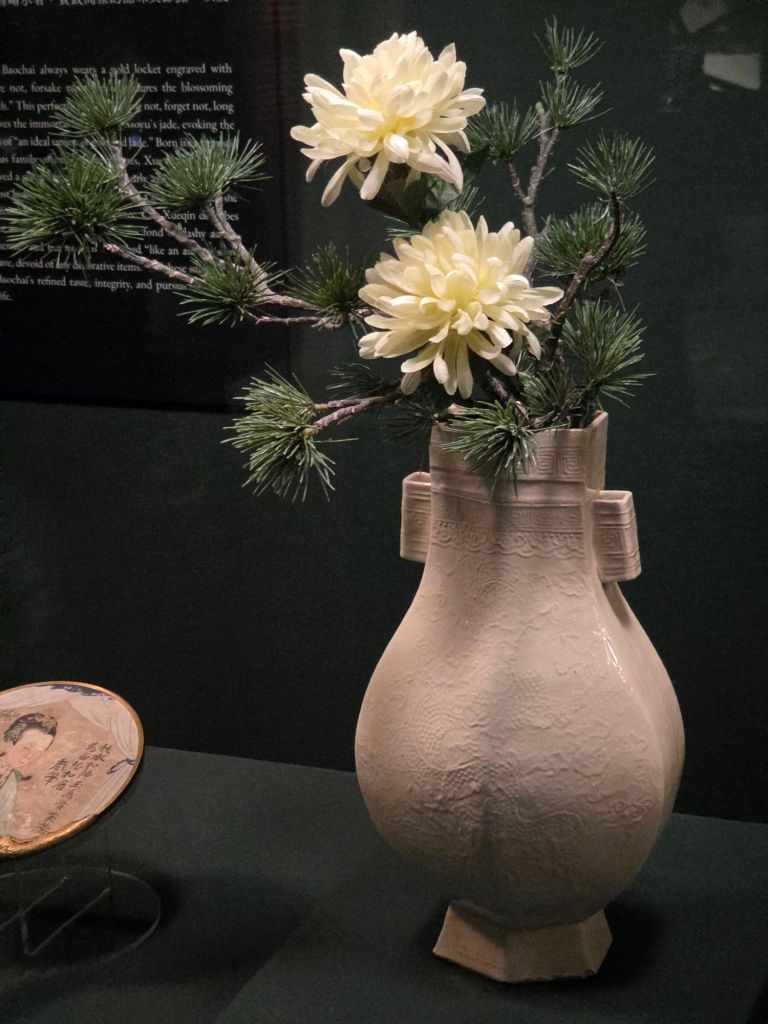
I was also captivated by the tapestries. Their intricate patterns, vibrant colors, and detailed craftsmanship demonstrated an extraordinary level of artistic skill. Another highlight was the pottery and ceremonial vessels. I was amazed by the precision and beauty of the designs, especially considering that many of these pieces were created centuries ago.
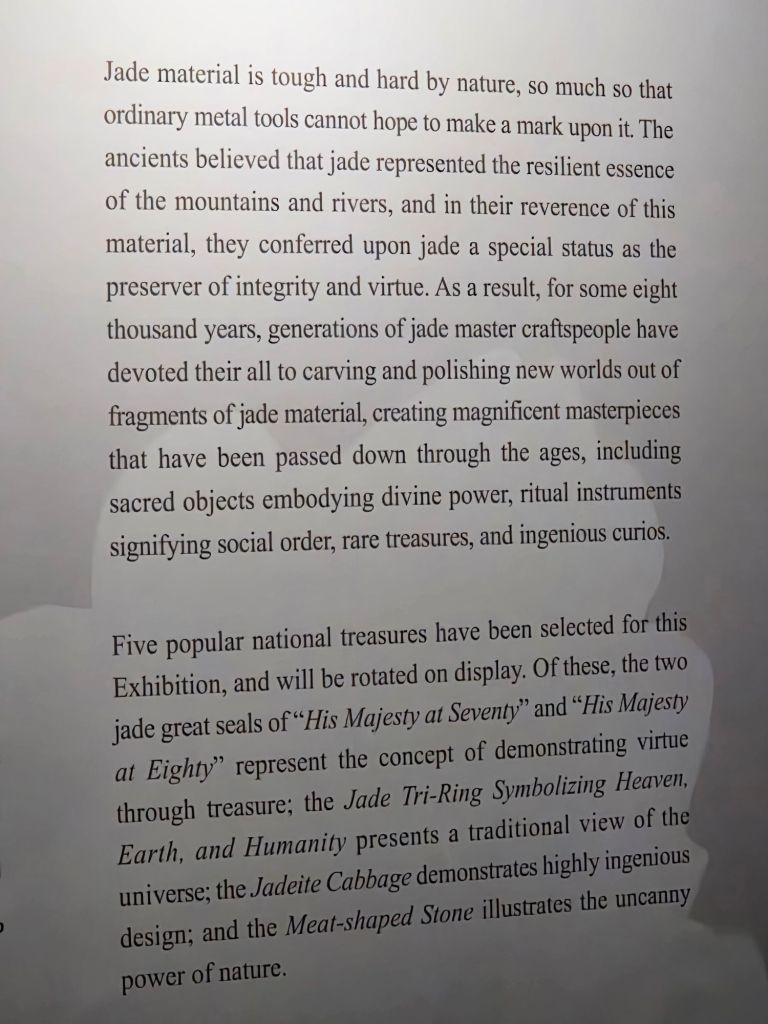
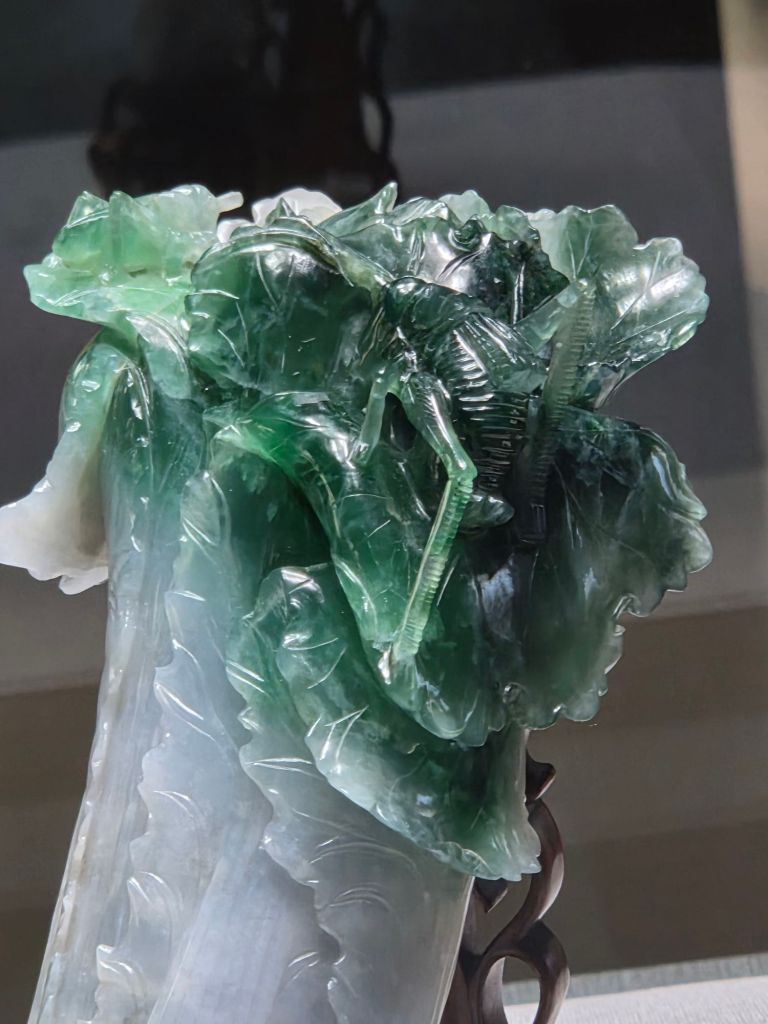
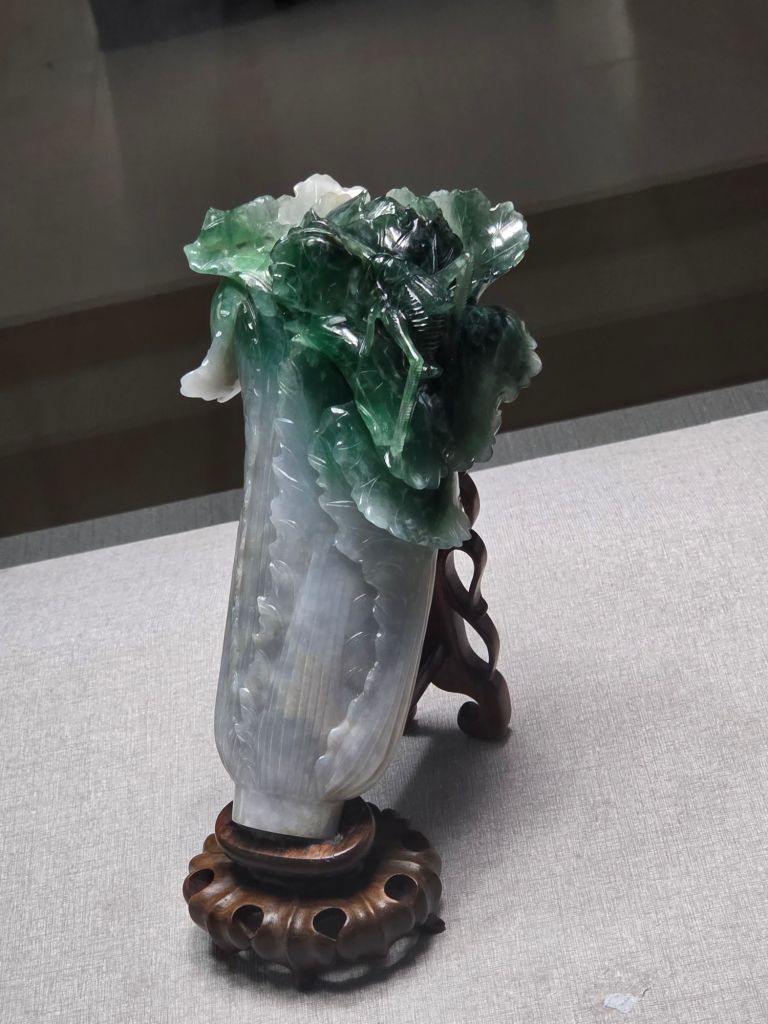
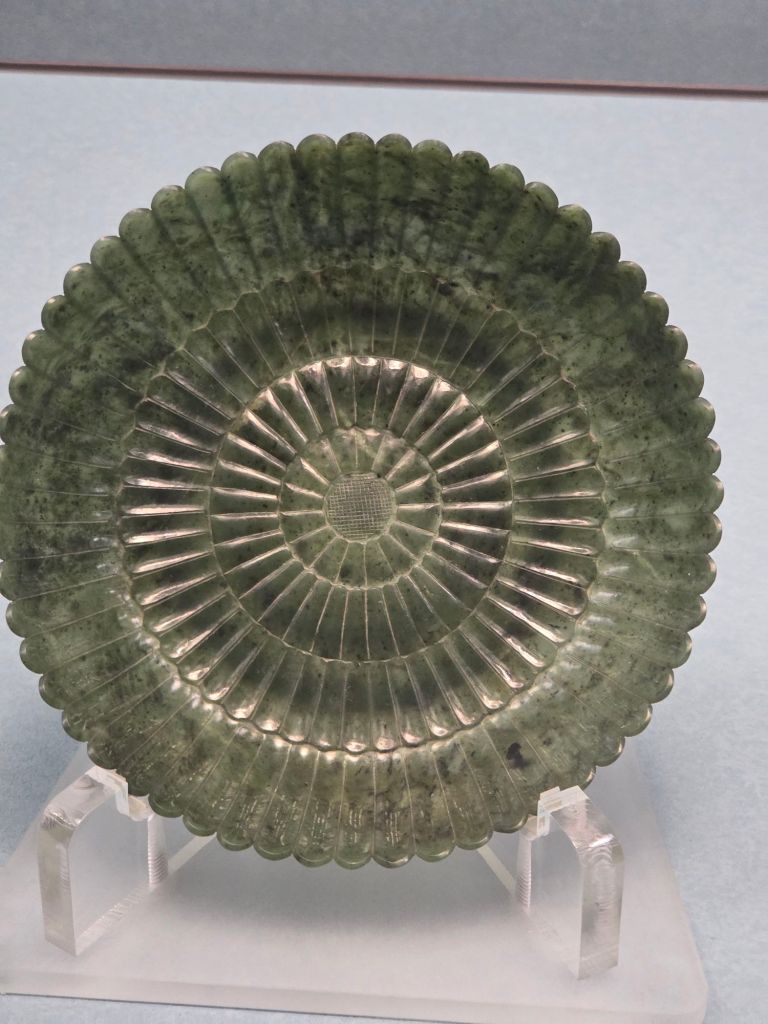
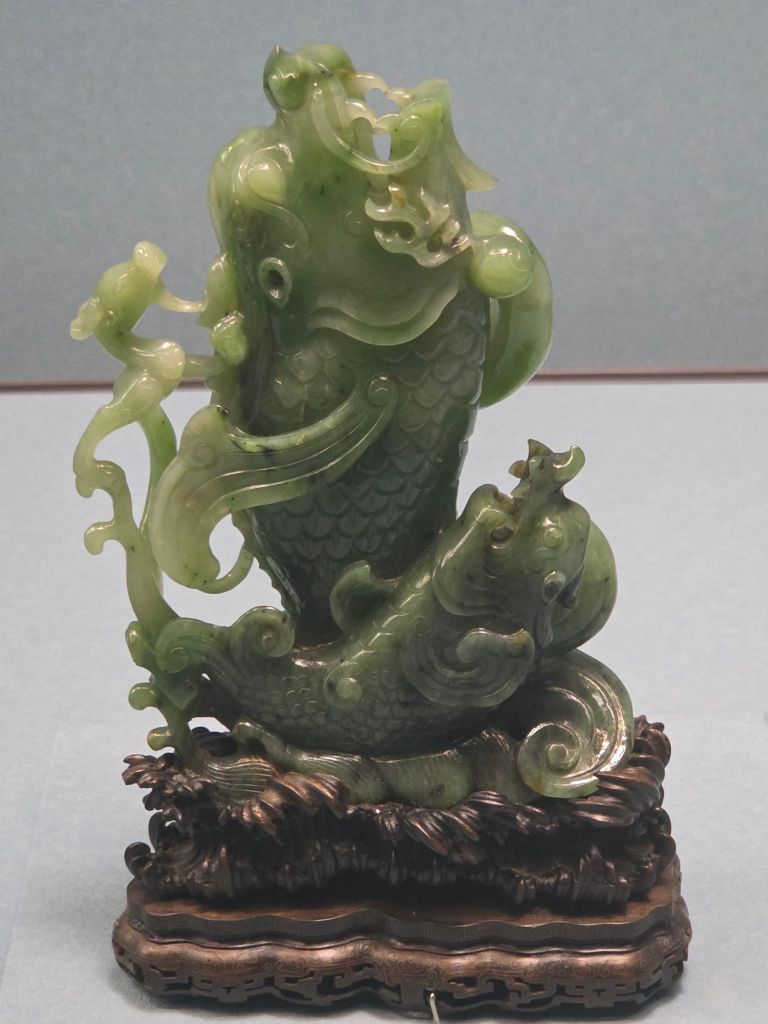
The jade collection was breathtaking. Like many visitors, I waited in line to see the museum’s famous jade cabbage, and it was well worth it. The intricate carving transformed a single piece of jade into something that looked remarkably lifelike, demonstrating the incredible talent of the artisans who created it.
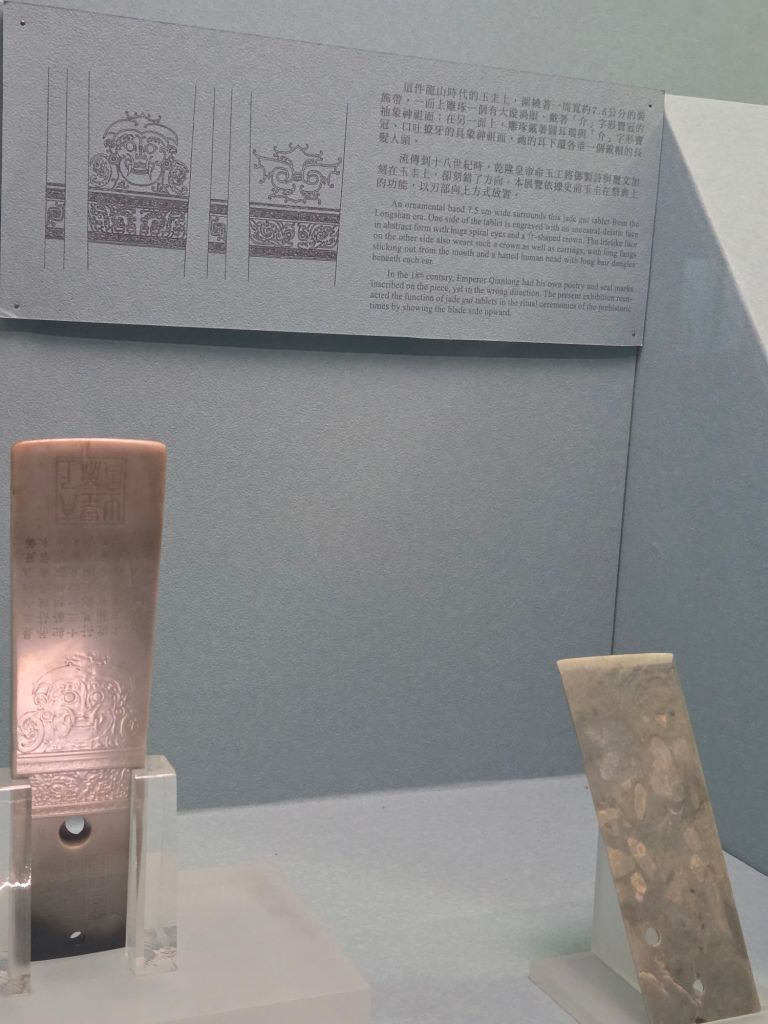
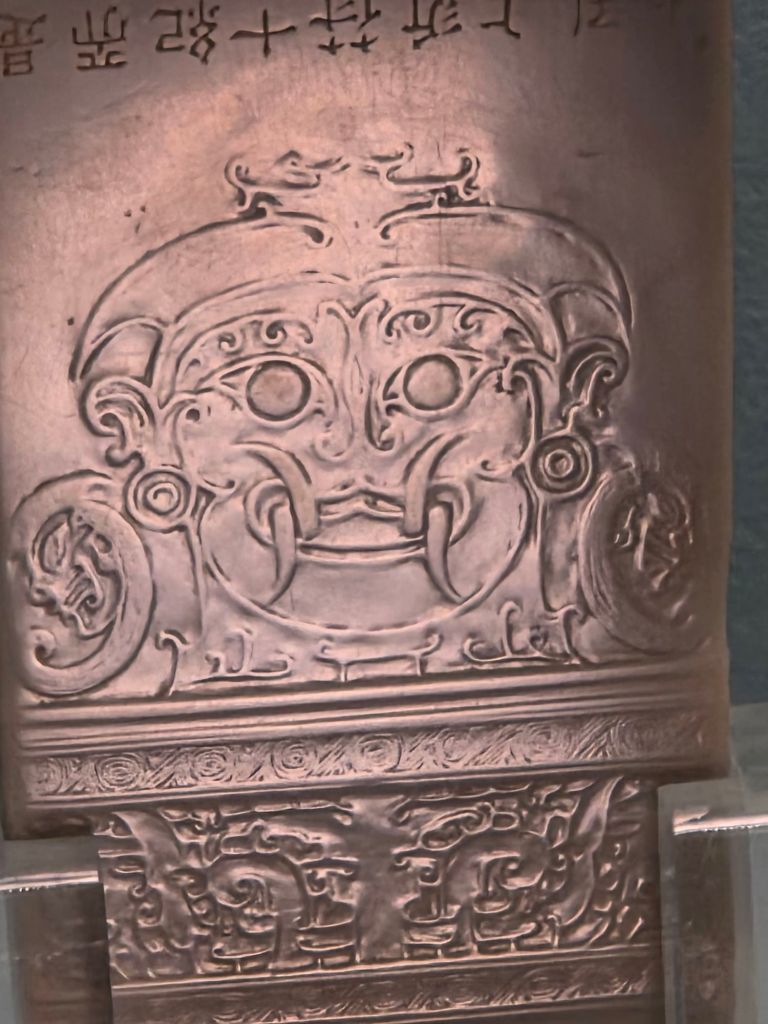
Beyond the beauty of the artifacts, I left with a deeper appreciation for the power of preserving history. The museum houses nearly 700,000 objects, representing centuries of artistic achievement, political change, cultural exchange, and human creativity. Walking through its galleries helped me better understand how Chinese civilization has influenced the region and how Taiwan has preserved these treasures for people from around the world to experience.
This was more than a museum visit—it was a journey through history, art, literature, and culture. I left inspired by the enduring legacy of those who created these masterpieces and grateful for the opportunity to experience one of the world’s great museum collections firsthand.

 Shawnette Brown