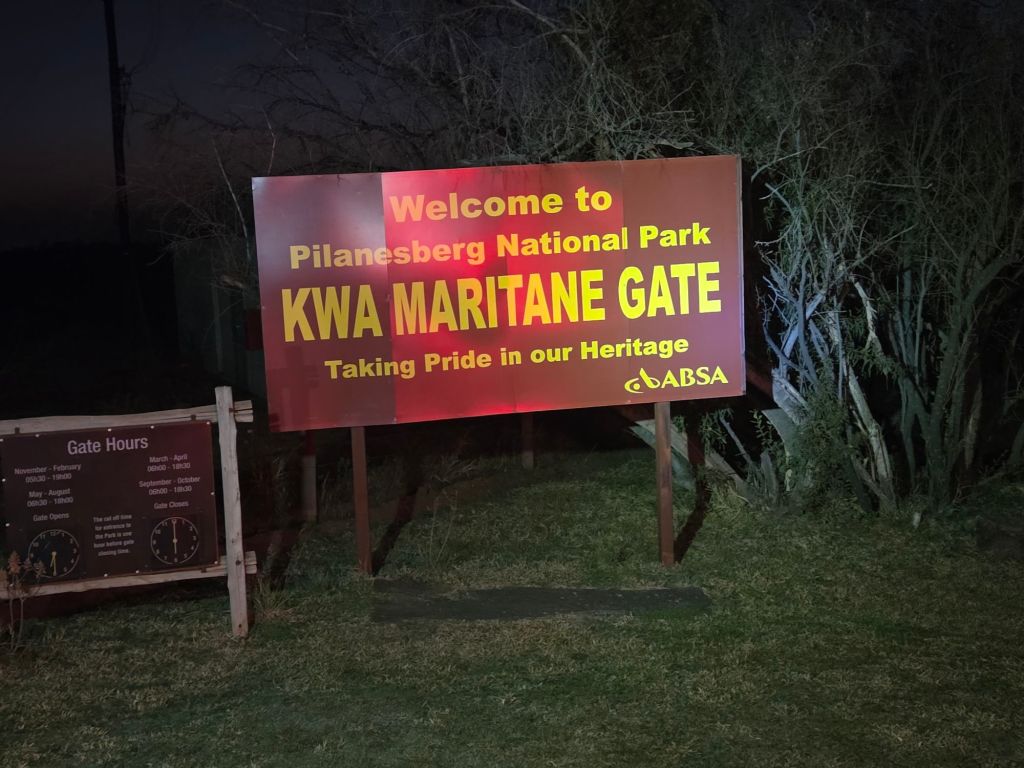
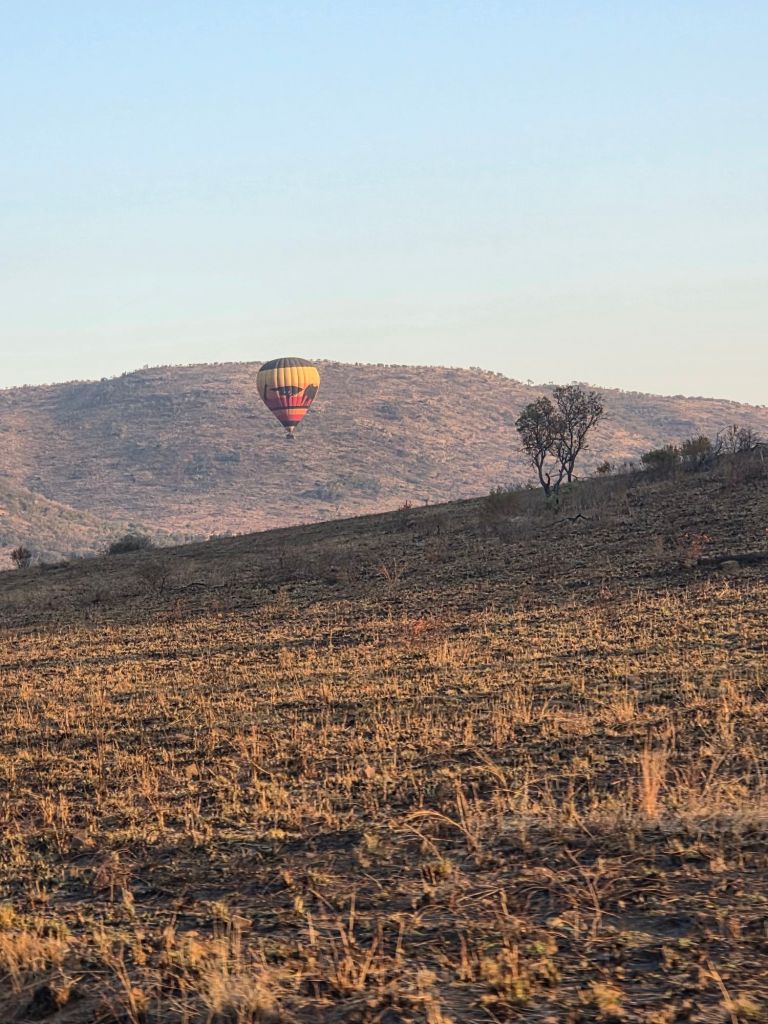
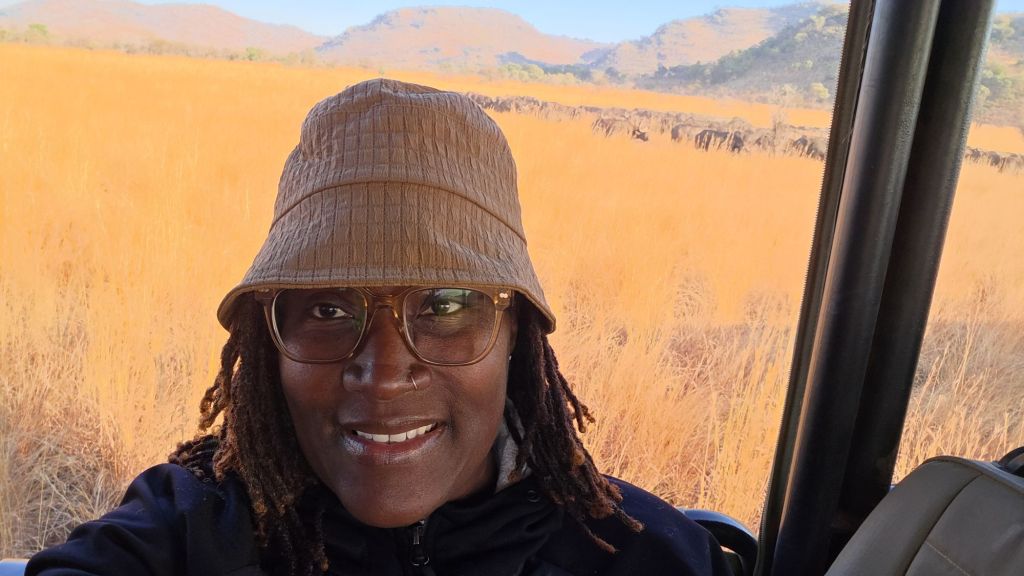
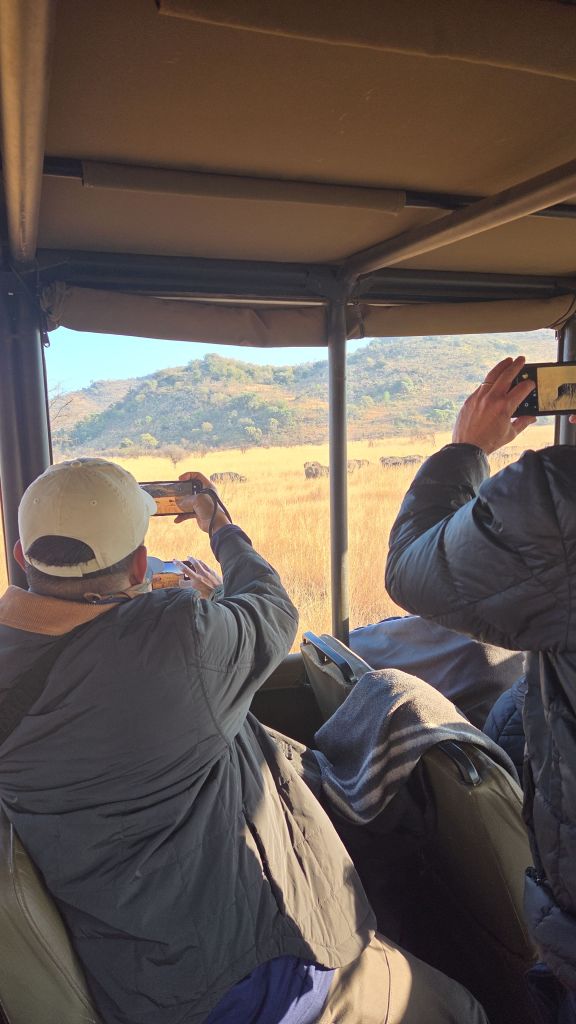
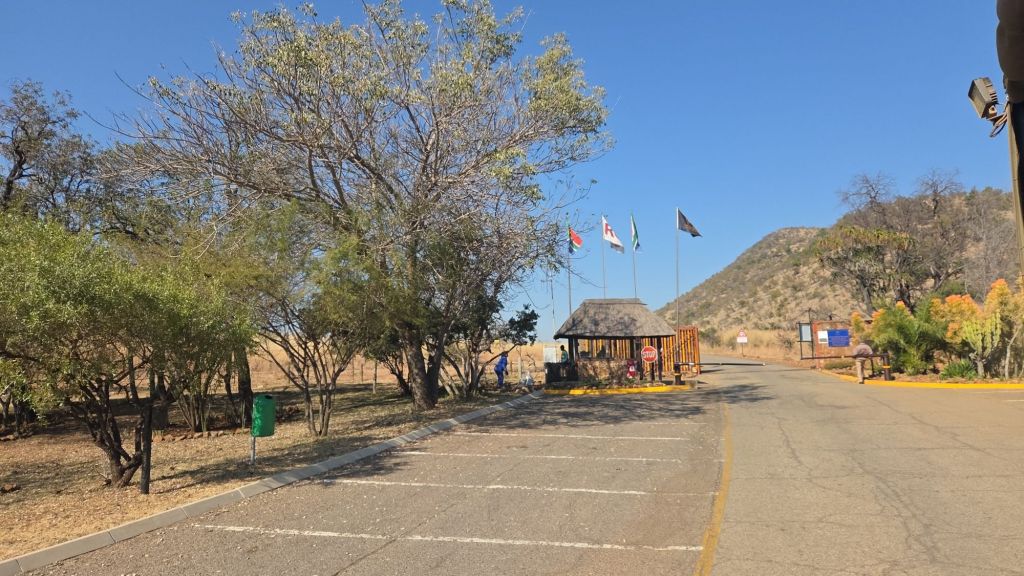
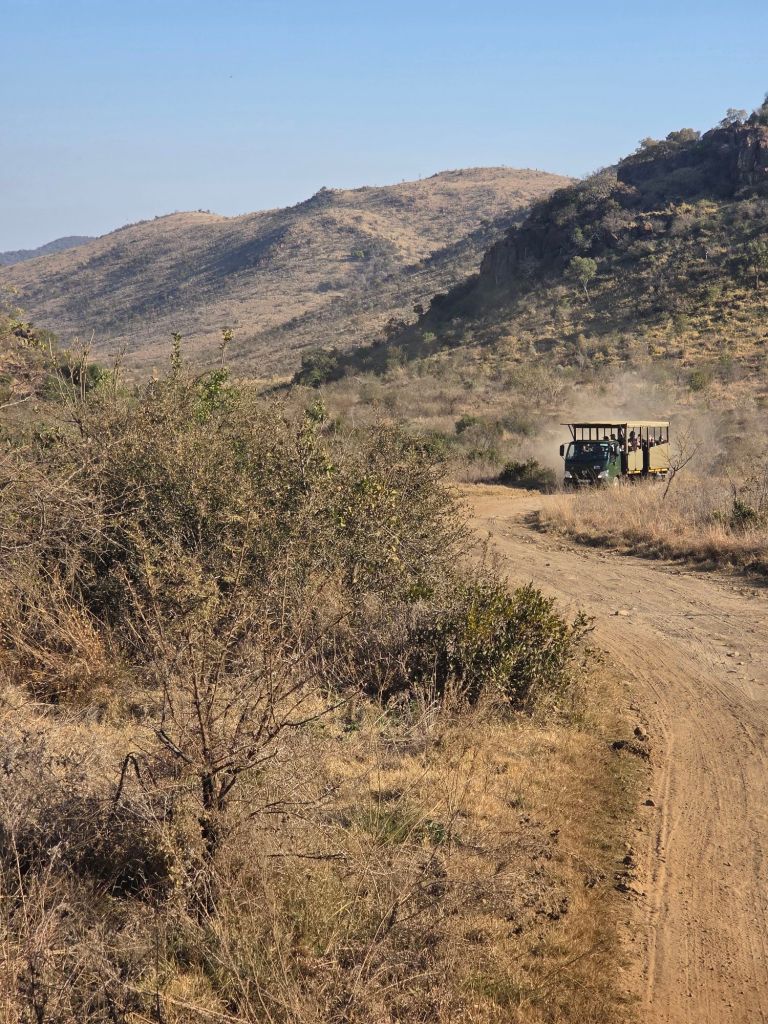
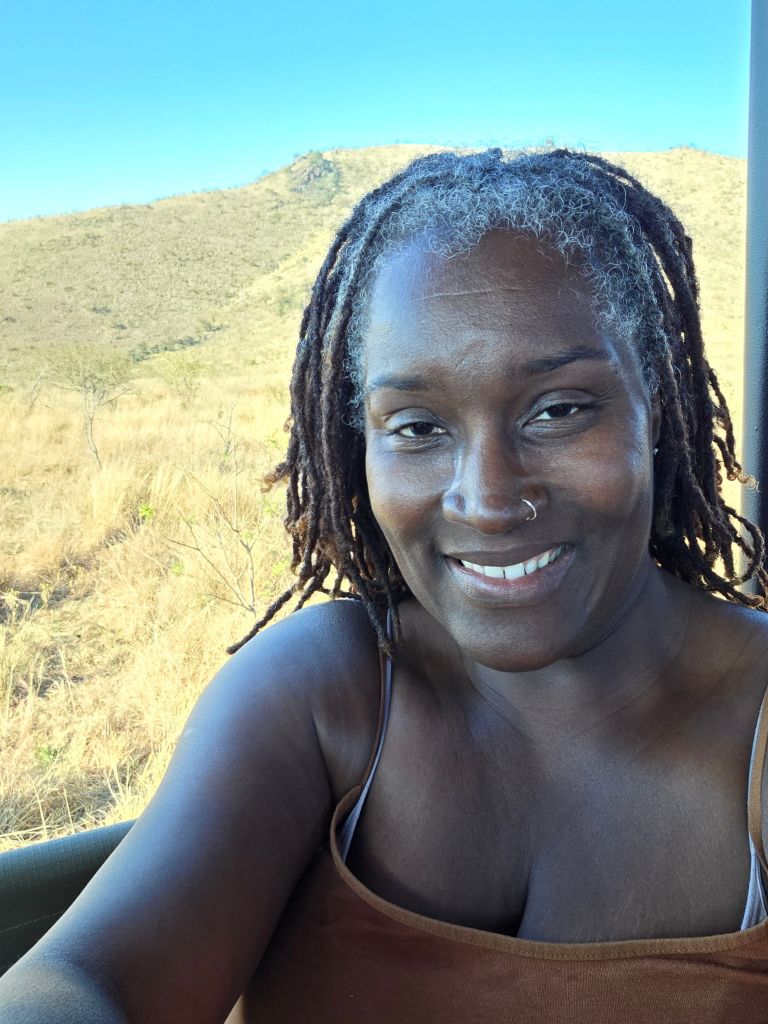
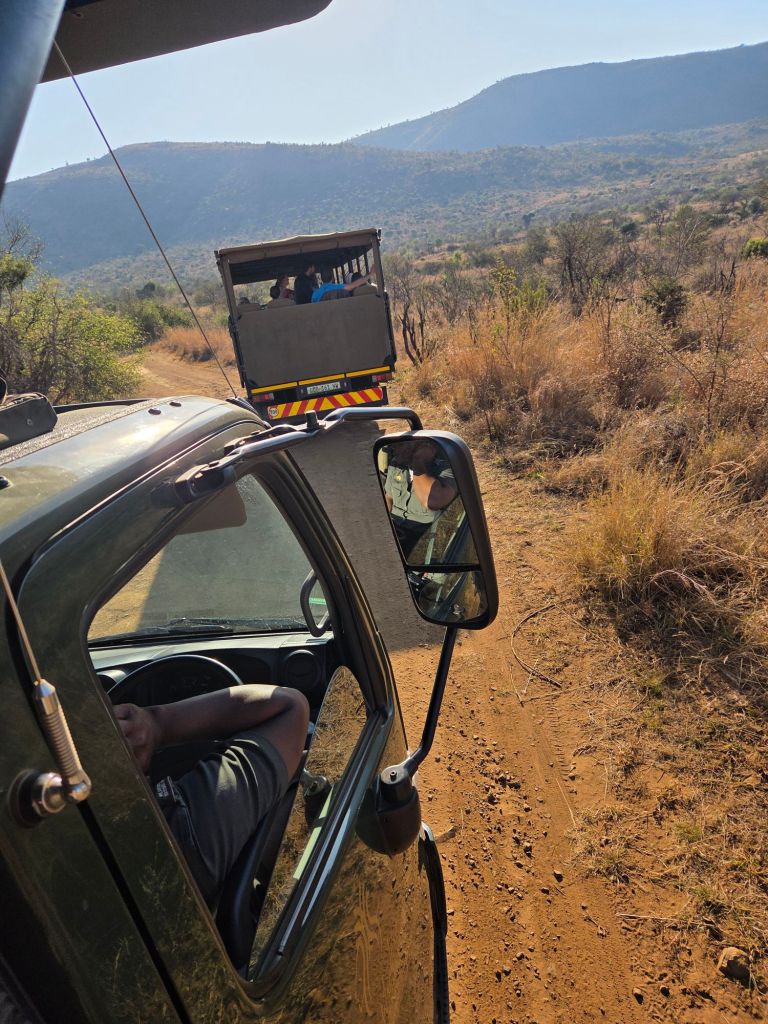
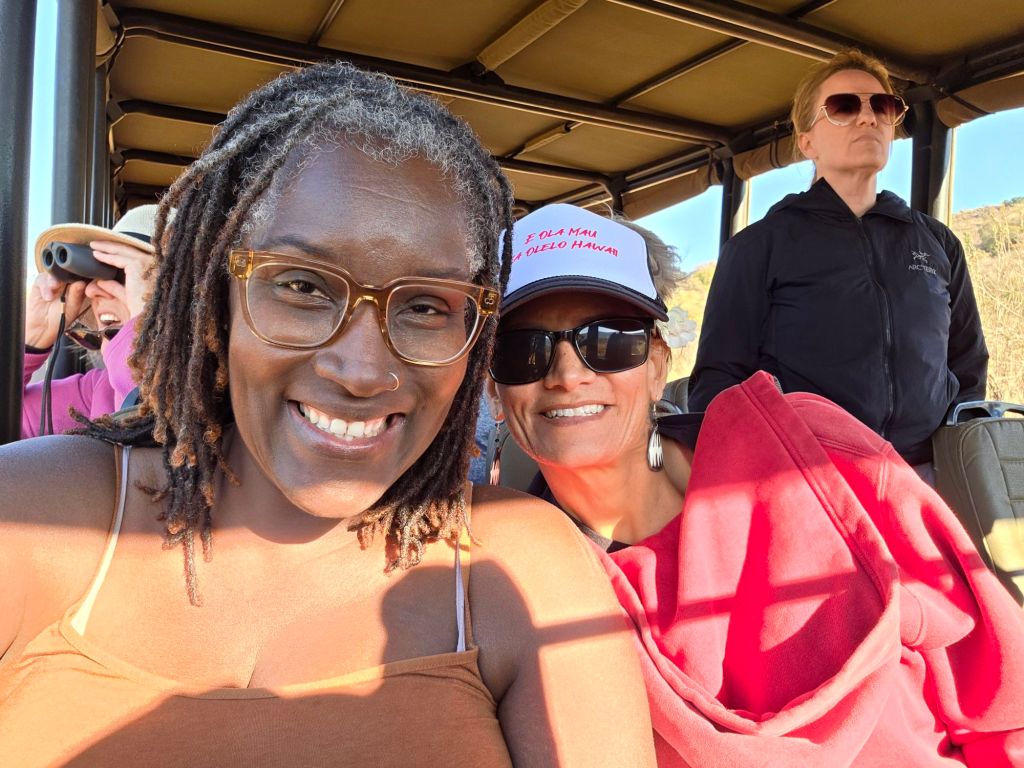
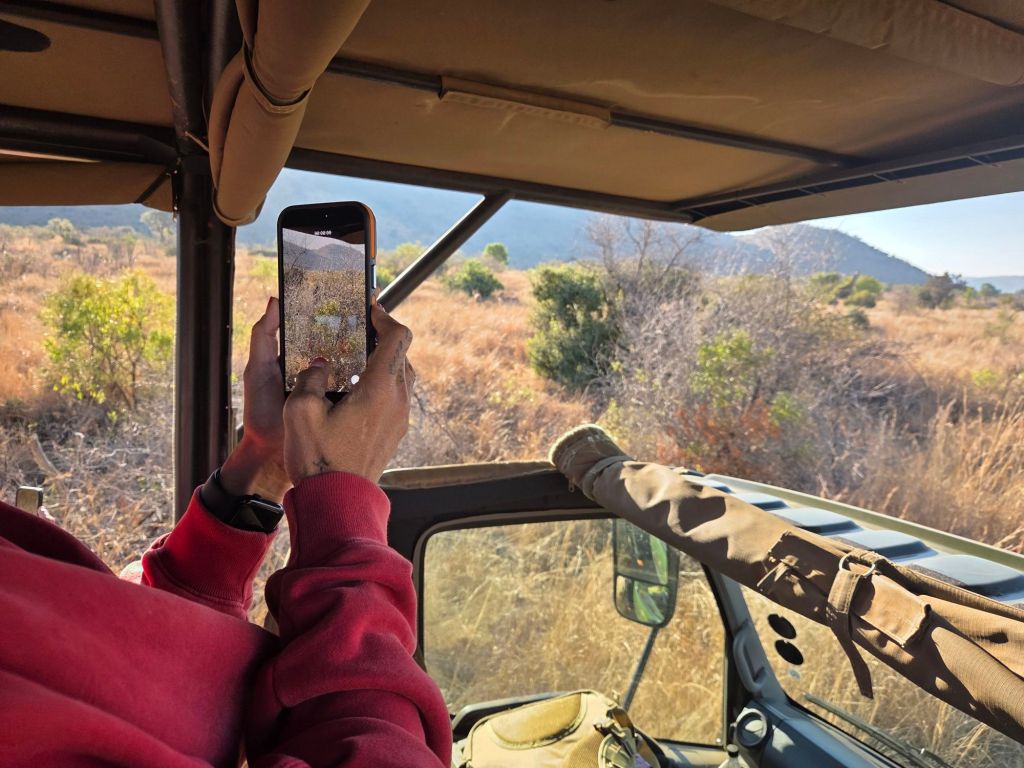
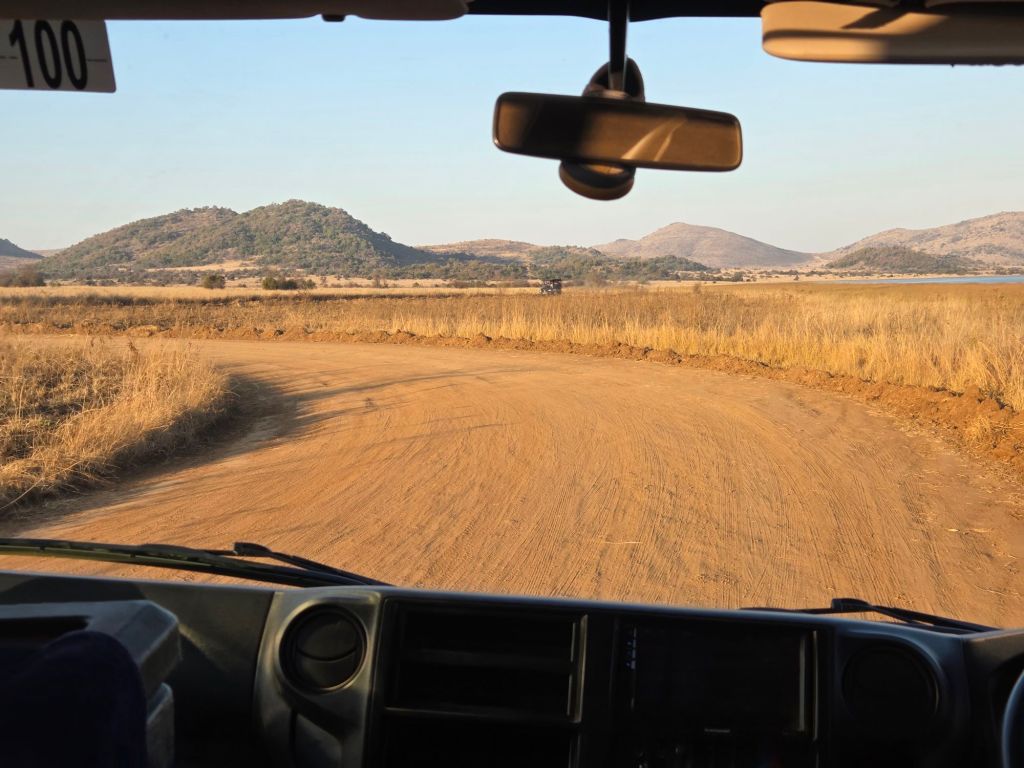
One of the thing I wasn’t prepared for was just how cold the mornings would be. Packing for a fellowship—and then extending my trip into an even colder region—with only a carry-on suitcase was definitely a challenge. Nevertheless, I bundled up, met the group, and we set off around 6:00 a.m. for a three-hour game drive through the national park.
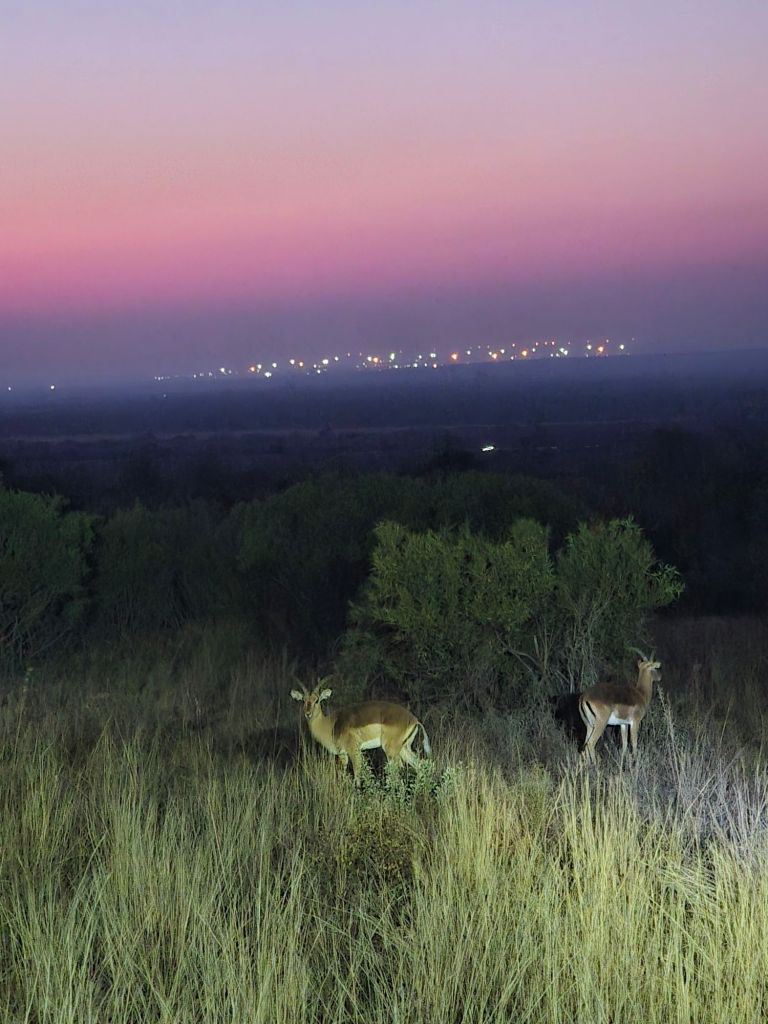
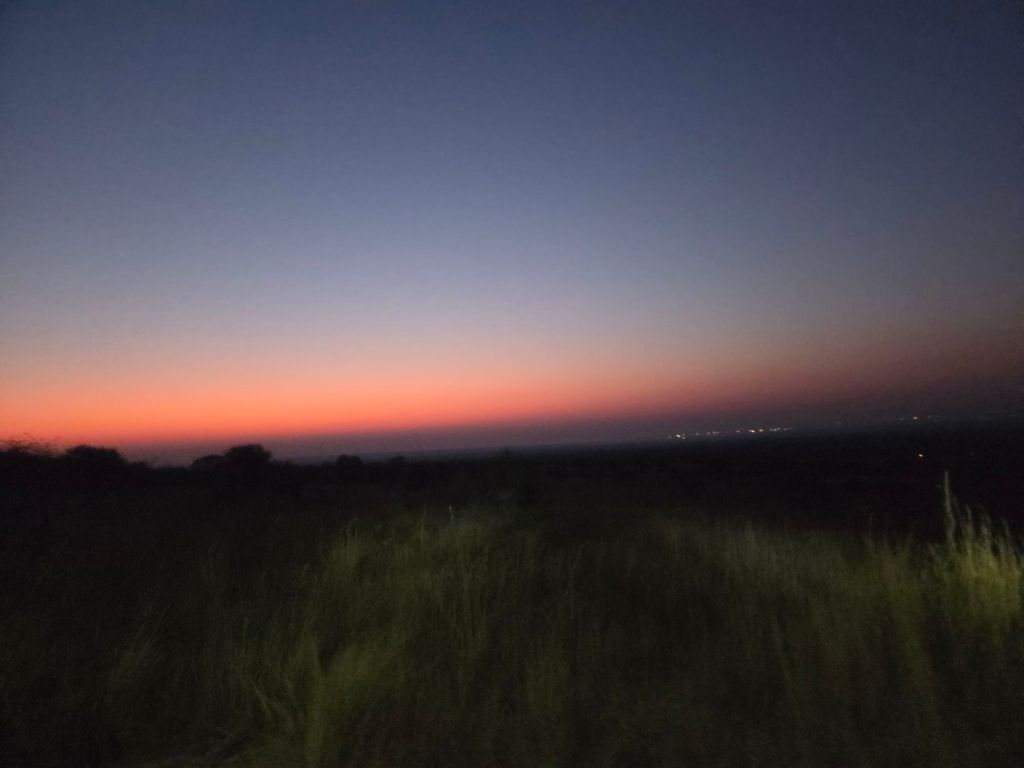
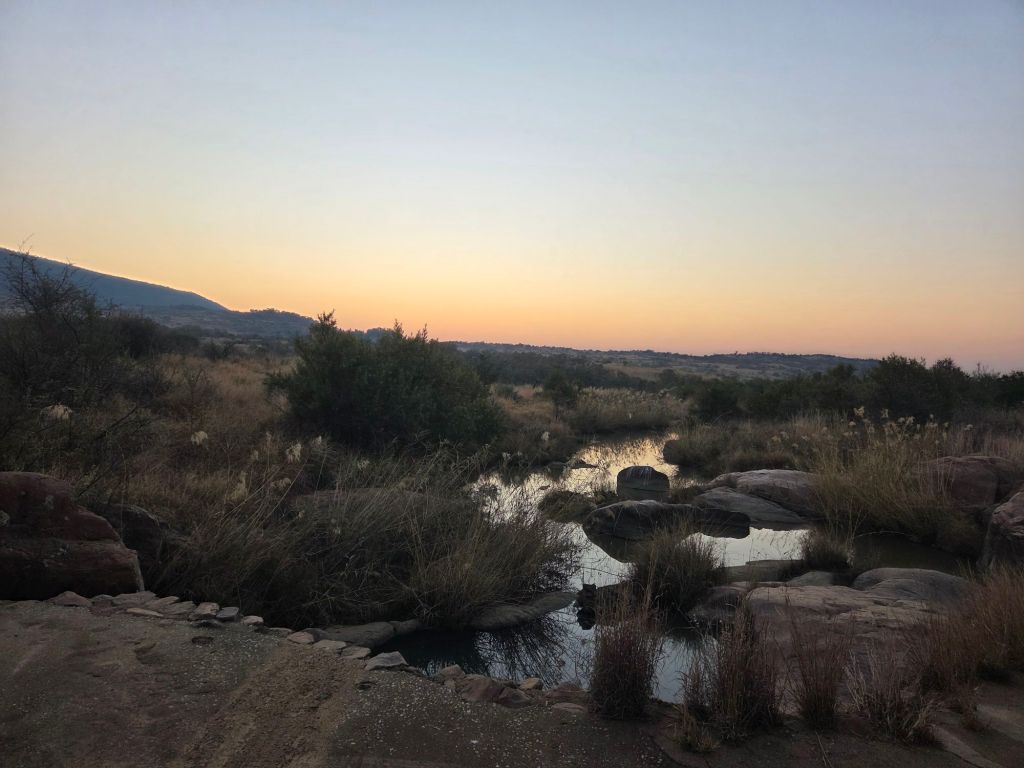
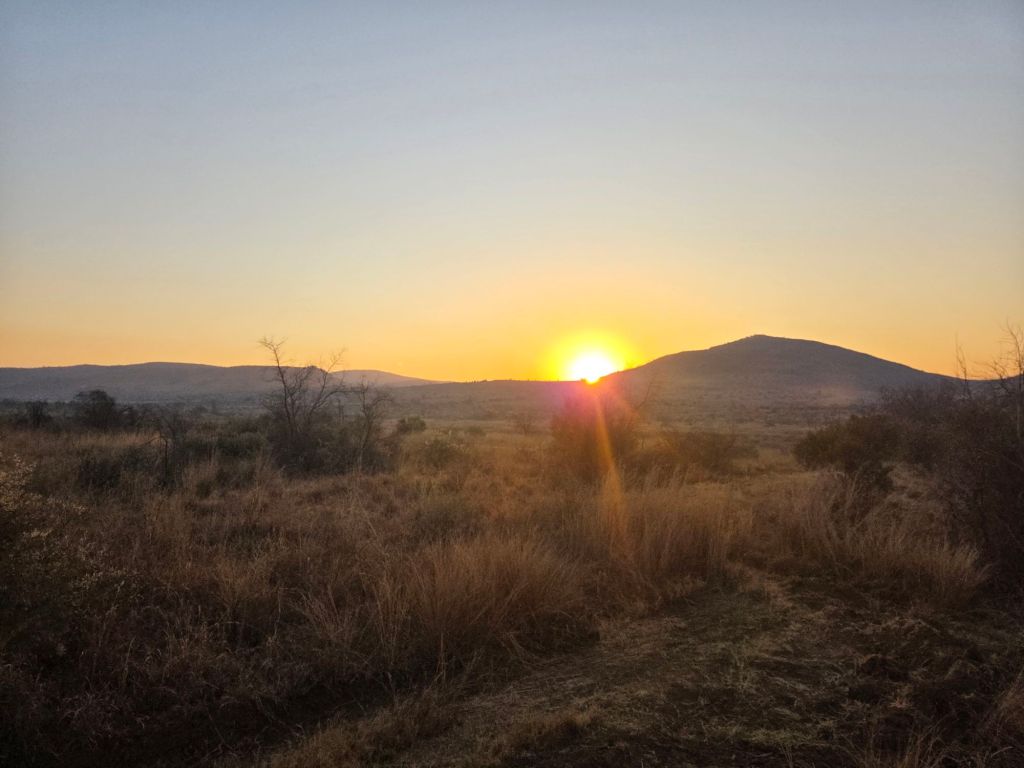
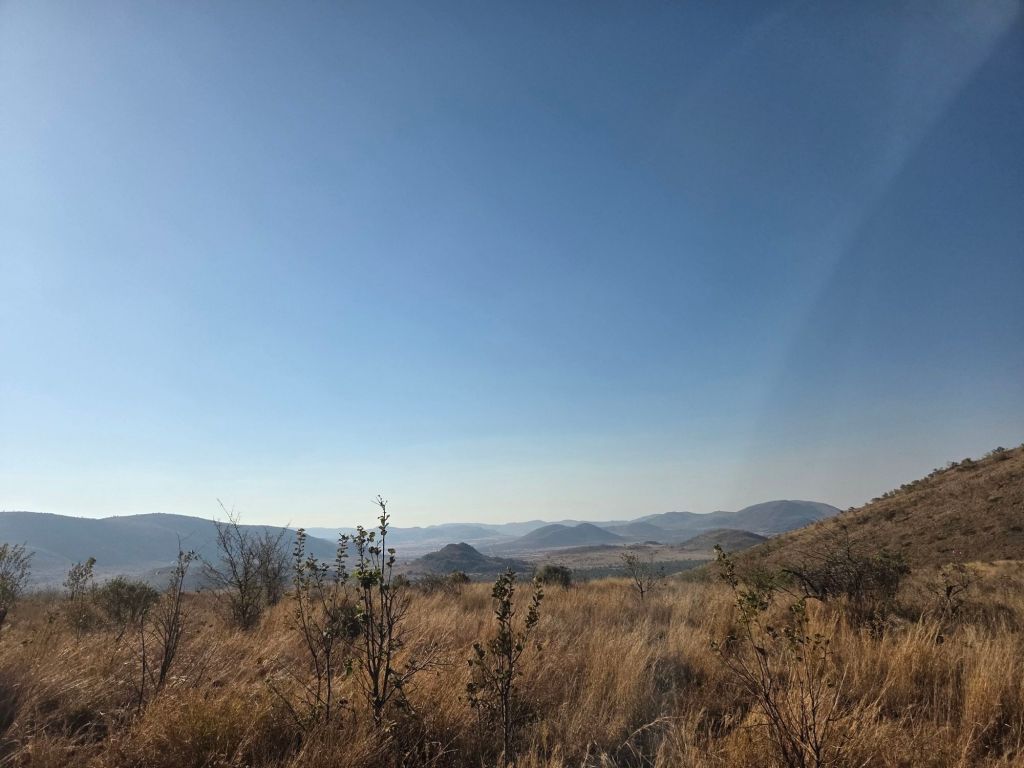
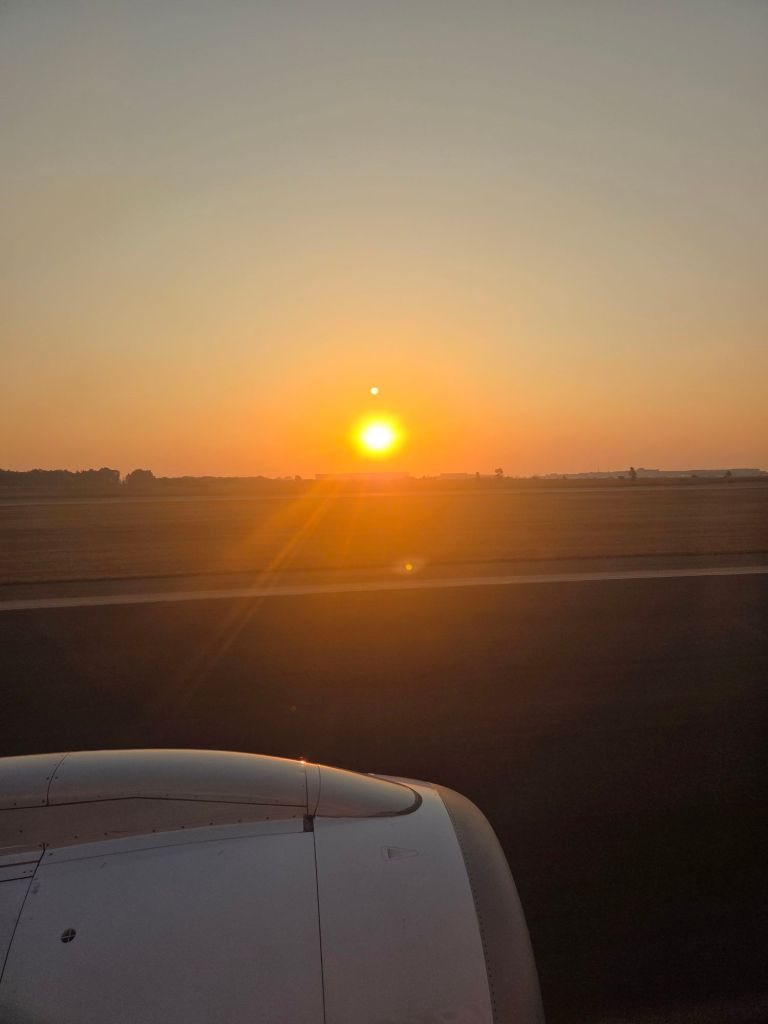
I was especially grateful for the warm wool blankets provided in the vehicle because it took me a while to get comfortable. It was still dark when we began, but before long, I watched the sun slowly rise over the mountains. The deep pink hues gradually transformed into the light of a new morning. Once again, I found myself overwhelmed with gratitude to be surrounded by the beauty of this incredible landscape.
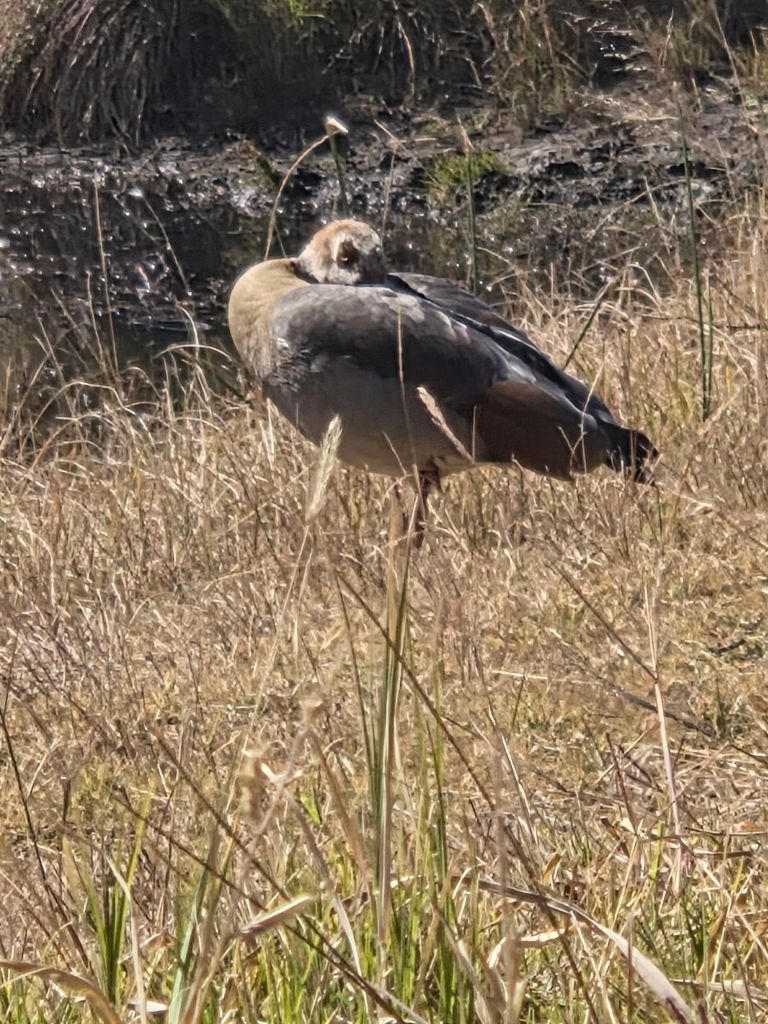
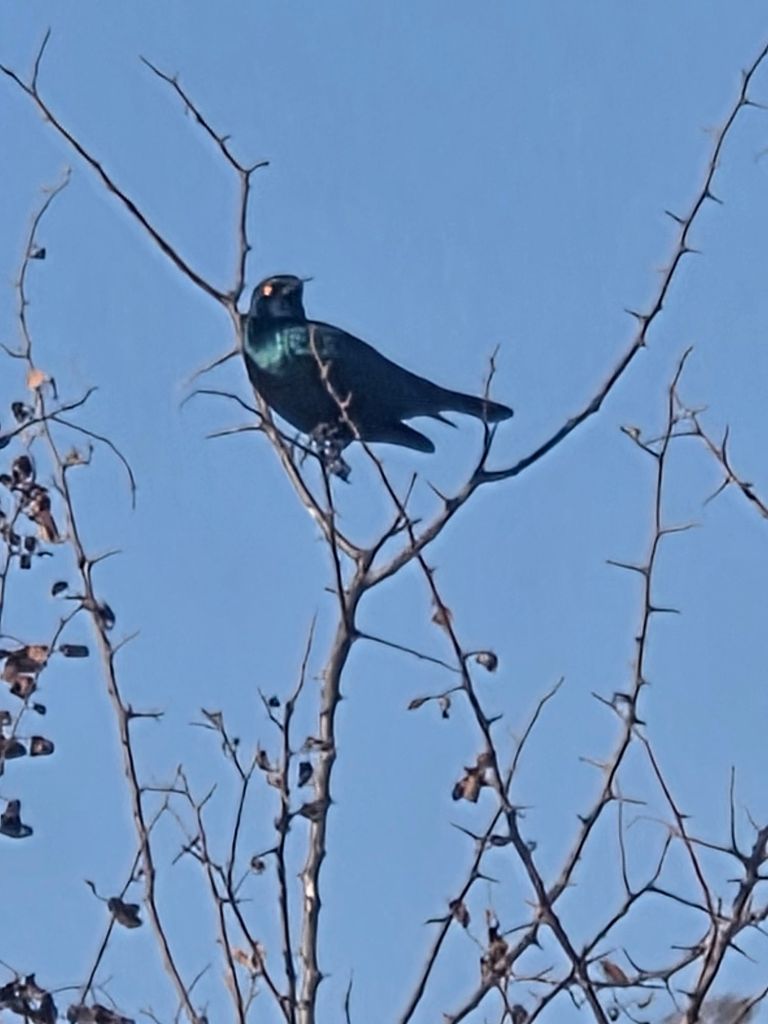
One of my favorite parts of the morning was simply listening to the sounds of the birds and watching them dart gracefully through the air. My favorite sighting was the beautiful Crimson-breasted Shrike, whose brilliant colors immediately caught my attention.
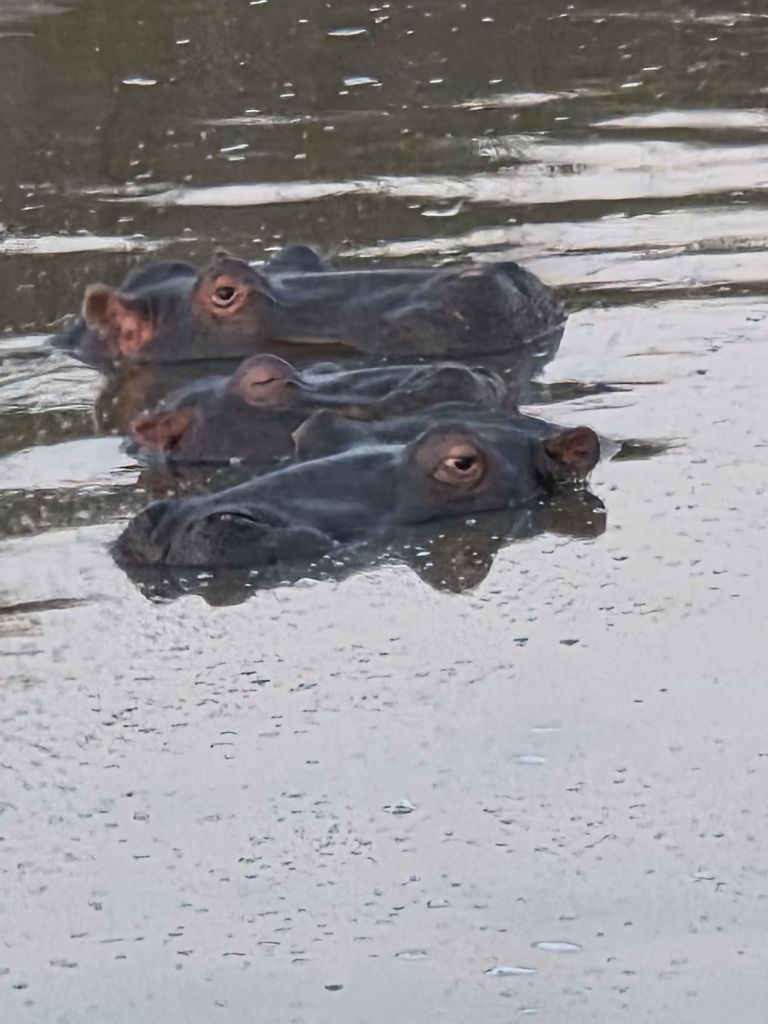
The highlight of the morning, however, was watching a group of hippos. Their enormous bodies remained hidden beneath the water while their bulging eyes watched us closely. There were five in total—three nearby and two farther away that slowly made their way toward our side of the water. They sprayed water, yawned, and seemed perfectly content going about their morning routine. It was such a joy to quietly observe them in their natural habitat.
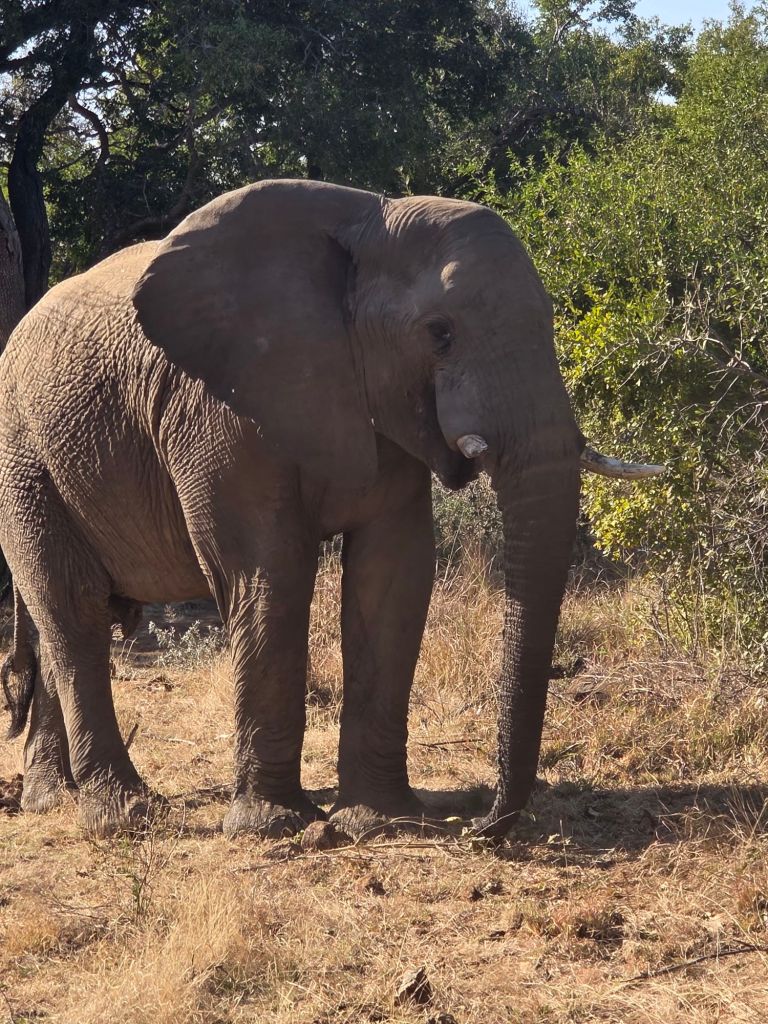
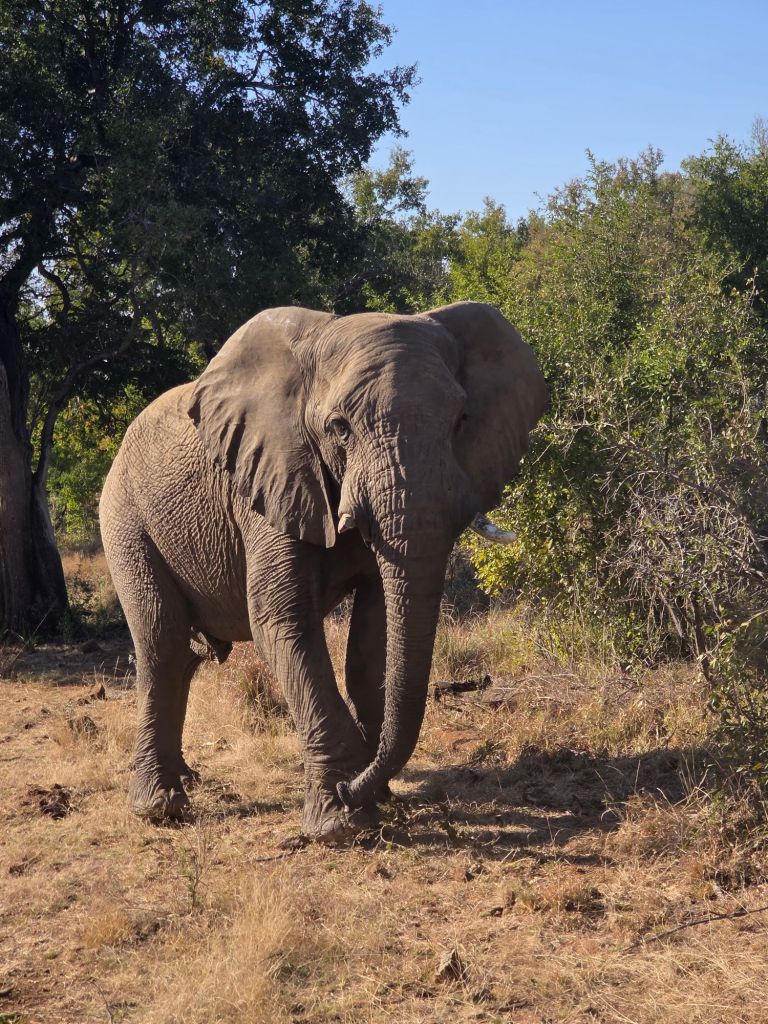
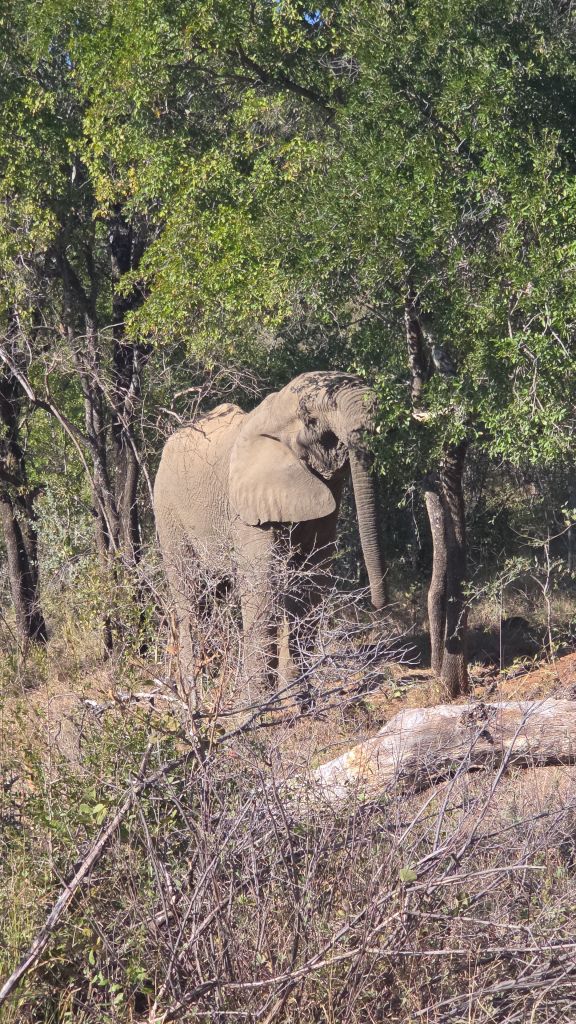
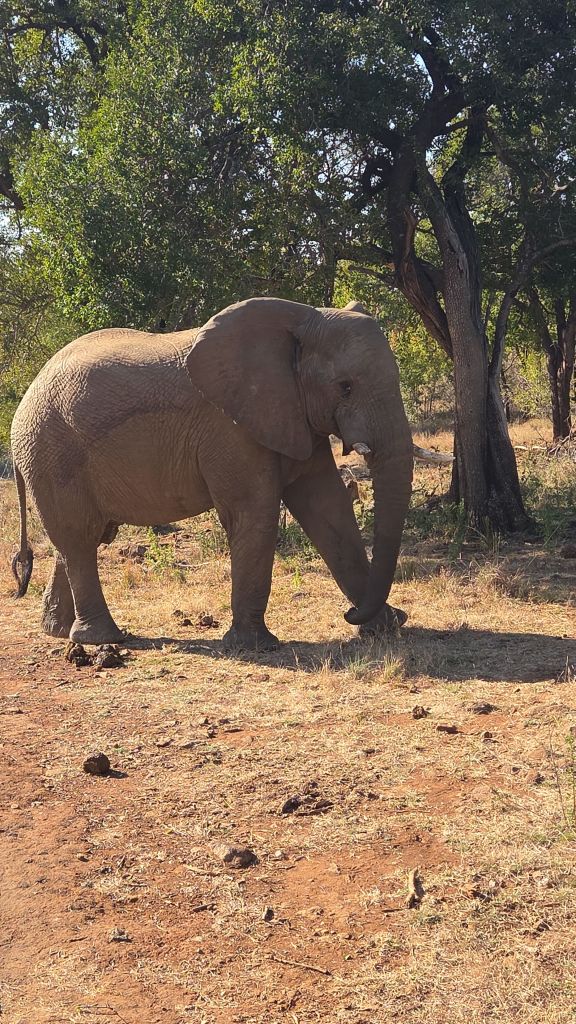
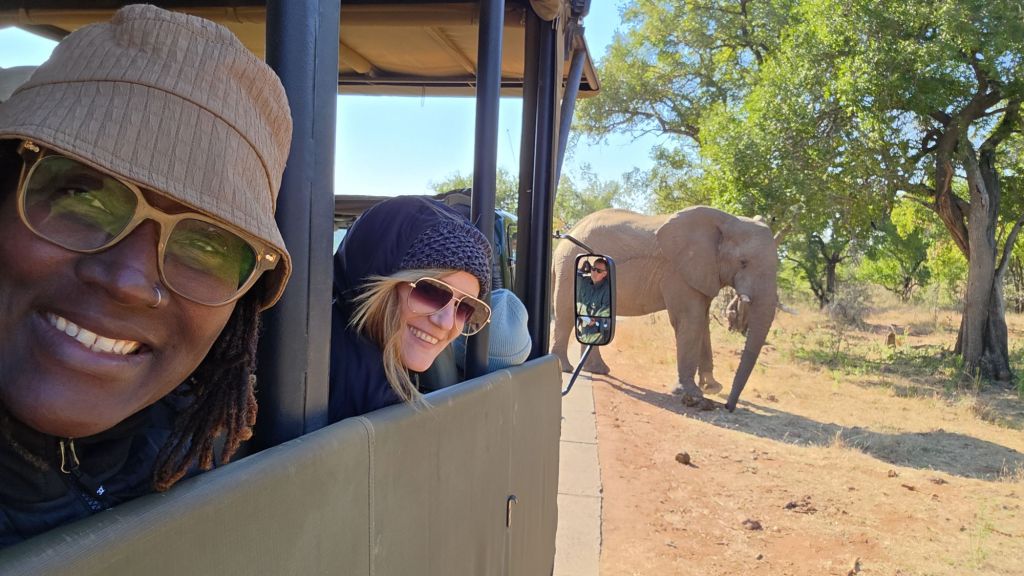
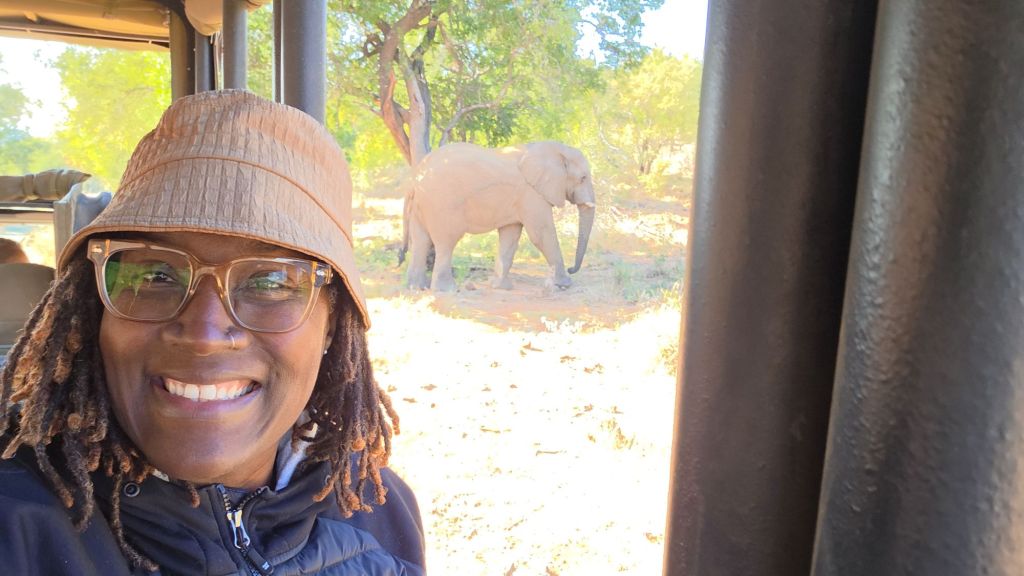
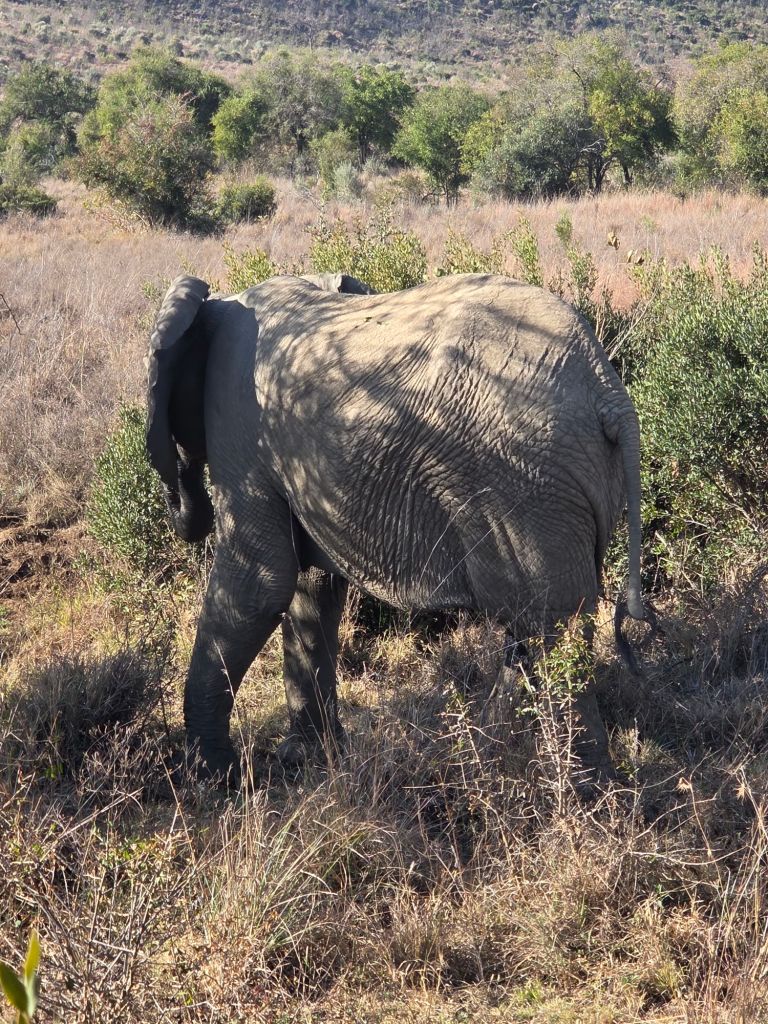
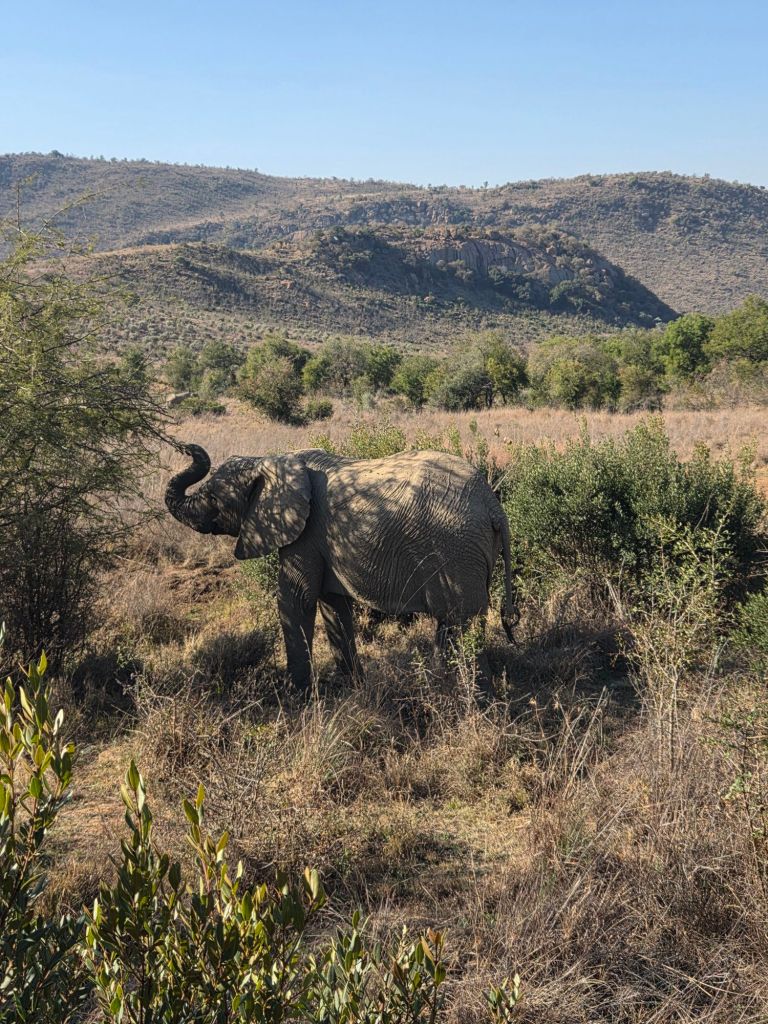
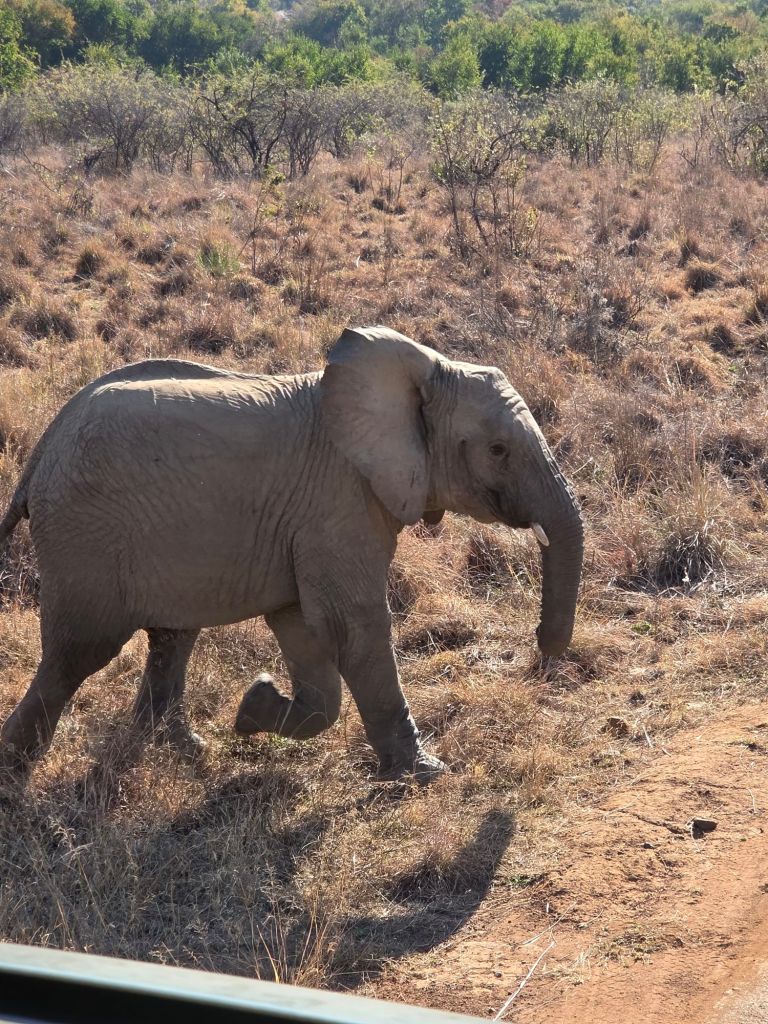
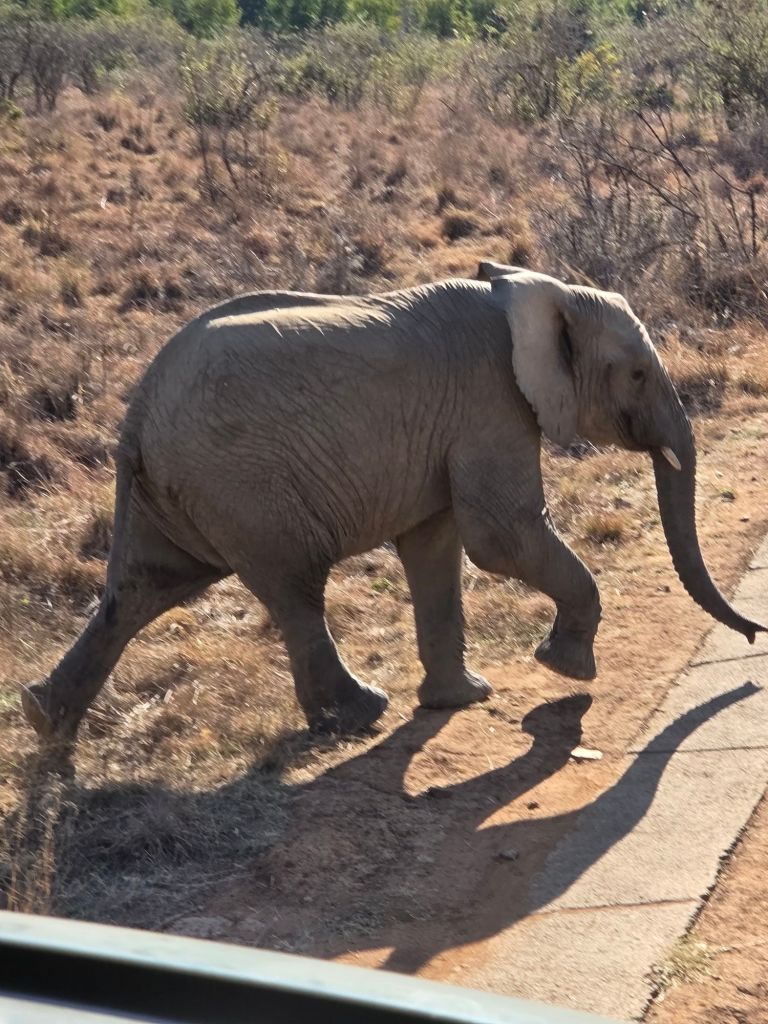
We also spotted elephants in the distance, and later we had an unforgettable close encounter with one. Each time our guide started the jeep, he would quickly turn the engine off because the elephant would shift its position, almost as if it were blocking our path. Our guide explained that this was simply a display of confidence and awareness rather than aggression. Eventually, the elephant allowed us to pass, making for an exciting and memorable experience.
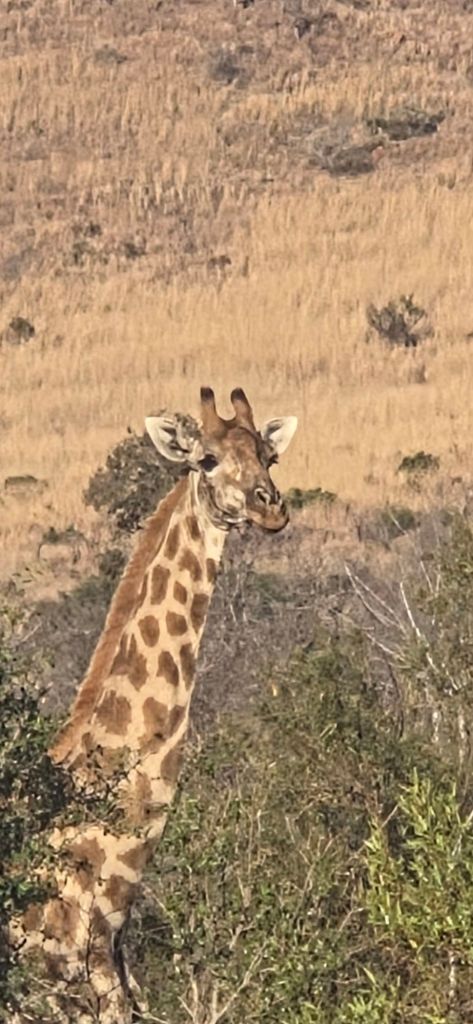
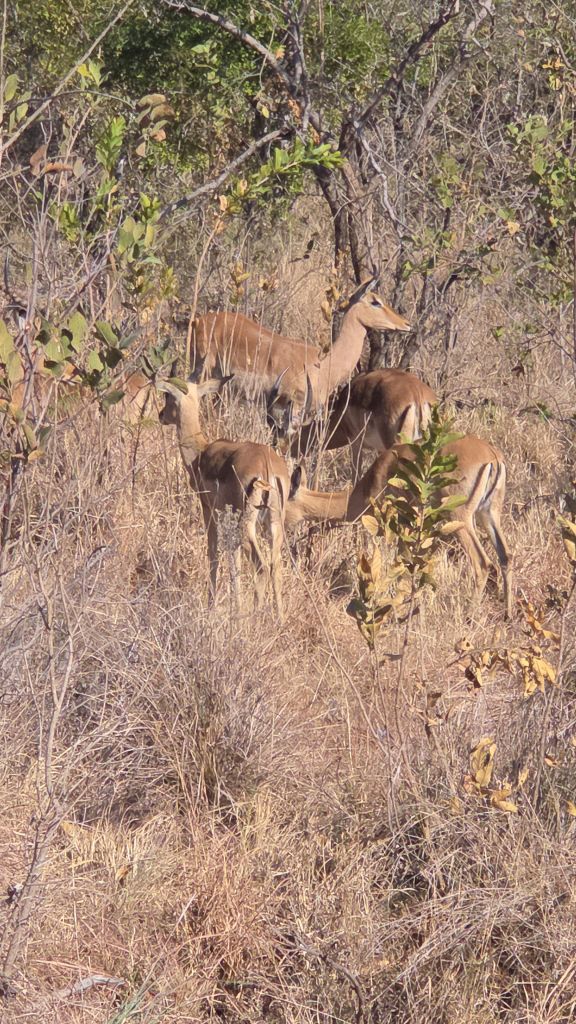
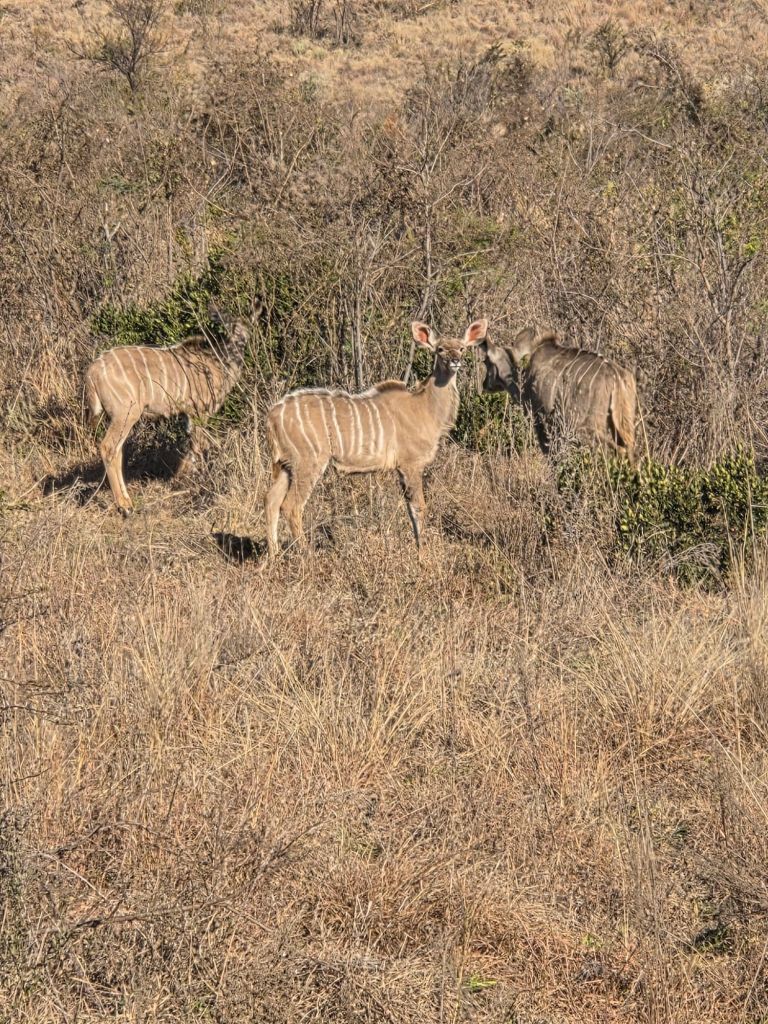
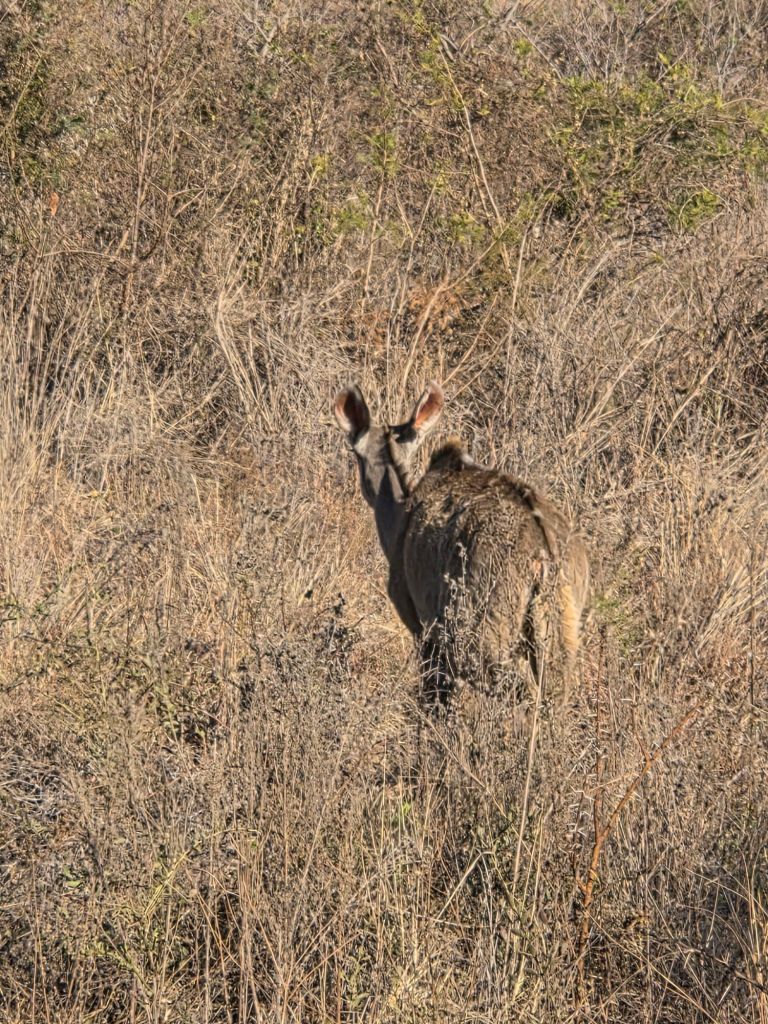
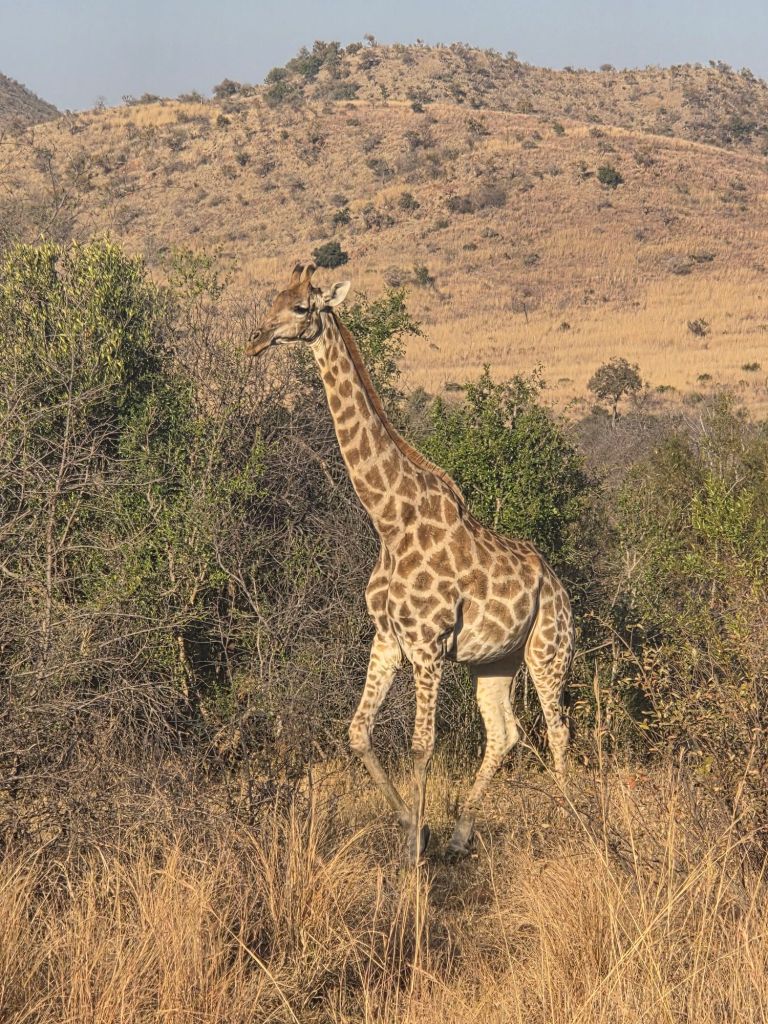
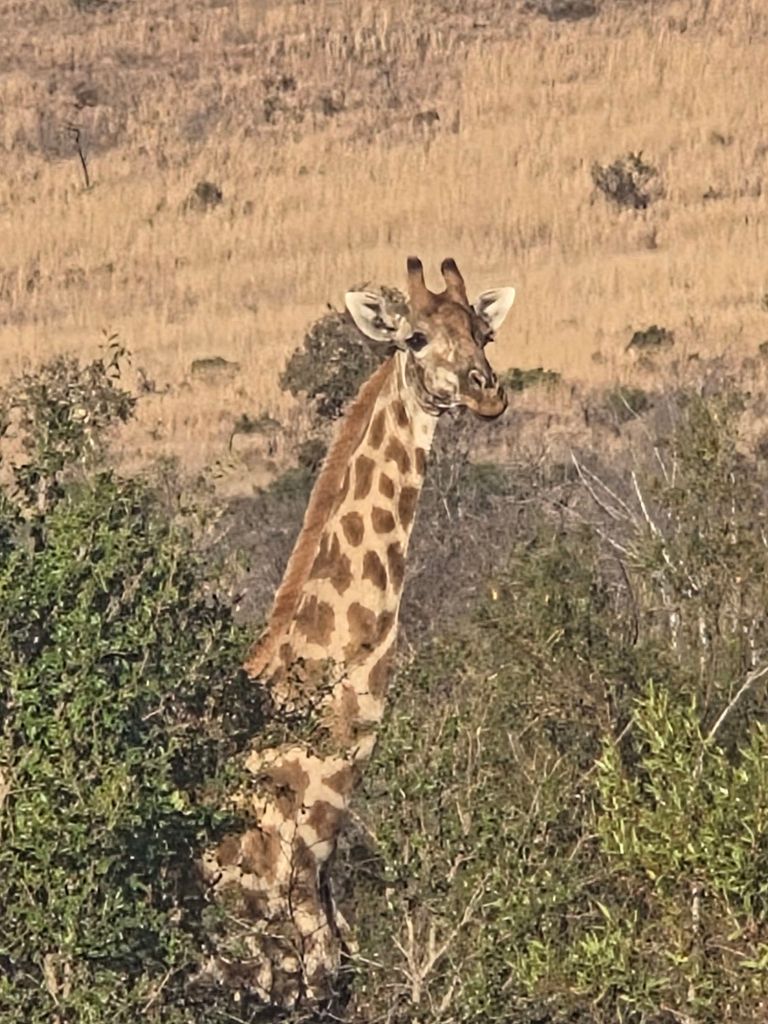
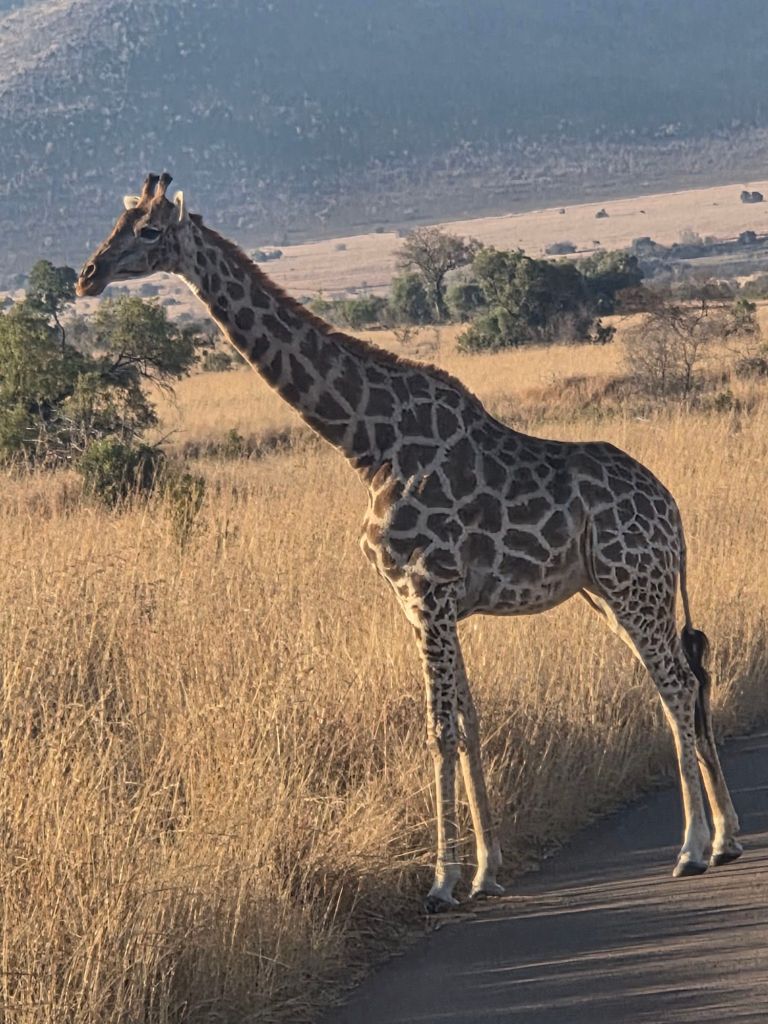
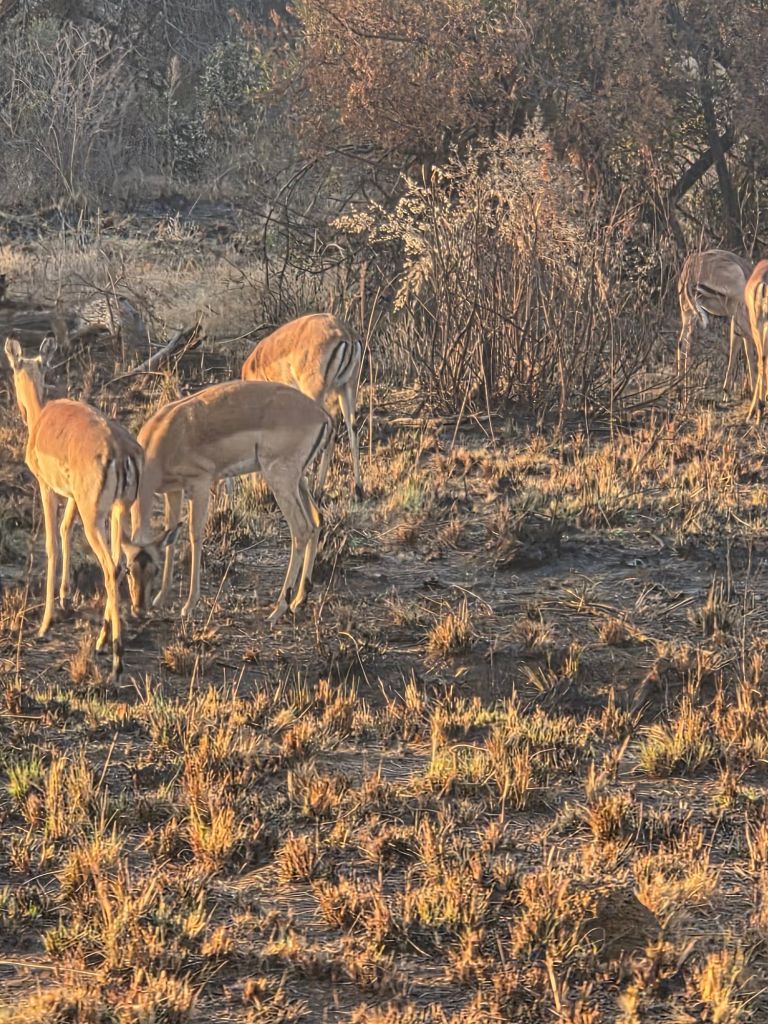
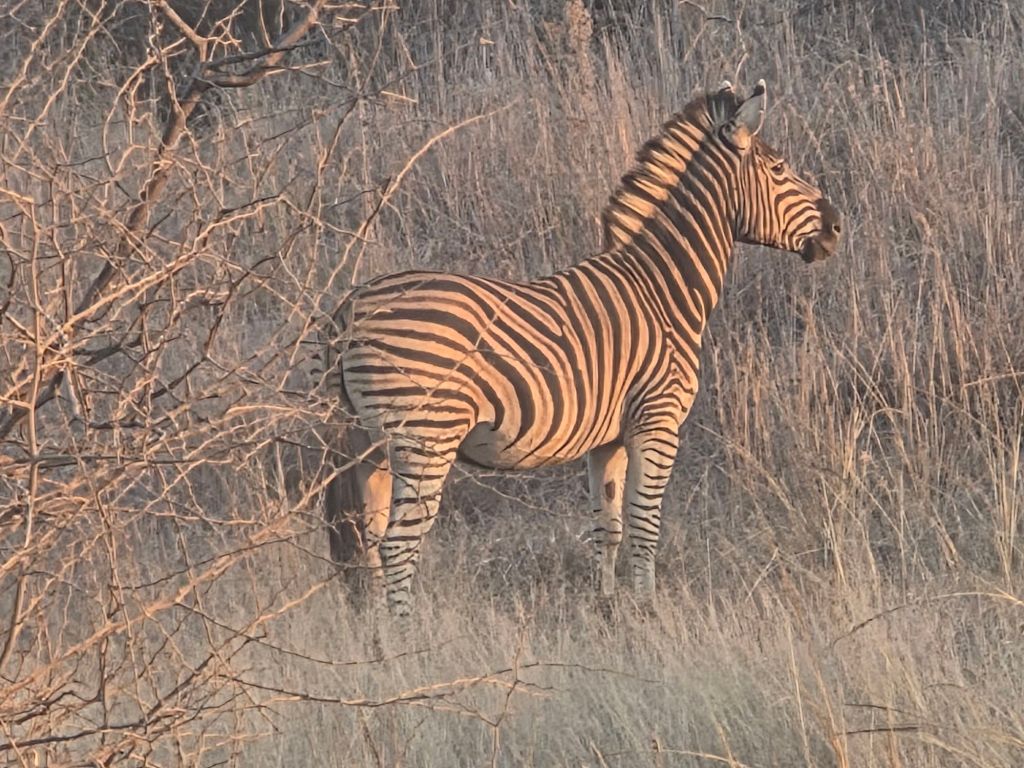
Although we didn’t see a giraffe on this drive, the morning was filled with incredible wildlife and fascinating stories from our guide about the animals, the ecosystem, and the history of the park. Every outing deepens my appreciation for conservation and the delicate balance of life in these protected spaces.
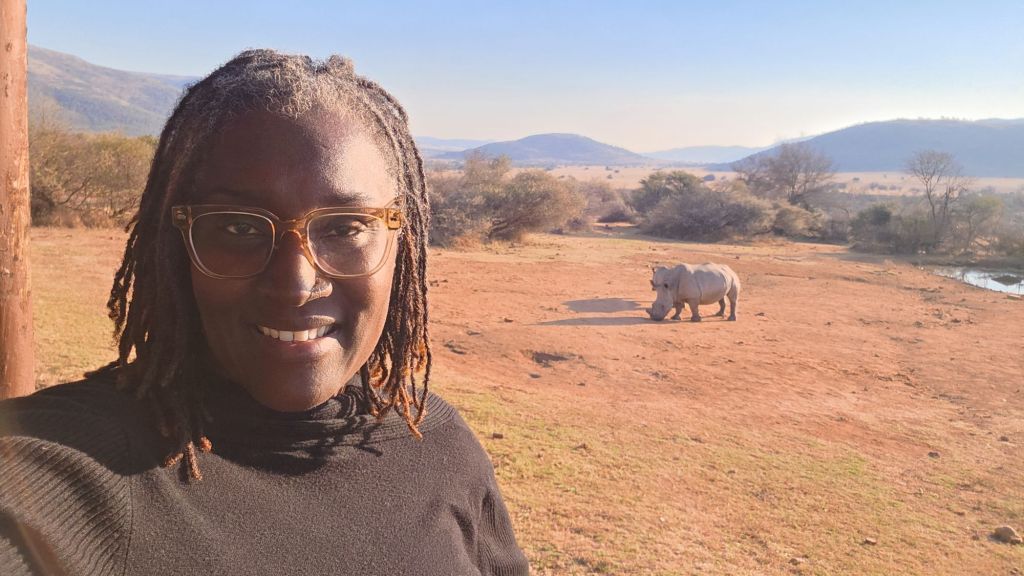
After the drive, we returned for breakfast overlooking the magnificent landscape. The view was absolutely breathtaking. We later heard that a herd of elephants had come to drink from the nearby watering hole. While that would have been incredible to witness, I was genuinely happy for those who saw it.
One lesson this journey continues to teach me is contentment. I truly believe that while I’m here, whatever I am meant to see, I will see. That perspective has allowed me to embrace each experience with gratitude instead of disappointment. And for that, I am deeply thankful.