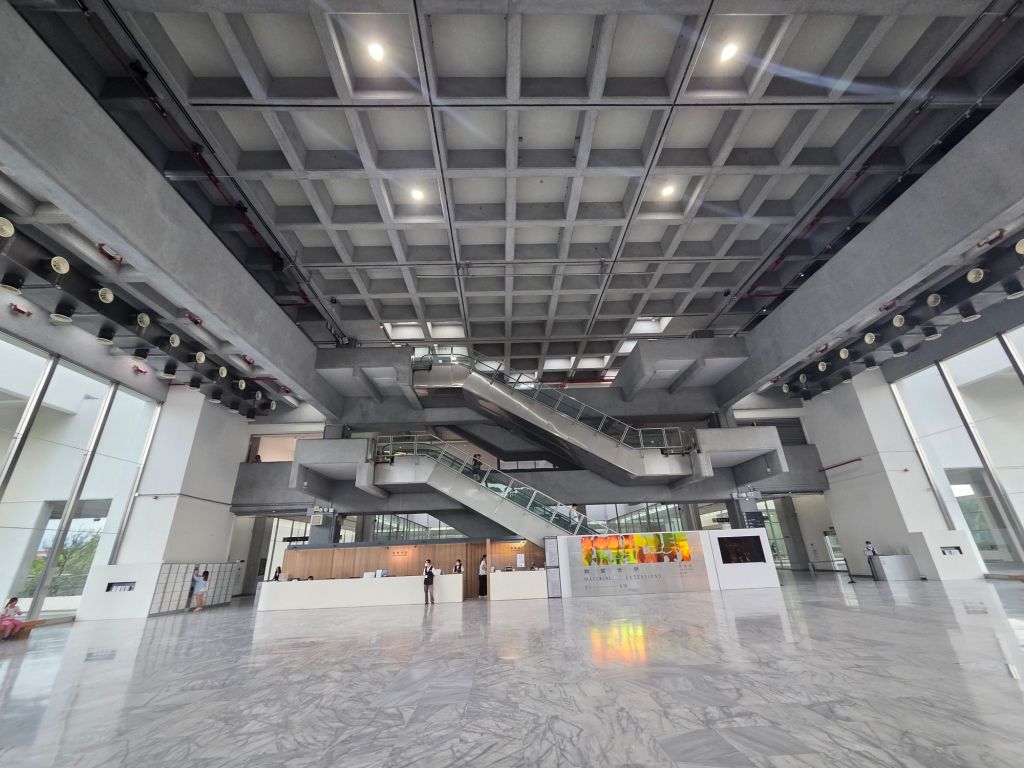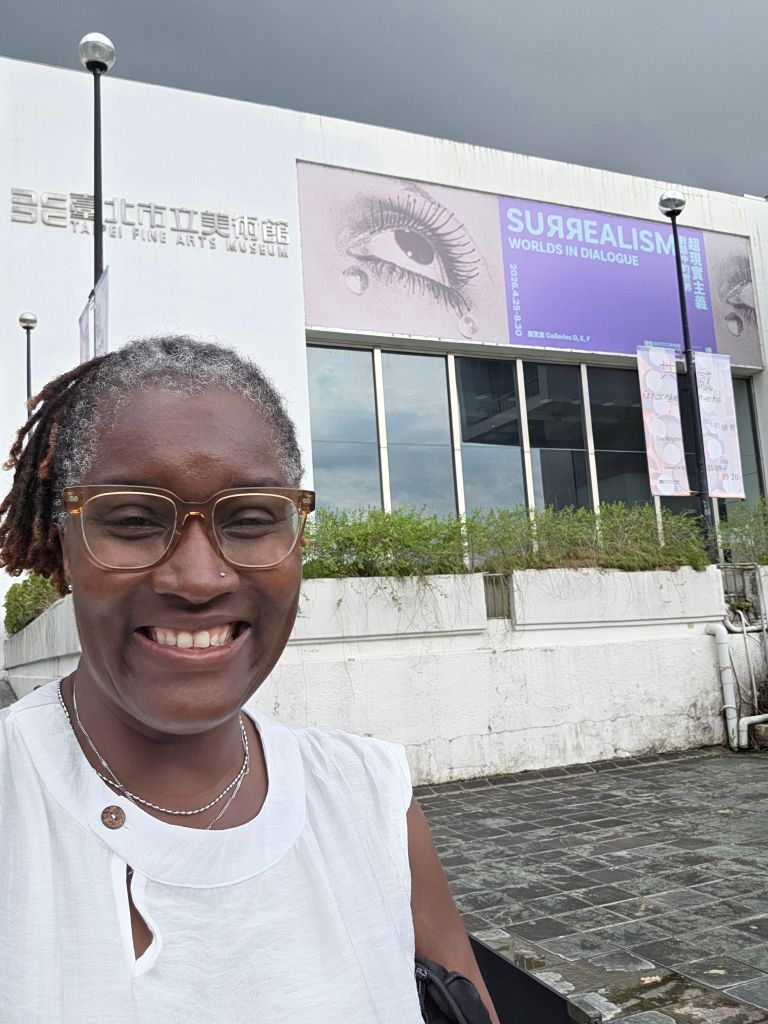
One of the things I appreciate most about traveling internationally is that it pushes me outside of my comfort zone. Sometimes that means navigating a language barrier, learning unfamiliar customs, or experiencing forms of art that challenge the way I think. My visit to the Taipei Fine Arts Museum did all three.
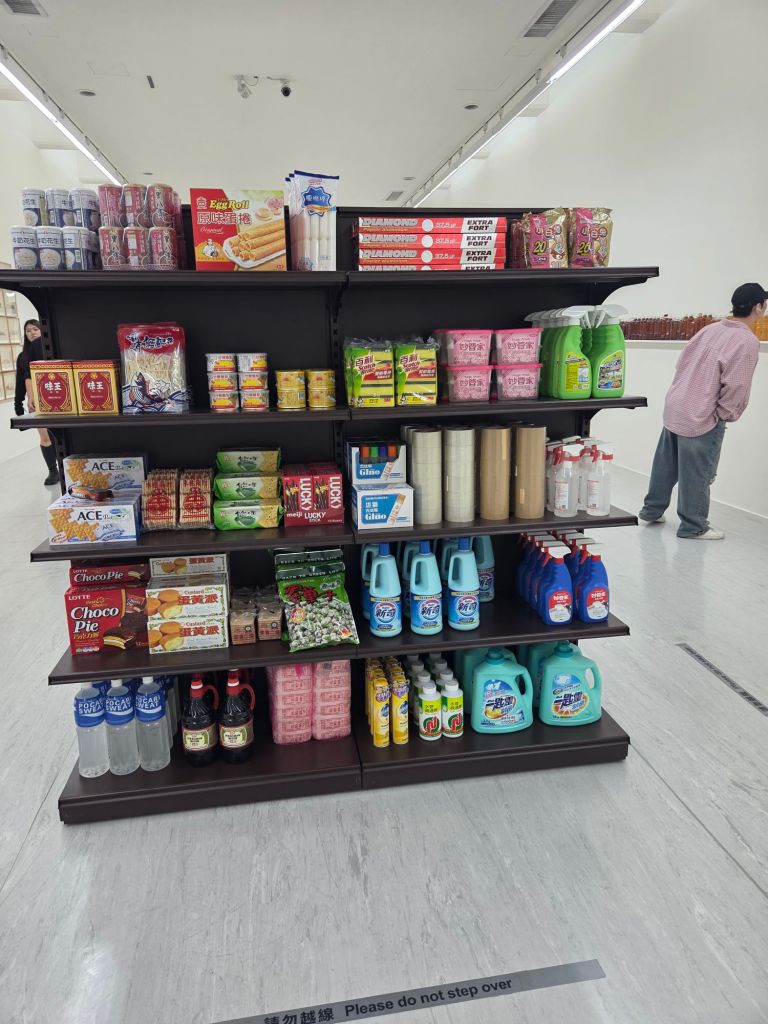
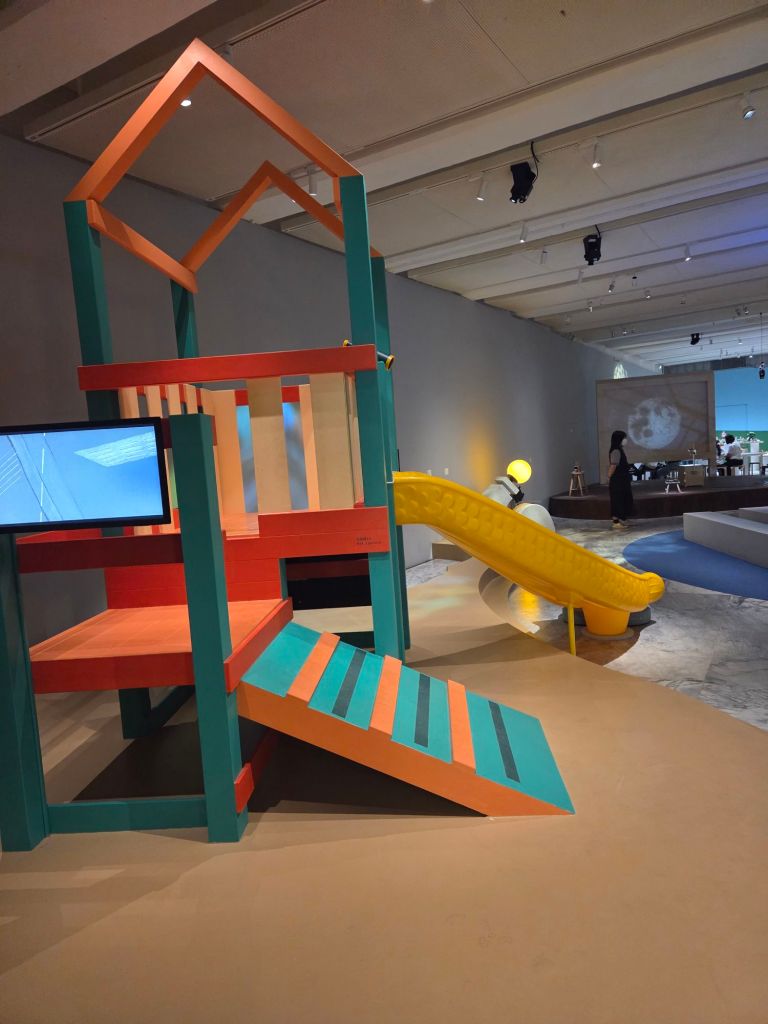
Unlike the National Palace Museum, which celebrates thousands of years of history through treasured artifacts, the Taipei Fine Arts Museum invited visitors to wrestle with ideas. The exhibitions weren’t simply meant to be viewed. They were meant to be experienced and I appreciate the opportunity.
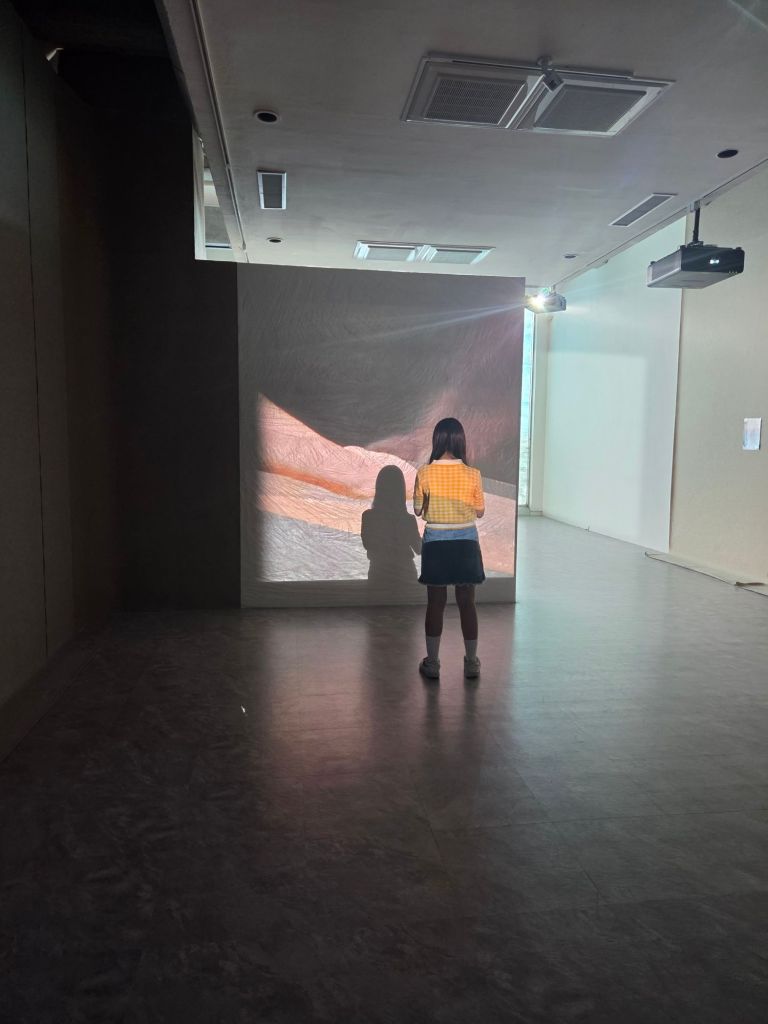
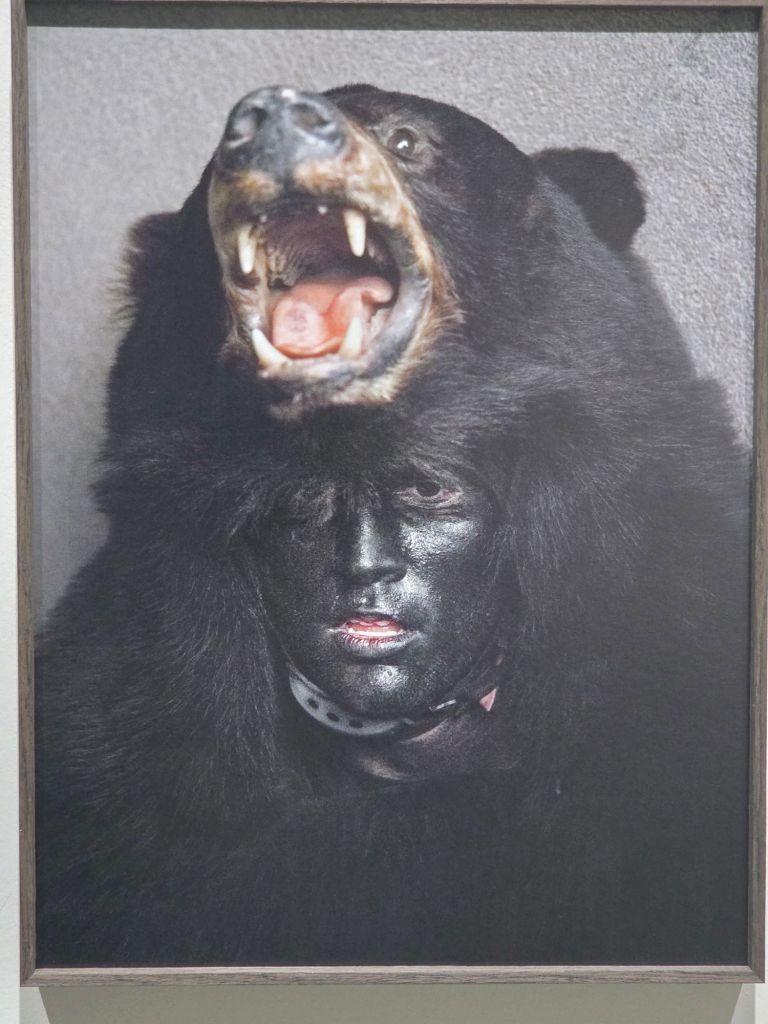
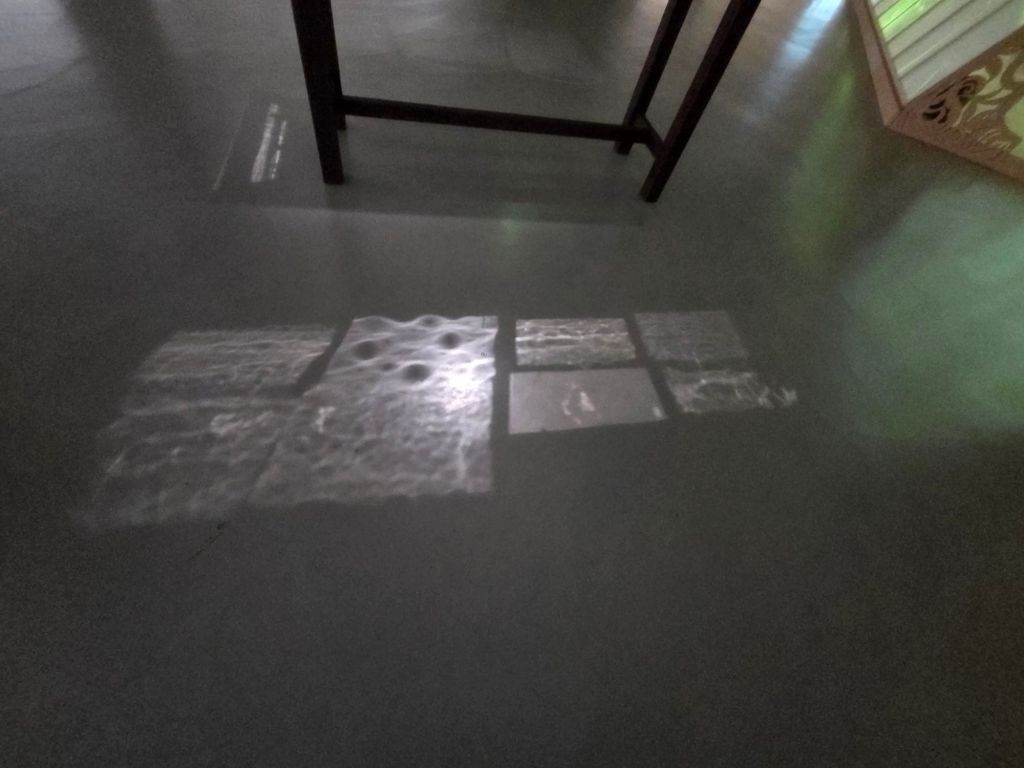
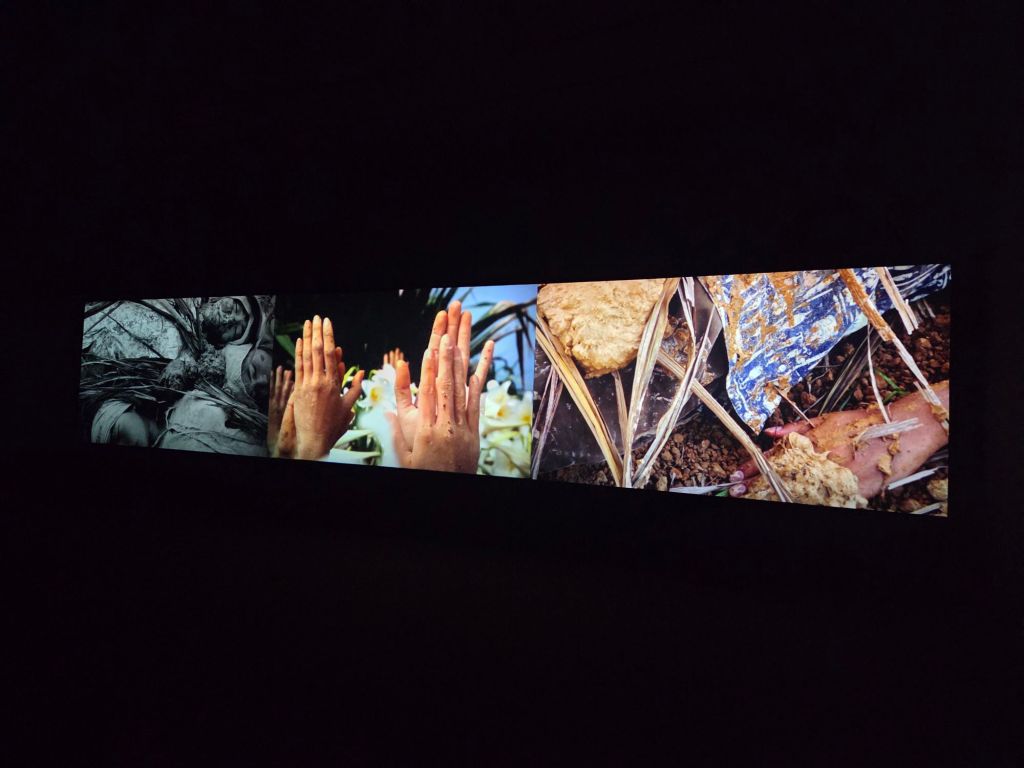
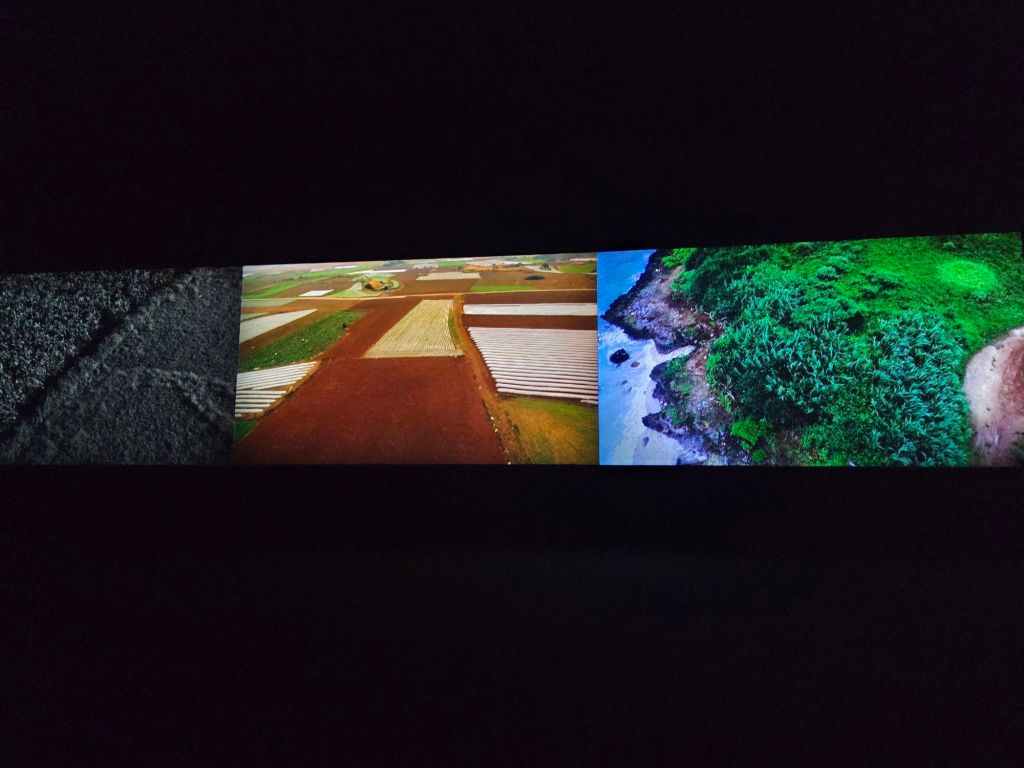
One installation that stayed with me was Mud Man by Japanese artist Chikako Yamashiro. Set in both Okinawa, Japan, and Jeju Island, South Korea, the video installation uses the image of “mud men” to explore the lasting impact of war, memory, migration, and hope. The figures journey through history carrying the scars of conflict before emerging into new life. Having just come from South Korea, where I had spent days learning about the Korean War and visiting the DMZ, this exhibit resonated deeply. It reminded me that the effects of war are never confined by national borders; however, they shape generations of people across East Asia.
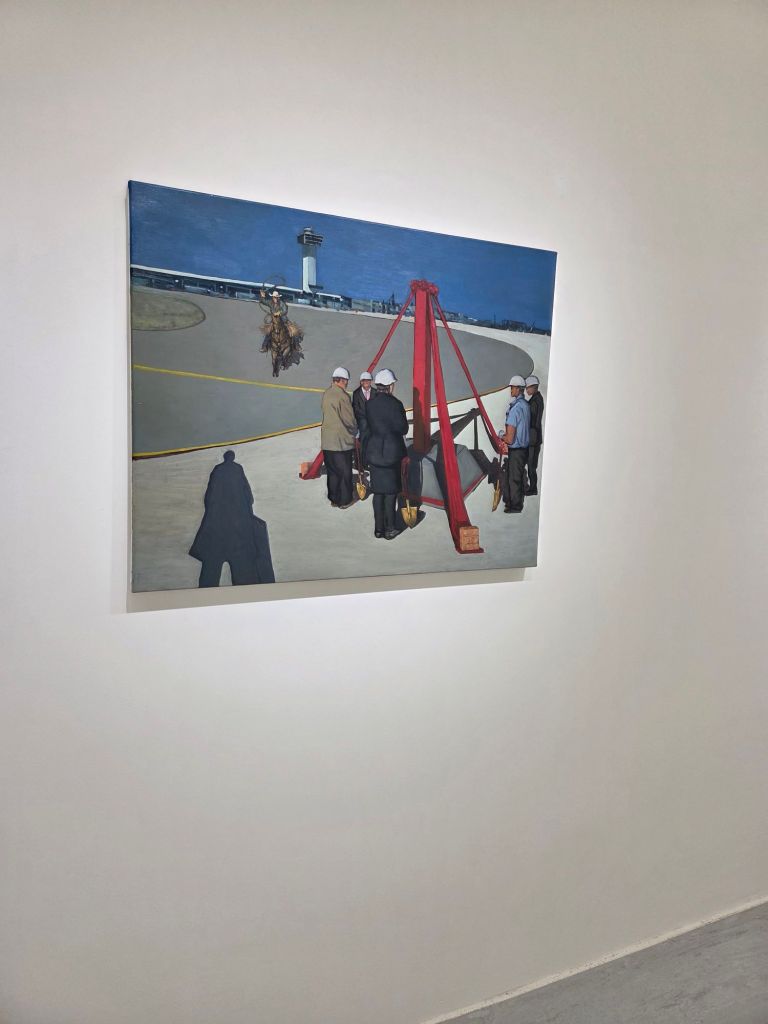
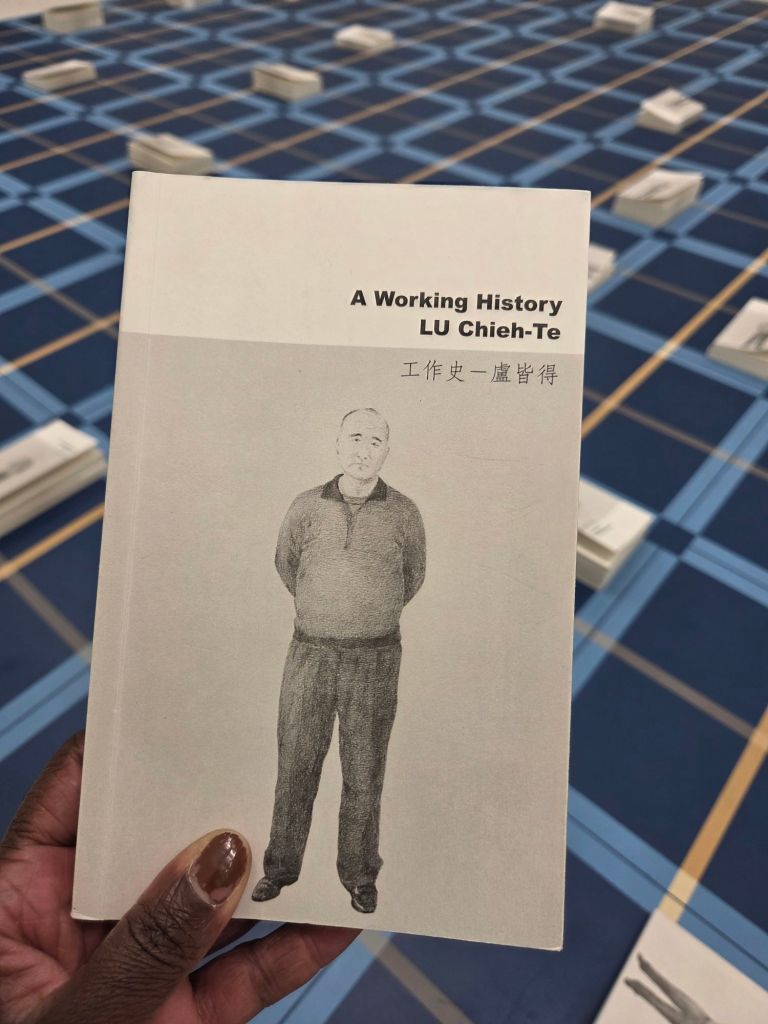
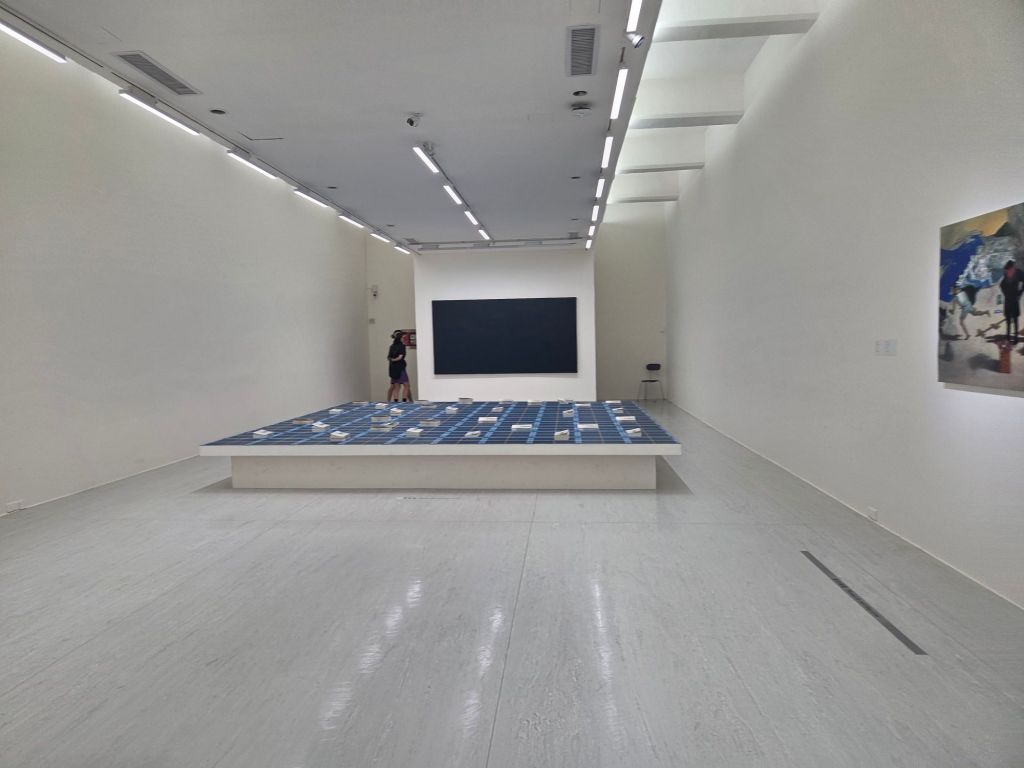
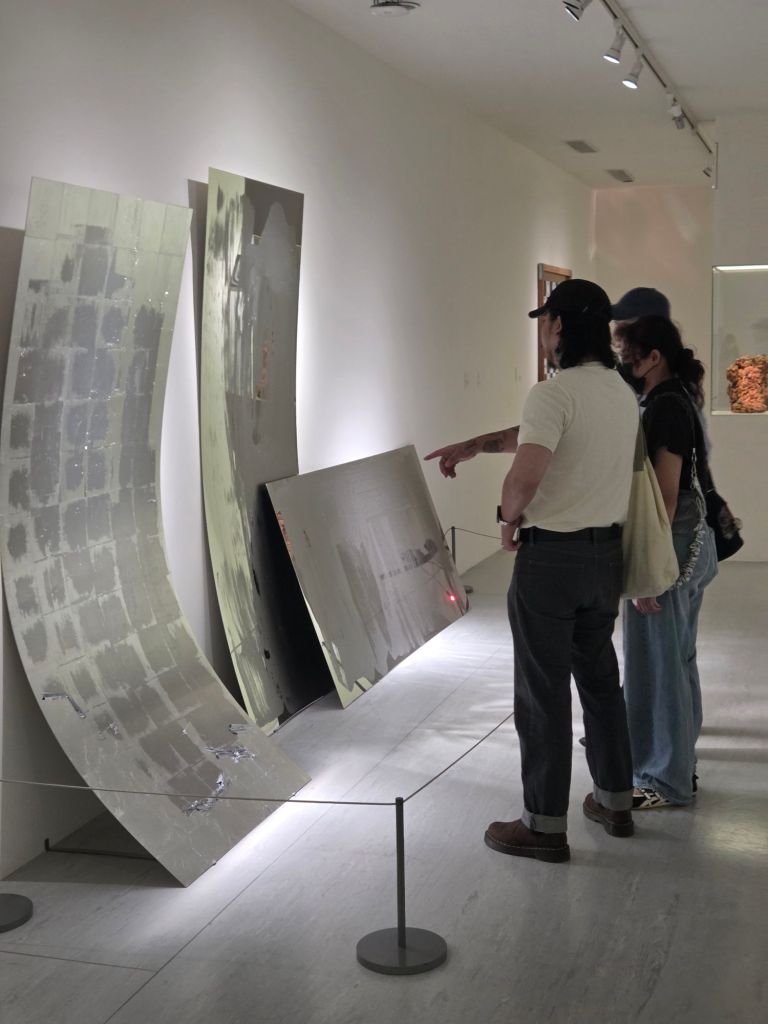
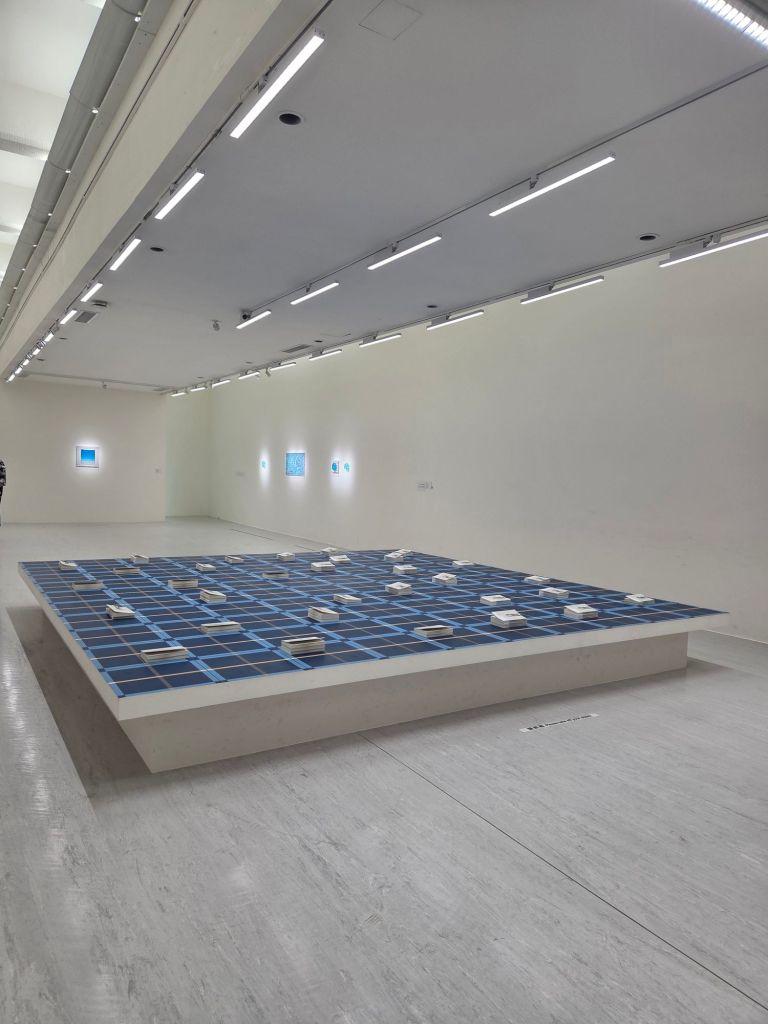
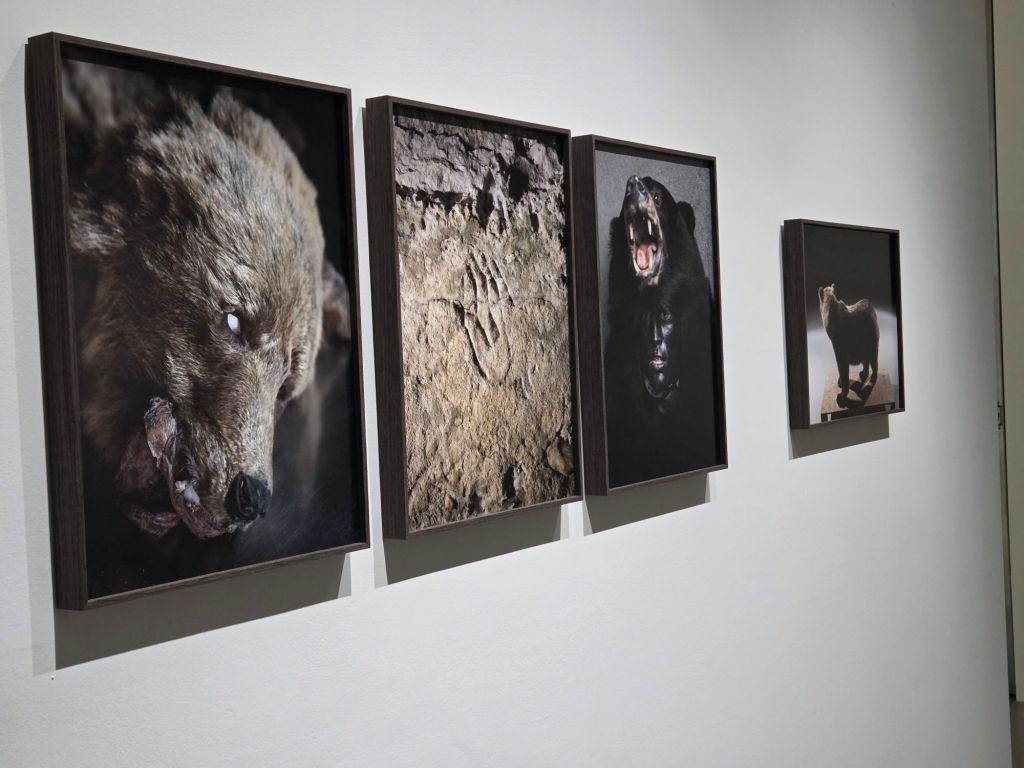
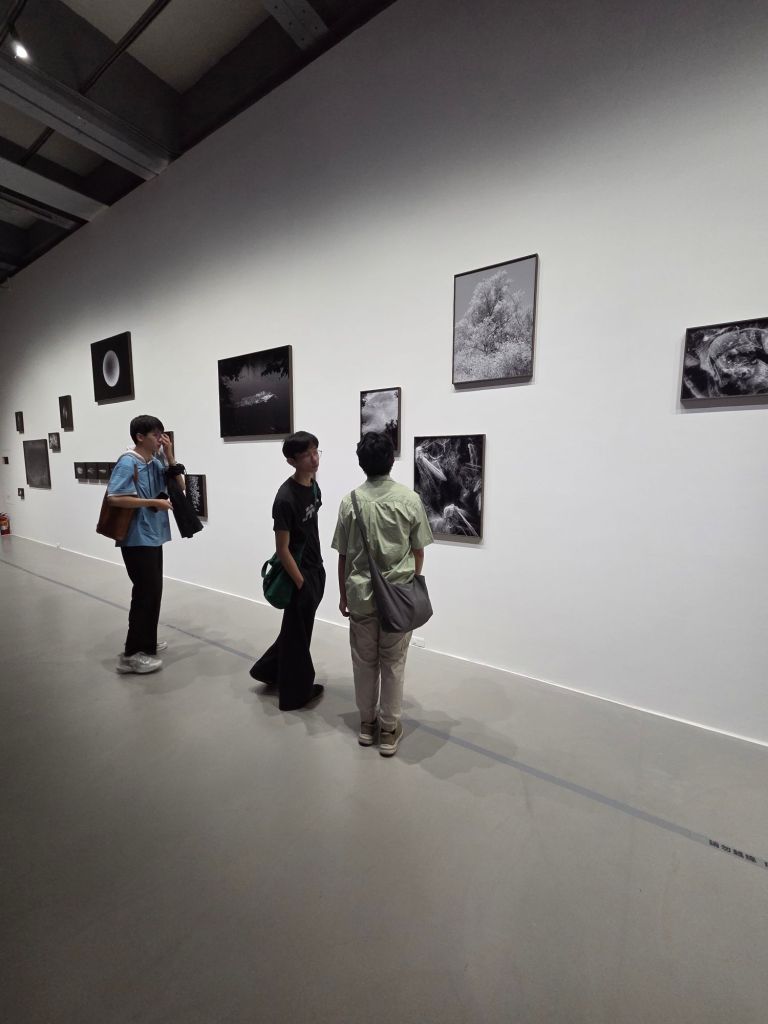
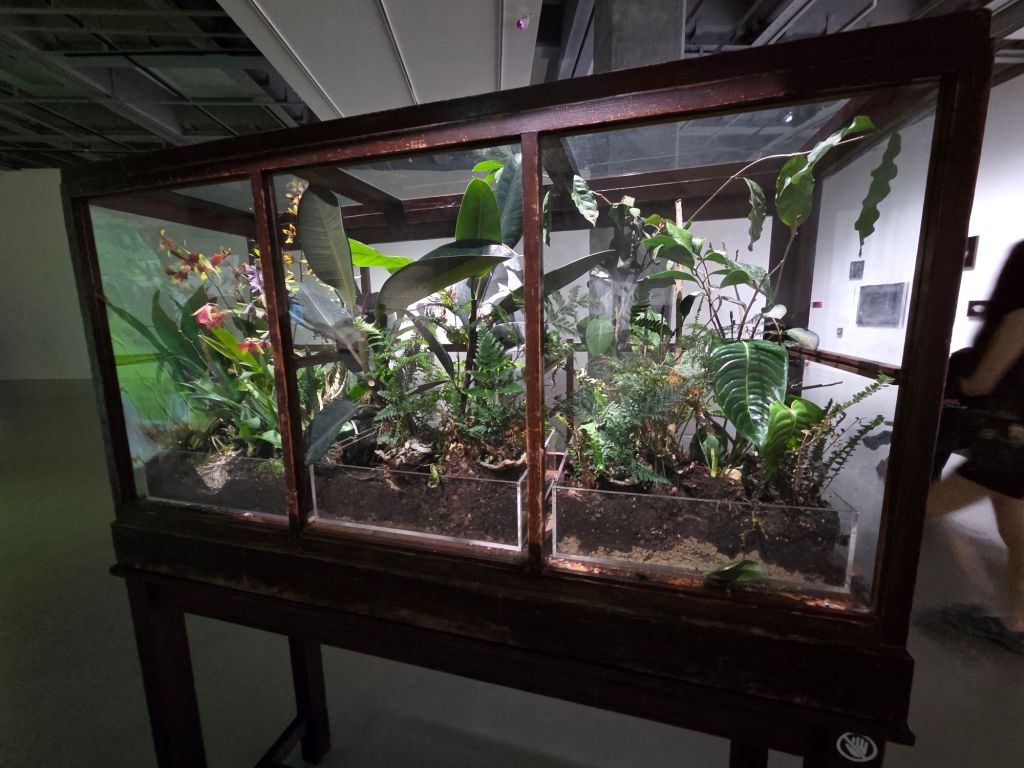
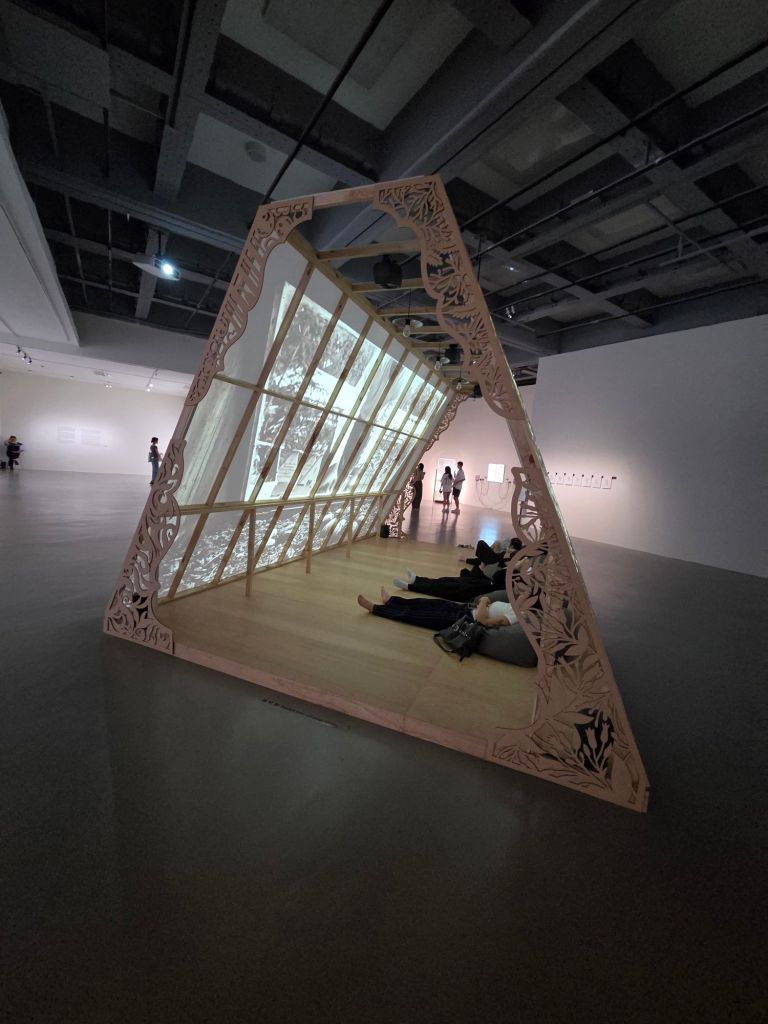
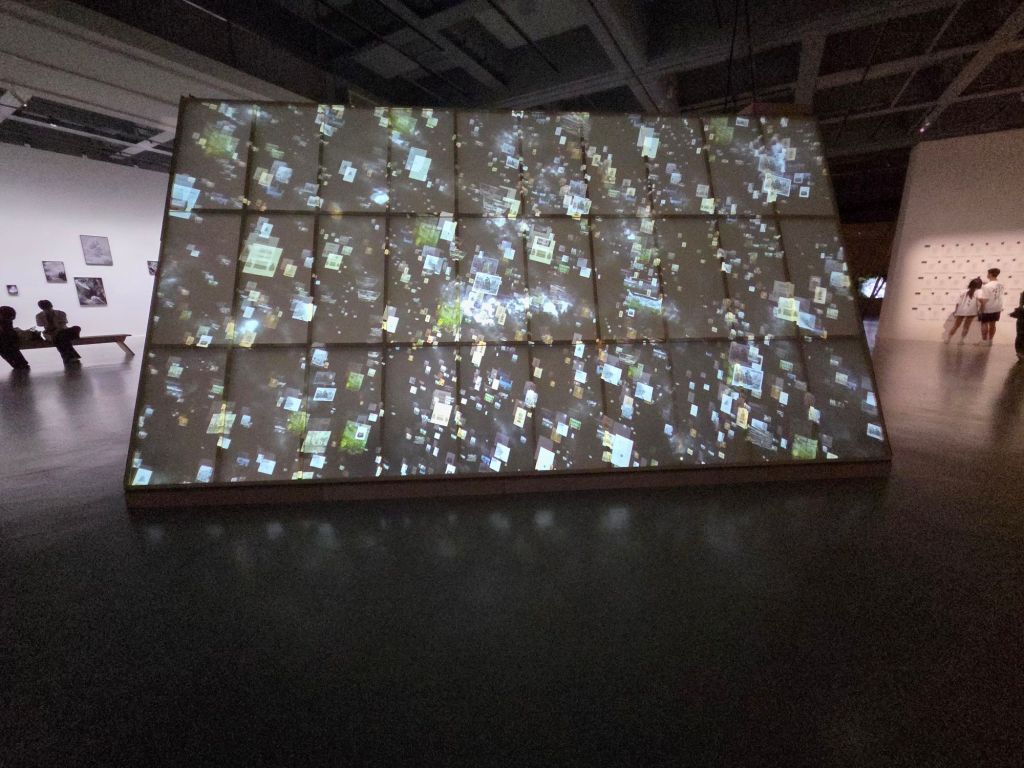
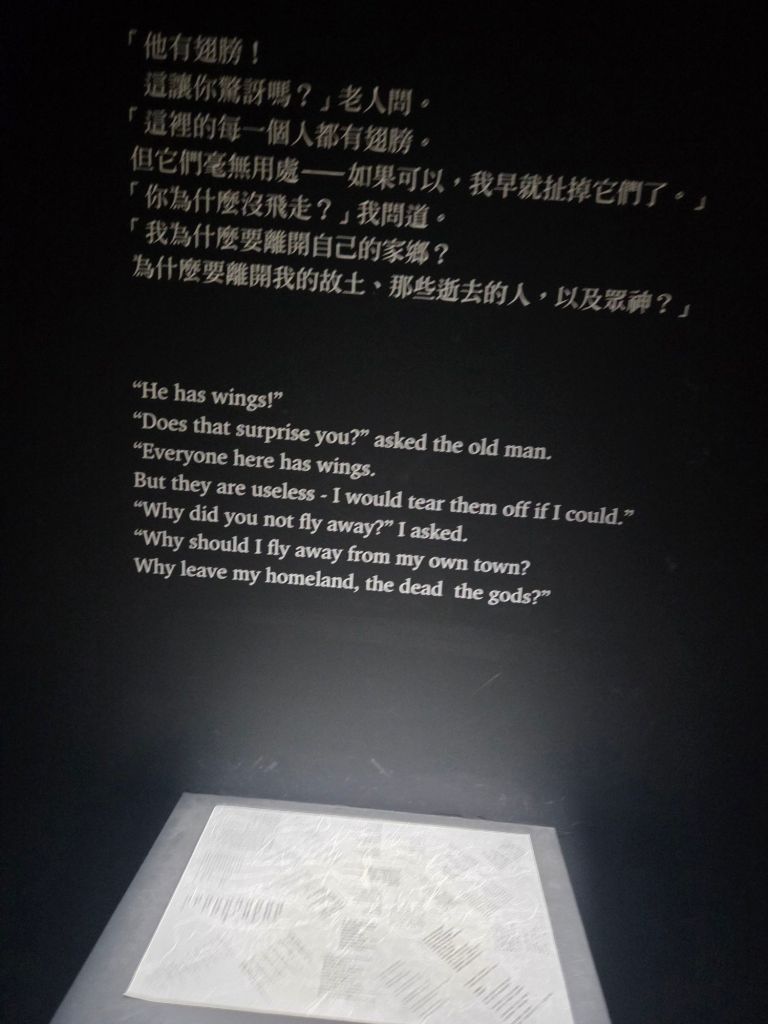
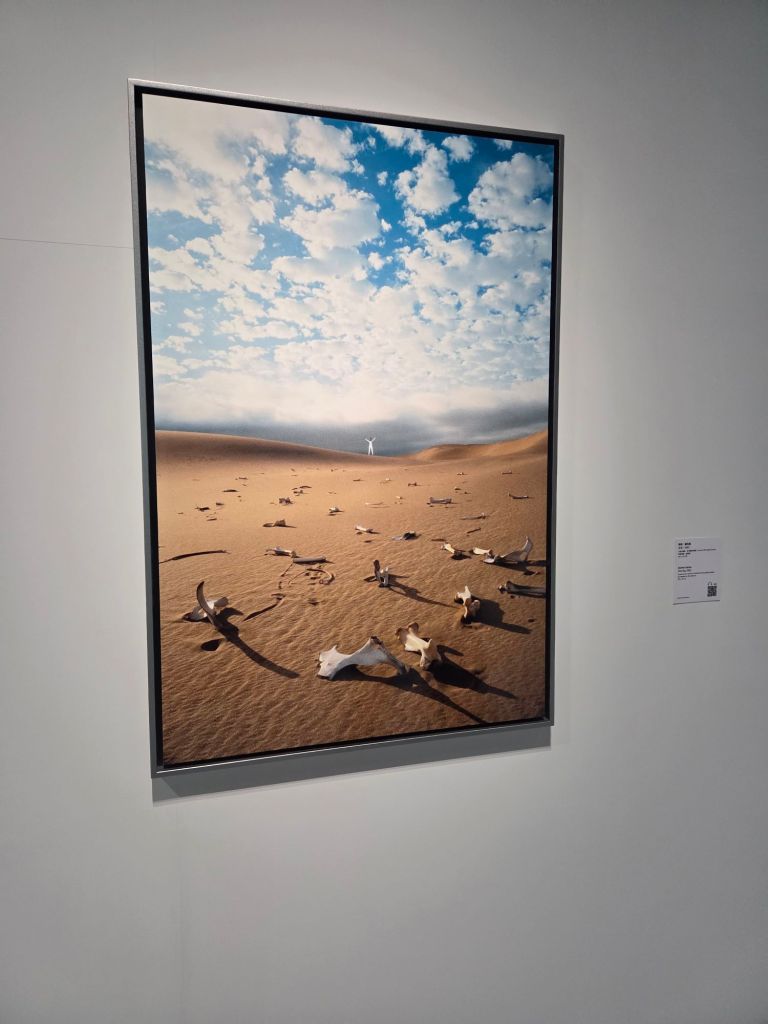
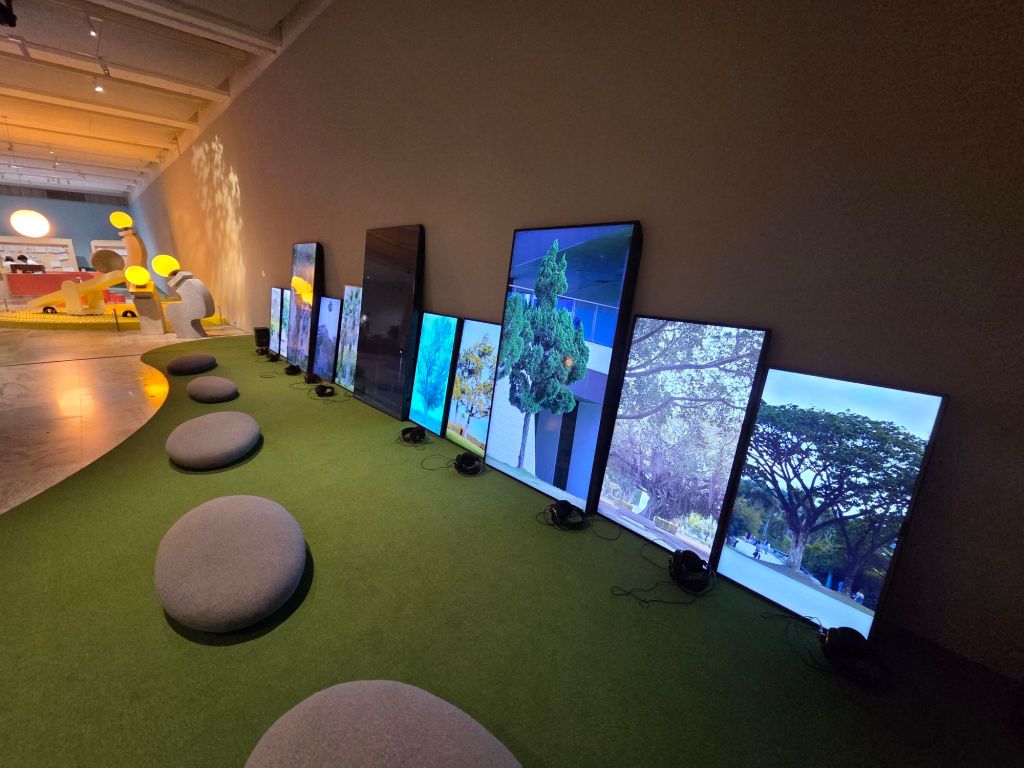
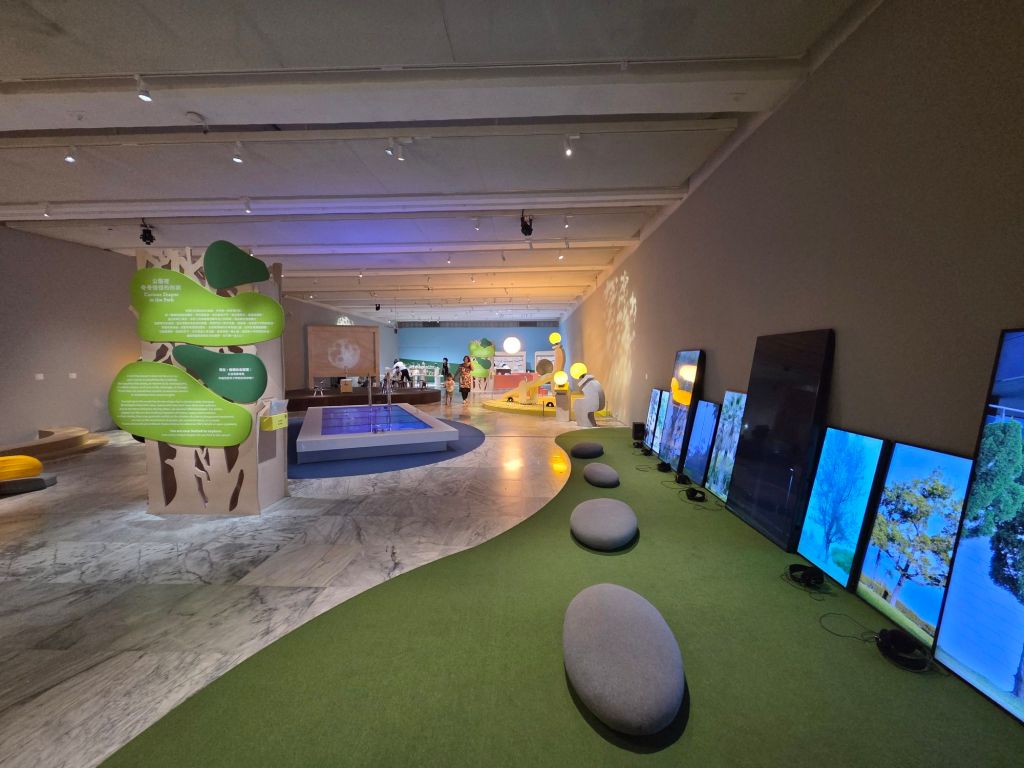
Another piece that challenged my thinking was If History Were Written by Plants by Taiwanese artist Lu Ming-Te. The artist imagines history not through the perspective of kings, governments, or military leaders, but through the eyes of nature itself. Plants, animals, insects, and birds become storytellers, suggesting that the natural world witnesses human history in ways we often overlook. It was a powerful reminder that history is not only about people. History is also about the environments in which people live and the ecosystems that endure long after conflicts have ended.
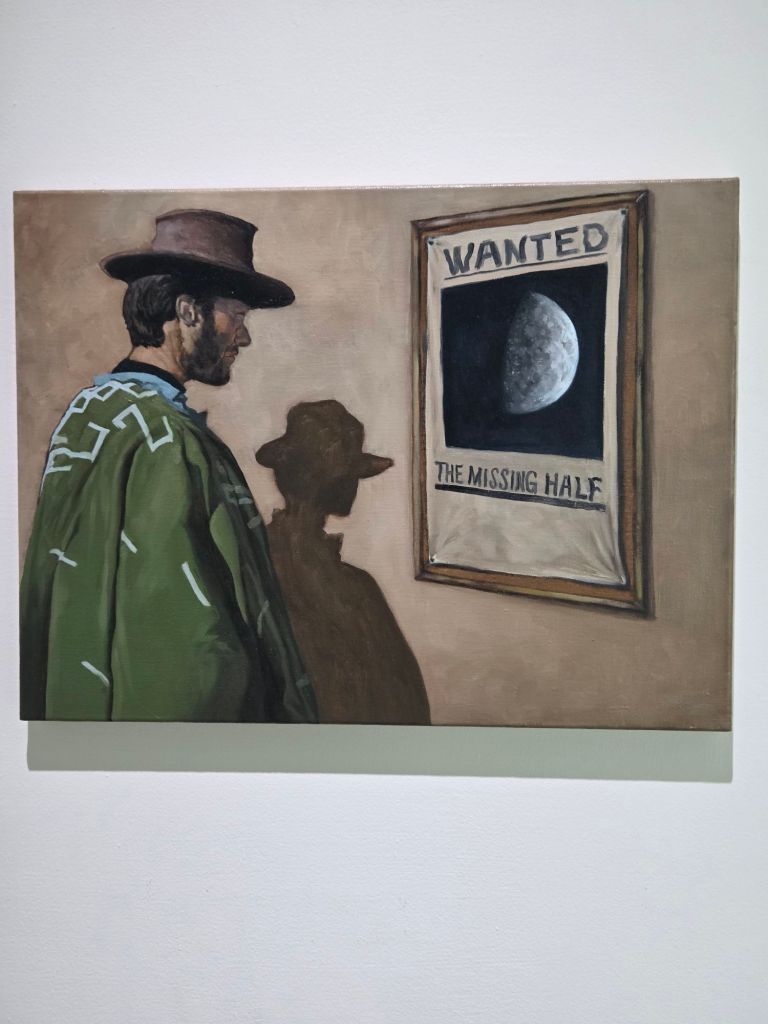
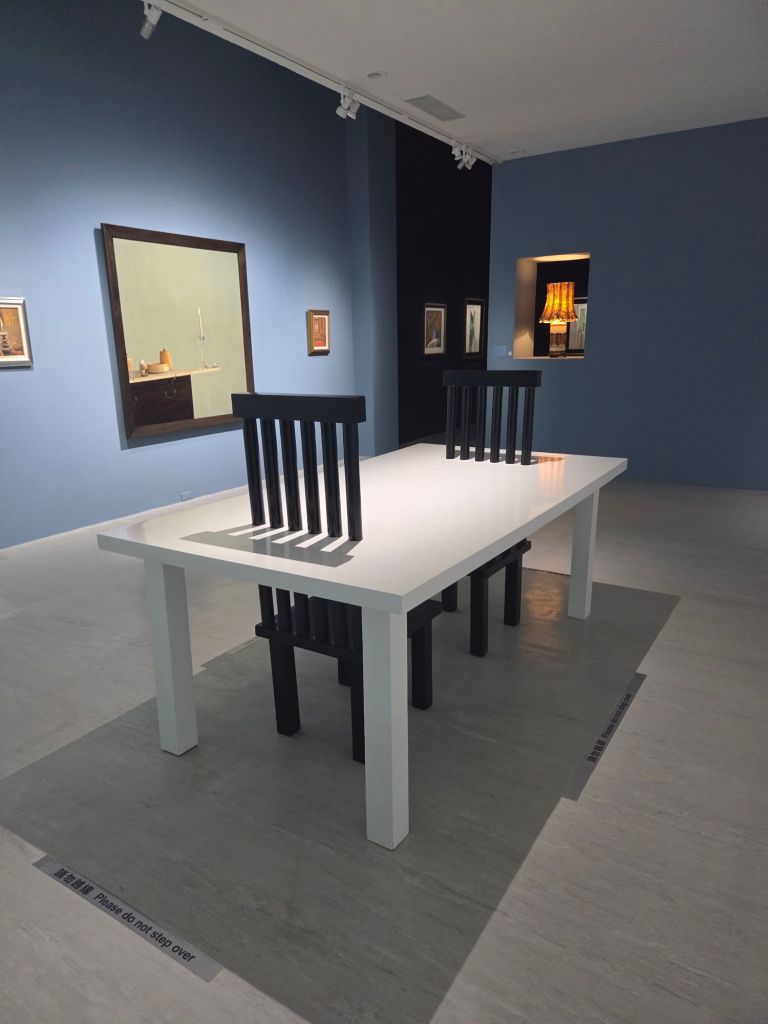
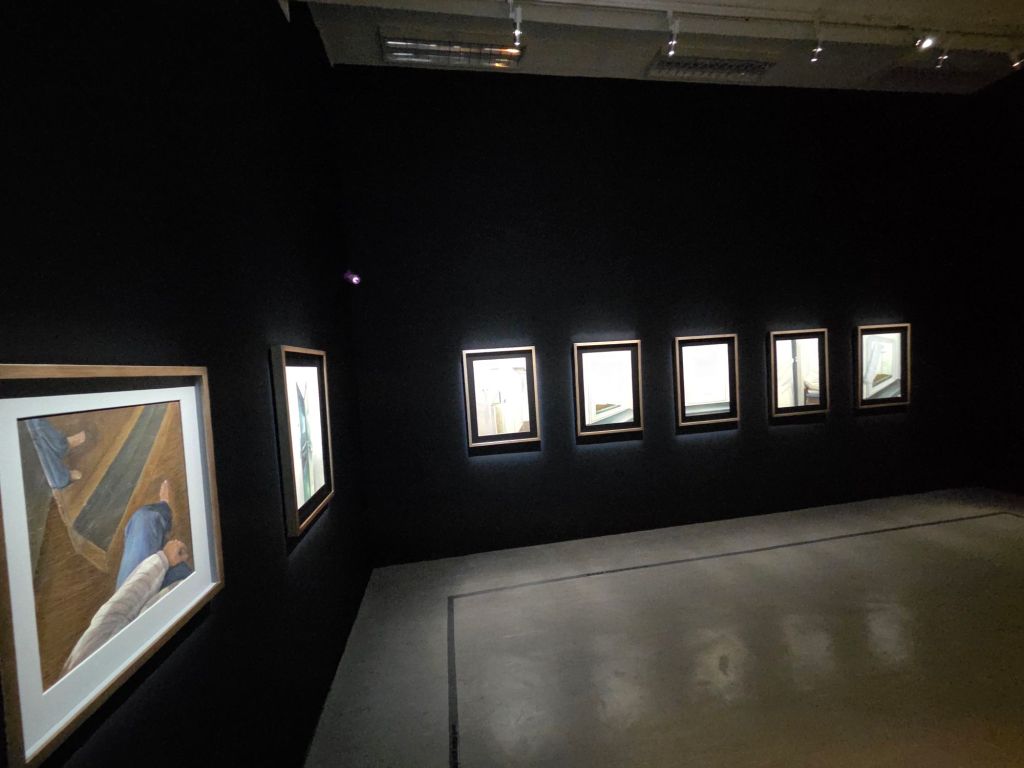
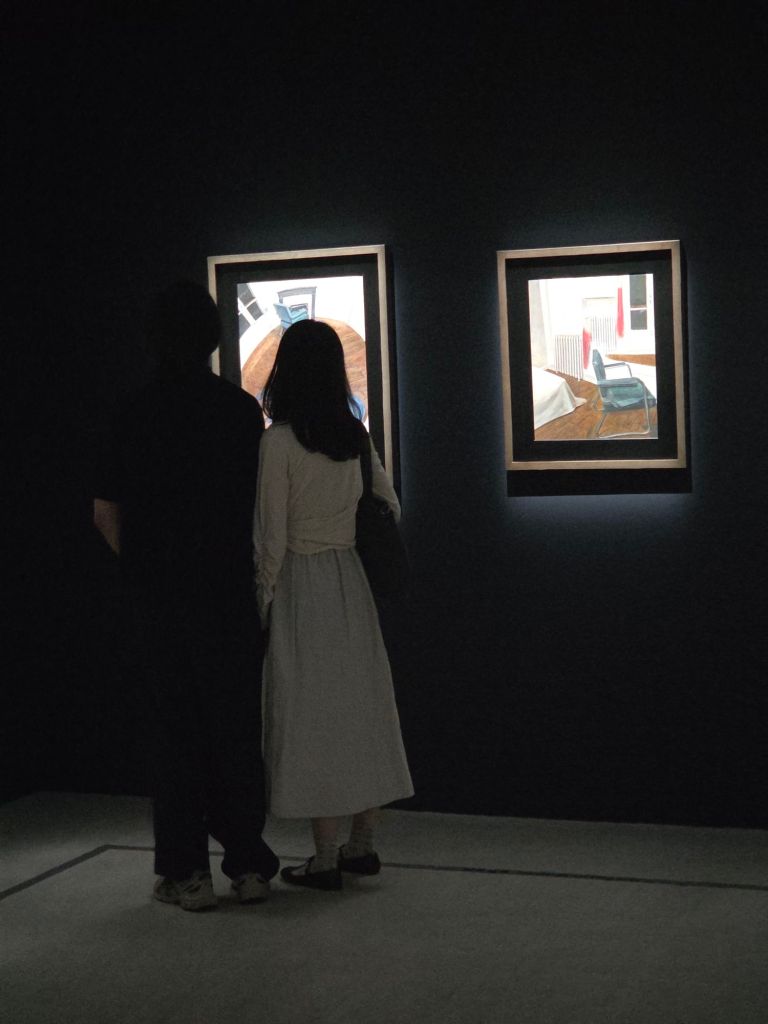
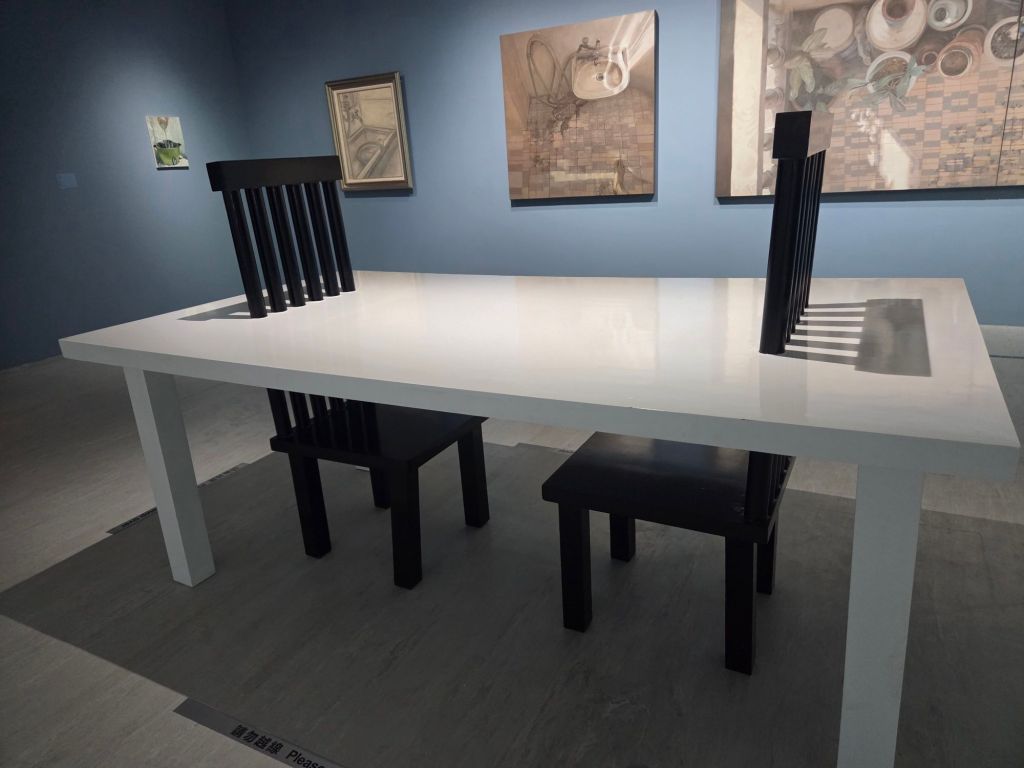
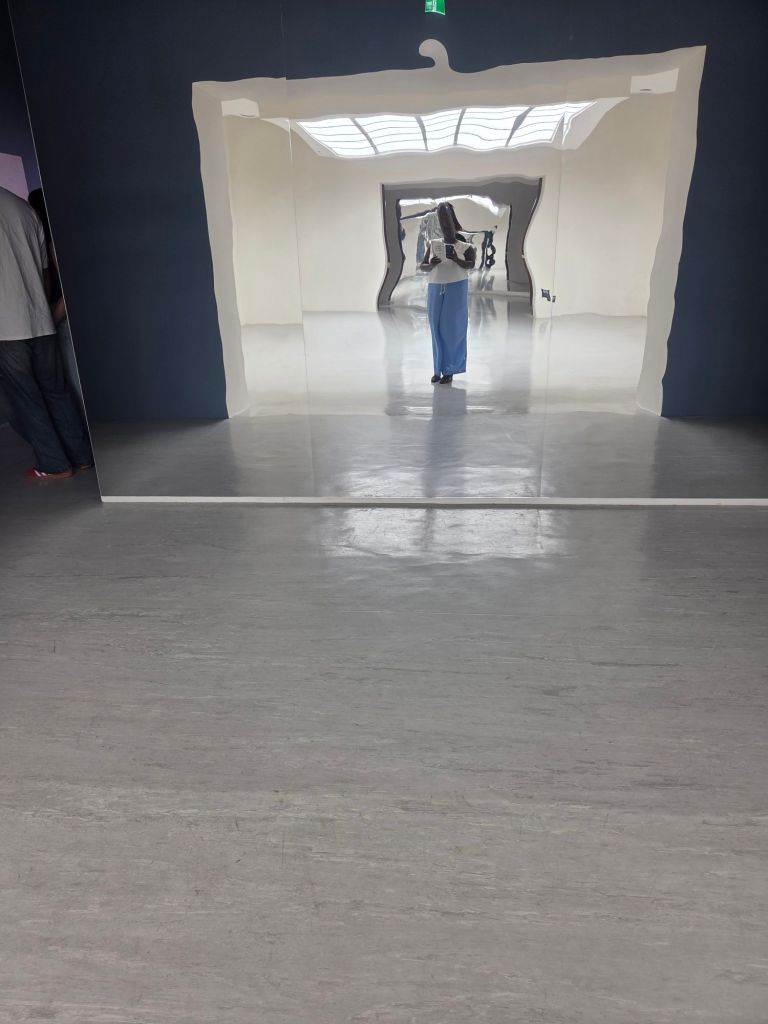
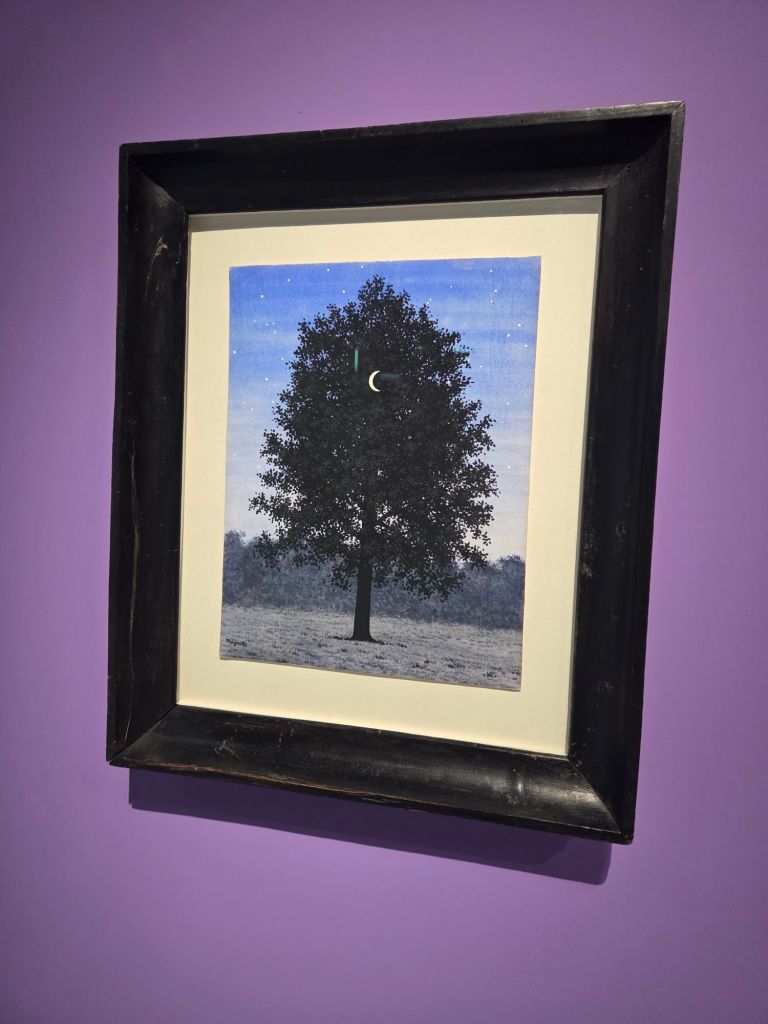
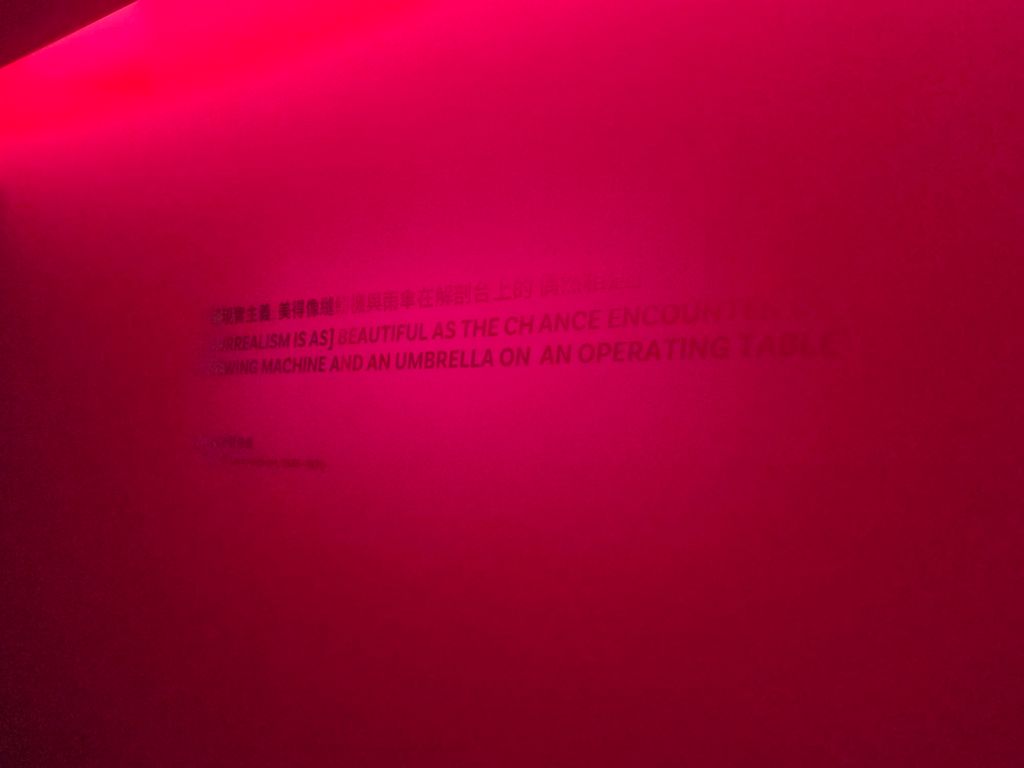
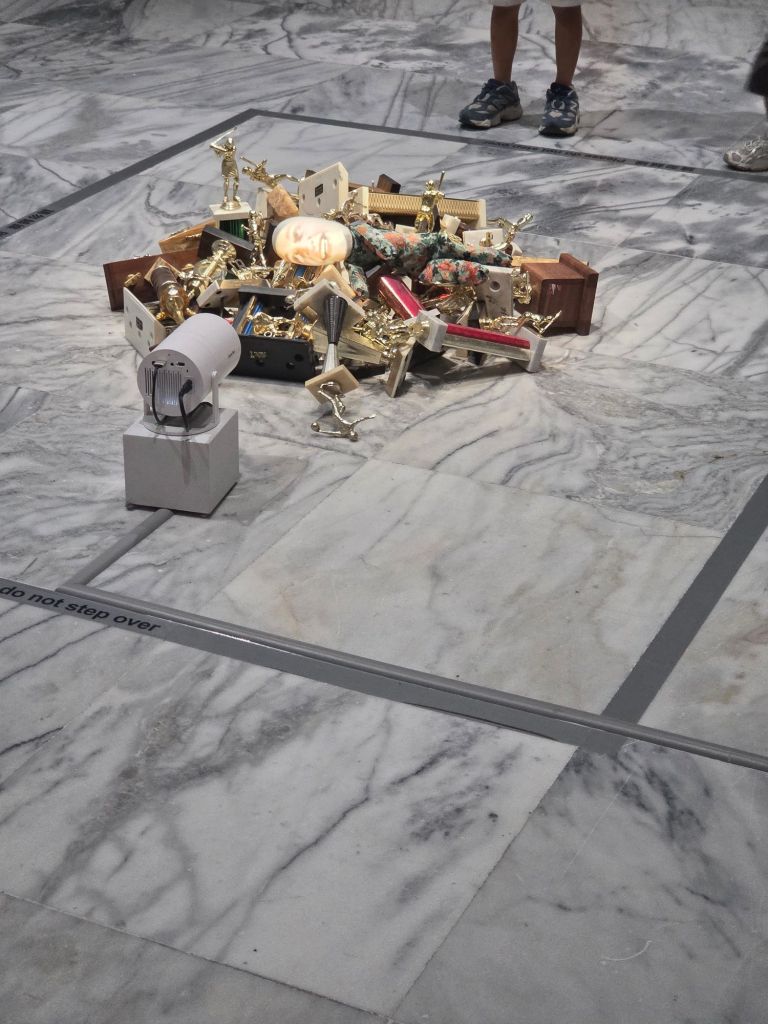
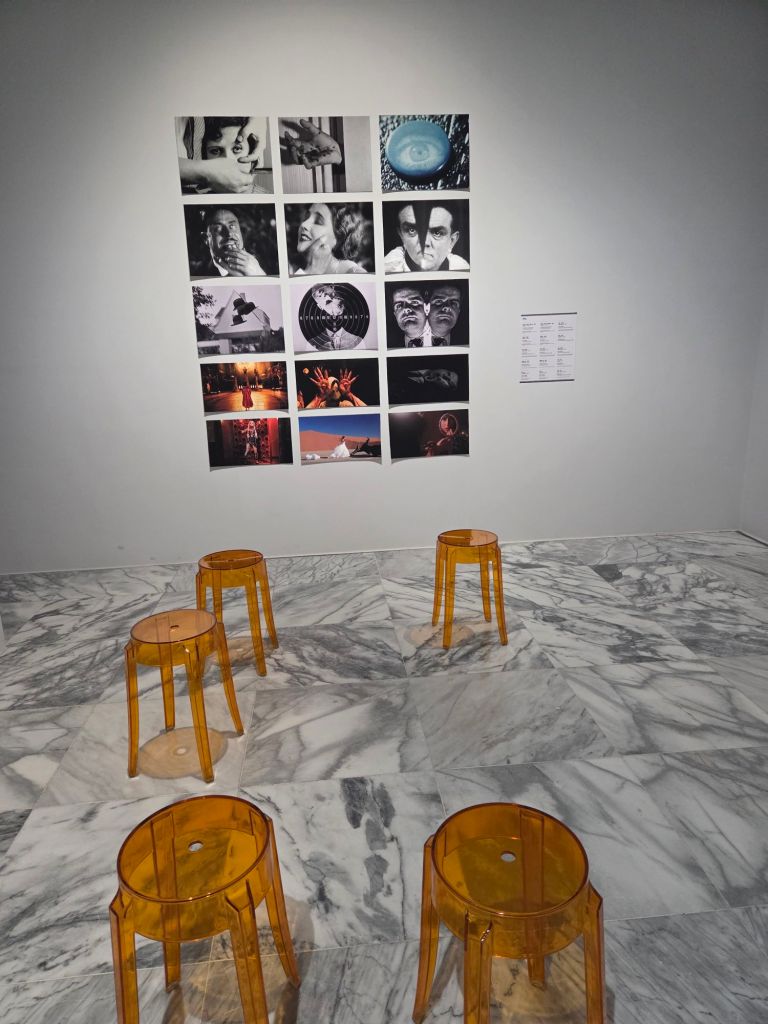
I also spent time exploring the museum’s remarkable exhibition Surrealism: Worlds in Dialogue. Featuring works by artists such as Salvador Dalí, René Magritte, and Max Ernst alongside contemporary artists, the exhibition explored how Surrealism continues to influence artists a century after André Breton published the Manifesto of Surrealism in 1924.
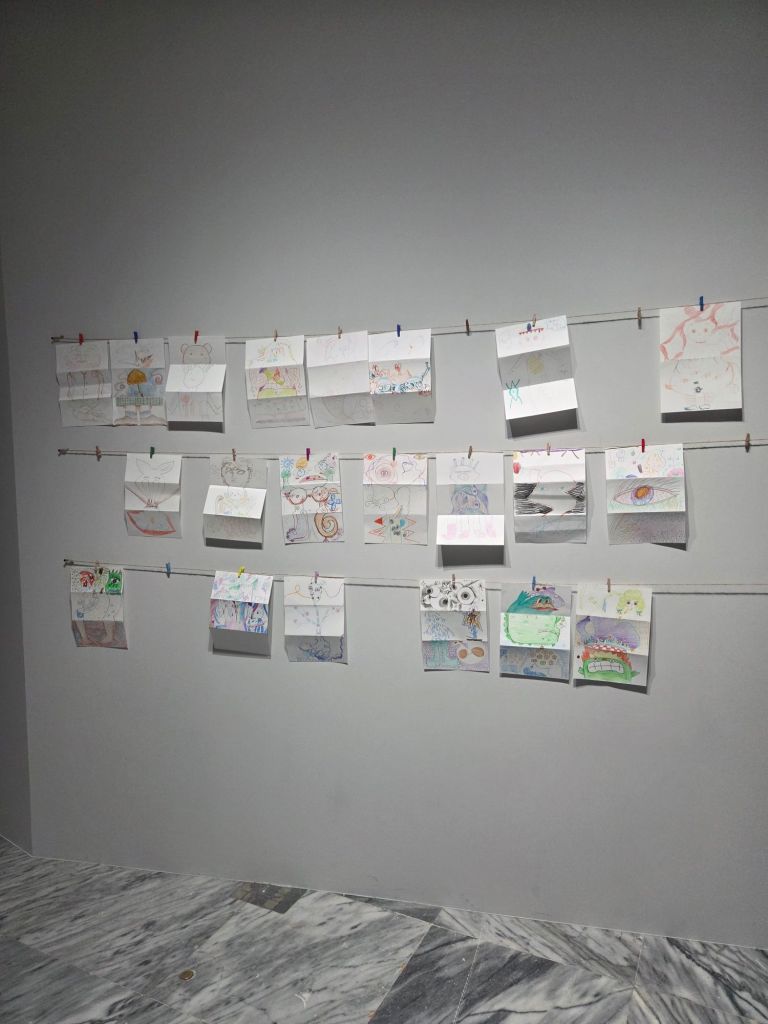
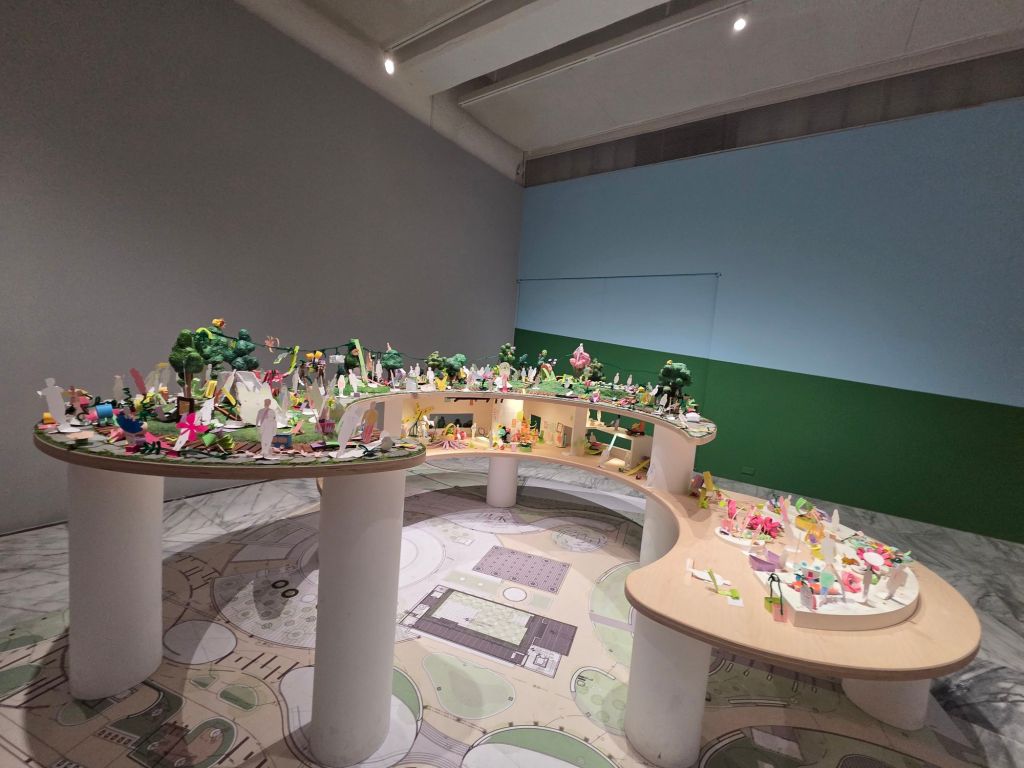
Surrealism has never been my favorite artistic movement. I’ll admit that many of the paintings left me scratching my head. But after reading the exhibit panels, I began to understand its purpose. Rather than painting the world as it appears, Surrealist artists sought to explore dreams, unconscious thoughts, fears, desires, and the irrational parts of the human mind. They challenged viewers to question what is real, what is imagined, and how our own experiences shape the way we interpret the world. Museum visitors had space to create their own original drawings that were hung up on display.
As an educator, that was perhaps my greatest takeaway.
Learning doesn’t always happen when something immediately makes sense. Sometimes the greatest learning happens when we encounter ideas that initially confuse us, forcing us to slow down, ask questions, and consider perspectives different from our own.
That is exactly what this museum encouraged me to do.
The Taipei Fine Arts Museum isn’t simply a place to admire beautiful artwork. It is a place that invites curiosity, critical thinking, and meaningful conversations. It asks visitors not just to look at art but to reflect on history, memory, identity, nature, conflict, and the human experience itself.
The National Palace Museum preserved the treasures of the past. The Taipei Fine Arts Museum challenged me to think about the present and to also imagine the future.
Both reminded me why I love learning. And both will undoubtedly influence how I teach my students back home.