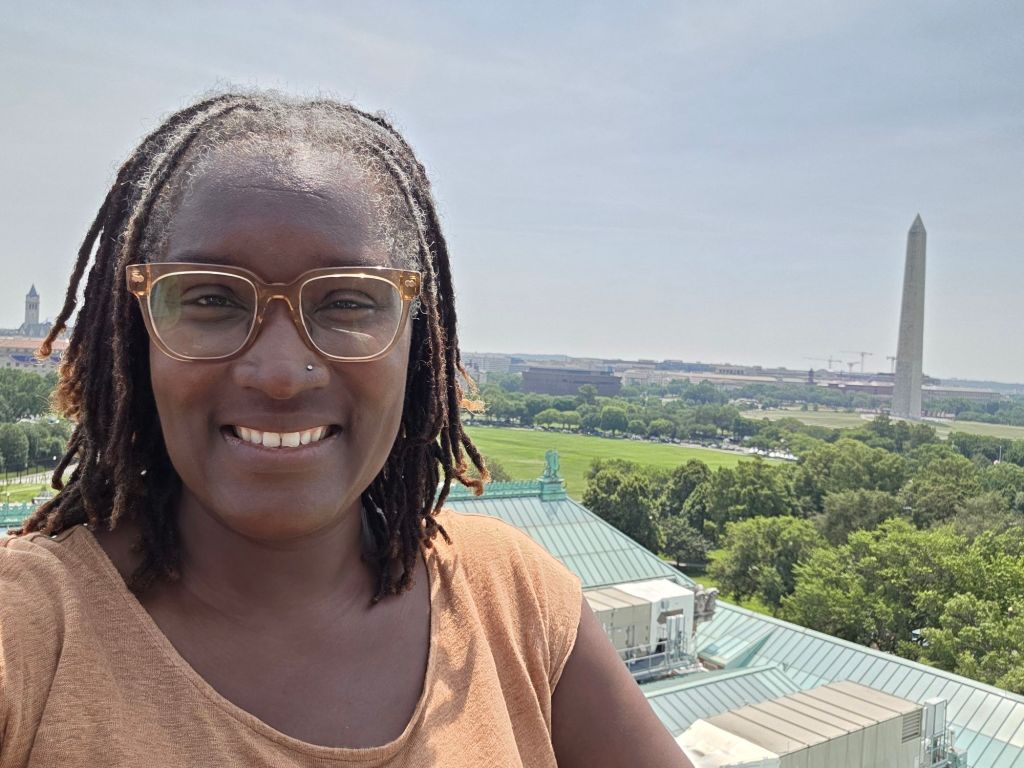
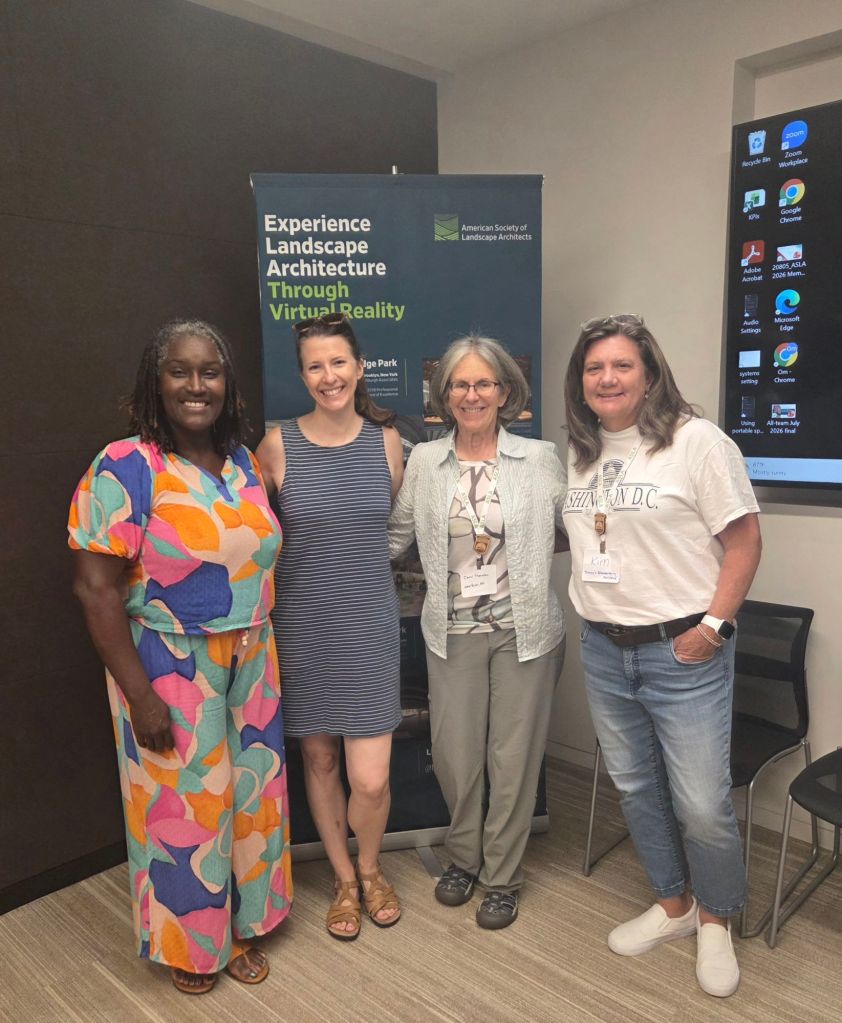
Last summer was absolutely jam-packed, and I simply couldn’t fit everything into my schedule. I’m so grateful that I was able to attend the American Society of Landscape Architects (ASLA) Design Academy for educators in Washington, D.C.
If you’ve followed my professional journey, you’ve probably heard me say this before, but it’s true: professional development continues to open my eyes to new ways of thinking and learning. It challenges me to step outside my comfort zone, try things I might never have considered, and ultimately become a better educator for my students.
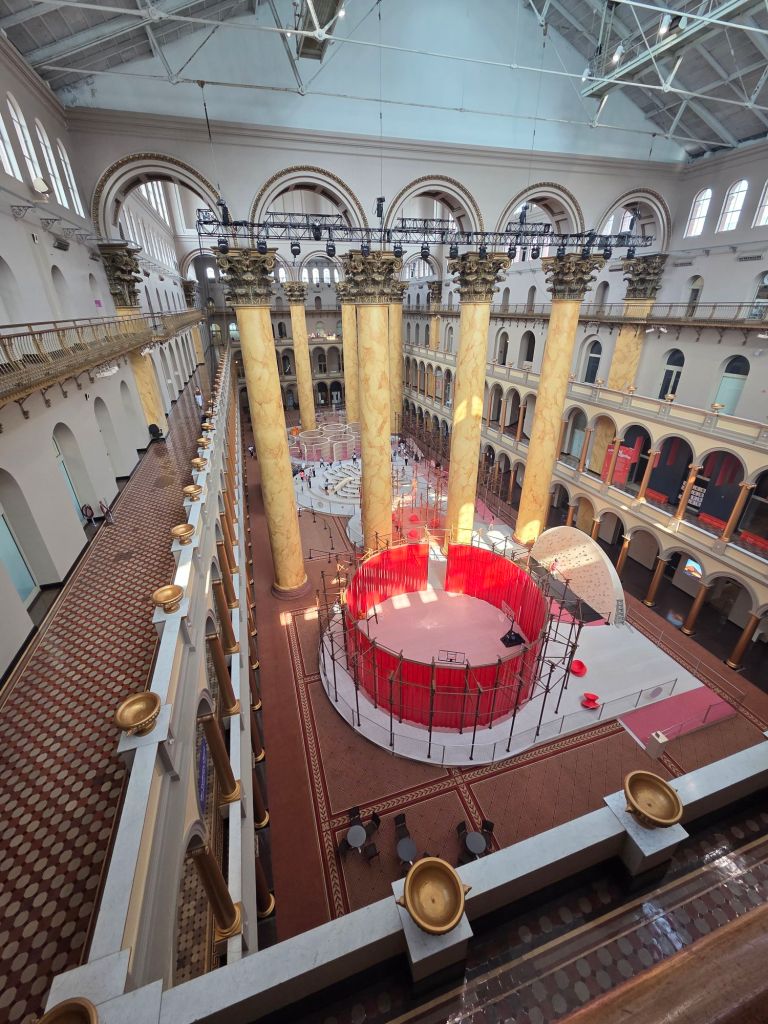
I’ve always appreciated beautiful landscapes, botanical gardens, and architecture. Years ago, when I taught fourth grade in the West Chester Area School District, I remember taking my students on a walking tour of historic West Chester. We learned to look up, to notice the dates carved into buildings, the decorative metalwork, rooflines, and architectural details that reveal a building’s history. That experience taught me to slow down and truly observe my surroundings.
I’ve also enjoyed visiting botanical gardens throughout the years. One of my favorites is Longwood Gardens in Kennett Square, Pennsylvania. Every visit offers something different as the flowers, colors, and seasonal displays change throughout the year. I’ve always admired the artistry behind those spaces, but this professional development helped me understand the incredible planning, science, creativity, and collaboration required to design them.
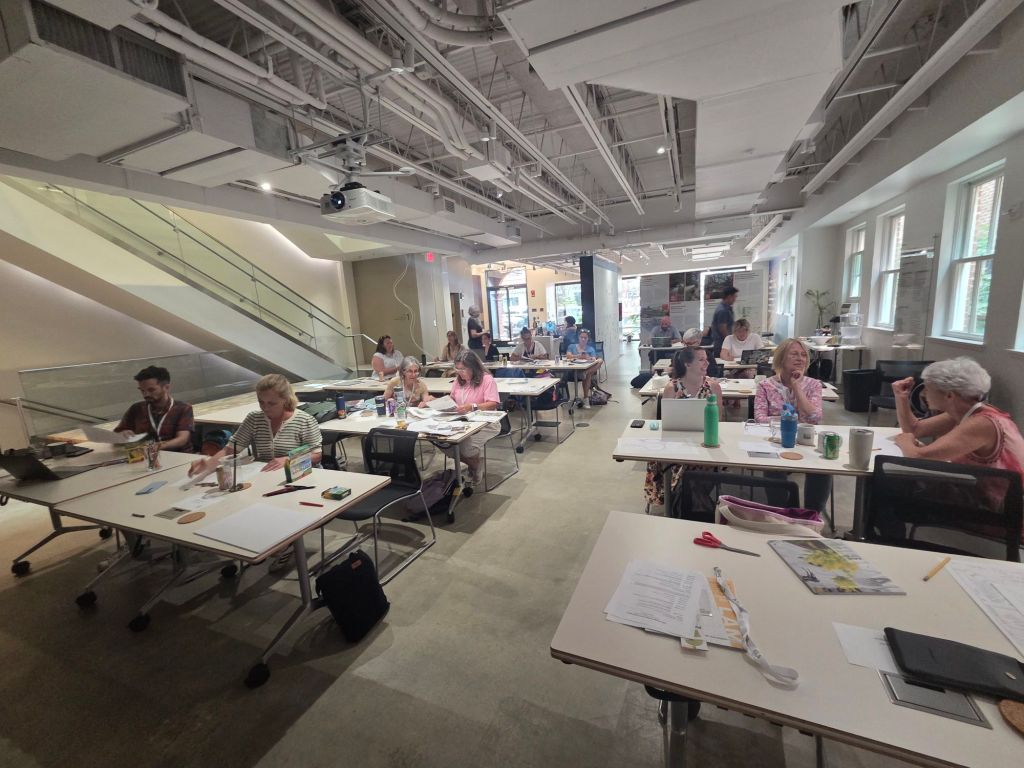
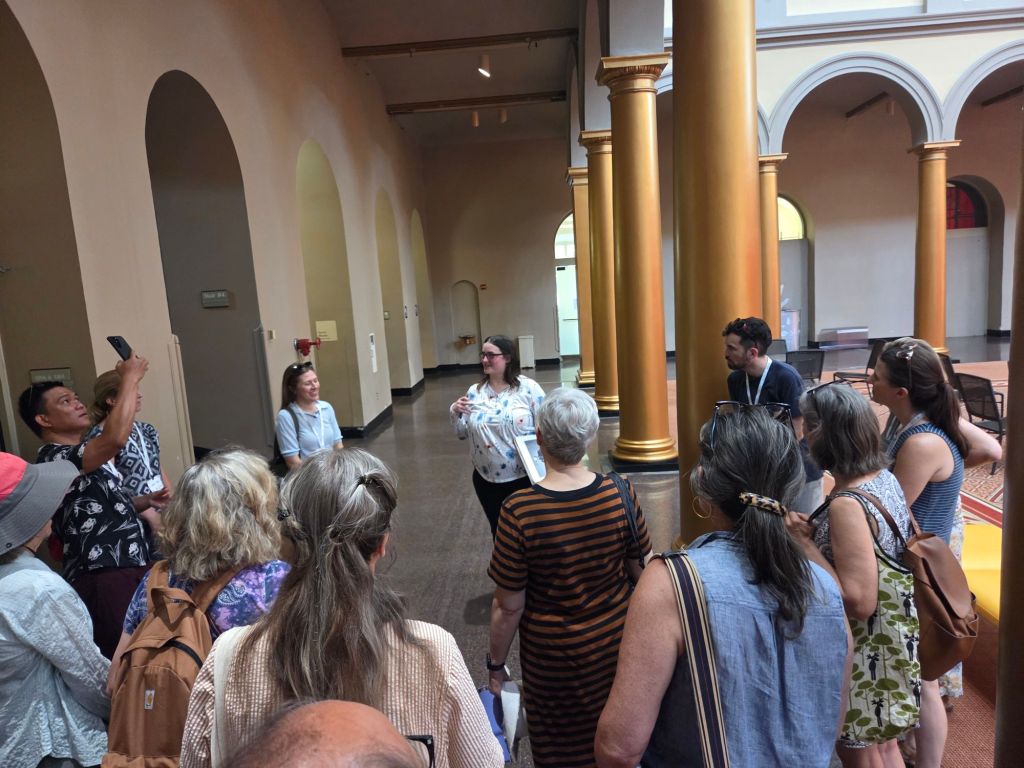
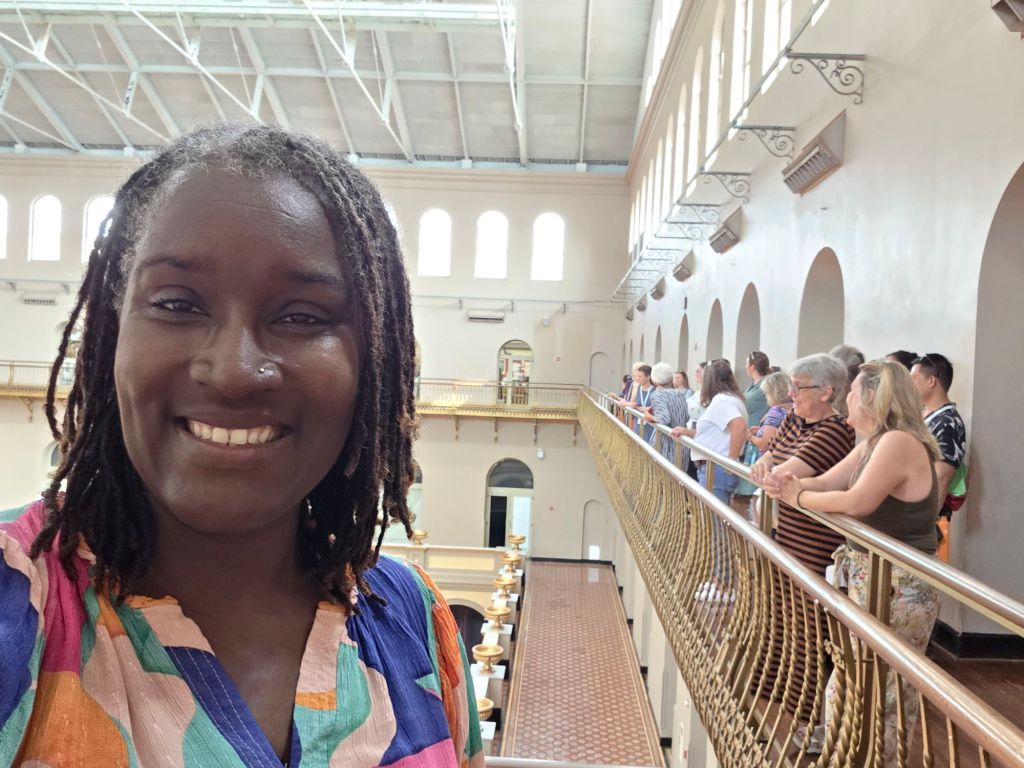
One of the greatest strengths of the Design Academy was learning alongside teachers from many different grade levels and subject areas. Together, we explored the role of landscape architects and discovered how their work extends far beyond planting flowers or designing parks.
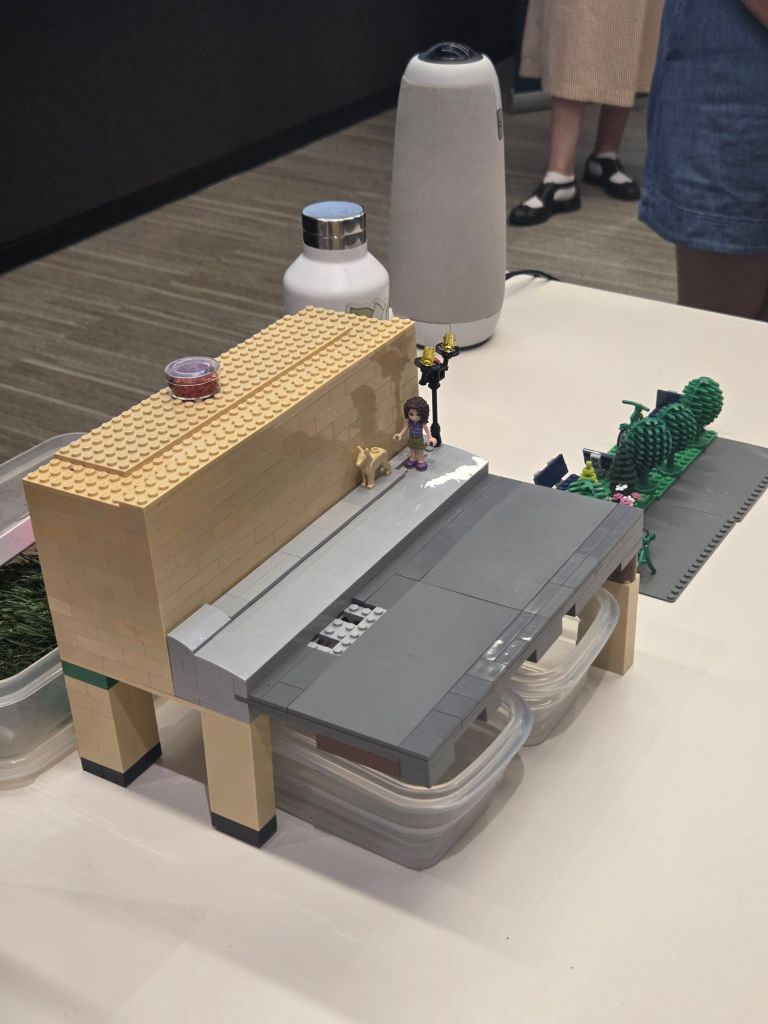
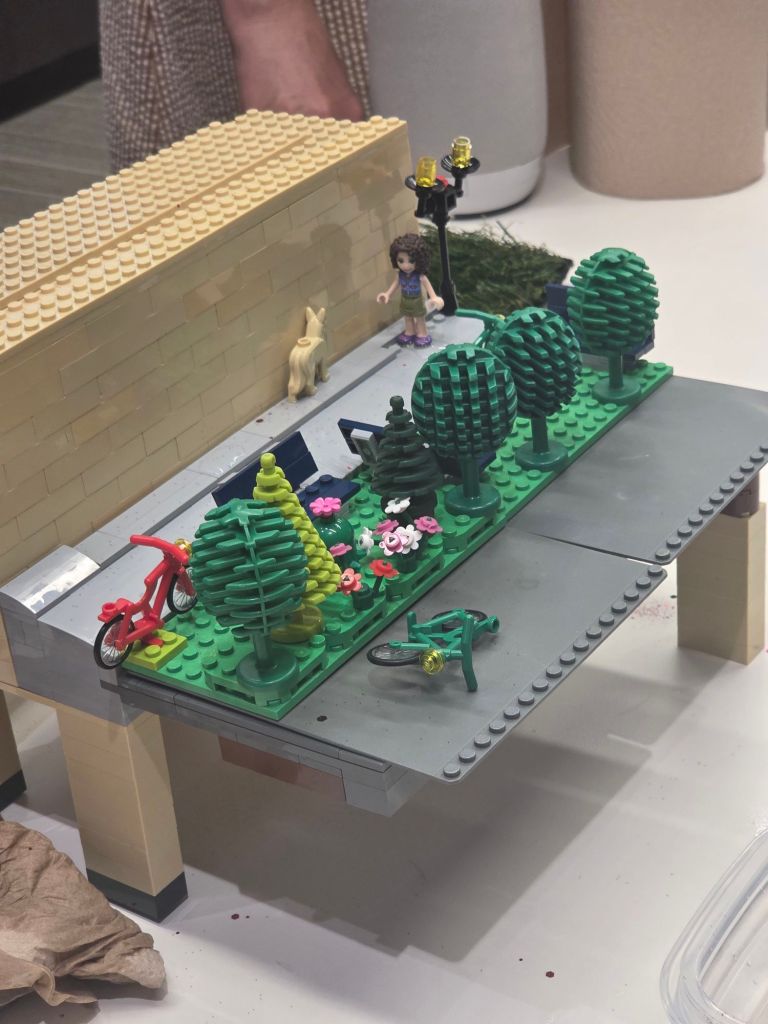
I learned that while architects design the buildings themselves, landscape architects carefully design everything surrounding those buildings—the parks, playgrounds, gardens, plazas, and outdoor spaces where people gather, play, reflect, and build community.
What impressed me most was learning about the design process itself. We explored how children interact with outdoor spaces through curiosity, imagination, movement, and play. Rather than creating rigid environments, landscape architects intentionally design flexible spaces that encourage creativity and allow children to discover new ways to engage with the world around them.
I also gained a new appreciation for the tremendous collaboration required in this profession. Every project involves communication with community members, local officials, engineers, environmental specialists, and many other stakeholders. Building trust, navigating regulations, understanding zoning requirements, and balancing the needs of an entire community all play an important role in creating spaces that will serve people for generations.
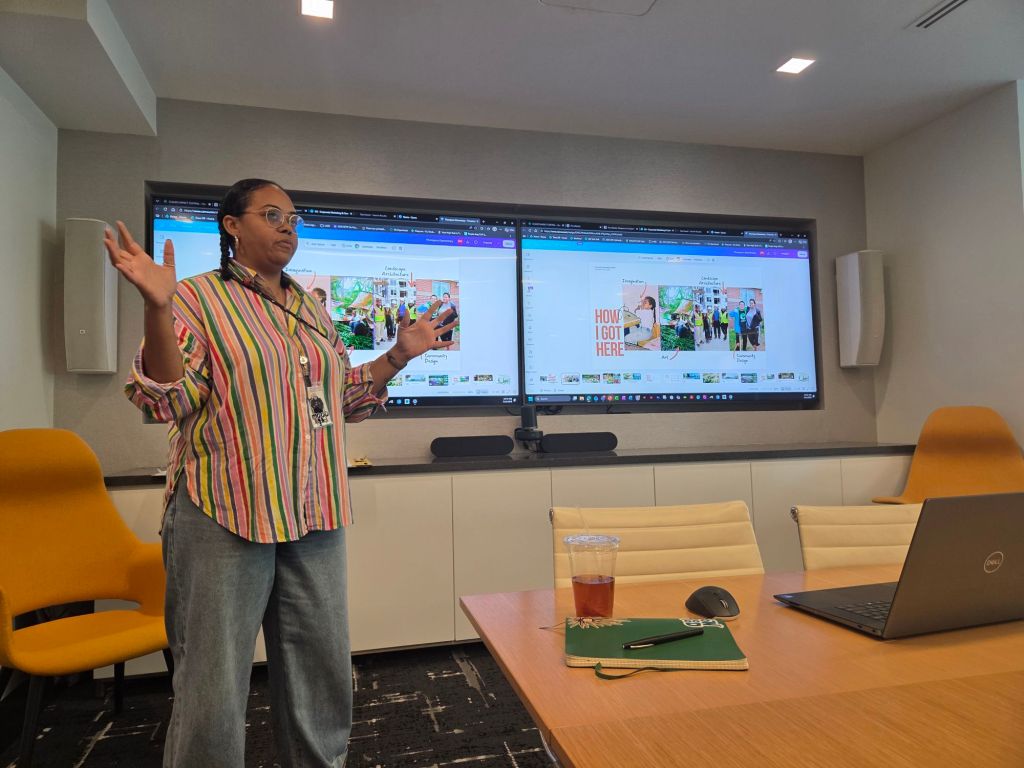
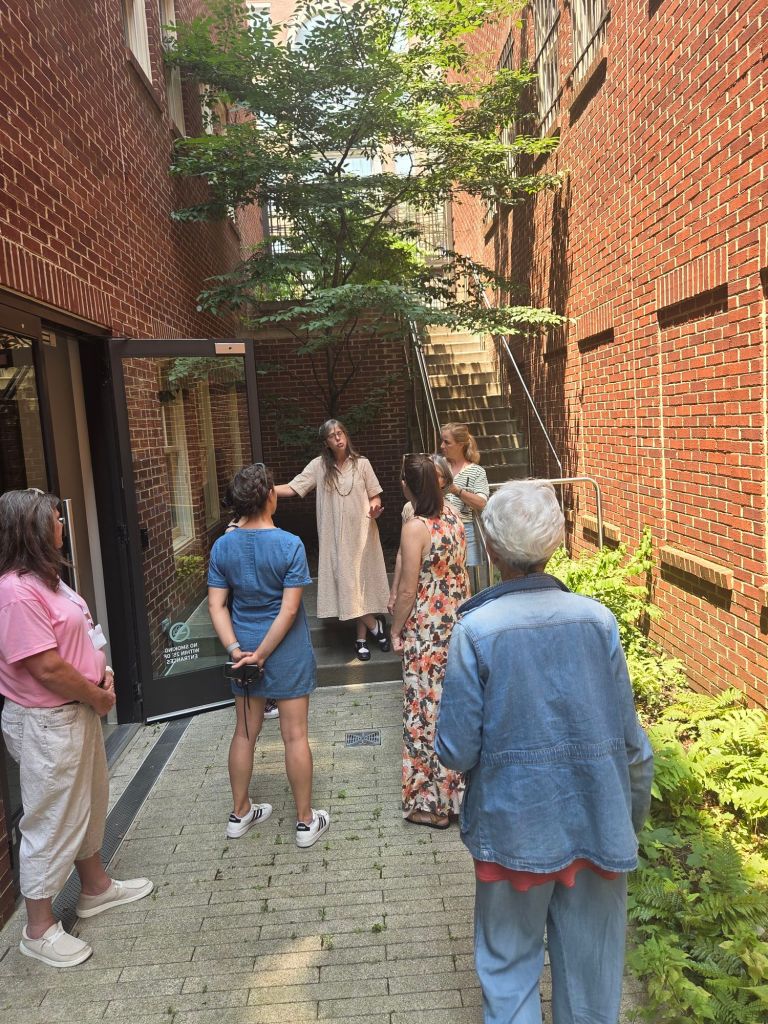
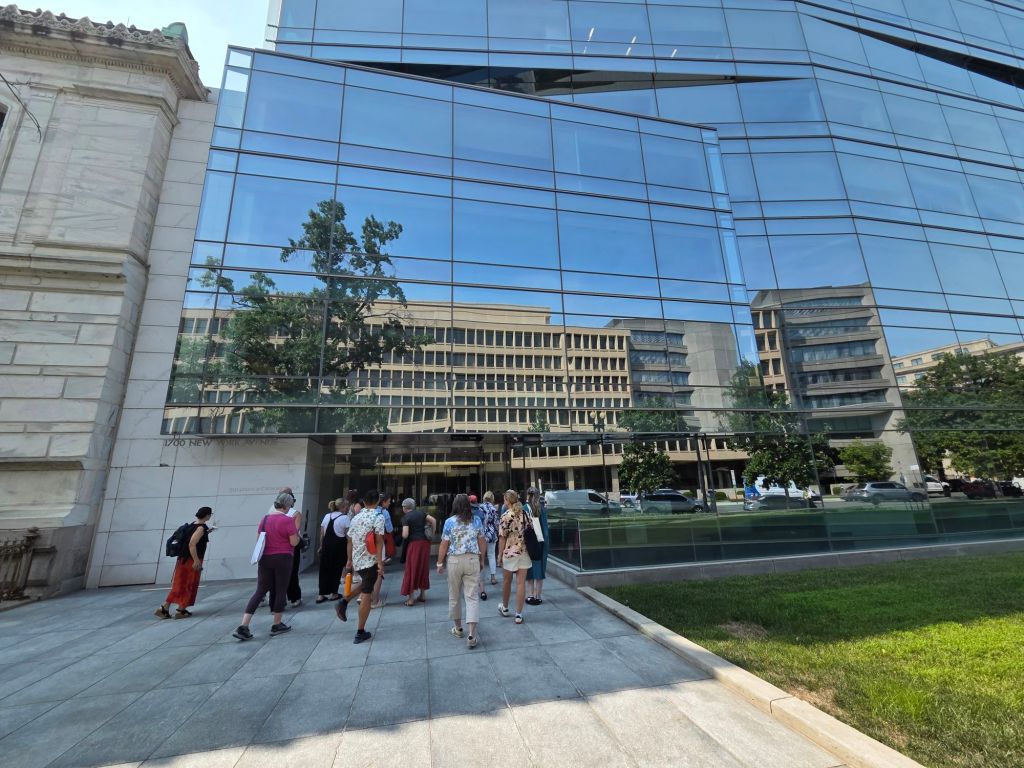
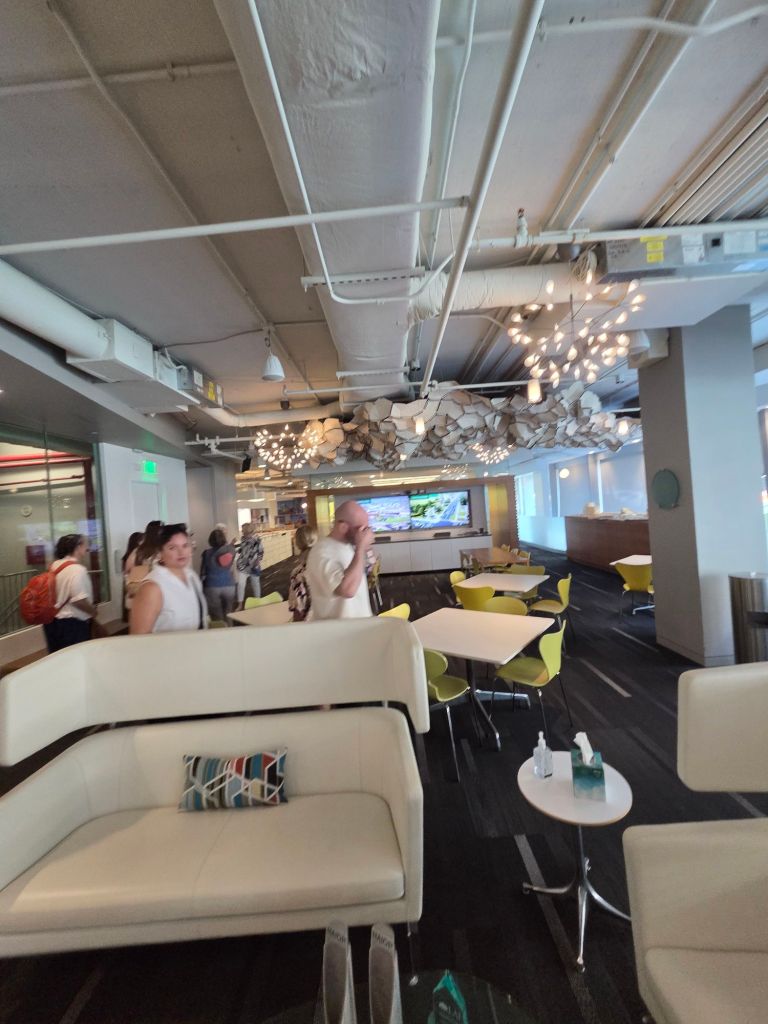
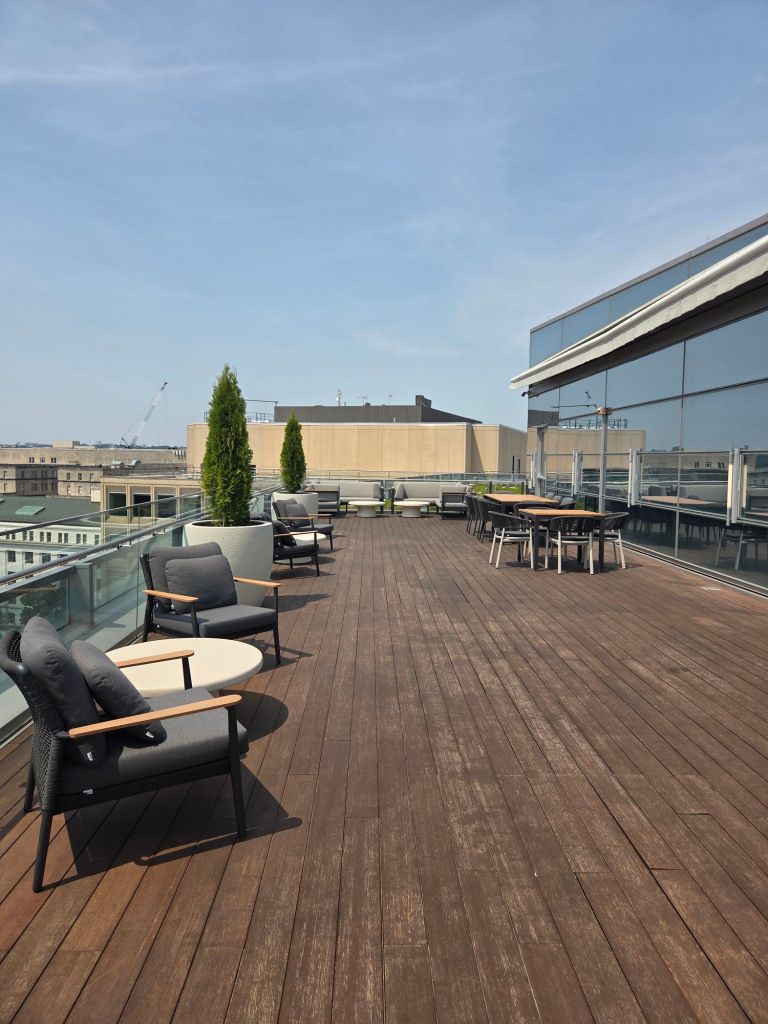
One of the highlights of the week was visiting an integrated dedign firm. Walking through the offices, seeing projects in development, and even experiencing a rooftop green space designed by the firm brought everything we had learned to life. Standing inside spaces that had been intentionally designed by the very people explaining the process was an unforgettable experience.
The Design Academy itself was exceptionally well organized. Despite the July heat in Washington, D.C., the organizers made sure teachers were comfortable throughout the week. We enjoyed wonderful meals, stayed well hydrated, and appreciated the thoughtful pacing of the sessions, complete with regular breaks.
I left with a much deeper respect for landscape architects and the lasting impact of their work. Every thoughtfully designed playground, park, schoolyard, memorial, or public garden tells a story. More importantly, each one has the power to shape how people connect with nature, with one another, and with their communities.
As an elementary teacher, I returned inspired to help my students see the world differently—to look up, look around, ask questions, and recognize that every space has been intentionally designed by someone hoping to make life just a little bit better for everyone who uses it. summer was jammed pack and I couldnt do it all. I am glad I was able to attend this ASLA PD for educators.

 Shawnette Brown