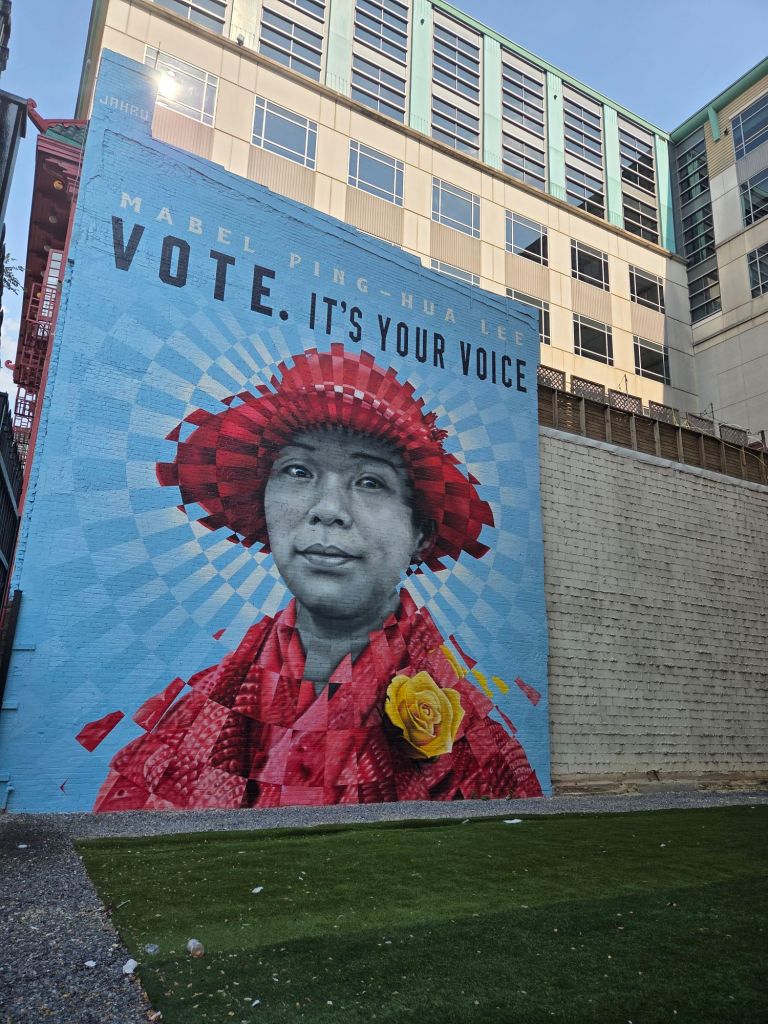
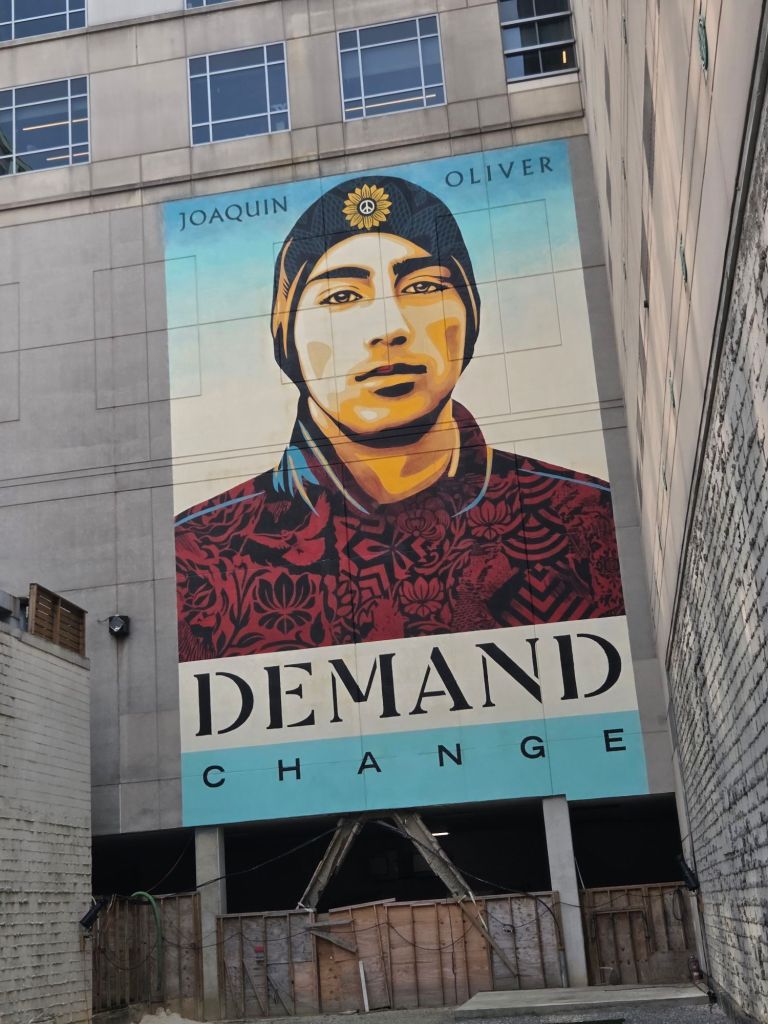
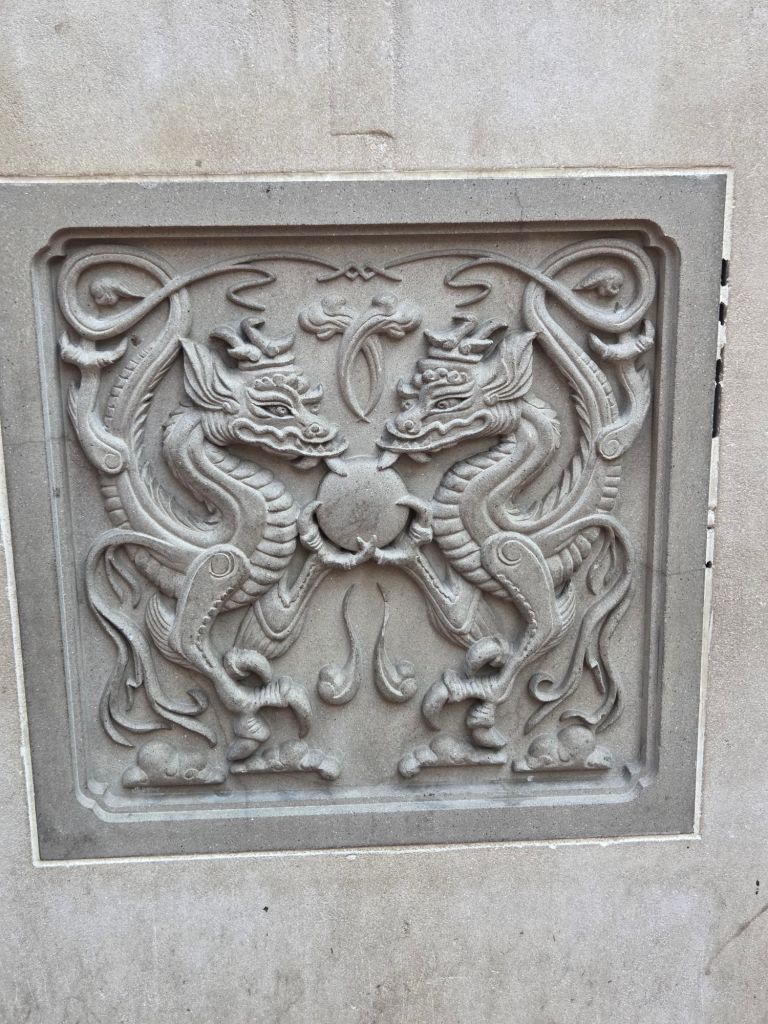
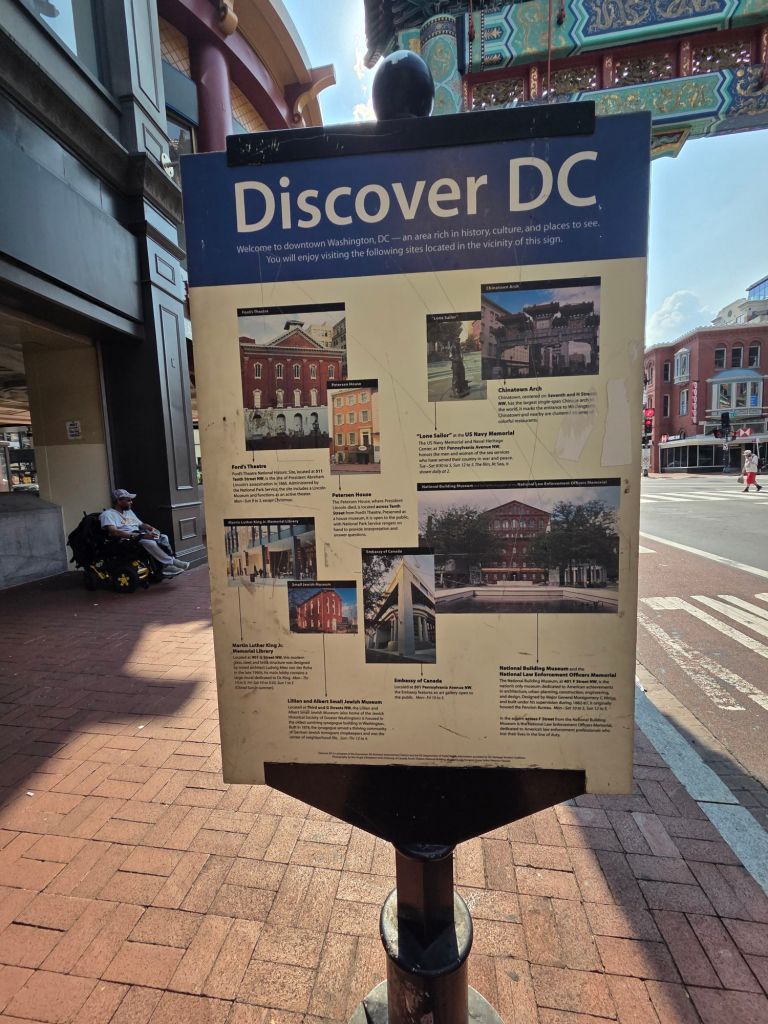
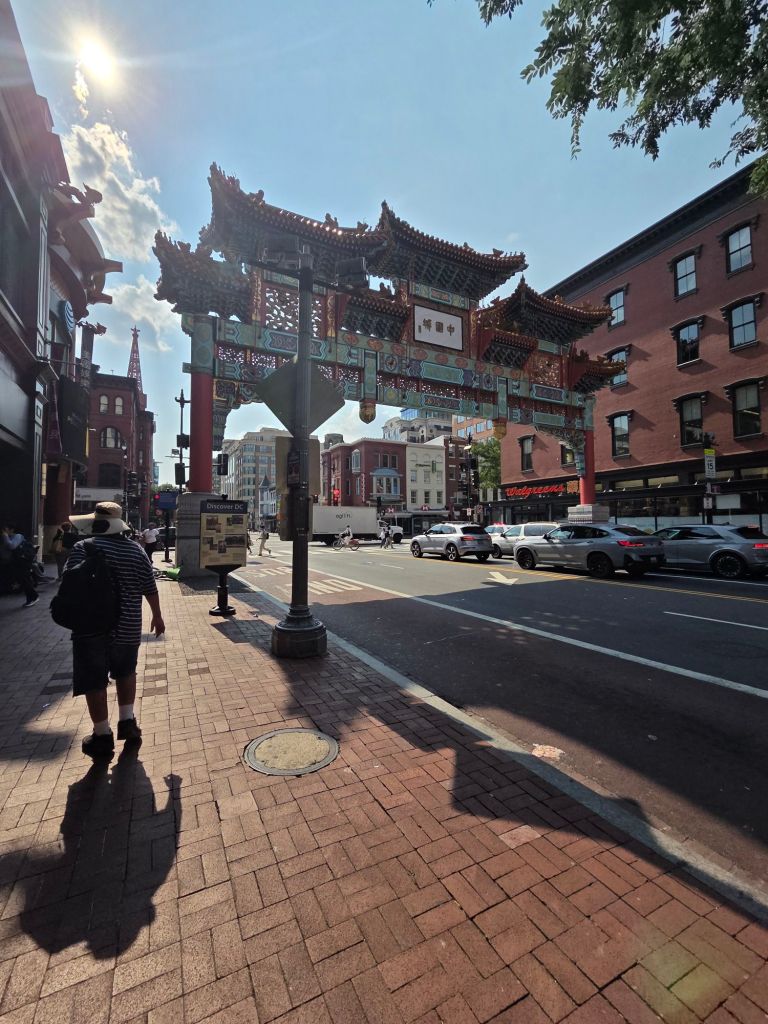
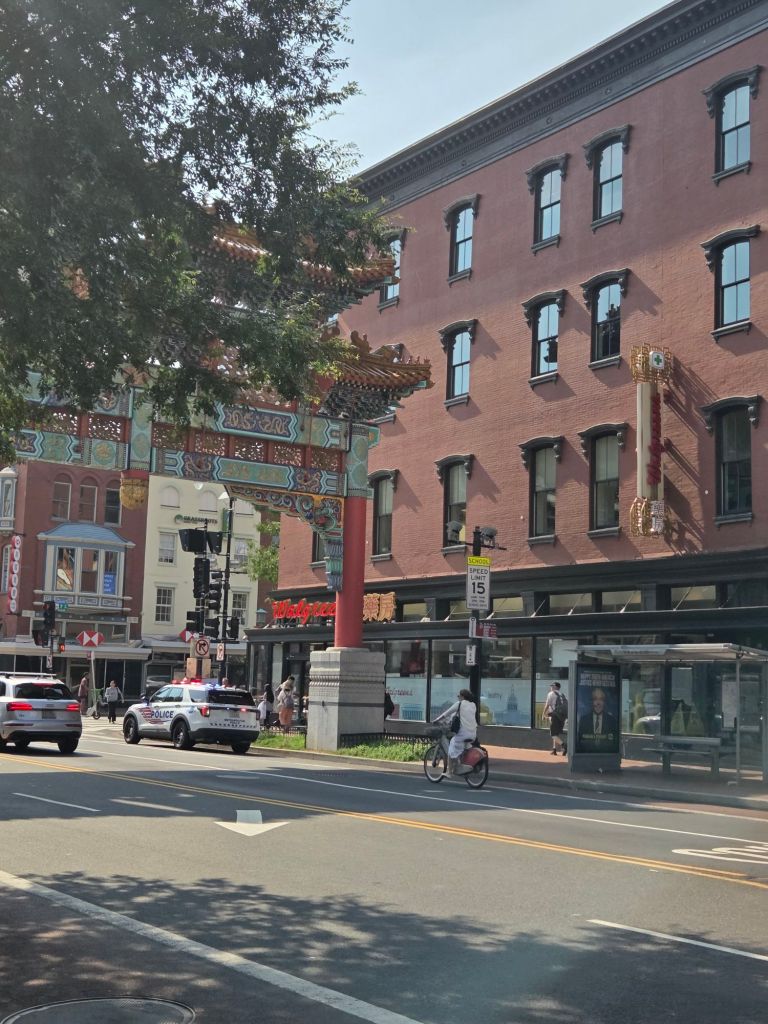
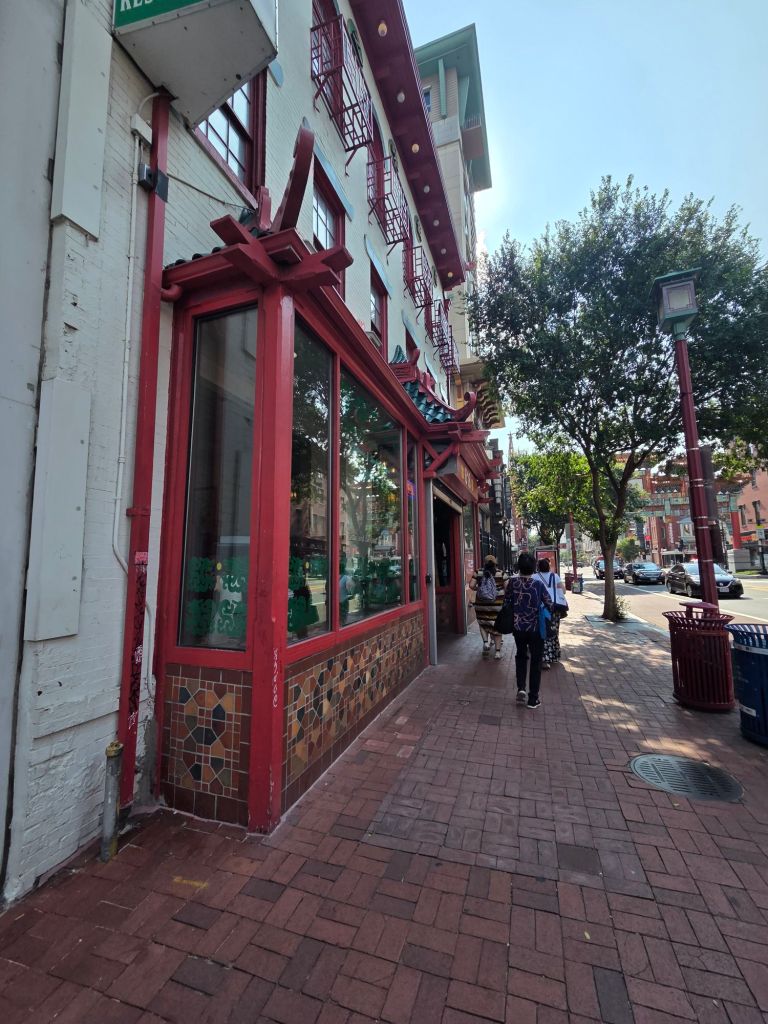
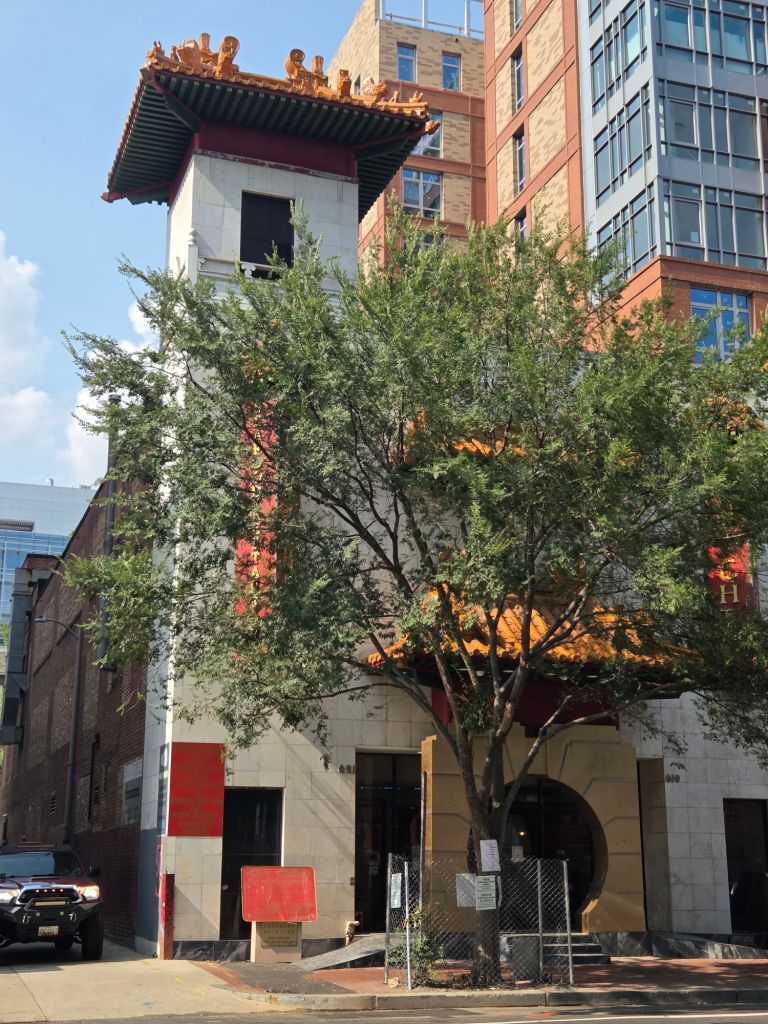
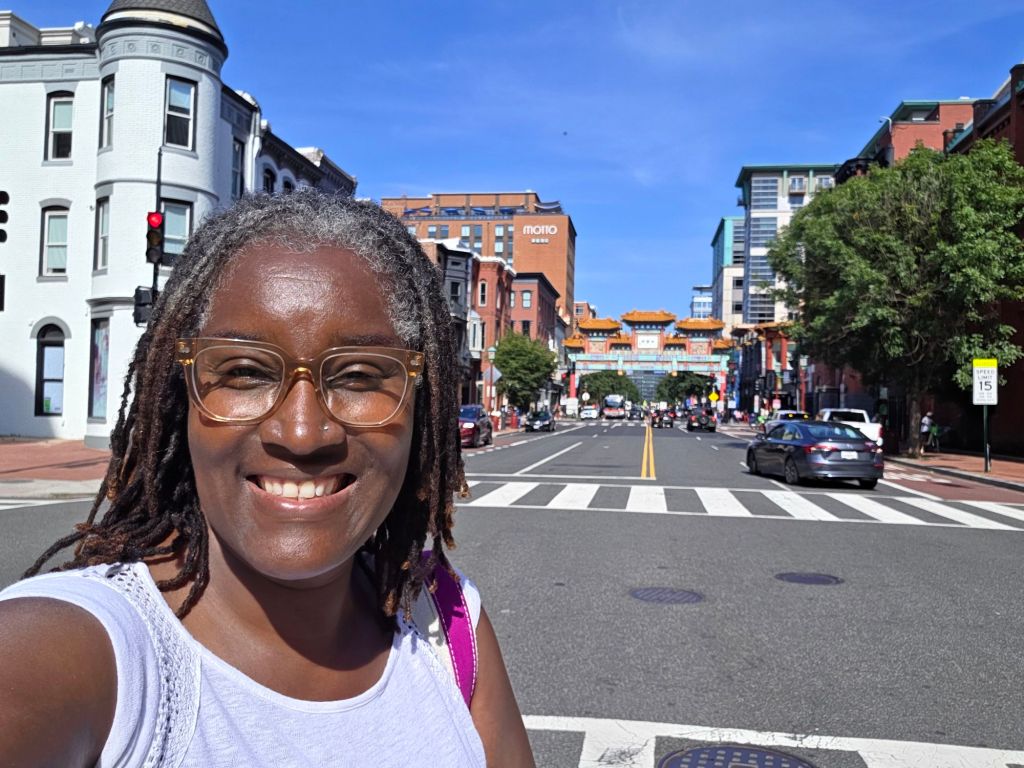
One of the unexpected highlights of my travels was having the opportunity to visit two different Chinatowns in less than a week. After exploring Chinatown in Chicago, I found myself walking through Chinatown in Washington, D.C., as I was staying a ten minute walk from there. While both communities celebrate Chinese culture and heritage, each has its own unique character and story.
There is something special about visiting a Chinatown. Beyond the restaurants and shops lies a rich history of immigrants who came to the United States seeking opportunity while working hard to preserve their language, traditions, and culture. These neighborhoods represent generations of perseverance, entrepreneurship, and community. Visiting these communities reminds me that history is not only found in museums—it is also found in the neighborhoods where people have built lives, businesses, and lasting legacies.
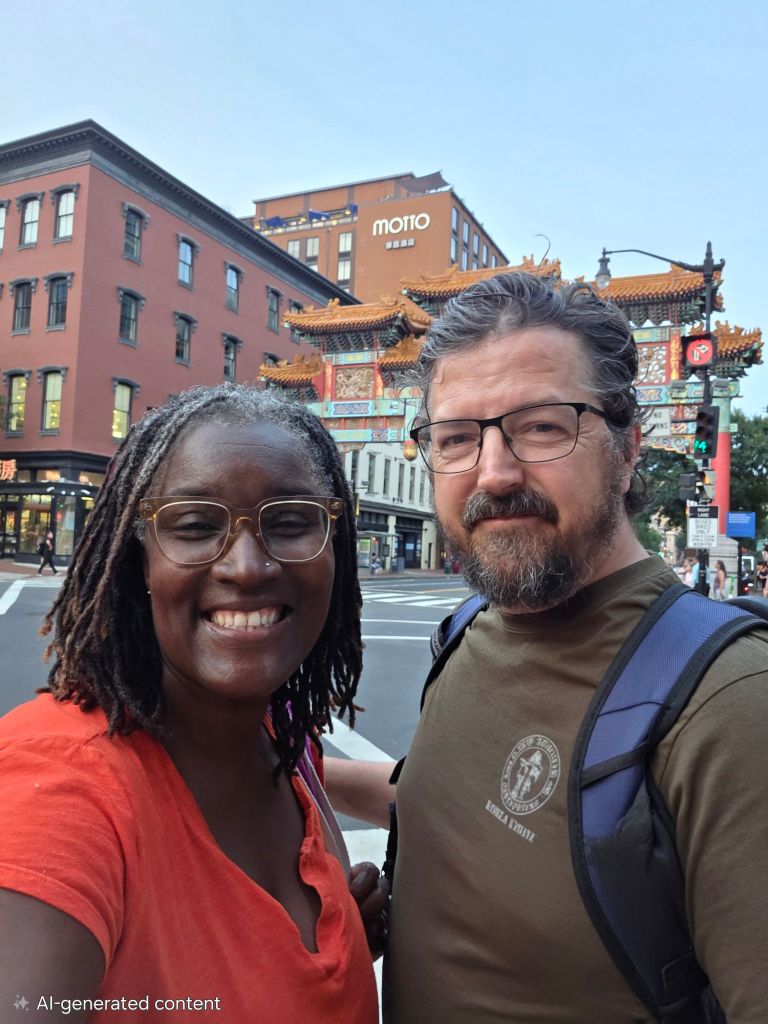
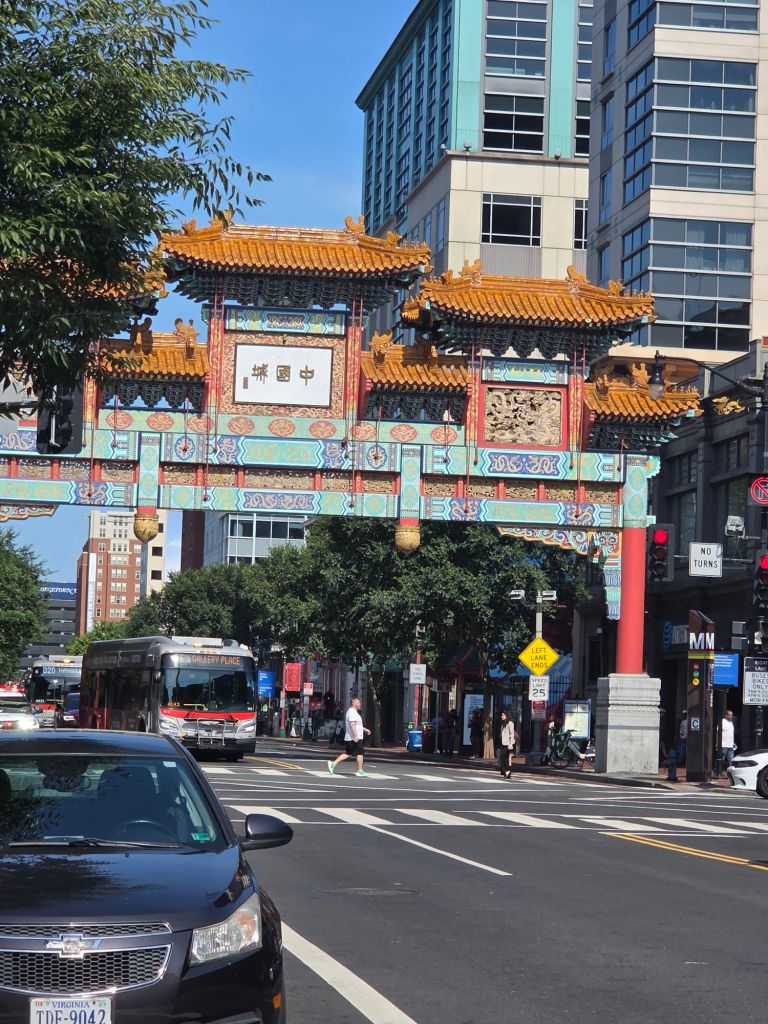
One of my favorite things is seeing signs written in both Mandarin and English. It serves as a beautiful reminder that two cultures can exist side by side, honoring heritage while welcoming visitors from around the world. And, of course, no visit to Chinatown feels complete without stopping to take a picture beneath the iconic Chinatown gate.
During my visit, I wandered into a neighborhood Chinese market that quickly became one of my favorite stops. The store was filled with everything from teas, vitamins, dried foods, and beautiful tea sets to cookware, chopsticks, decorations, and everyday household items. It wasn’t designed as a tourist attraction—it was clearly a place where members of the community came to shop for daily life. I found that authentic experience fascinating because it offered a glimpse into the rhythms of the neighborhood and the traditions that continue to be passed from one generation to the next.
As someone who loves learning about different cultures, I find experiences like this incredibly meaningful. Every opportunity I have to learn more about Chinese culture, community, and heritage is one that I gladly embrace. Each visit adds another layer of understanding and appreciation. As an educator, these experiences help me become more culturally responsive and better equipped to help my students appreciate the diverse histories, traditions, and contributions of the communities around them.
Travel continues to remind me that learning doesn’t only happen in museums or classrooms. Sometimes it happens while walking through a neighborhood, browsing the shelves of a local market, listening to different languages, or simply taking the time to observe and appreciate the stories that have shaped a community for generations. Those are often the experiences that stay with me the longest.
One of the unexpected highlights of my travels was having the opportunity to visit two different Chinatowns in less than a week. After exploring Chinatown in Chicago, I found myself walking through Chinatown in Washington, D.C. While both communities celebrate Chinese culture and heritage, each has its own unique character and story.
There is something special about visiting a Chinatown. Beyond the restaurants and shops lies a rich history of immigrants who came to the United States seeking opportunity while working hard to preserve their language, traditions, and culture. These neighborhoods represent generations of perseverance, entrepreneurship, and community.
One of my favorite things is seeing signs written in both Mandarin and English. It serves as a beautiful reminder that two cultures can exist side by side, honoring heritage while welcoming visitors from around the world. And of course, no visit to Chinatown feels complete without stopping to take a picture by the iconic Chinatown gate.
During my visit, I wandered into a neighborhood Chinese market that quickly became one of my favorite stops. The store was filled with everything from teas, vitamins, dried foods, and beautiful tea sets to cookware, chopsticks, decorations, and everyday household items. It wasn’t designed as a tourist attraction, but it was clearly a place where members of the community came to shop for daily life. I found that authentic experience fascinating because it offered a glimpse into the rhythms of the neighborhood and the traditions that continue to be passed from one generation to the next.
Every opportunity I have to learn more about Chinese culture, community, and heritage is one that I gladly embrace. Each visit adds another layer of understanding and appreciation. As an educator, I believe experiences like these help me become more culturally responsive and better equipped to help my students appreciate the diverse histories and traditions that make up our communities.
Travel reminds me that learning doesn’t only happen in museums or classrooms. Sometimes it happens while walking through a neighborhood, browsing the shelves of a local market, or simply taking the time to observe, listen, and appreciate the stories that have shaped a community for generations.