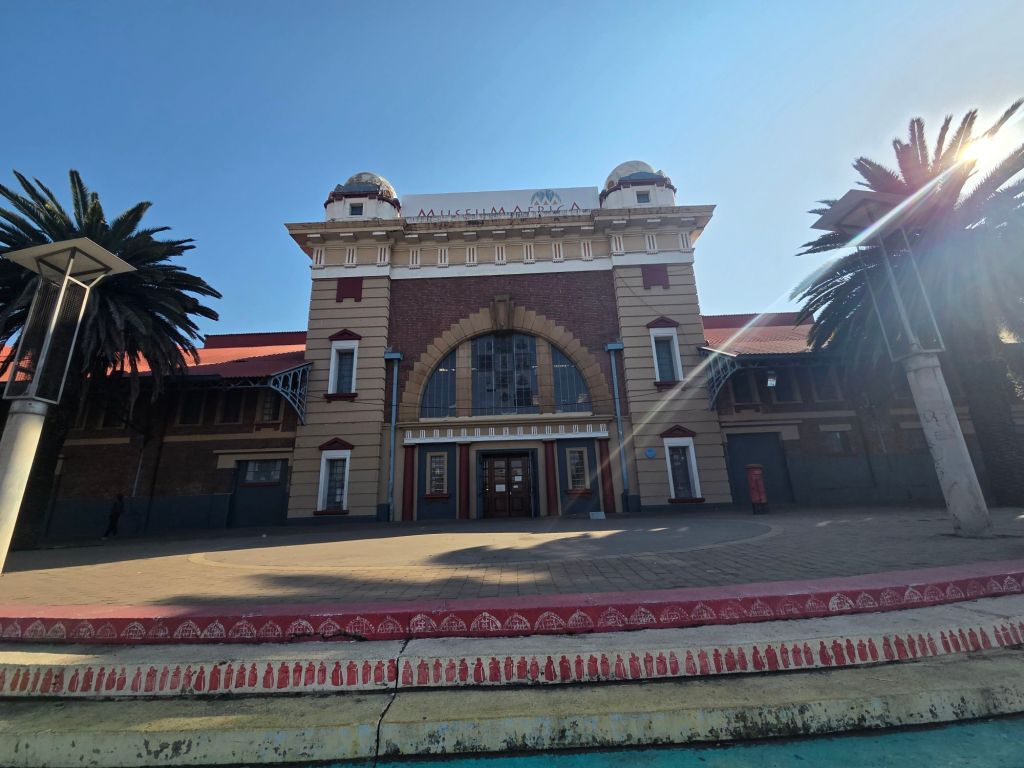
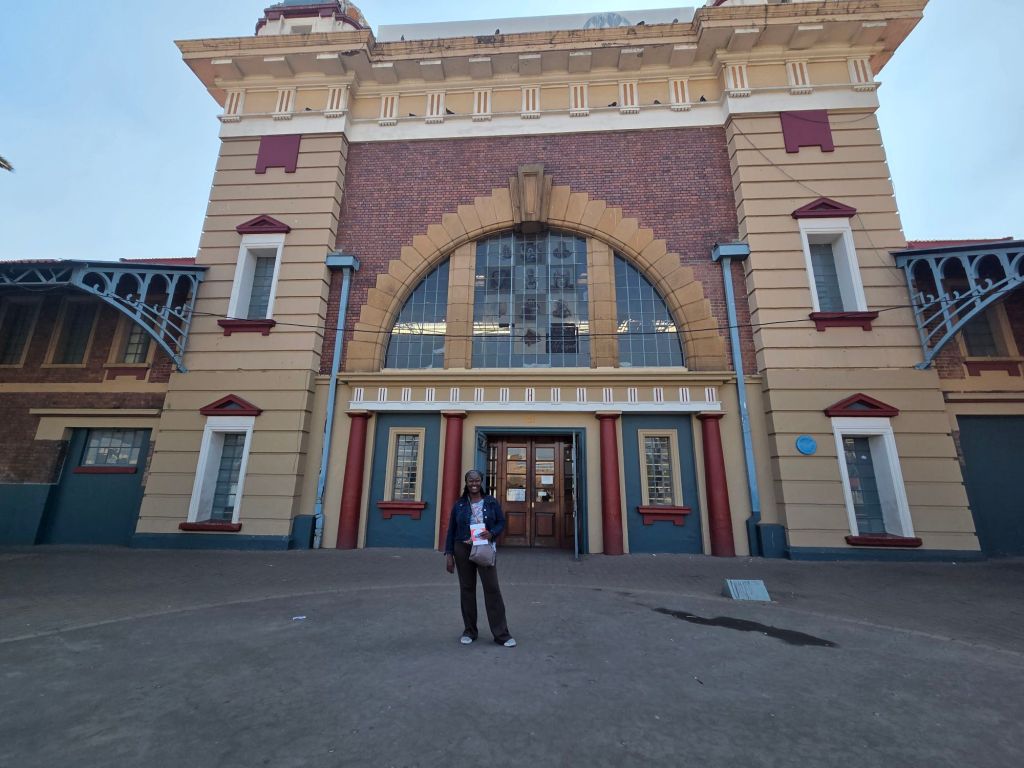
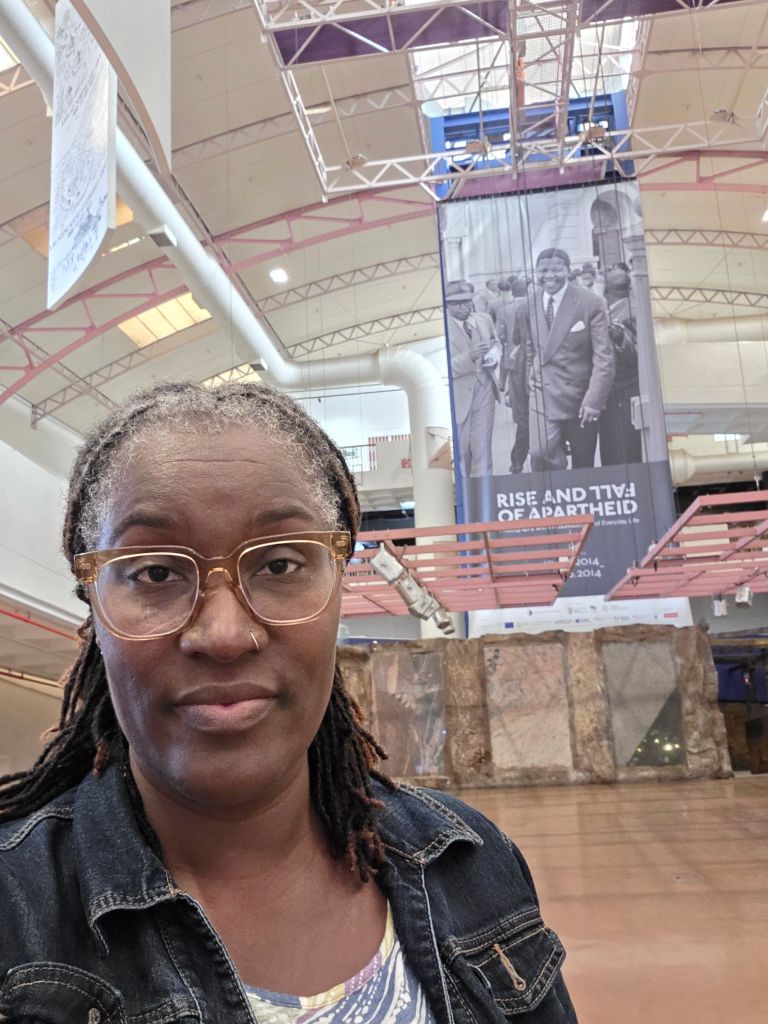
One of the unexpected highlights of my time in Johannesburg was visiting Museum Africa. While the Apartheid Museum challenged my understanding of South Africa’s struggle for freedom, Museum Africa broadened my appreciation for the country’s history, culture, geology, innovation, and democracy. It reminded me that the story of South Africa is much larger than one period in history. It is a story that spans millions of years and continues to unfold today.
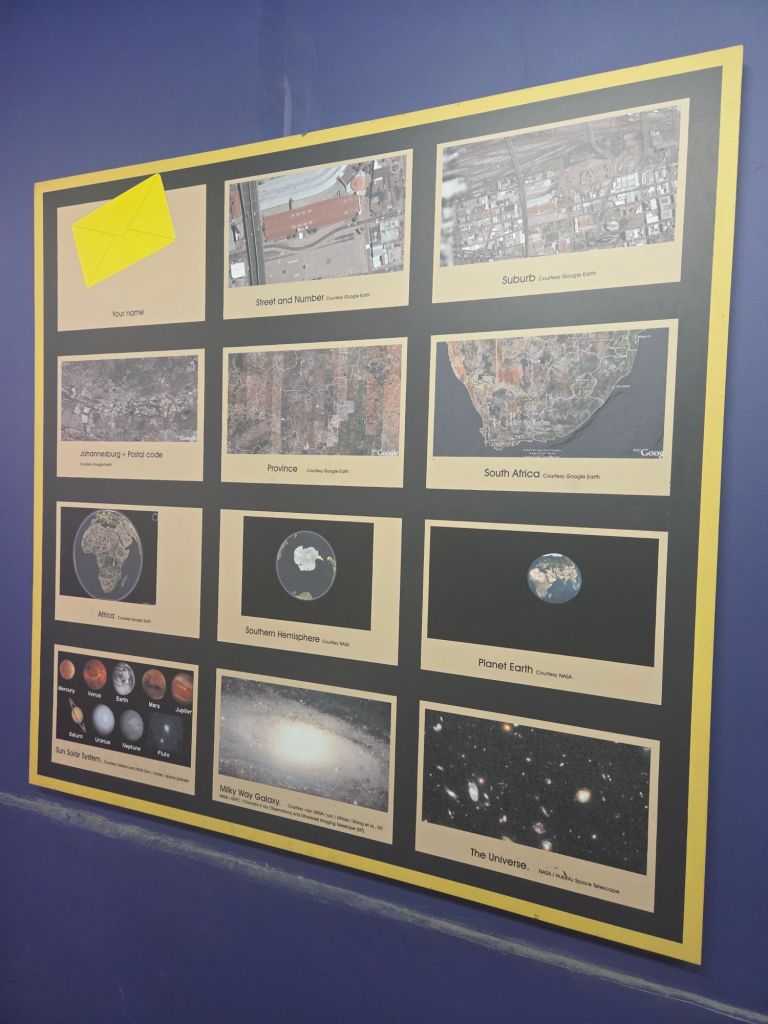
As an educator, I found myself slowing down to read exhibit after exhibit during the four hours spent there. Every gallery offered opportunities to connect geography, science, history, civics, and culture in meaningful ways that could easily translate into classroom discussions.
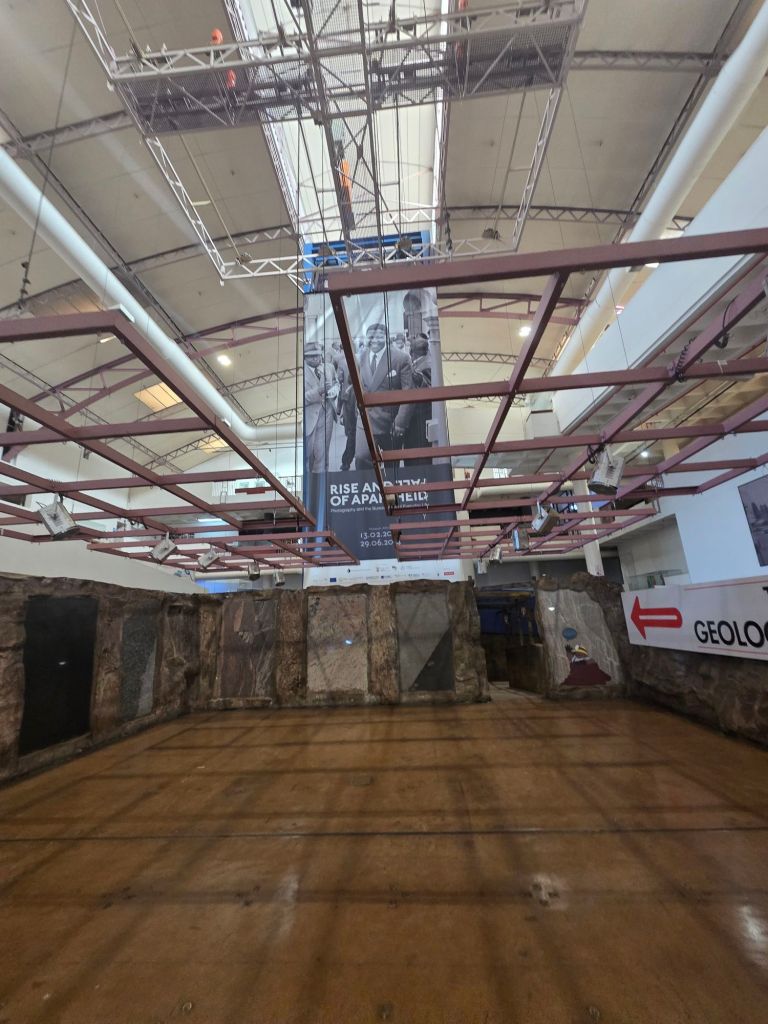
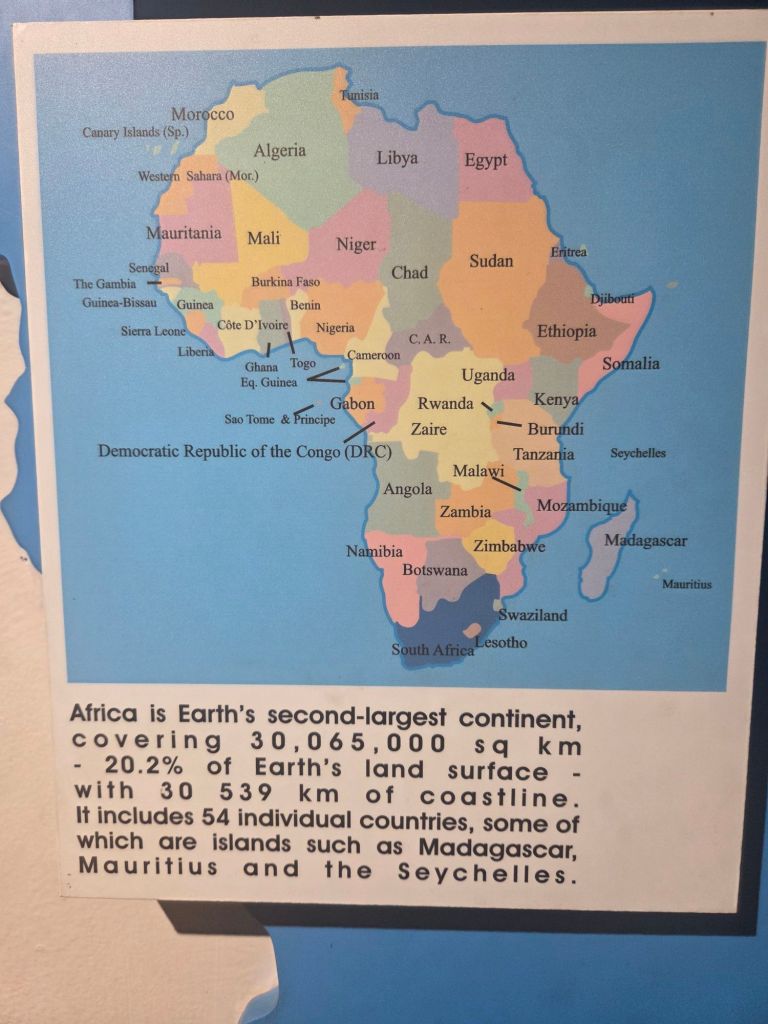
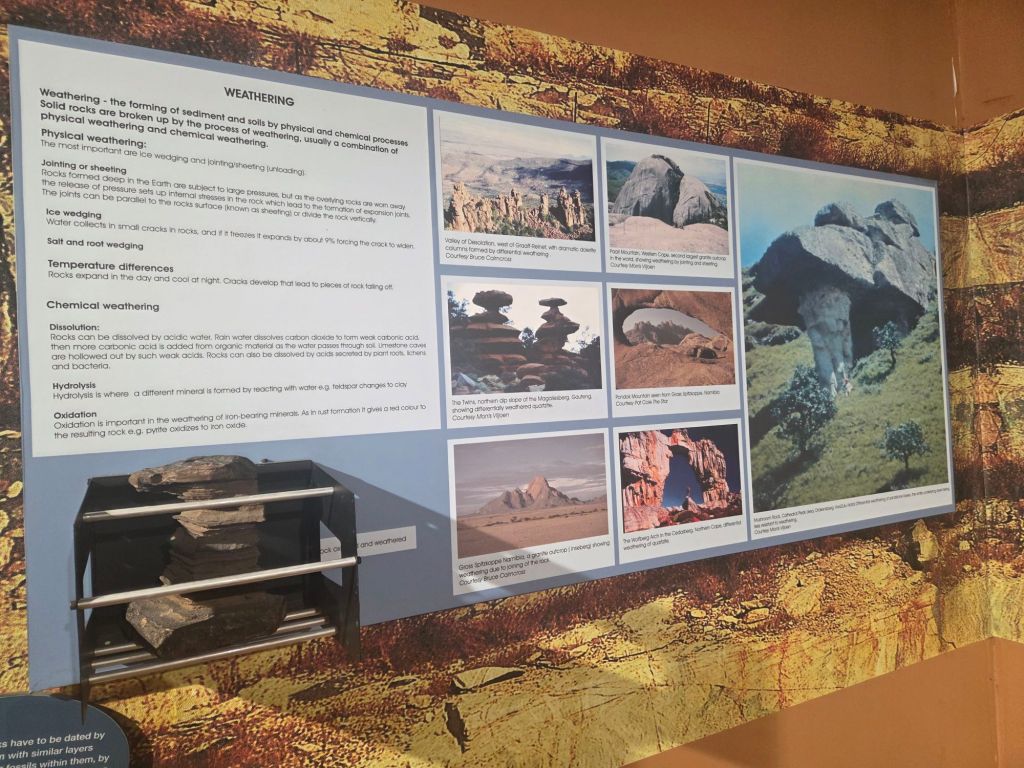
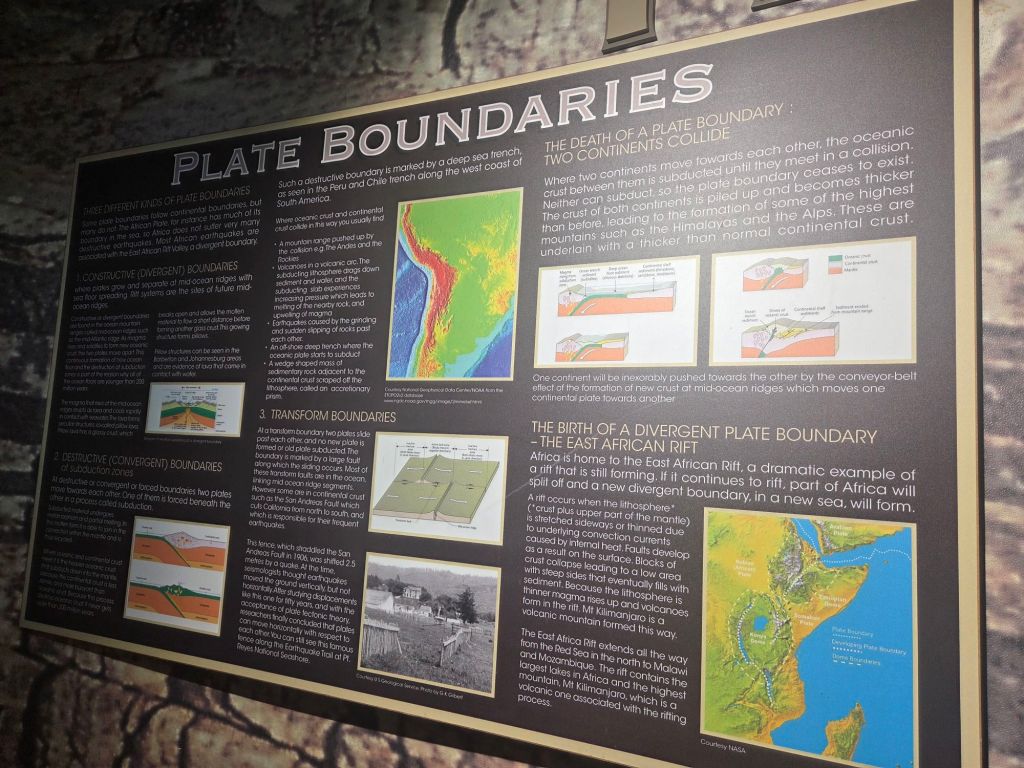
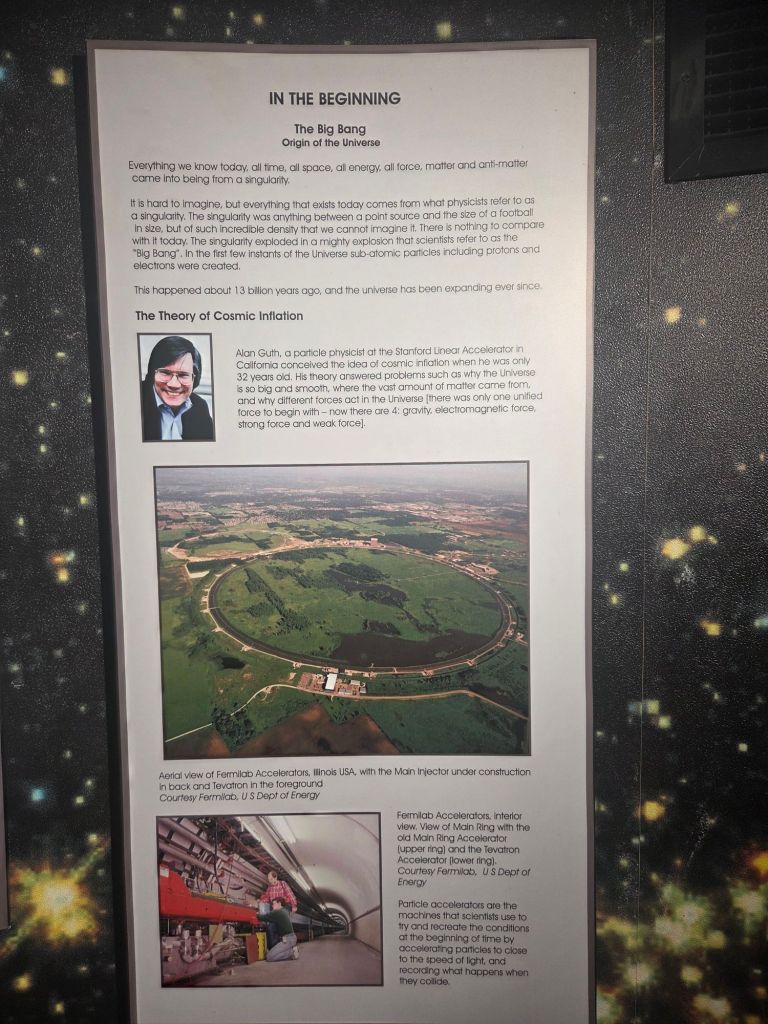
I enjoyed learning about Africa’s incredible geography, from Mount Kilimanjaro to the Nile River, while also exploring exhibits on weathering, rock formations, minerals, and the continent’s remarkable natural resources. The collection of minerals was especially impressive and showcased South Africa’s rich geological heritage.
One exhibit that deeply captured my attention was “Negotiating Democracy: 1990–1994 – How South Africa’s Democracy Was Forged.” Walking through this exhibition felt like witnessing history unfold. The displays documented the difficult negotiations, political violence, courageous leadership, and compromises that ultimately led to South Africa’s first democratic elections in 1994.
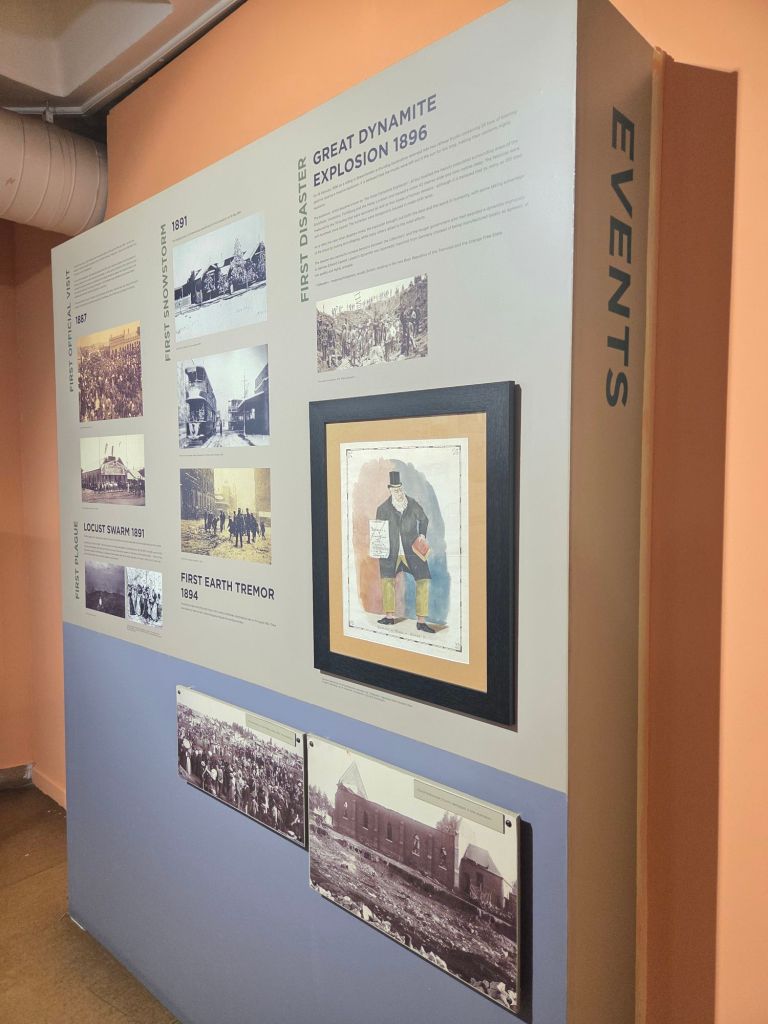
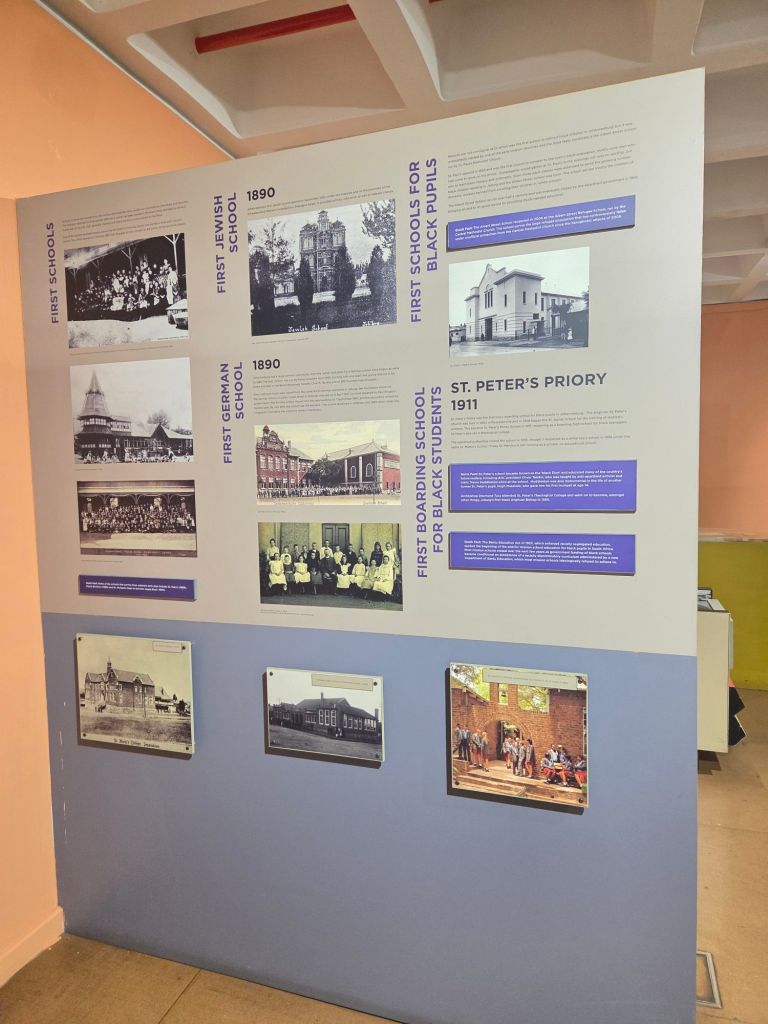
I also appreciated that the museum did not shy away from difficult conversations. Exhibits discussed the South African War, concentration camps that affected Black South Africans, and the complex realities surrounding reconciliation and nation-building. Rather than presenting simple answers, the museum encouraged visitors to think critically about justice, leadership, memory, and the ongoing work of democracy.
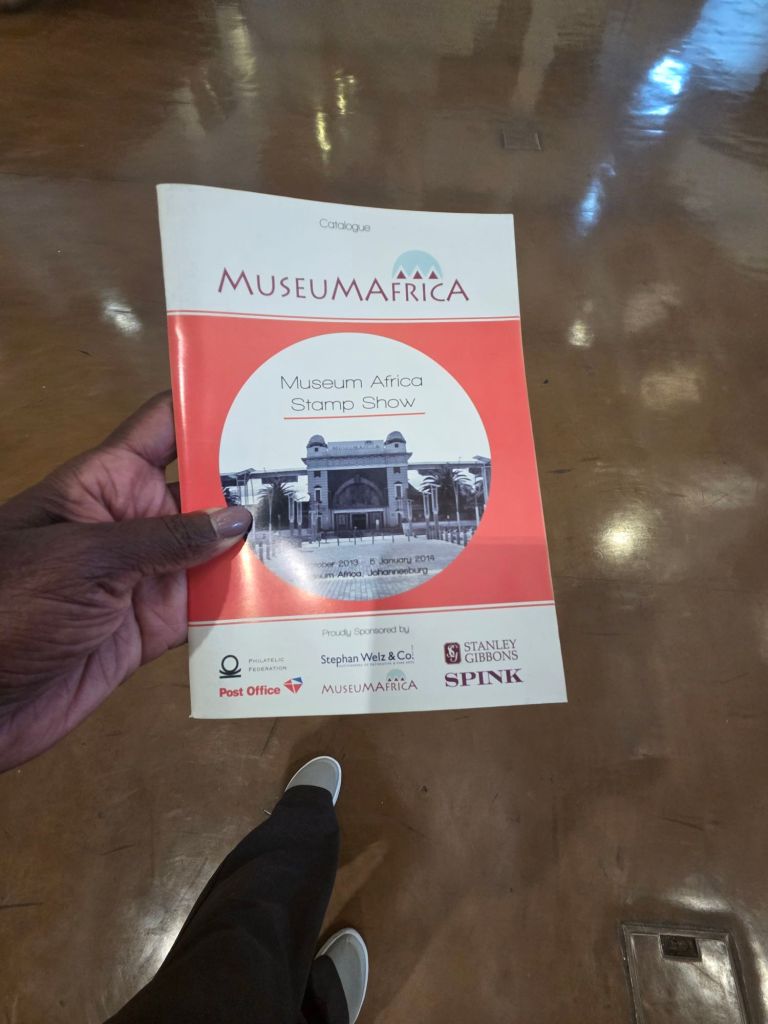
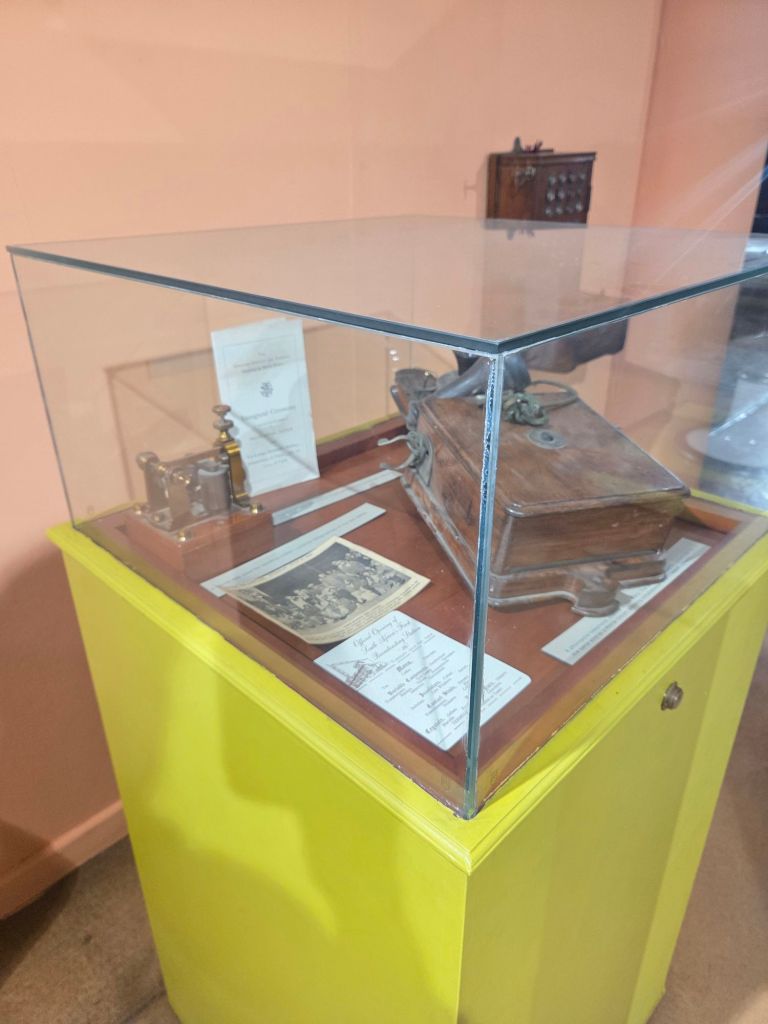
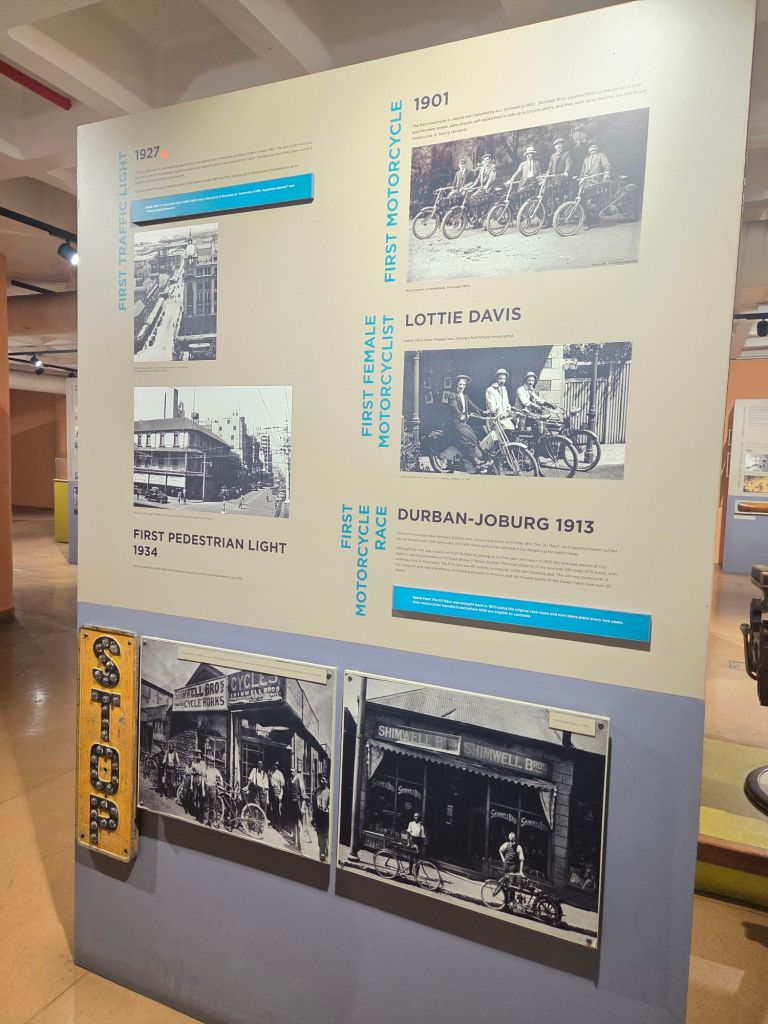
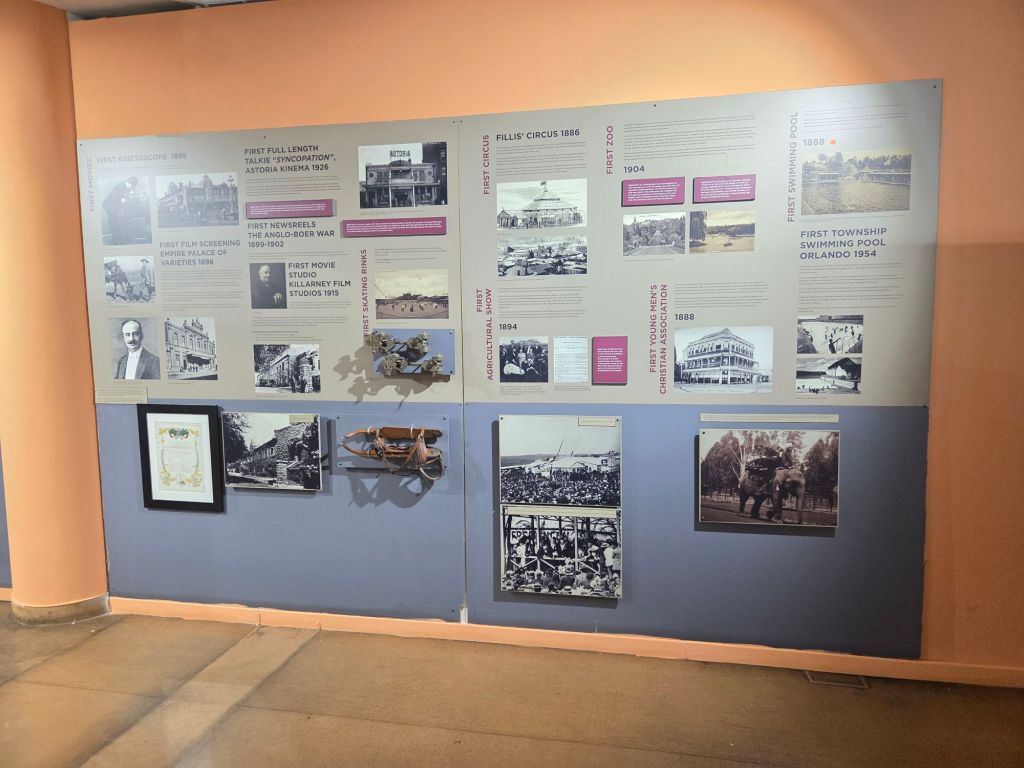
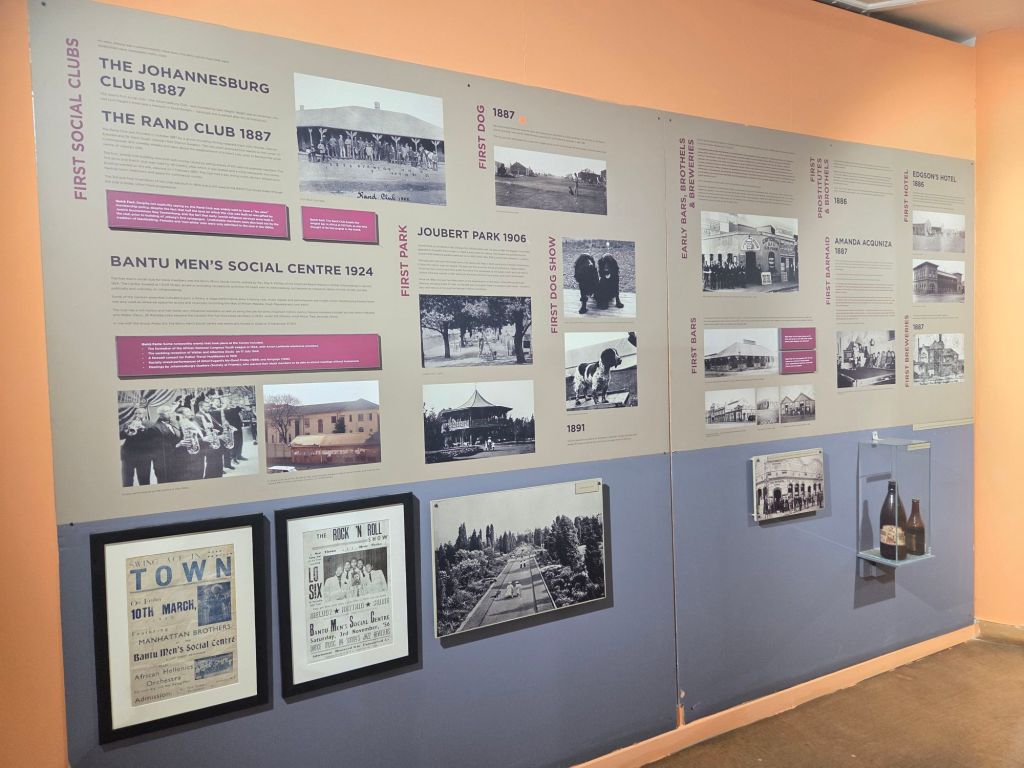
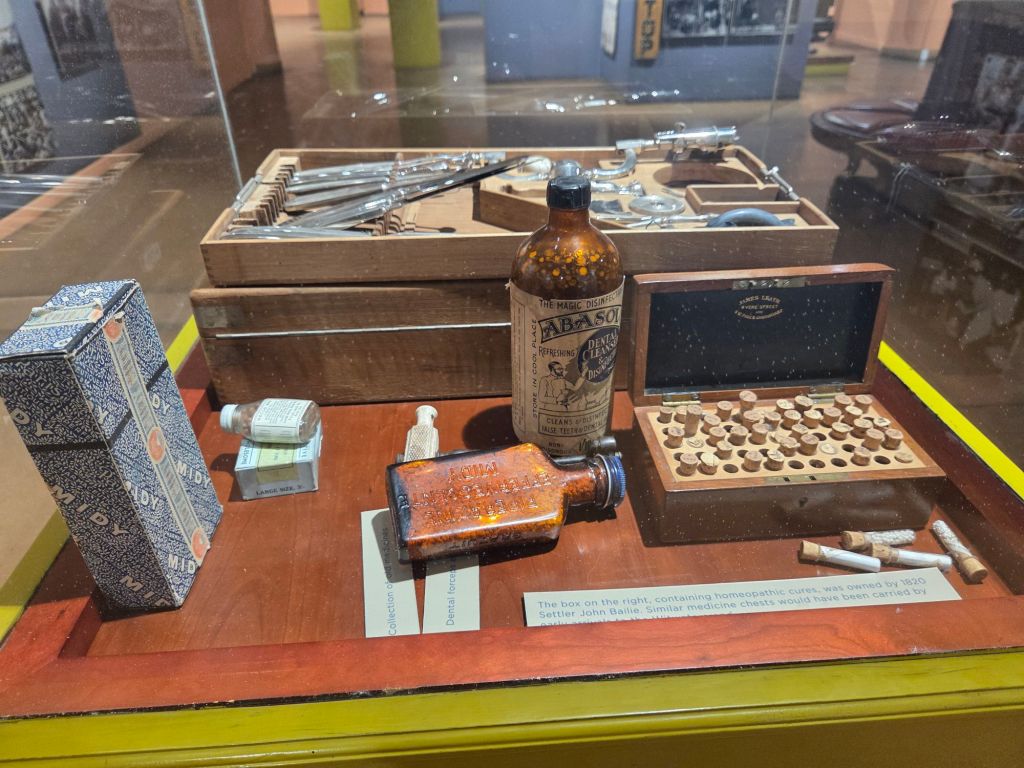
Another surprise was discovering galleries dedicated to cinematography (a favorite), optical toys, stamps, and communication. These collections demonstrated how museums can preserve not only political history but also everyday life, creativity, technology, and innovation.
As I walked through Museum Africa, I realized that museums are among our greatest classrooms. They invite us to ask questions, challenge assumptions, and appreciate perspectives beyond our own. For teachers, students, and lifelong learners, places like this remind us that history is not simply about memorizing dates. It is about understanding people, ideas, and the choices that continue to shape our world.
I left Museum Africa with a deeper appreciation for South Africa’s resilience and complexity. It is a museum I would enthusiastically recommend to anyone visiting Johannesburg, especially educators, historians, and those eager to better understand the rich tapestry of the African continent.

 Shawnette Brown