Christo Rey, a Jesuit school in Tacna, welcomed us, provided a tour of their campus, and gave us an opportunity to observe two English classes. My host teacher had a connection at the school that he went to university with there. Being able to observe primary classrooms was important because Peru has a high literacy rate, and I am interested in seeing different levels of instruction. https://www.facebook.com/share/p/16WLRpsyda/
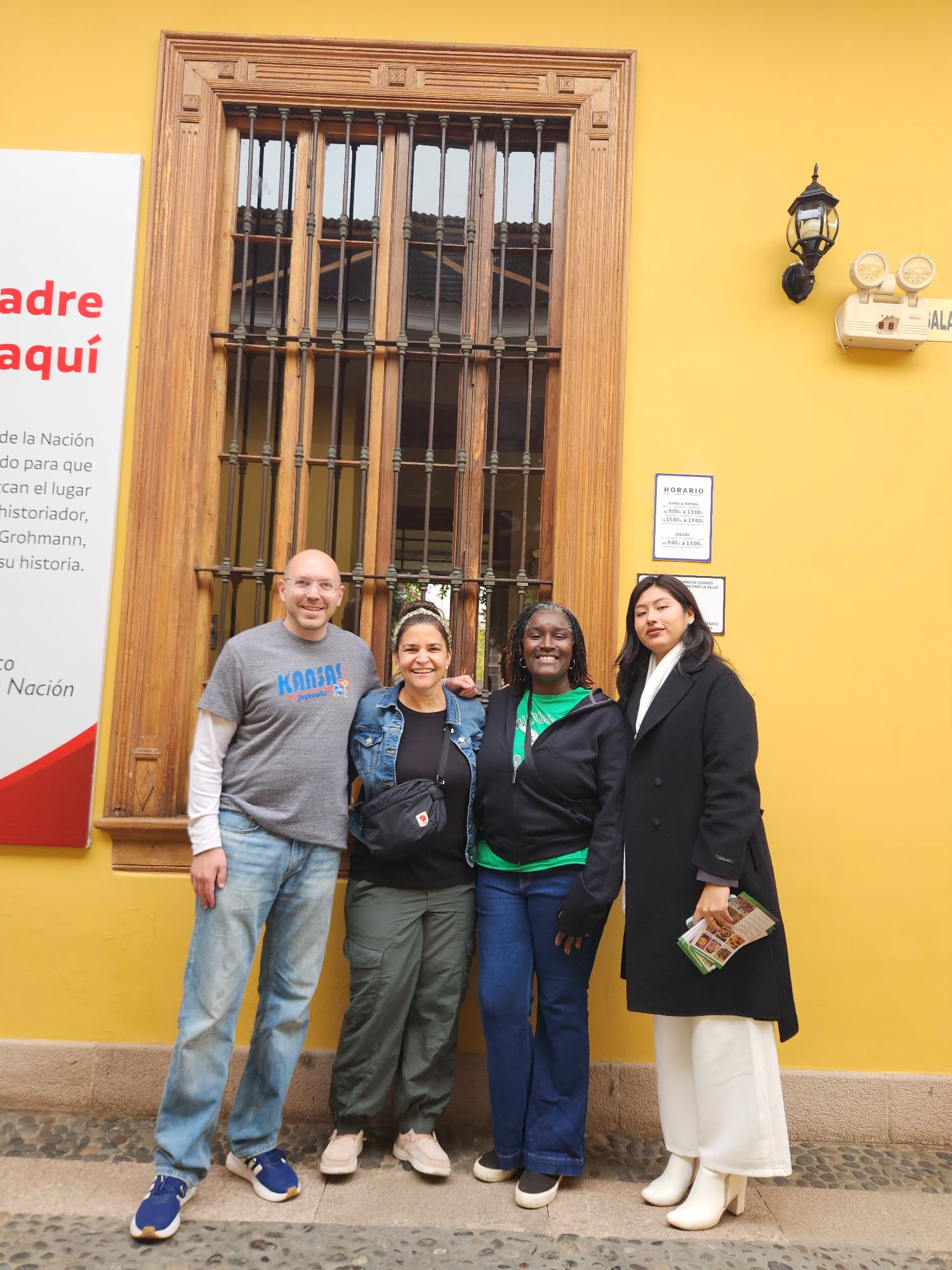
Angel, Kelly, Todd, & Shawnette English – Grade 1
Impromptu SEL provided a space for students to ask questions about strategies that worked in our classrooms. My trauma informed training gave me tools they could add in their personal toolbox. Students in every country face anxiety, insecurities, and stress. I am grateful how far we have come to lesson the stigma and shame. SEL is essential.
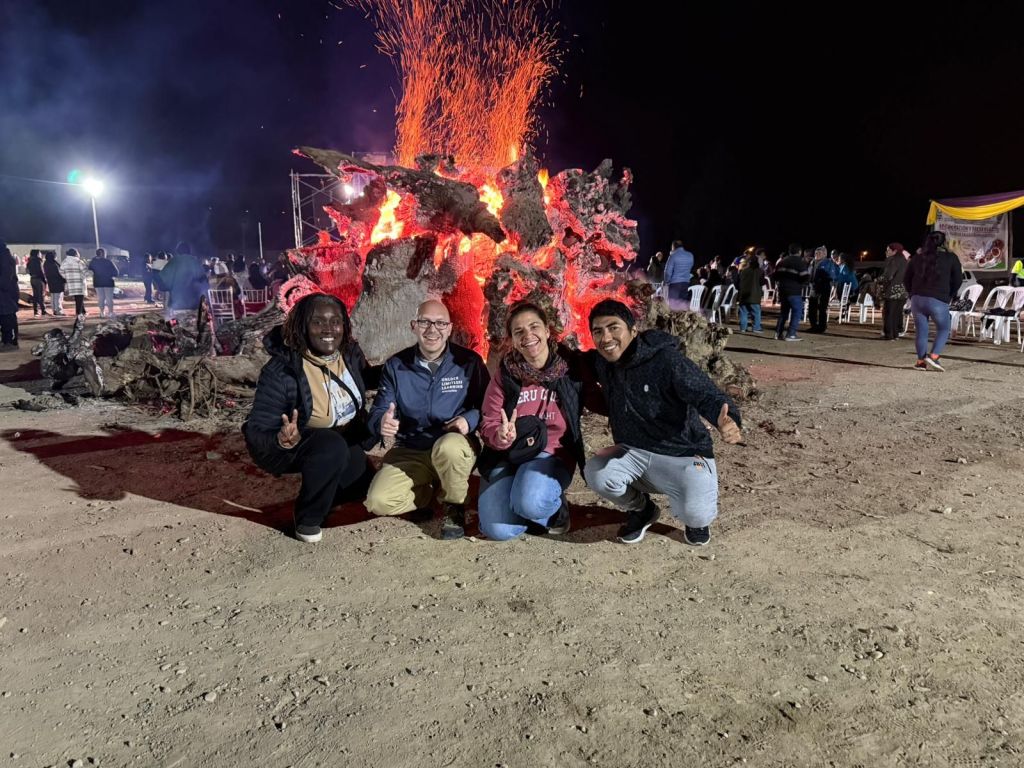
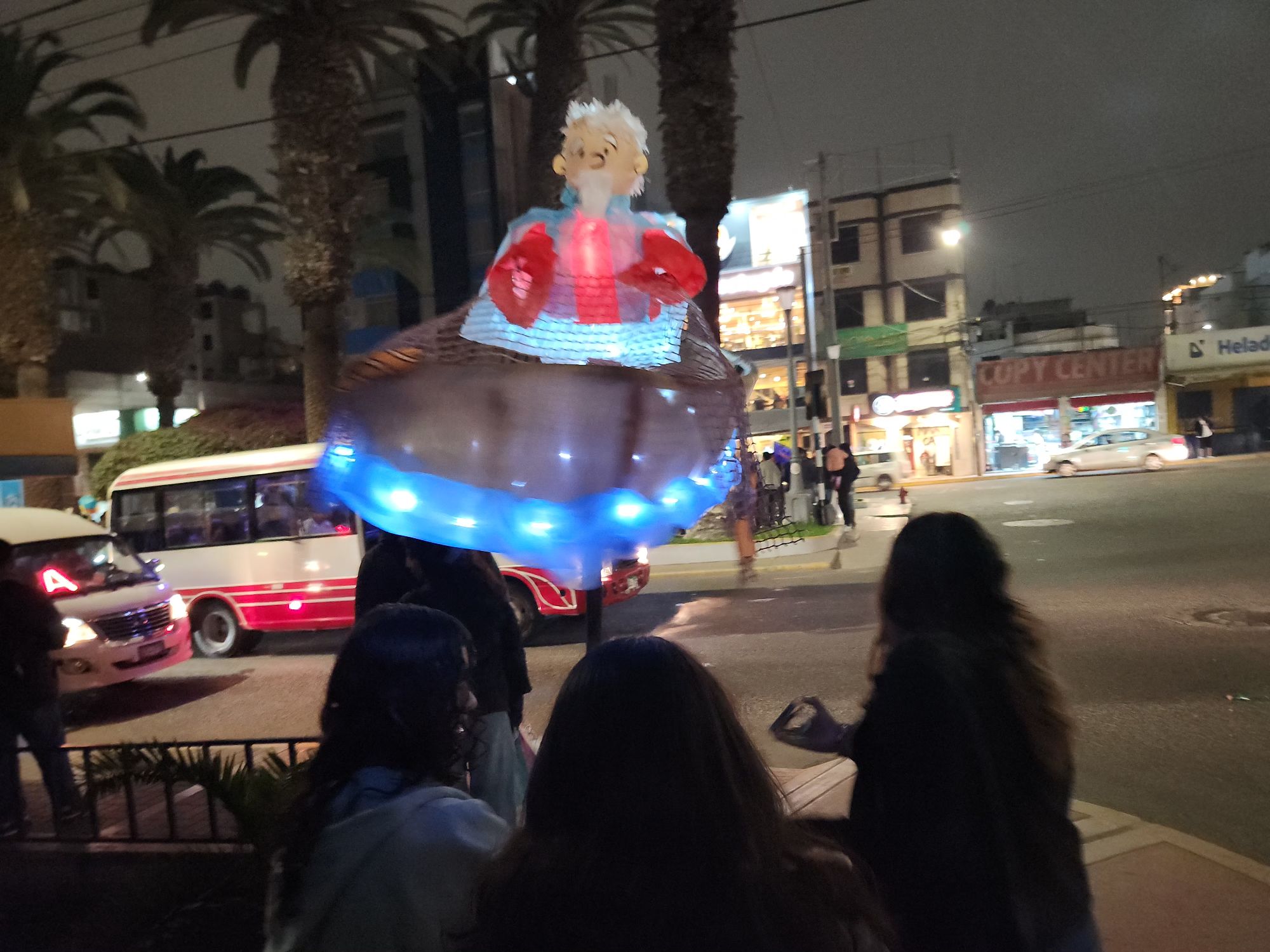
Tacna celebrates the San Juan Festival with a powerful mix of Andean rituals and Catholic traditions. On June 23, locals gather for bonfires, music, and coca leaf readings led by yatiris (spiritual guides). Fire symbolizes protection and cleansing during the coldest night of the year.
We decided to have dinner but realized the place where we wanted to go wasn’t going to work out. Nevertheless, we met a very helpful person and had to exercise grace with another.
Not today!😁
Google Translate is an app that I feel very comfortable using, and it has helped me in a pinch many different times. When traveling and you are not fluent in the language of the local people, it is important to have something you can use. Google Translate enables me to use it offline.
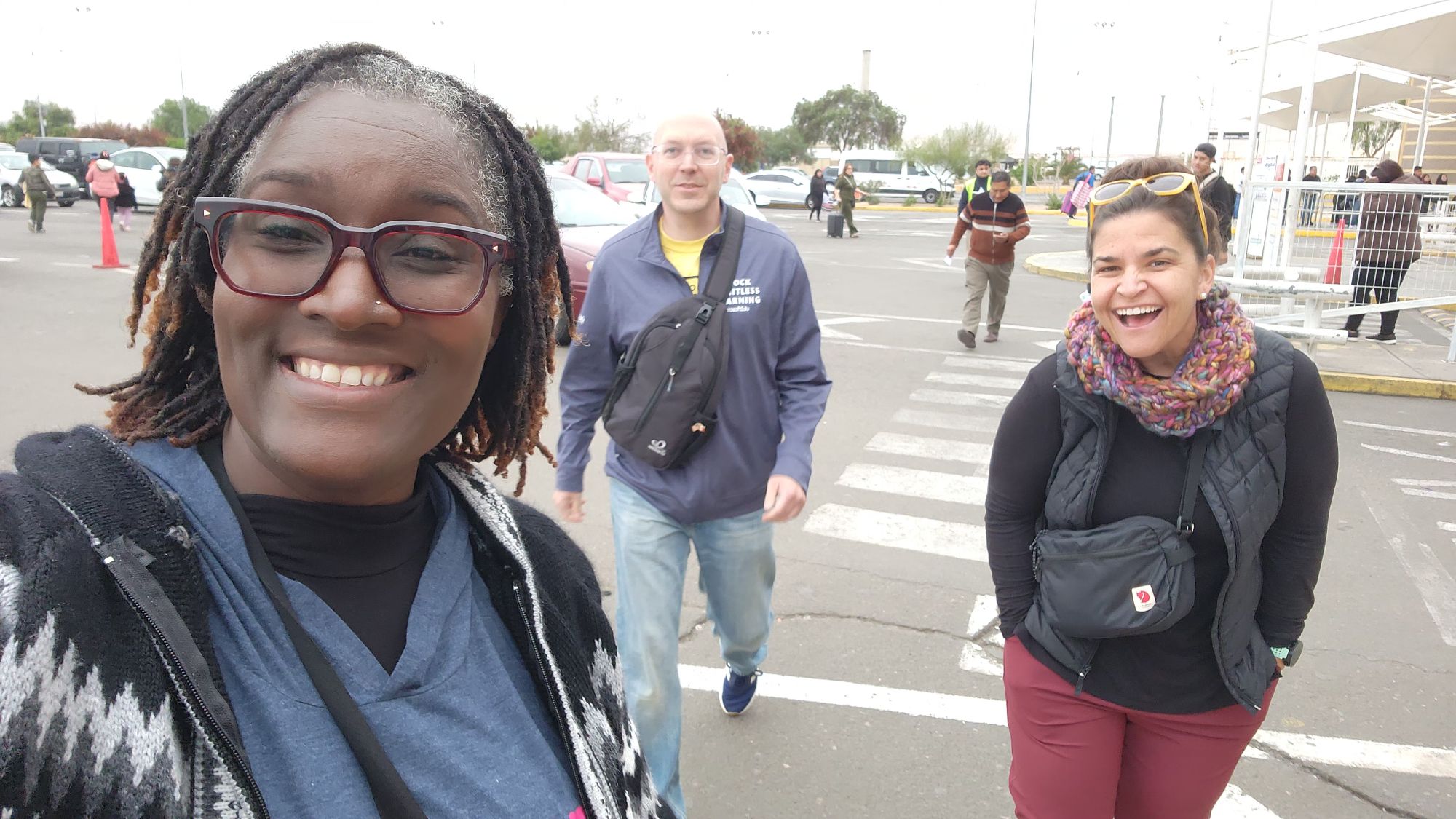
6/21/25 Today was a full and beautiful day. I met up with Kelly and Todd—my Fulbright teammates for the week—and I’m genuinely excited about working and learning alongside them.
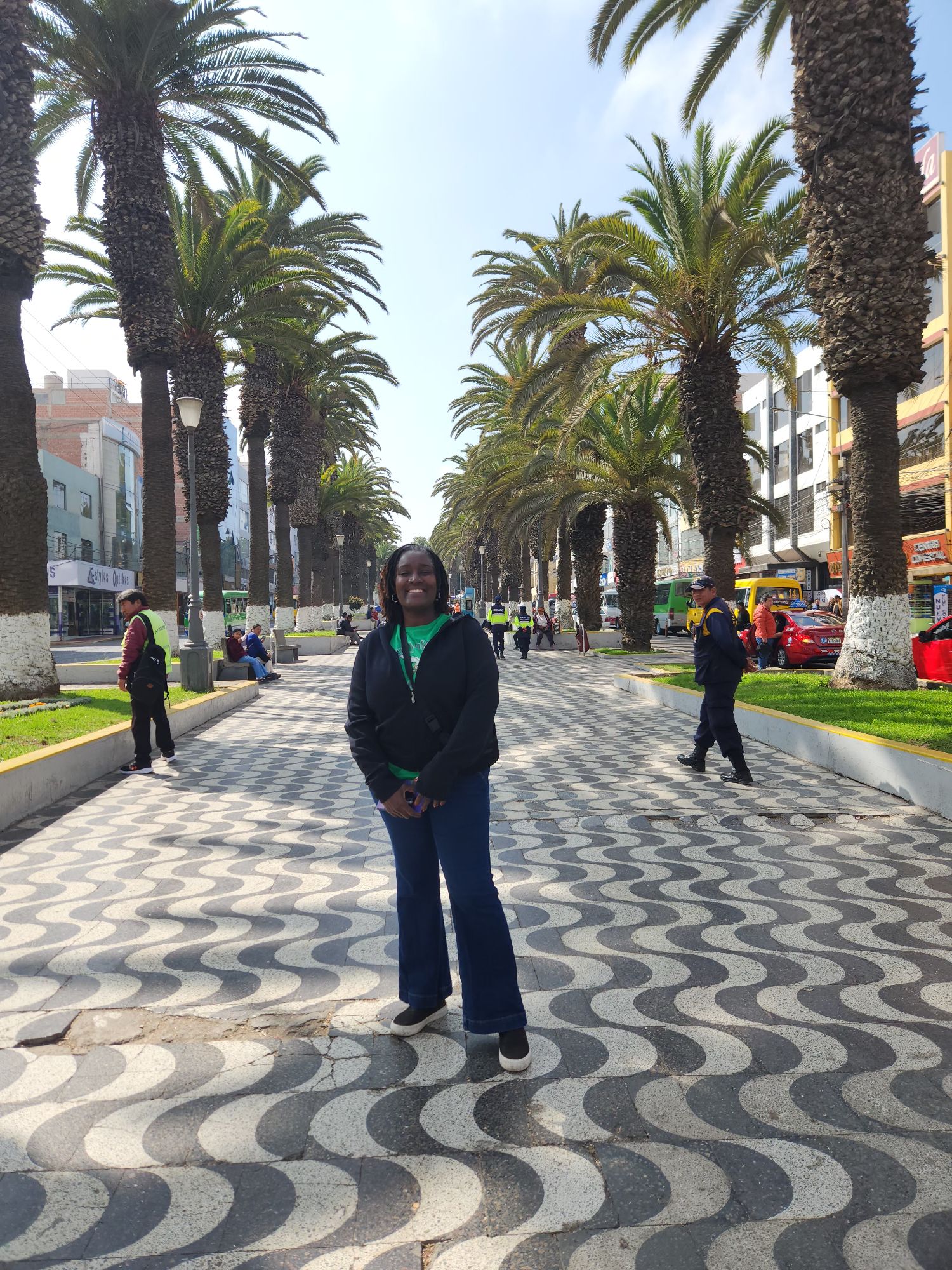
We started our morning with breakfast and then took a walk around the Promenade. It was bustling with activity—families, vendors, and locals out and about taking care of their Saturday errands. One thing that stood out was the incredibly long line at the bank. It barely moved! Angel, our local guide, explained that many people in this region of Peru still prefer in-person banking over online transactions, so it’s common to see long lines on weekends.
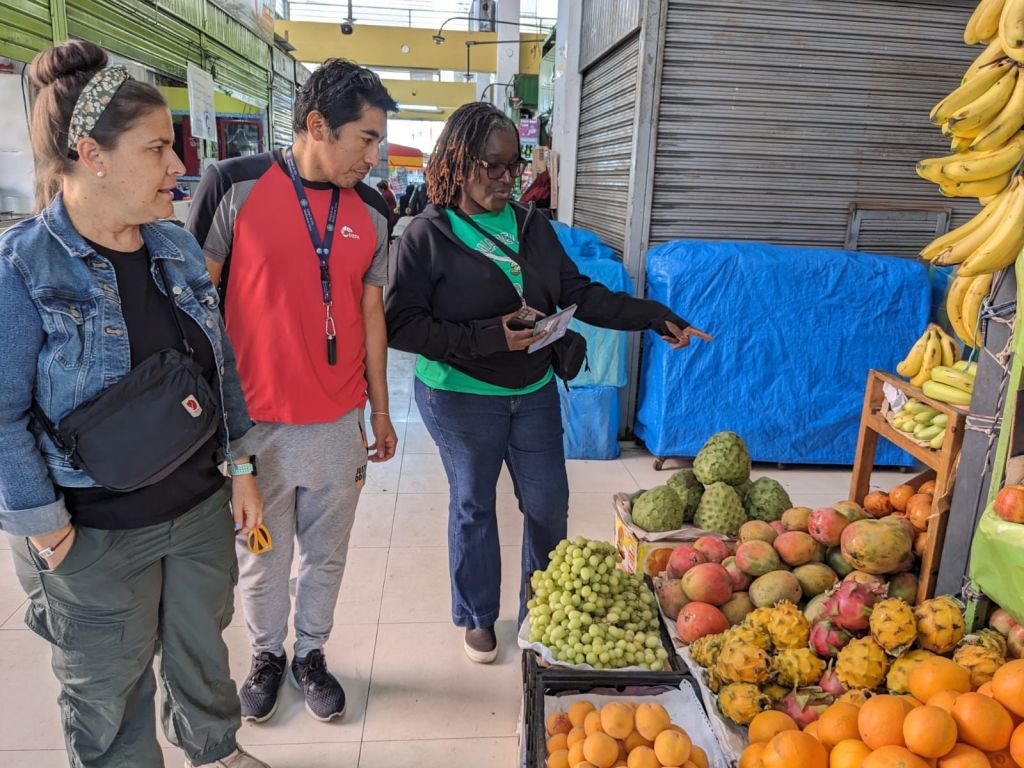
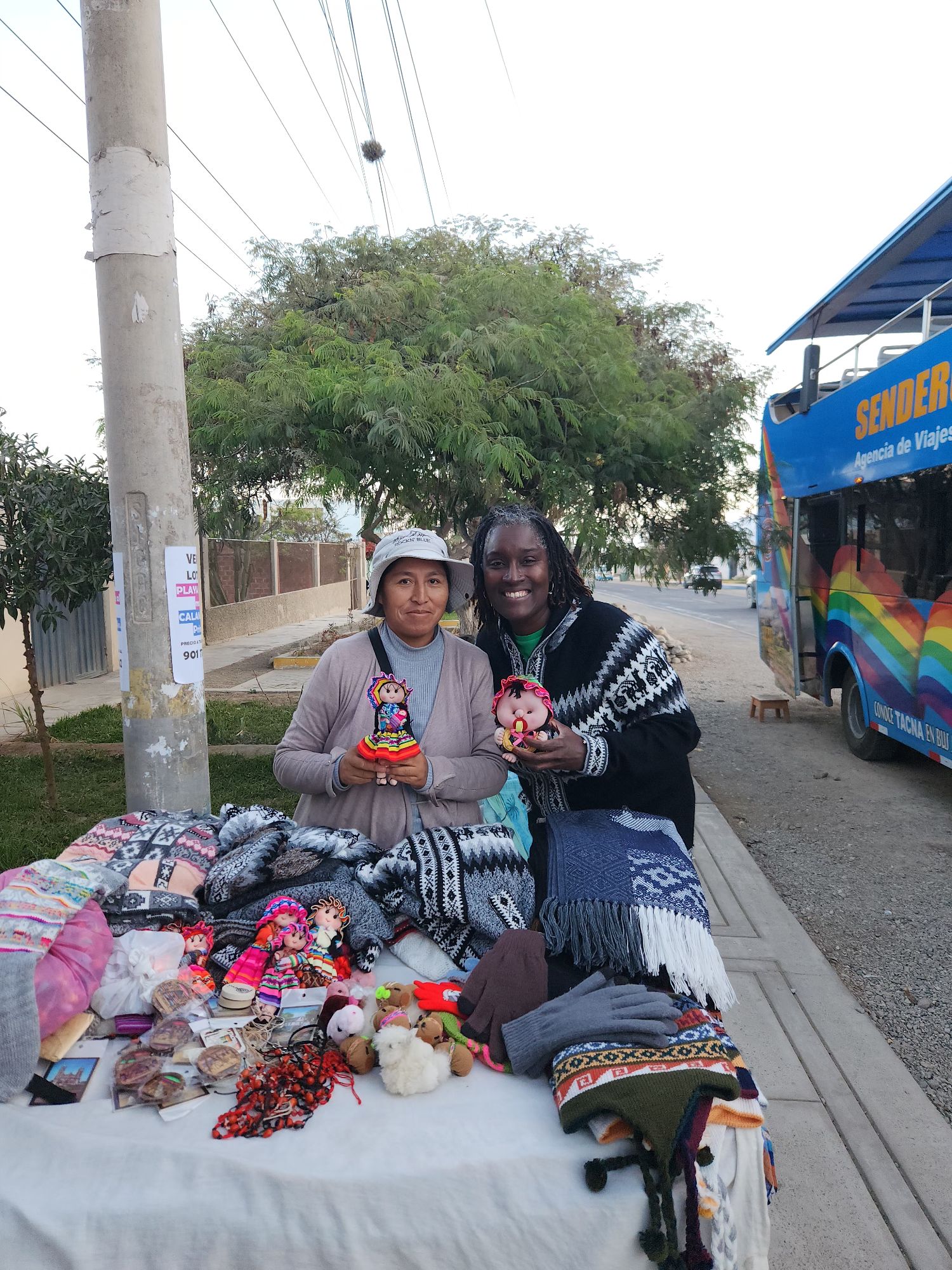
Afterward, we visited the Mercado, or local market, which was a highlight. The energy was vibrant, and the people were so kind. Many allowed me to take photos, which I truly appreciated as I continue documenting this experience.
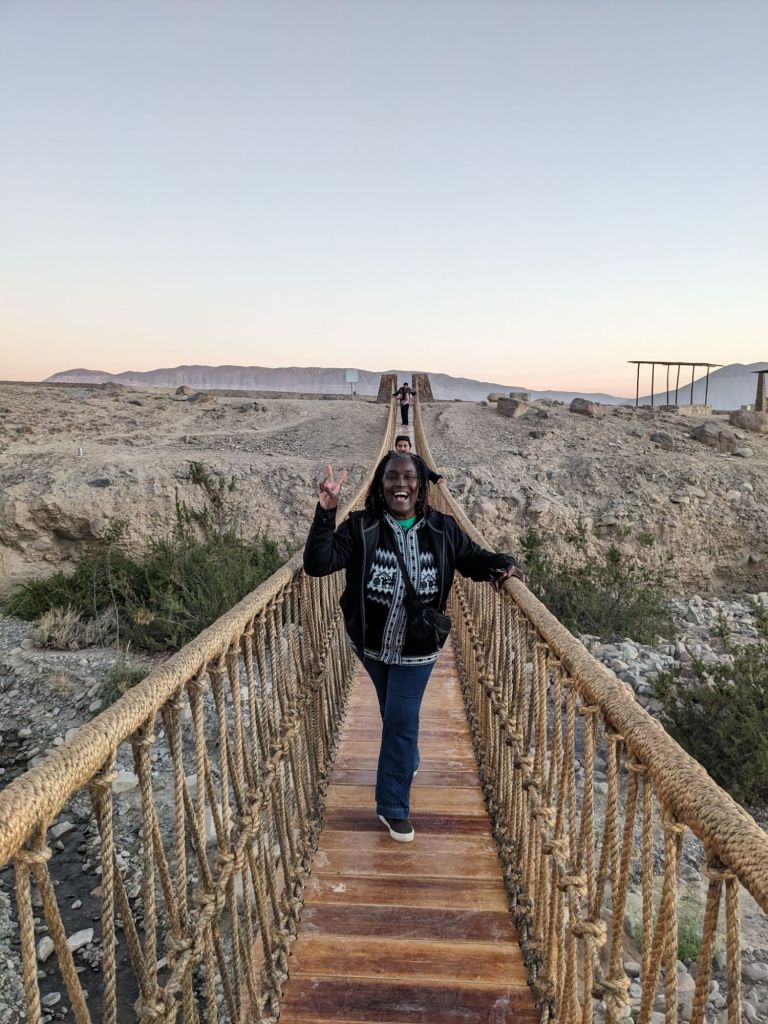
We returned to the hotel for a short rest, then headed out for a late buffet lunch around 2:15 p.m. By 4:00, we were on a Big Bus tour that took us far beyond the city center—and I’m so grateful it did. We drove through stunning mountainous terrain that felt almost otherworldly. The colors, the sunset, the rock formations, and the textured ripples in the mountains under a glowing sky—it was all simply breathtaking.
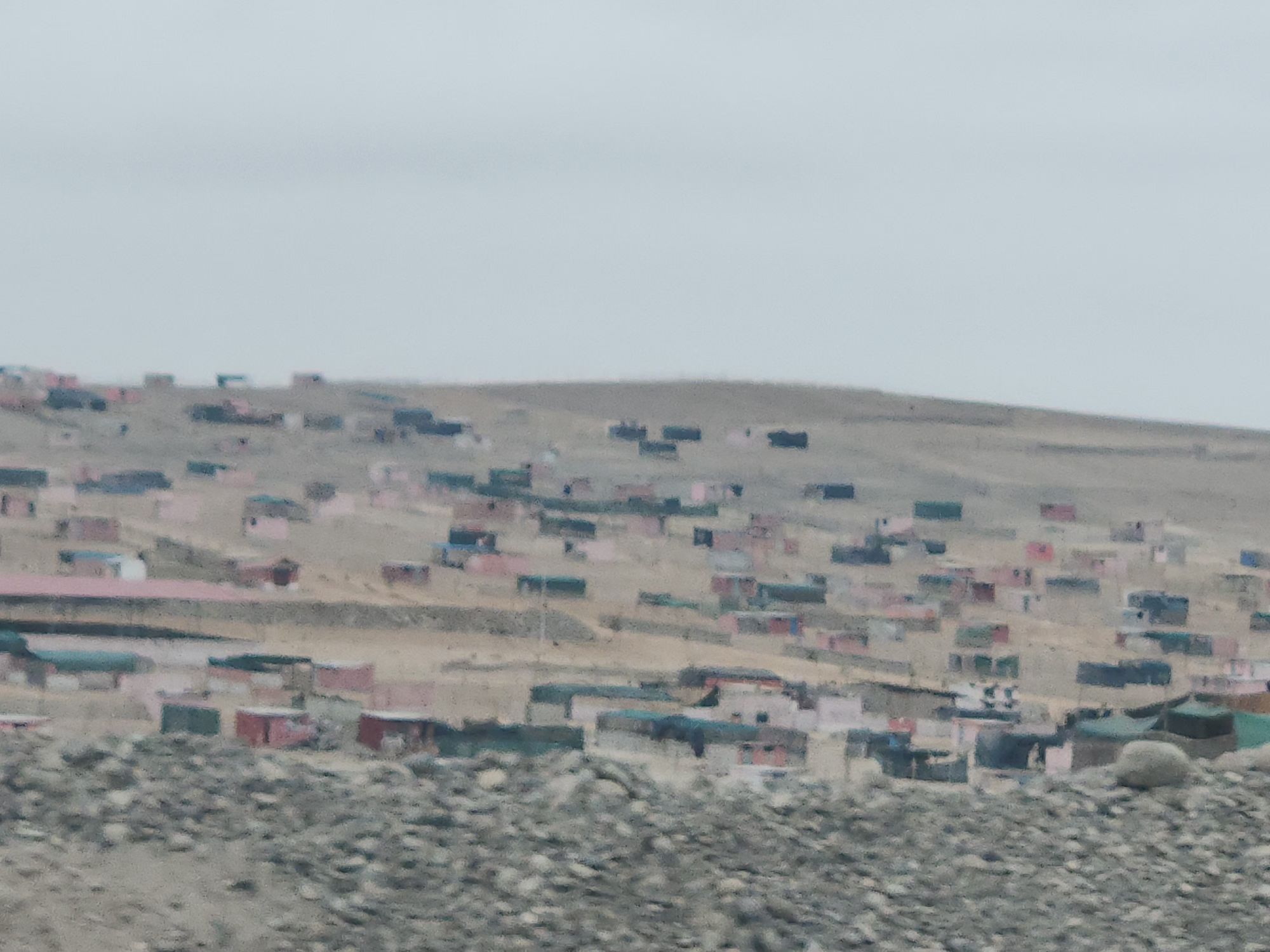
Seeing the outskirts of Tacna gave us a deeper perspective on daily life for different families. We observed homes, shelters, and even small farming communities along the way. One of our stops featured fresh local cornbread, which was delicious. I also picked up an alpaca zip-up sweater because the air turned a bit chilly as evening set in.
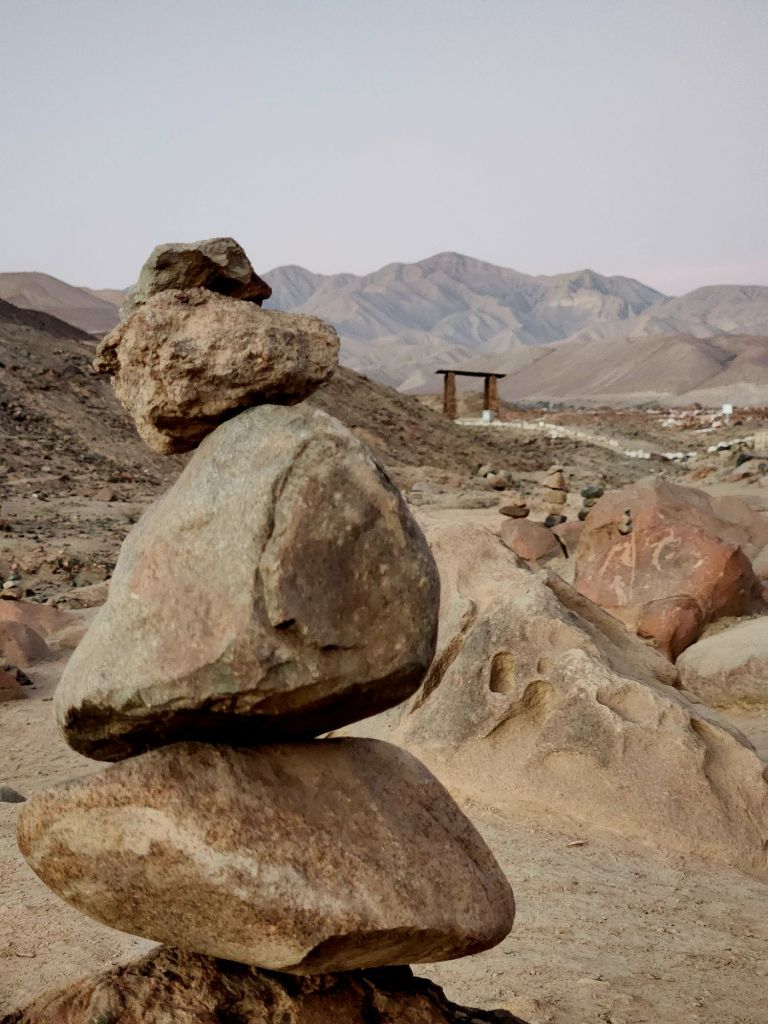
Later in the tour, we visited a site with ancient petroglyphs — designs carved into the rocks that have been around for thousands of years. It was awe-inspiring to witness that kind of history up close.
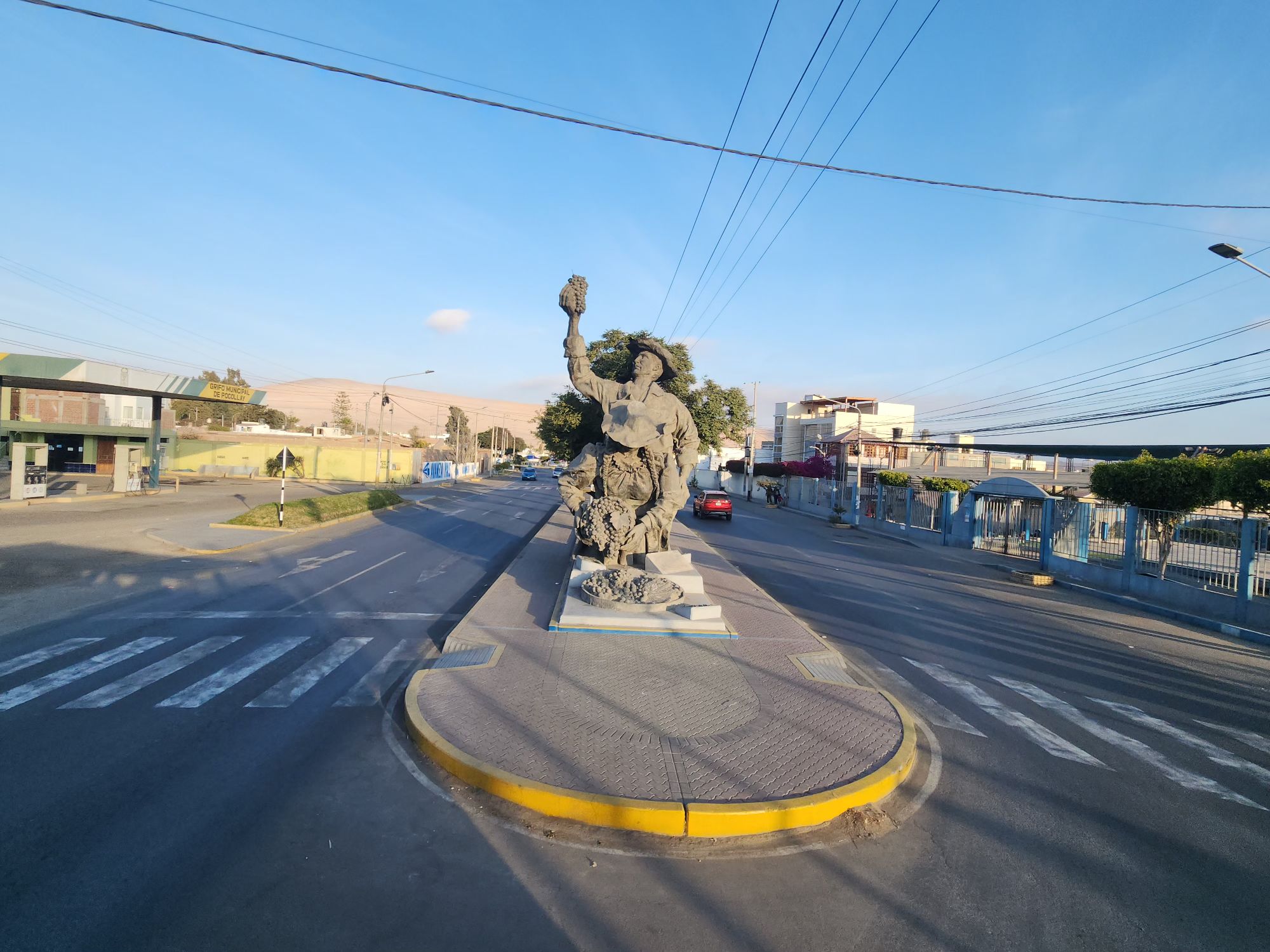
Our final stop was a small winery for a tasting. Before we knew it, the day had come to a close—and we were fully exhausted, in the best way possible.
I’m especially grateful for our host teacher, who has been incredibly kind, generous with his time, and intentional in helping us have a meaningful experience. So far, so good—and my heart is full!
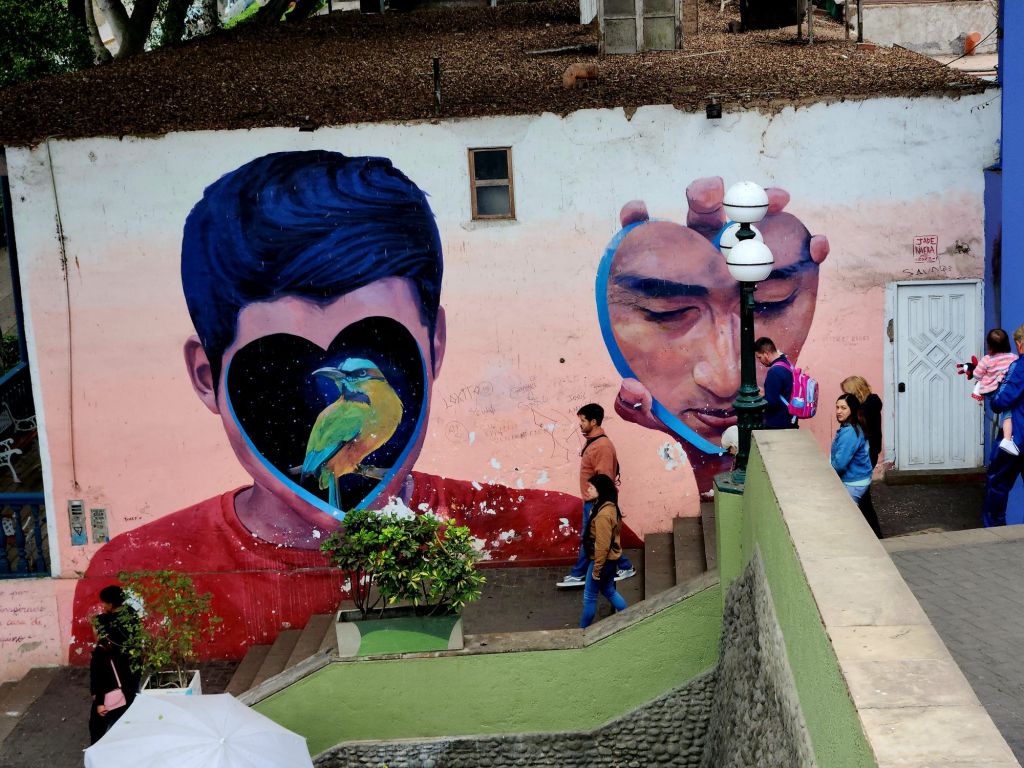
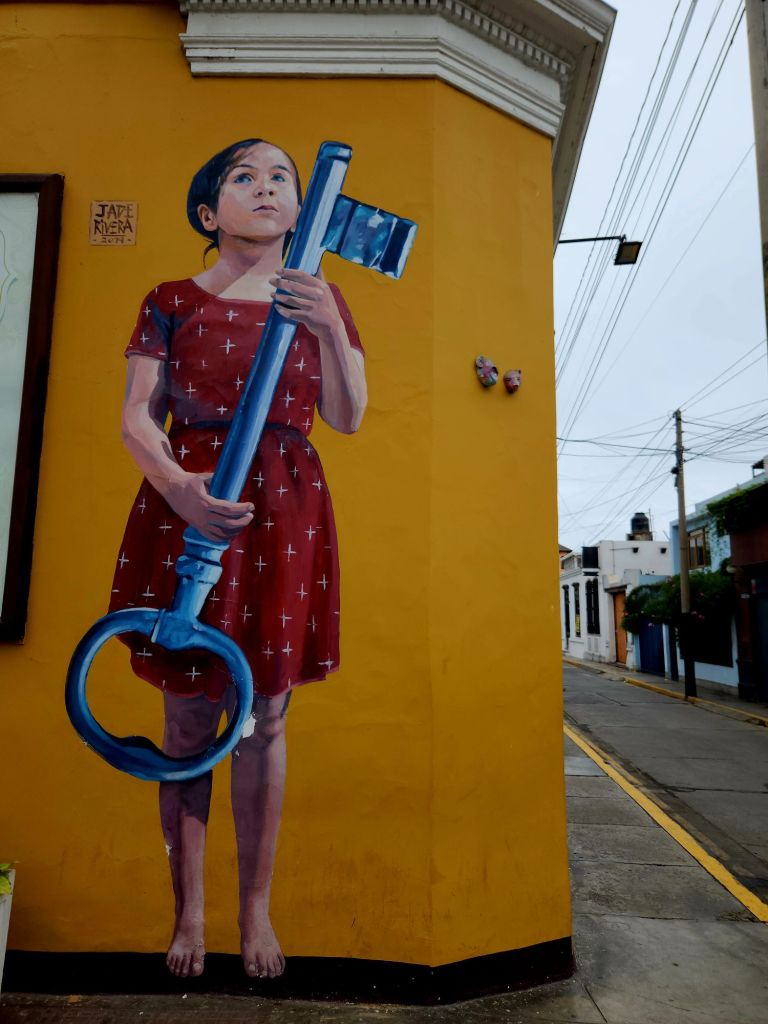
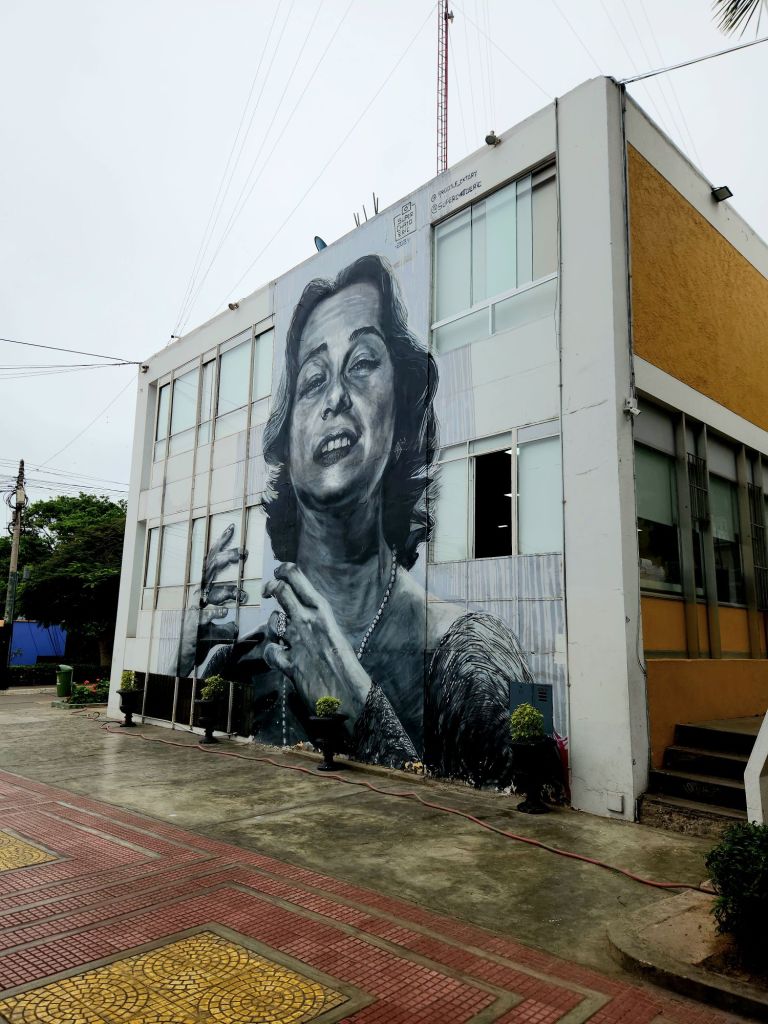
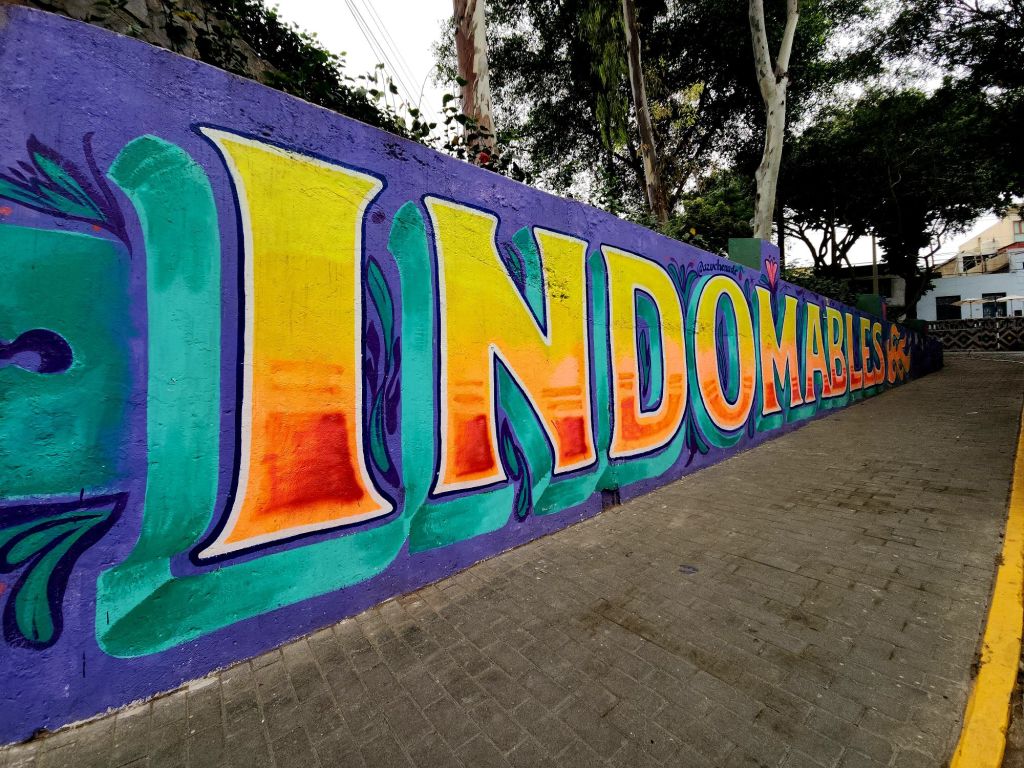
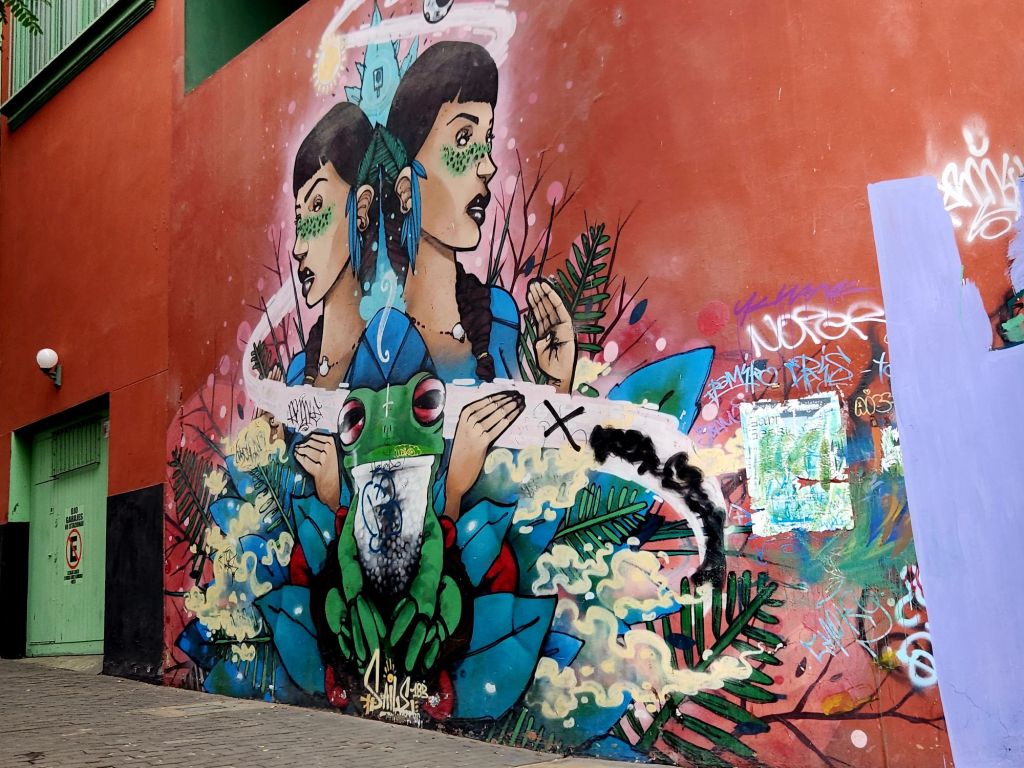
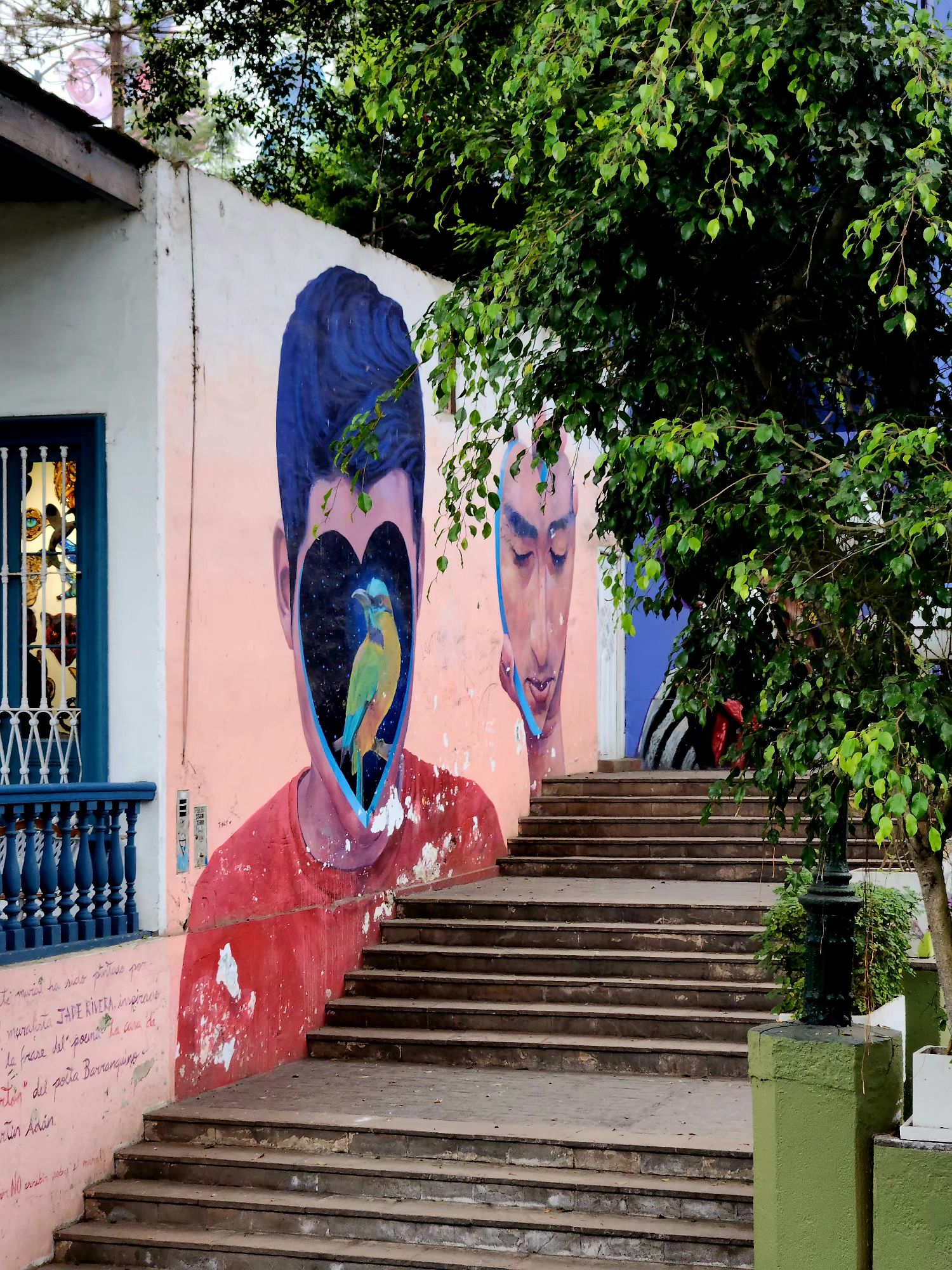
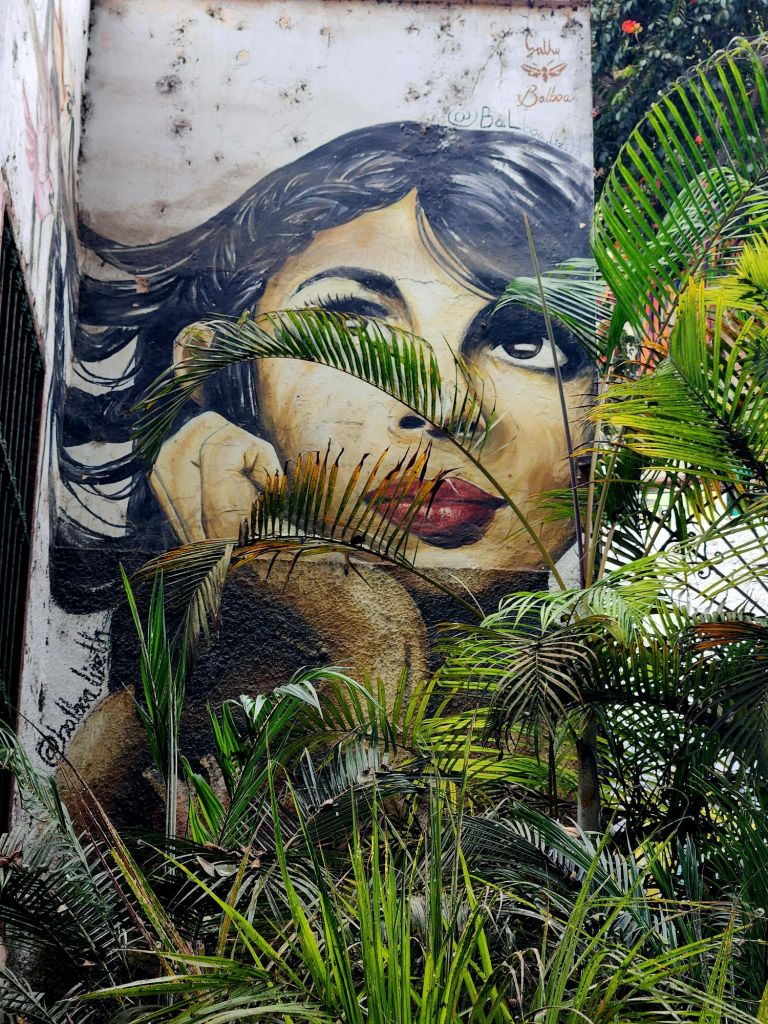
In Peru, murals are more than art—they’re storytellers. Across cities like Lima, they reflect cultural identity, blending indigenous roots with modern urban expression. From vibrant chicha styles to ancestral symbols, these public works celebrate heritage and diversity.
Murals also serve as political commentary, addressing issues like violence, injustice, and resistance. They memorialize the past and give voice to marginalized communities.
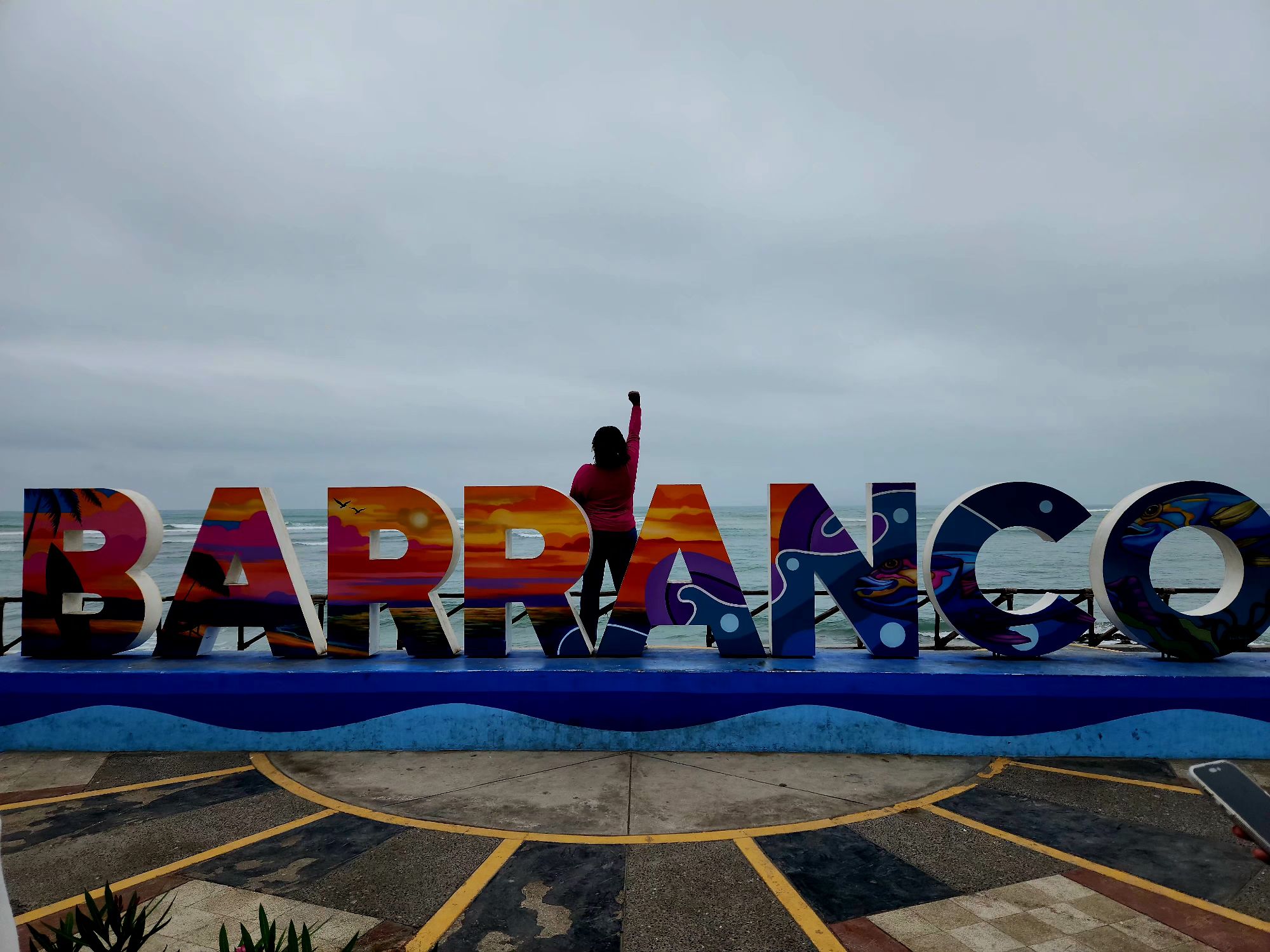
In neighborhoods like Barranco, walls have become open-air galleries—colorful, bold, and deeply meaningful.
Want to explore them up close? Check out the Barranco Street Art Tour in Lima:











 Shawnette Brown