Thank you in advance for joining me on my international, cross-cultural experience, where I will learn about school systems in Peru and build new relationships through the Fulbright TGC Program.
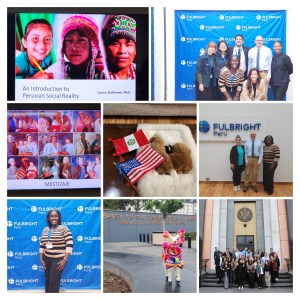
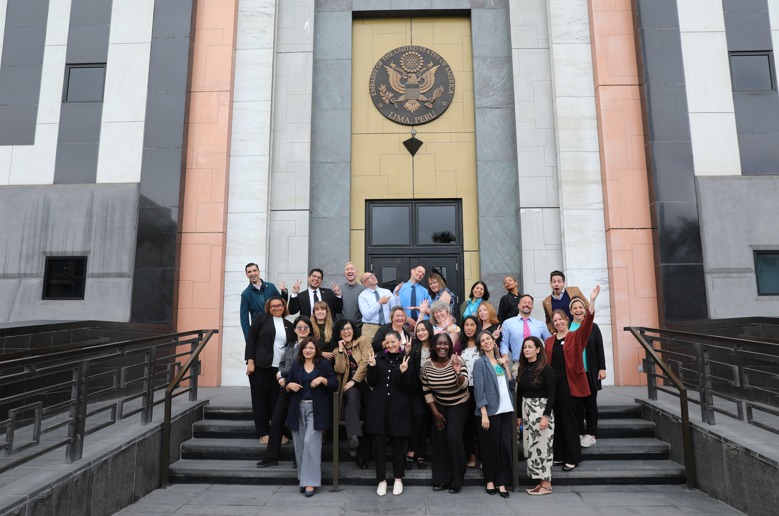
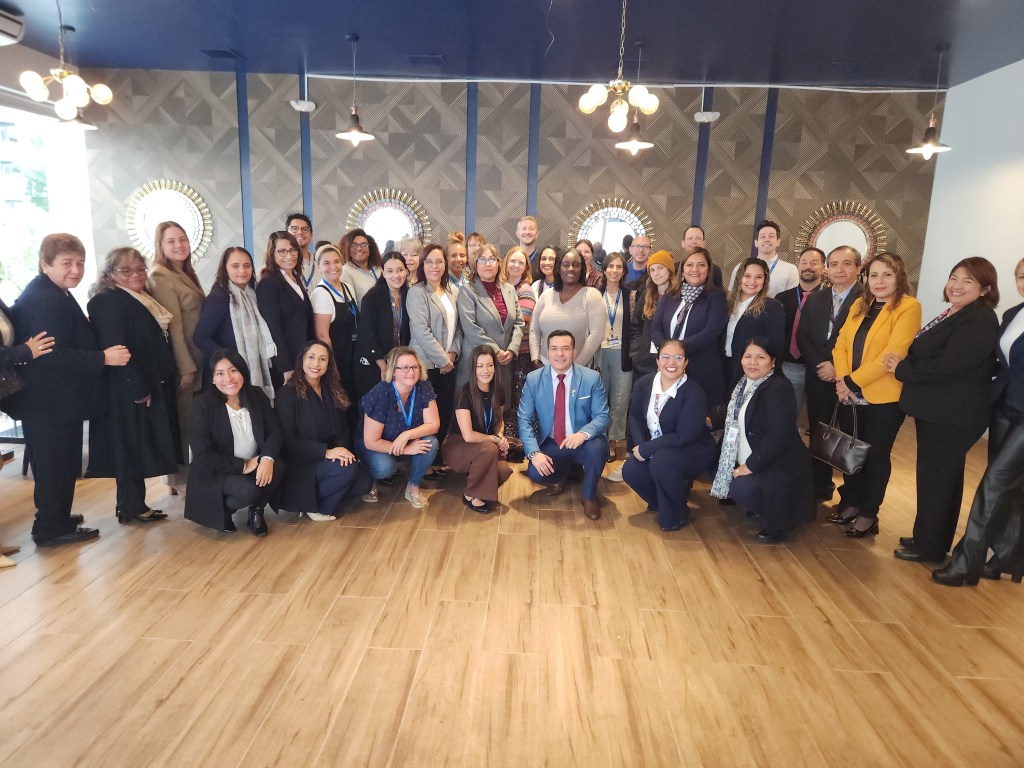
June 16, 2025: Our day began with great anticipation as we prepared for our visit to the U.S. Embassy in Lima. This was one of the highlights of our Fulbright Field Experience—an opportunity to engage in deep dialogue about Peru’s education system alongside education leaders and specialists from the Ministry of Education.
Due to embassy security protocols, we were not permitted to bring our devices inside; however, a professional photographer captured moments throughout the visit. Inside, we were provided with a warm welcome, light refreshments, headsets, and live translations, allowing us to fully engage in a rich and meaningful panel discussion. The conversation covered the structure of the Peruvian education system, including historical context and current priorities across preschool, primary, and secondary levels.
One of the most innovative initiatives discussed was Peru’s recent effort to expand English language instruction into the early grades through video-based learning. This approach is designed to be both cost-efficient and scalable. We also explored pedagogical practices, equity challenges, and the national commitment to overcoming barriers that prevent educational access for all students. It was especially powerful to hear directly from Ministry leaders who spoke with such passion about the children of Peru, the indigenous people, and the preservation of their language, as well as their belief in education as a force for transformation.
Following a delicious traditional lunch at Tanta, we made our way to the Fulbright Peru headquarters. There, we were warmly welcomed by Dr. Laura Balbuena, Executive Director of Fulbright Peru. Her presentation was both informative and moving. She shared the history of the Fulbright program in the country. She helped us better understand the social and cultural dynamics that shape education in Peru, including the legacy of The Shining Path and its impact on Indigenous communities, languages, and systems.
One of the most fascinating takeaways from the day was learning about COAR schools (Colegios de Alto Rendimiento). These are high-performing, tuition-free public boarding schools that serve students from lower socioeconomic backgrounds who have been accepted into a highly competitive program through a rigorous examination process. The schools only serve the final three years of secondary education—making them uniquely focused and intensive. Despite being boarding schools, they are fully funded by the government and represent a significant investment in the future of Peru’s brightest students. It’s inspiring to know that these schools prioritize excellence while remaining accessible to underserved communities.
I’m looking forward to learning even more when I visit my assigned host teacher and school later this week. Peru’s commitment to educational innovation is already leaving a deep impression on me, and I’m eager to see how these systems function in practice. #FulbrightTGC#FulbrightProgram#eualum#lifelonglearning
Click the photo below to view images of our time at the United States Embassy in Peru.
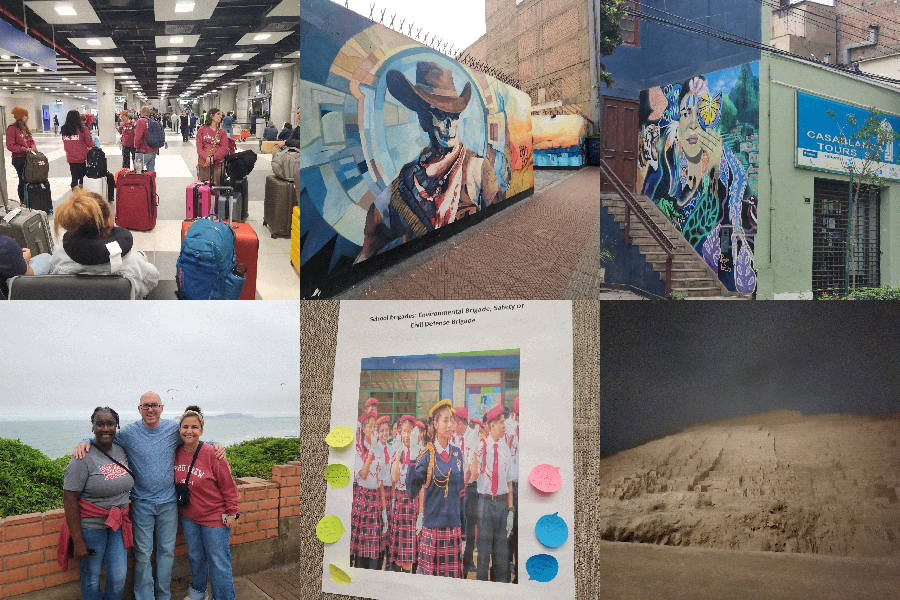
June 18, 2025: Barronco was a lovely community!
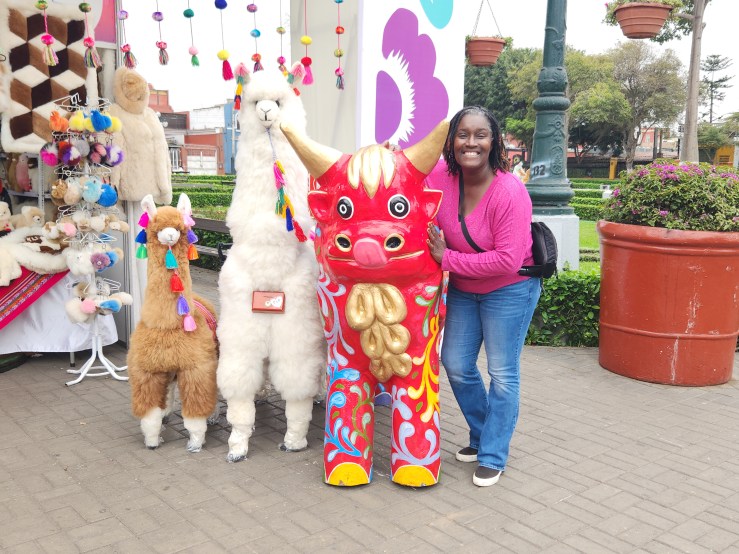
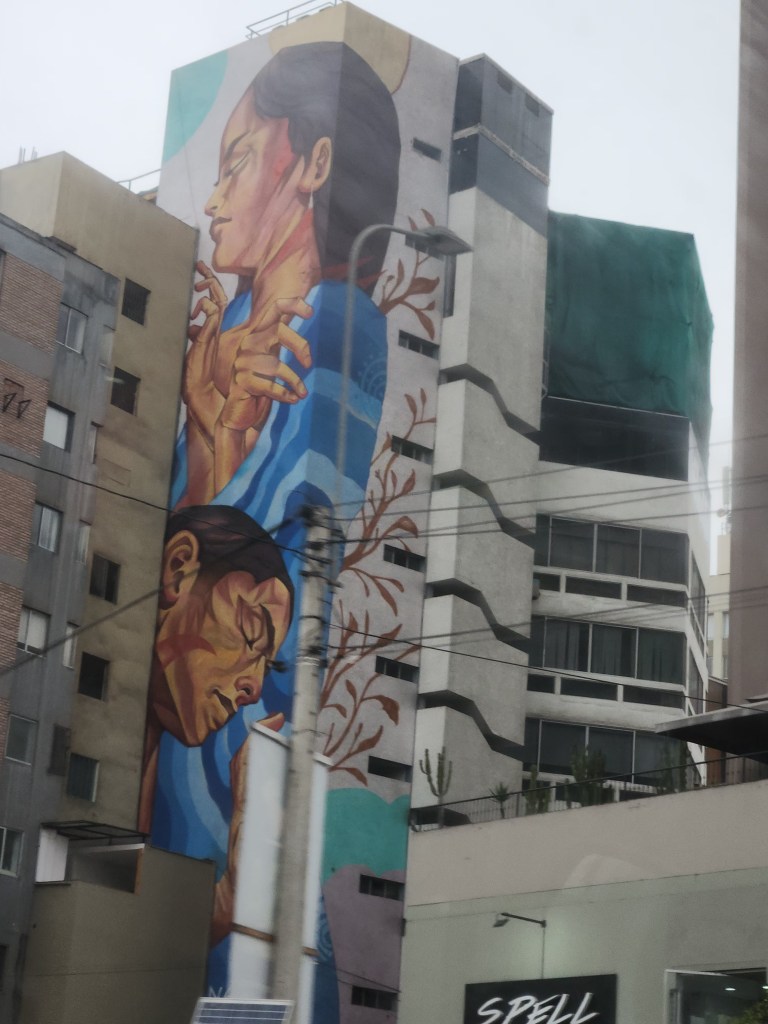
During our time in Lima, we had the chance to explore Barranco, one of the city’s most colorful and historic districts. Known as Lima’s bohemian neighborhood, Barranco is a hub of art, music, and culture, where history and creativity come together in a unique way.
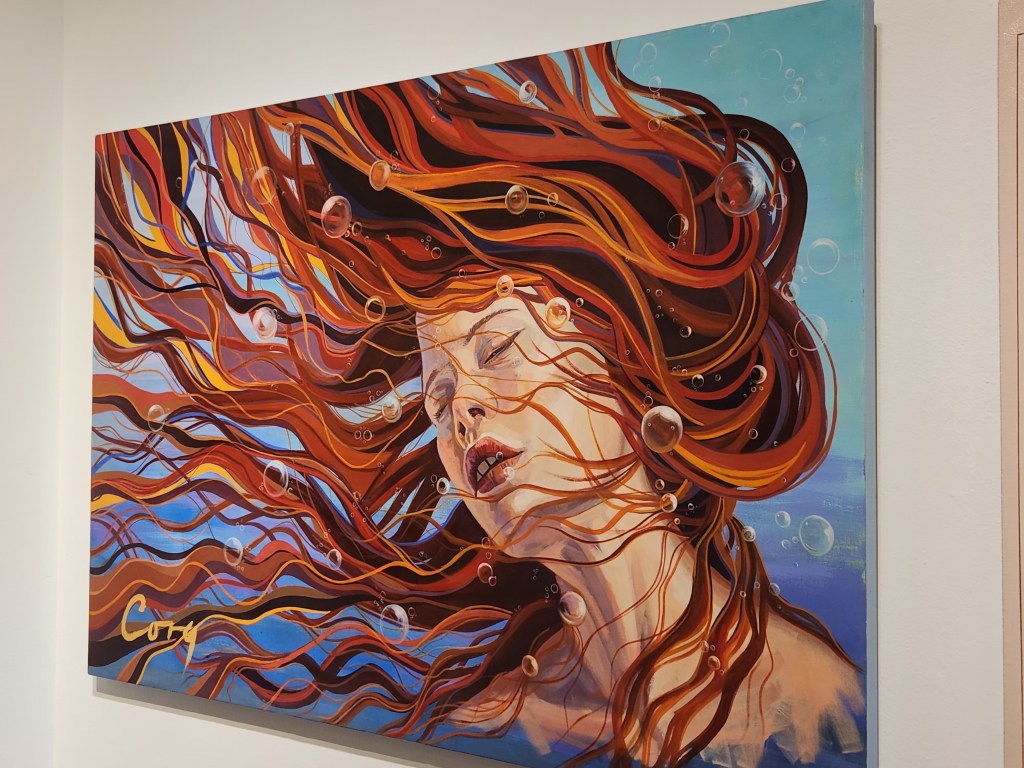
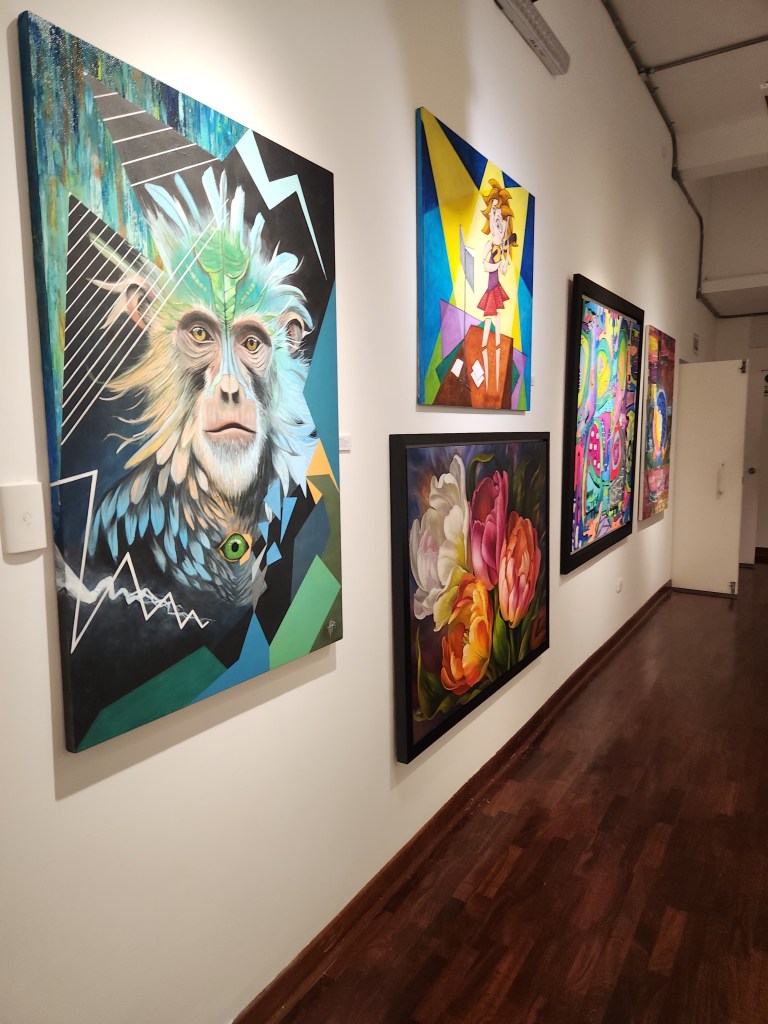
Walking through Barranco feels like stepping into a living canvas. The streets are filled with striking murals, vibrant street art, and colonial-style architecture painted in bright colors. Cafés, galleries, and small shops line the roads, giving the neighborhood a welcoming and lively atmosphere. At the heart of the district is the famous Puente de los Suspiros (Bridge of Sighs), a landmark surrounded by legends and a gathering place for locals and visitors alike.
Barranco is also deeply tied to Peru’s cultural identity. For generations, writers, poets, and musicians have drawn inspiration from this district, and their influence continues today. It is a place where traditional Peruvian culture meets modern artistic expression, making it one of Lima’s most treasured neighborhoods.
For me, visiting Barranco was not only about enjoying the art and scenery but also about seeing how communities preserve culture while embracing change. The energy of the district reflects resilience, creativity, and pride—values that echo in education and in the way we share cultural heritage with younger generations.
July 19, 2025: School Visits in Callao, Peru
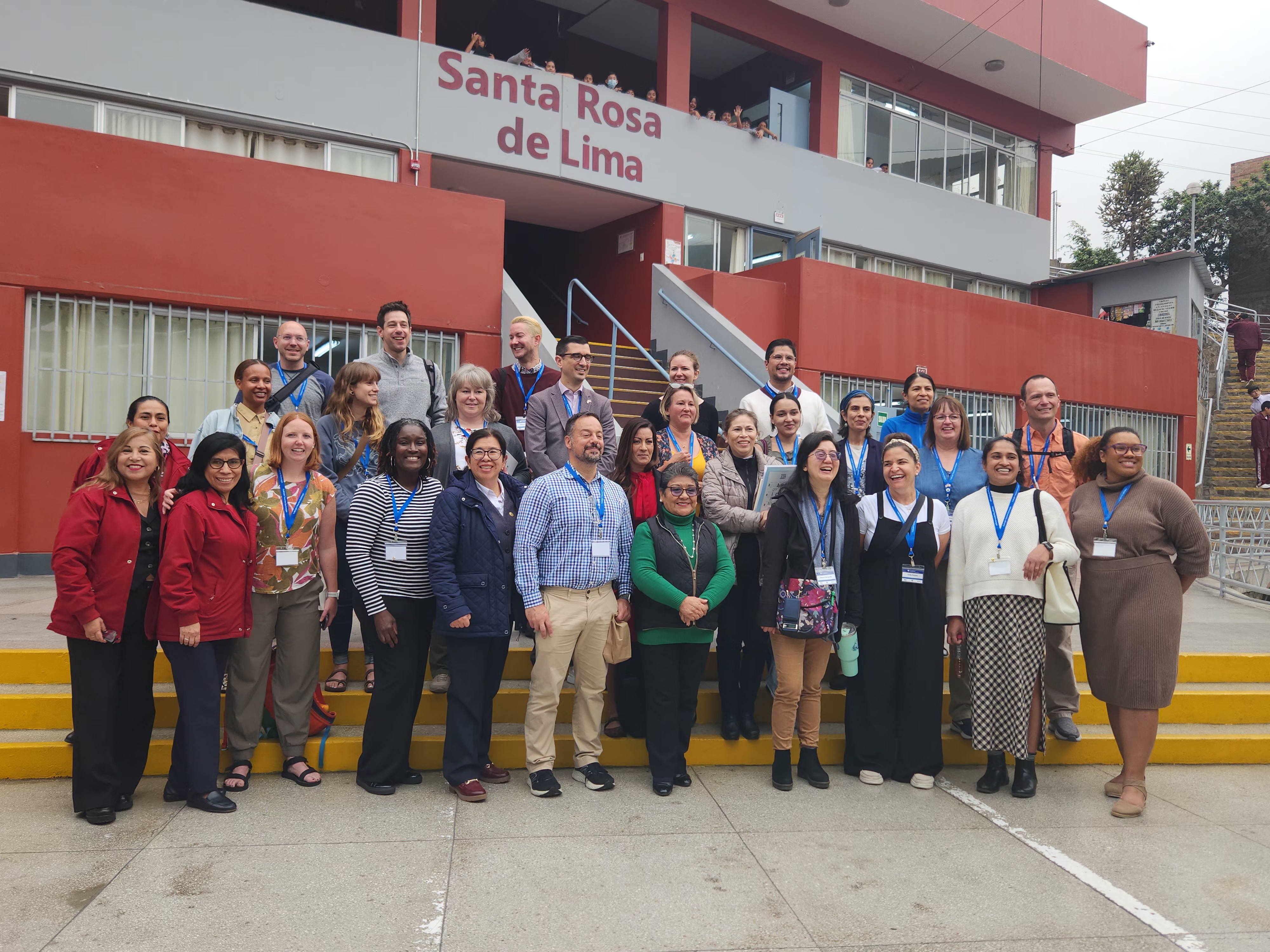
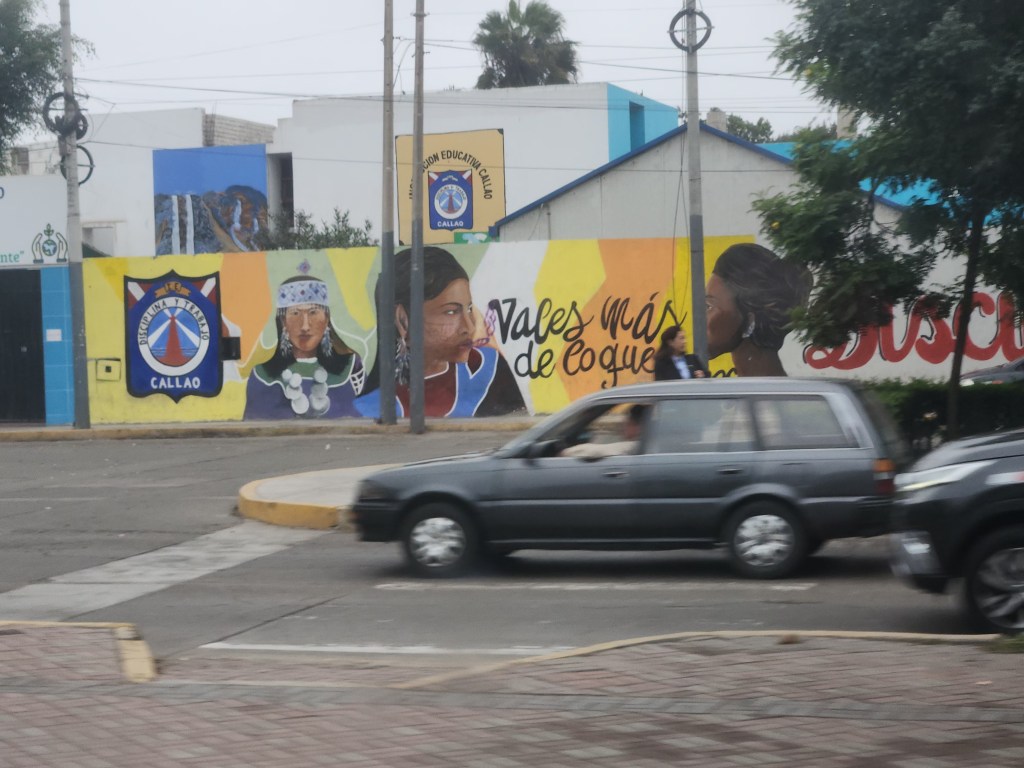
Today, we visited the Dora Mayer School, which was established in 1965. From the moment we arrived, the students and staff greeted us with genuine warmth and excitement. It truly felt as though they rolled out the red carpet for us. We enjoyed cultural dances, songs, and a performance by the school’s dance team. In the classrooms, students delivered thoughtful presentations, and we also had the opportunity to share about our own communities.
One of the most striking aspects of Dora Meyer was how deeply recycling, environmental awareness, and sustainability are embedded in the life of the school. These practices are not treated as side projects but as essential values woven into the daily routines of teachers and students. I visited a first-grade classroom where the teacher’s enthusiasm was evident in every detail of her lesson. Our tour, led by older students, ended with a presentation on both the school and the broader Peruvian education system. We were also invited to a celebratory assembly where teachers were honored with awards. The visit closed with coffee and light refreshments, a gesture that made us feel both valued and at home.
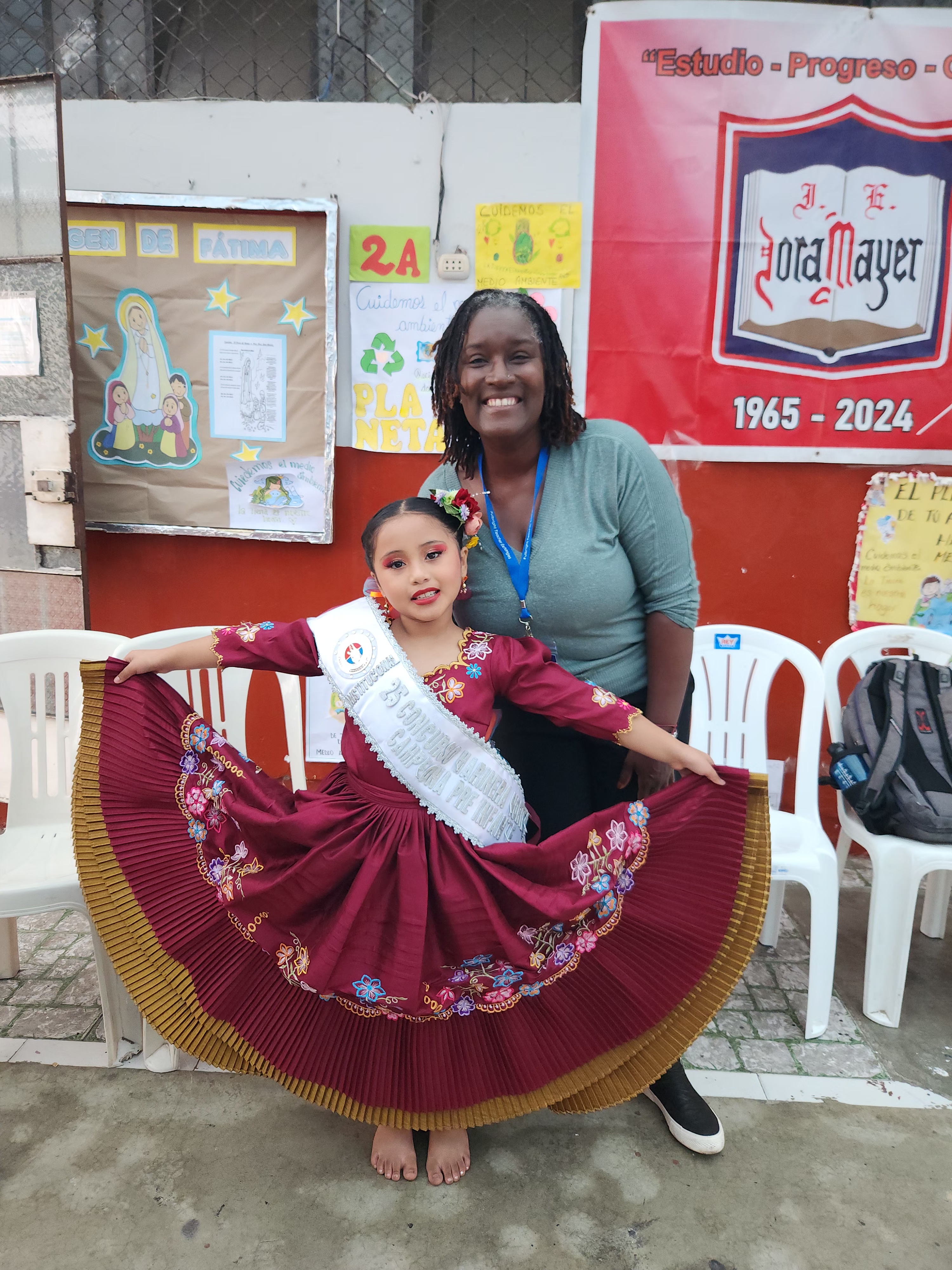
We saw students participating in gym class outside. They engaged in a game of volleyball together, demonstrating teamwork and enthusiasm. Also, we saw a brave second grader perform a cultural dance with confidence and poise.
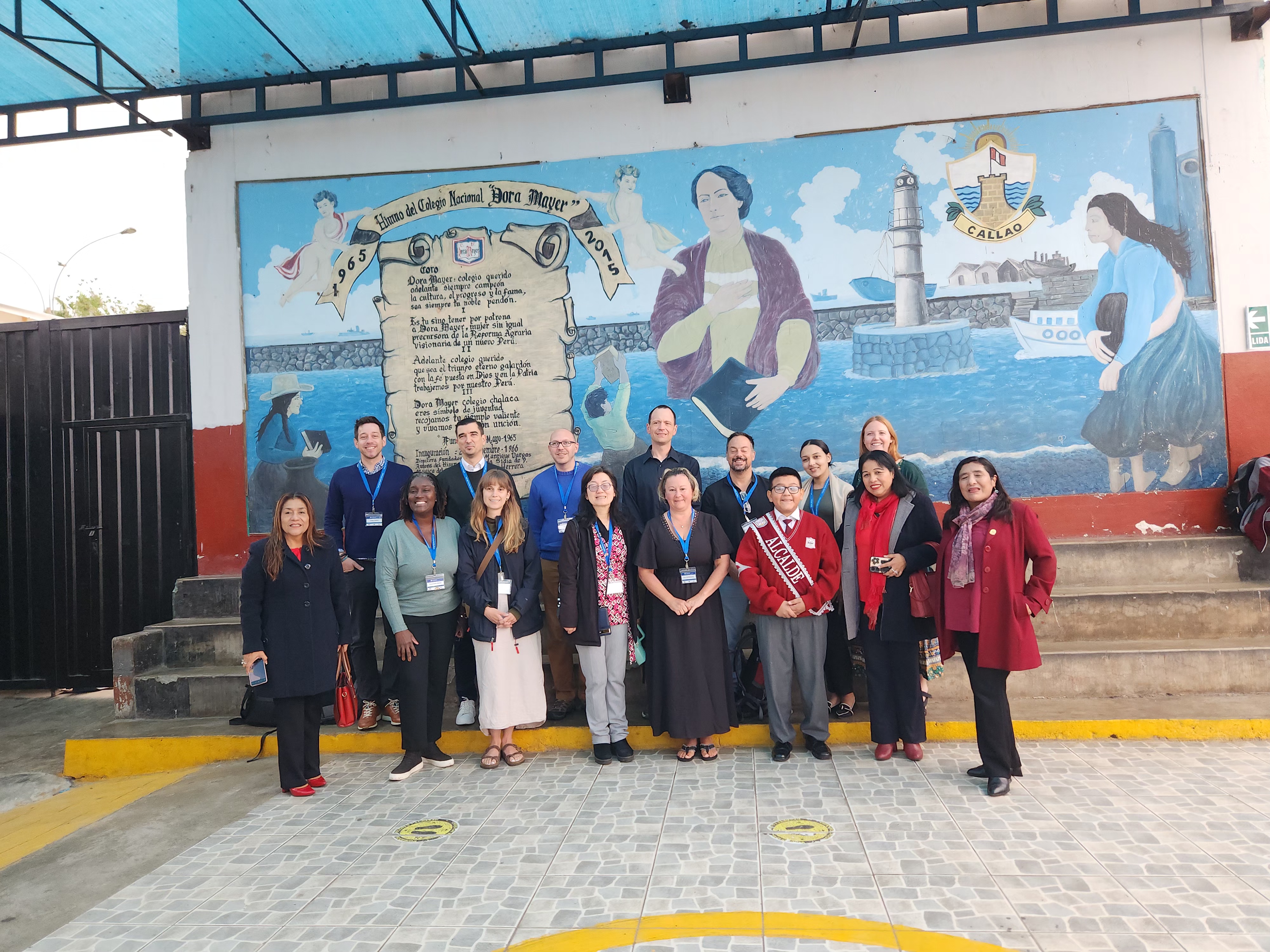
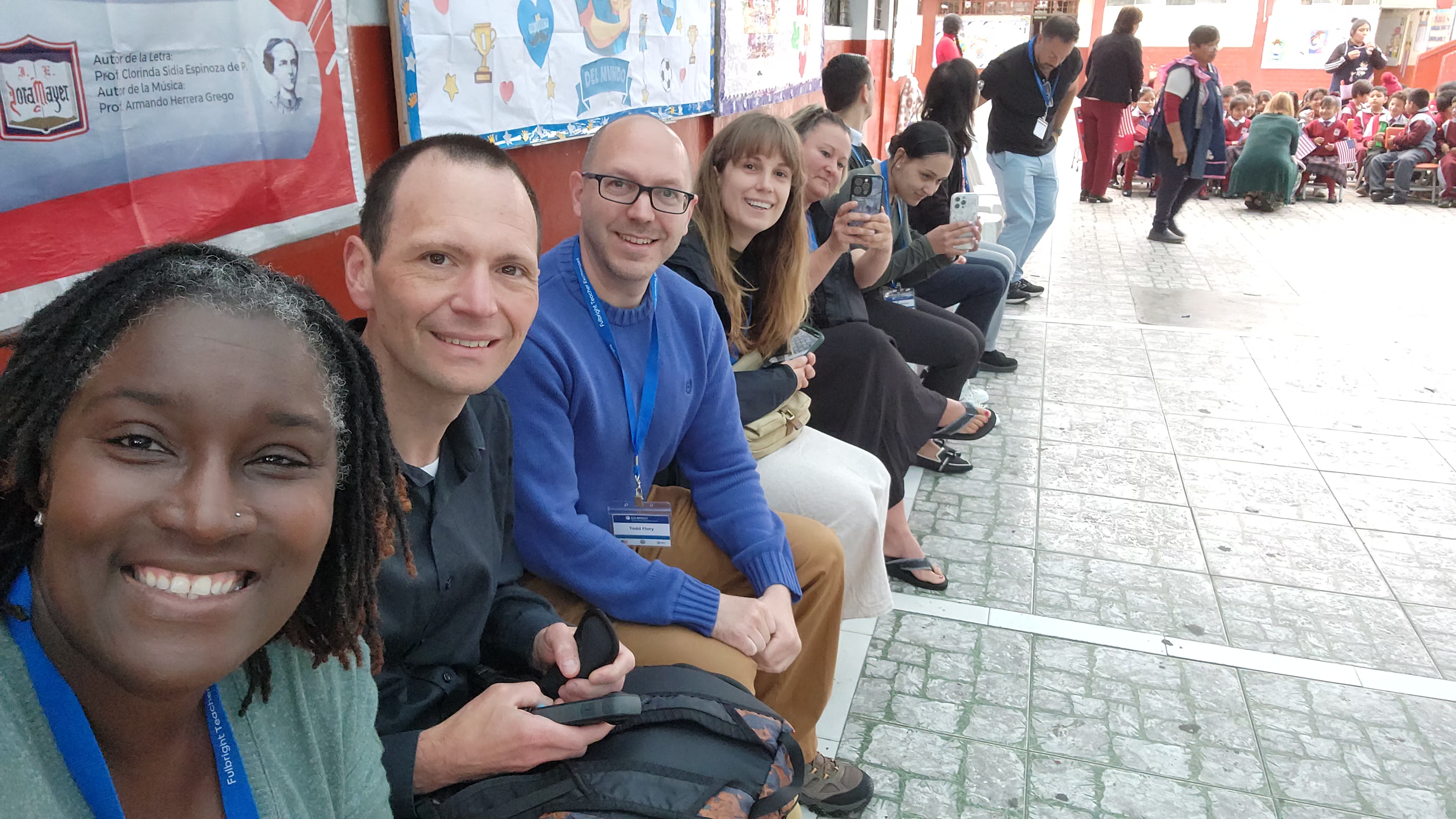
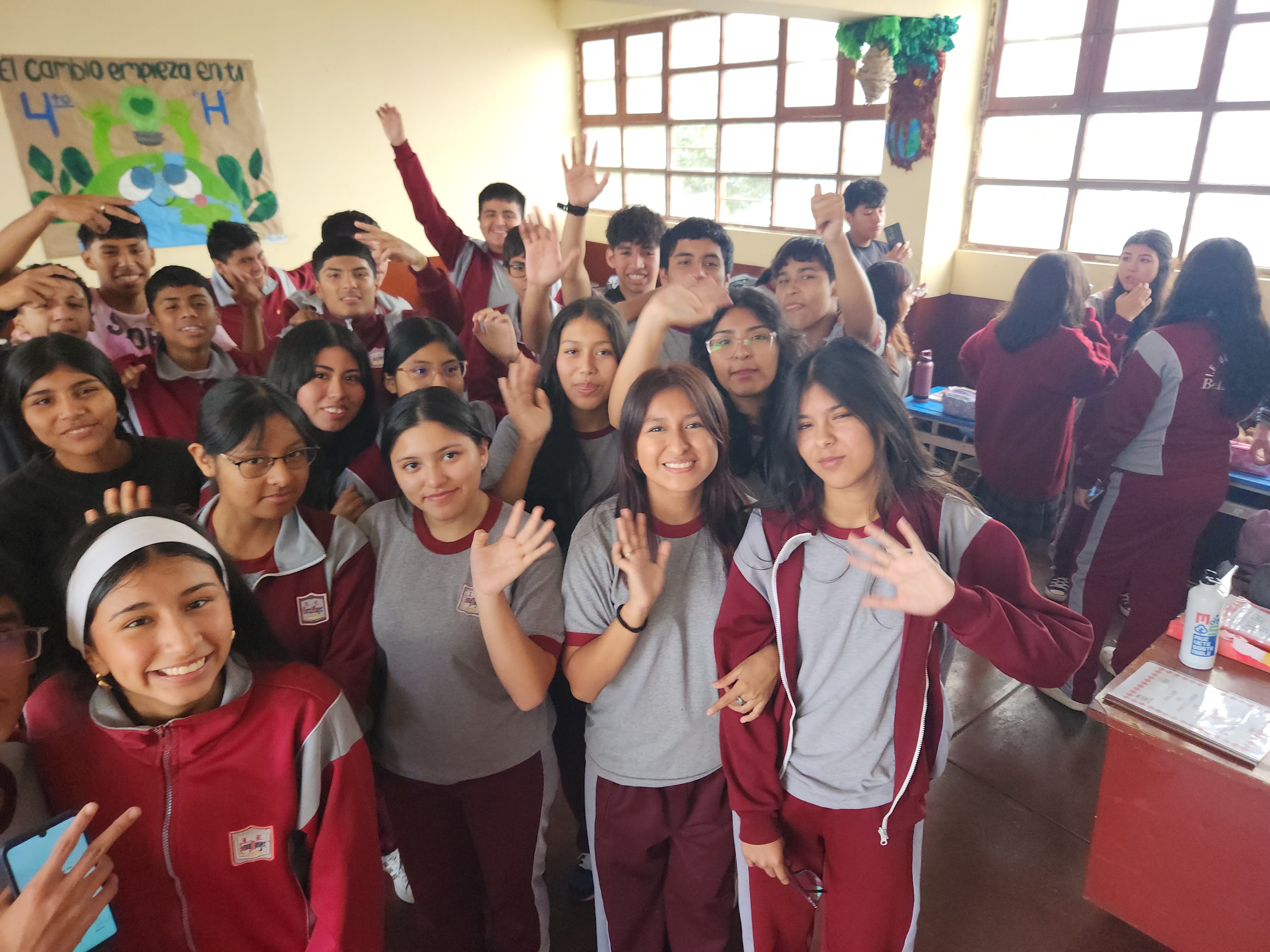
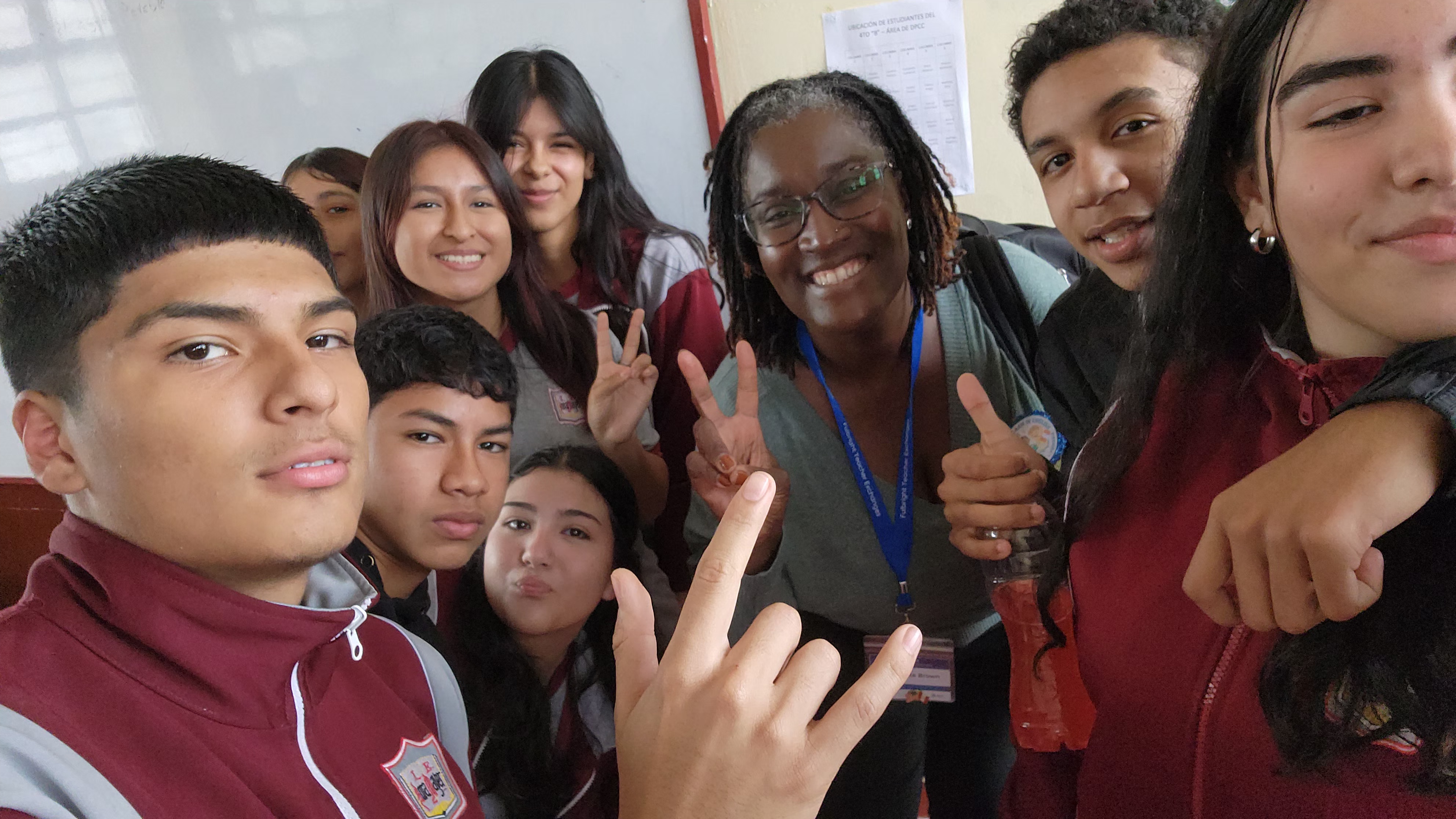
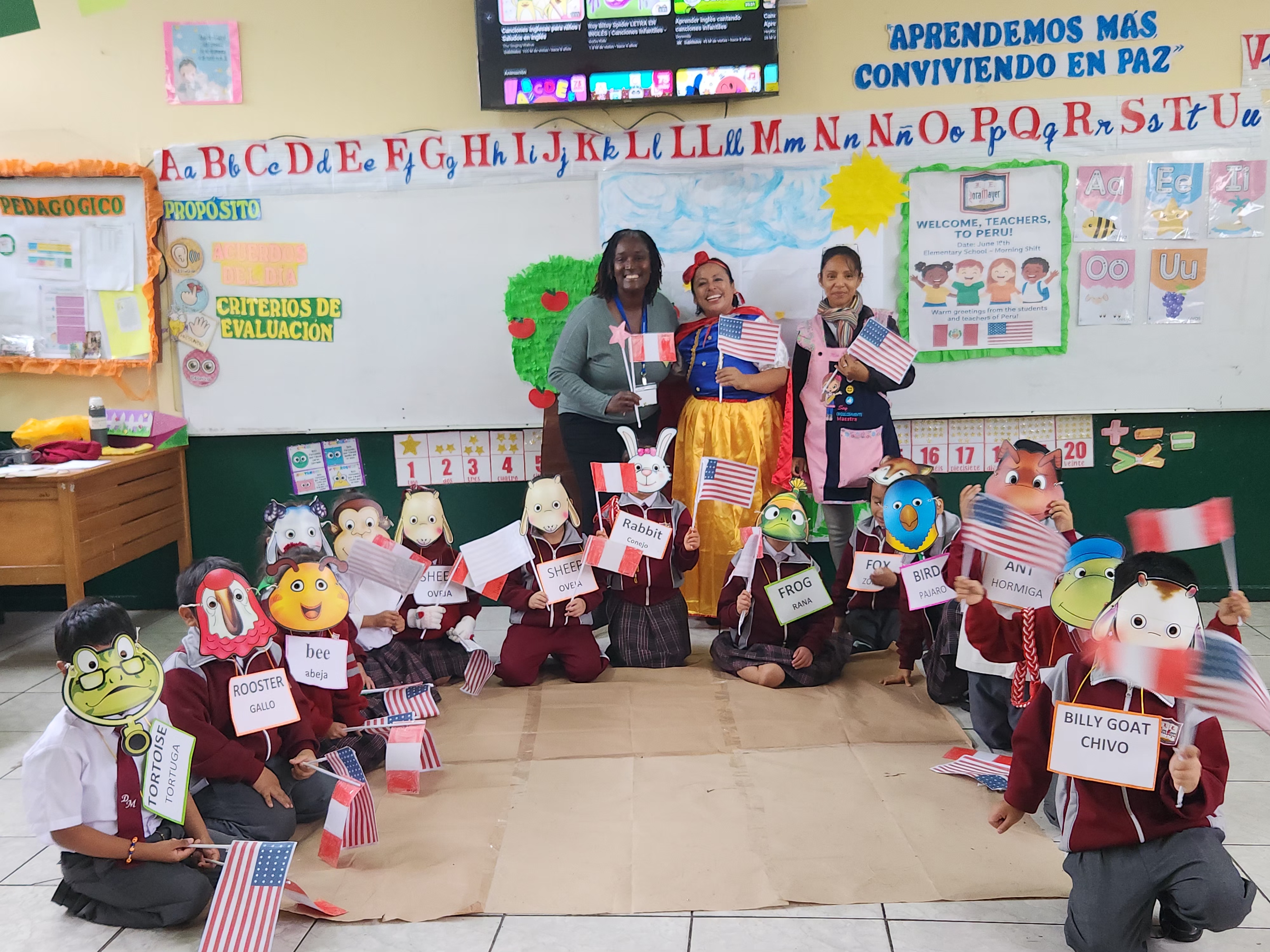
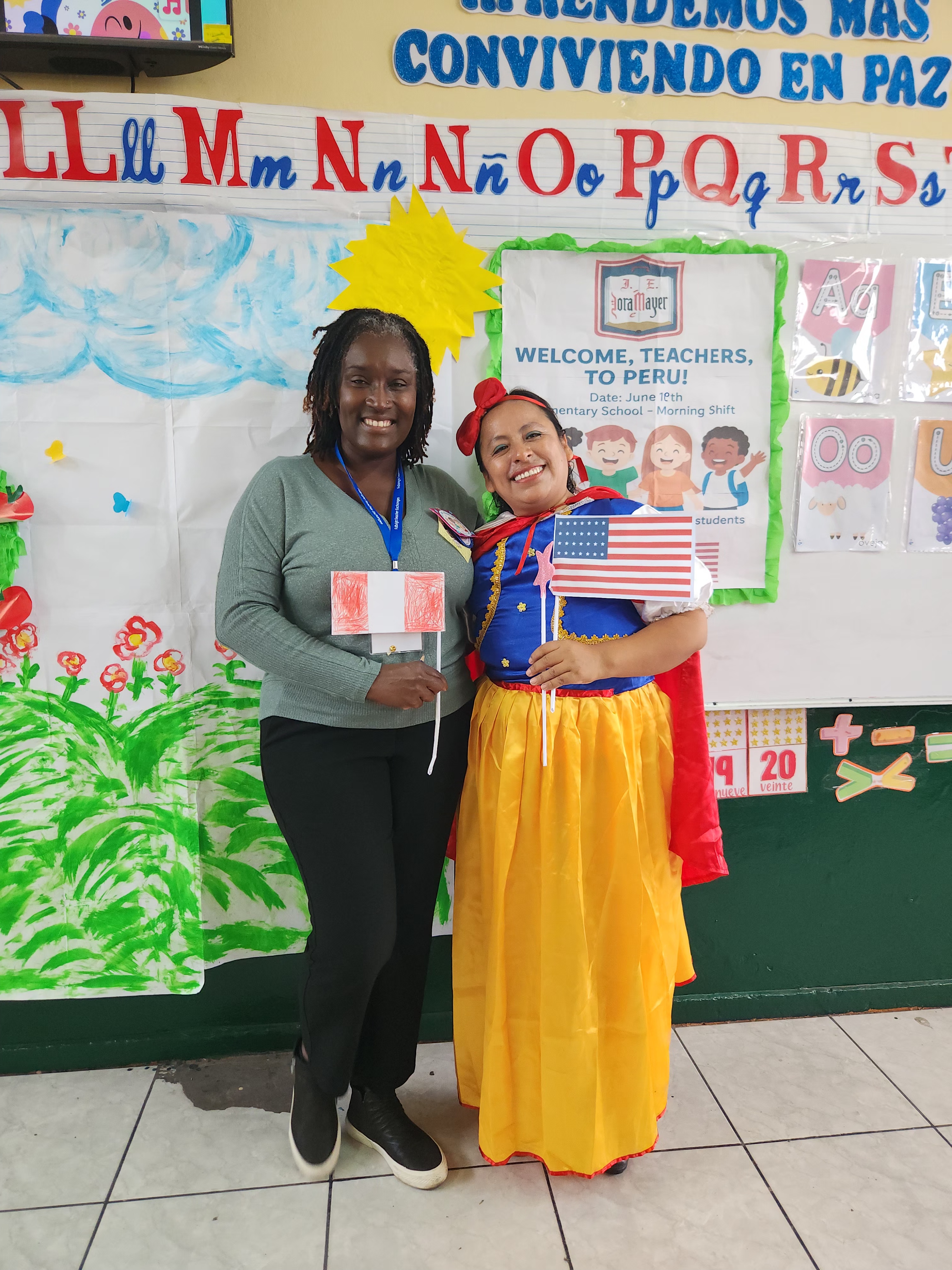
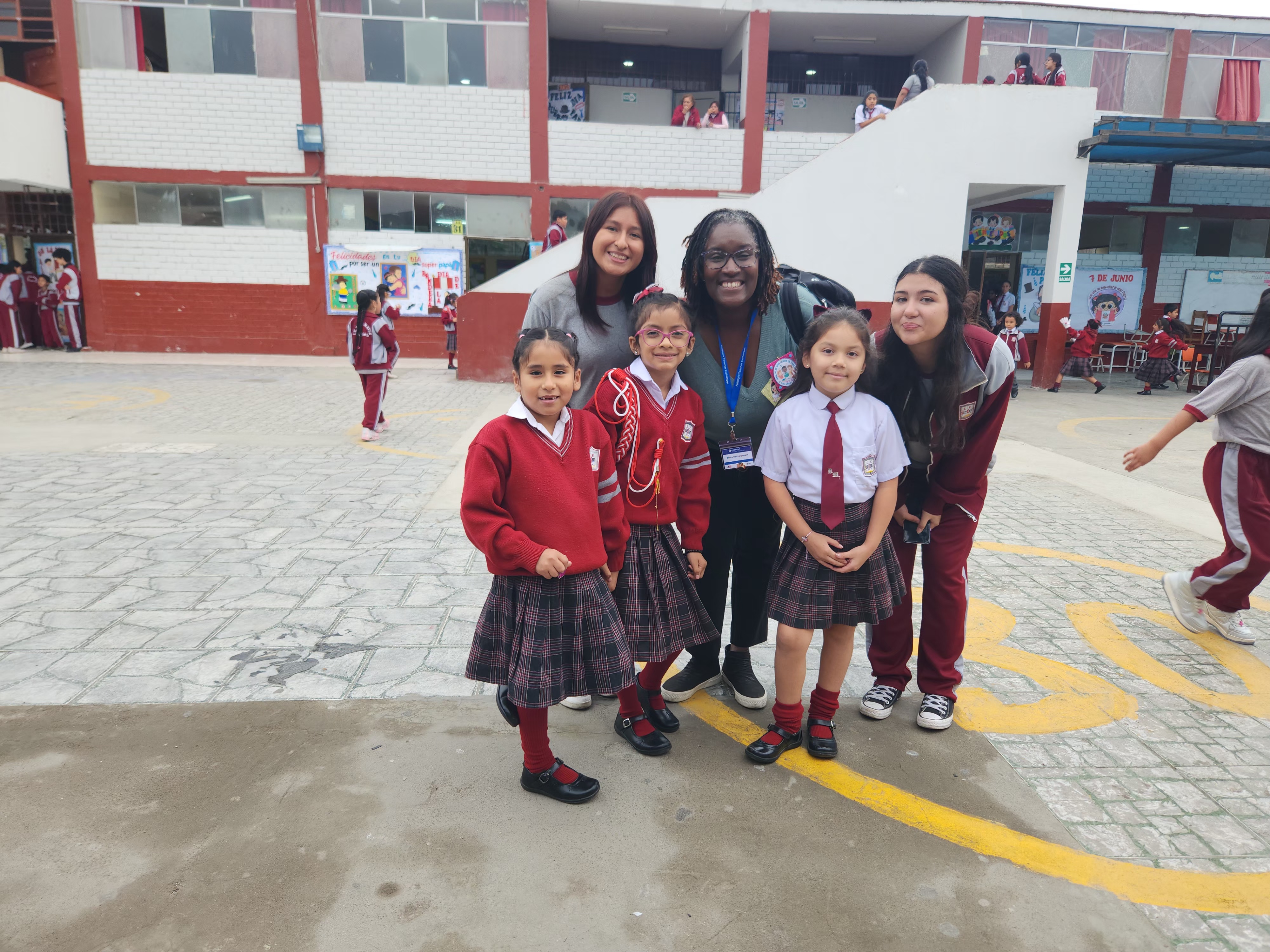
Our second stop was Escuela de Talentos, where we were welcomed by the Regional Education Head, the Director of Pedagogical Management, and the Regional Education Director from the Callao region. The program opened with cultural performances and student presentations that were nothing short of outstanding. A memorable highlight was a presentation on Machu Picchu, followed by a Jeopardy-style game designed to test our knowledge of the topic. This interactive activity was not only engaging but also offered us a new idea to incorporate into our own classrooms in the United States. The room was filled with energy, and the exchange between students and visitors was both lively and educational.
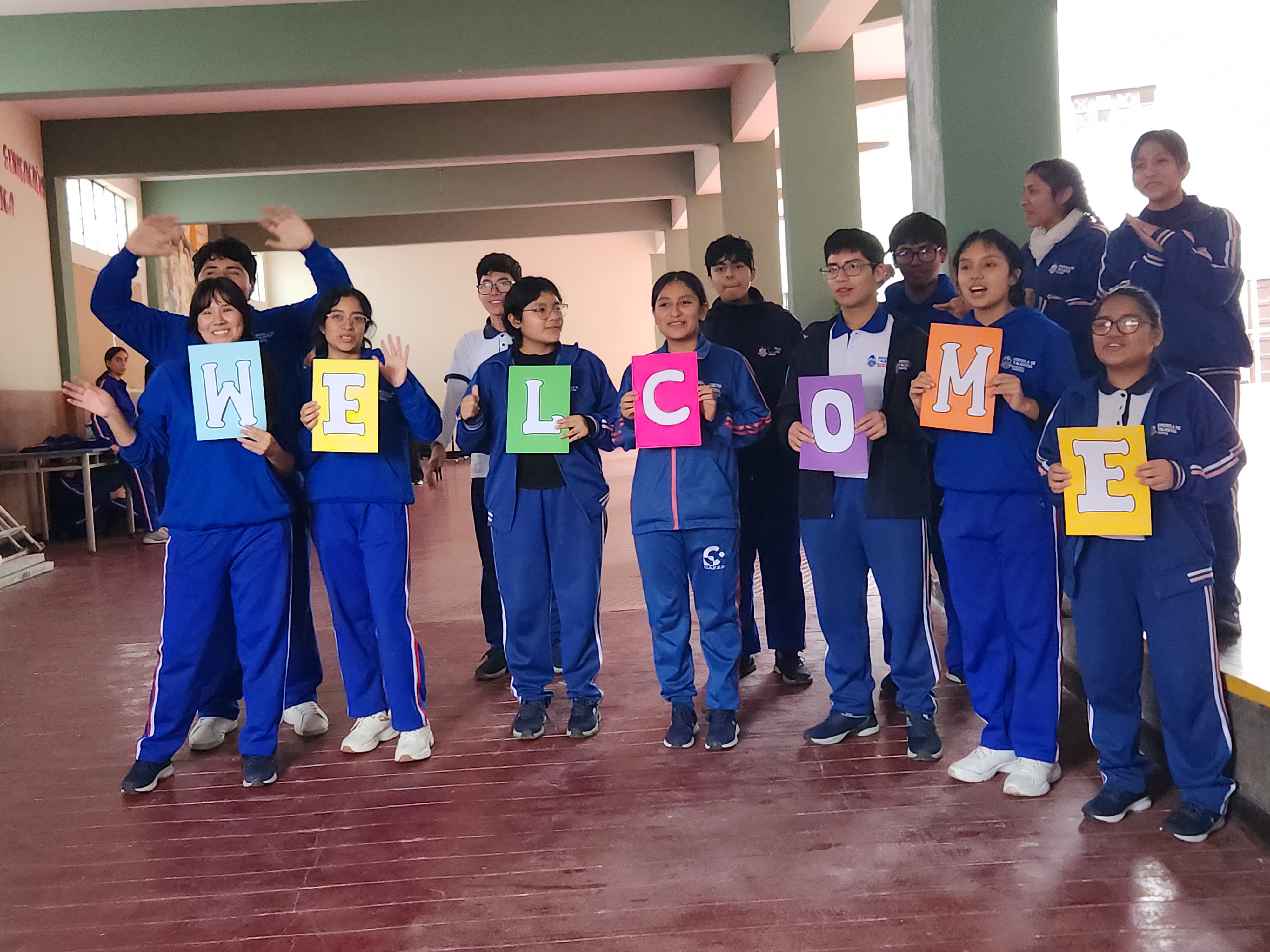
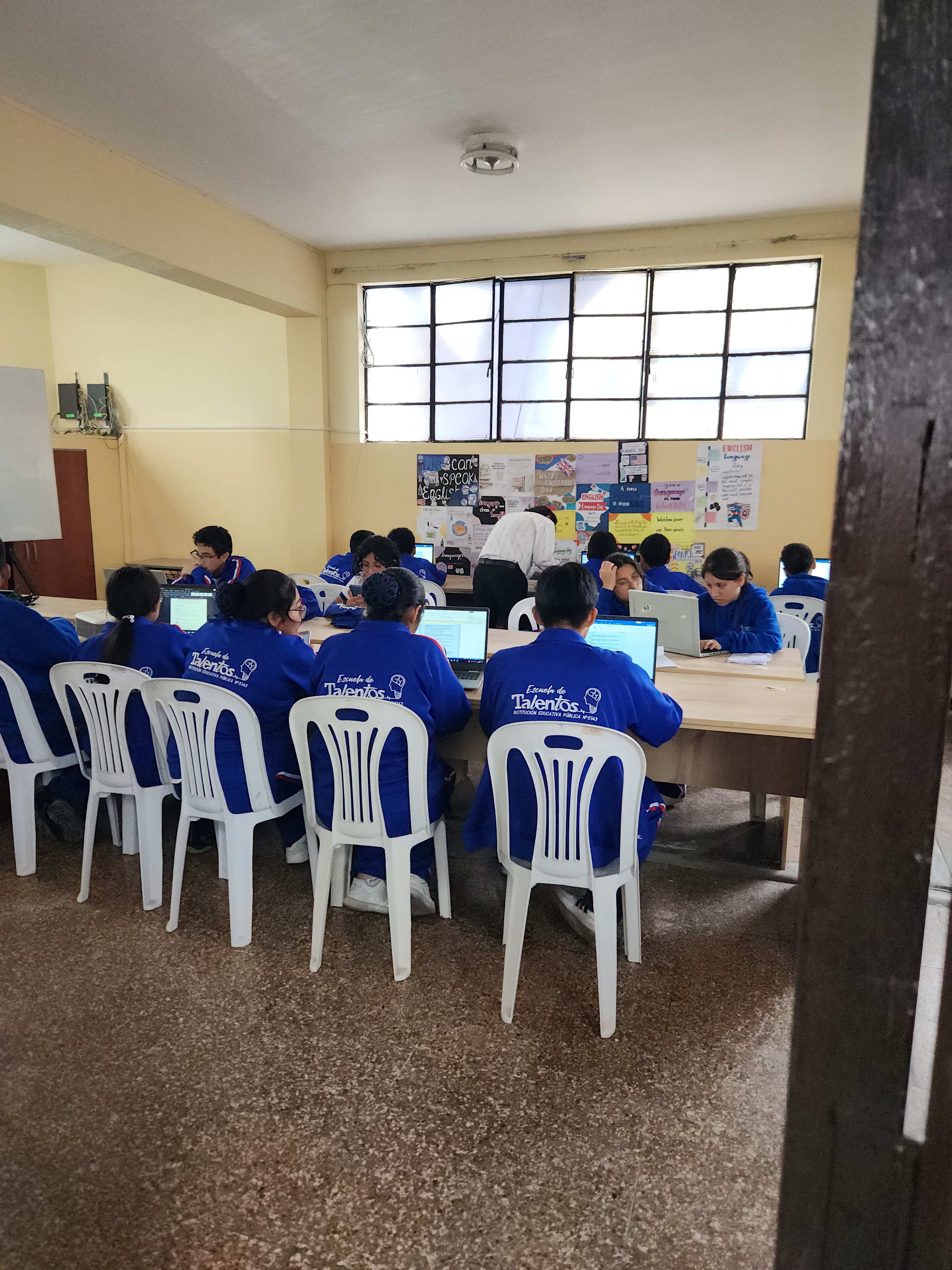
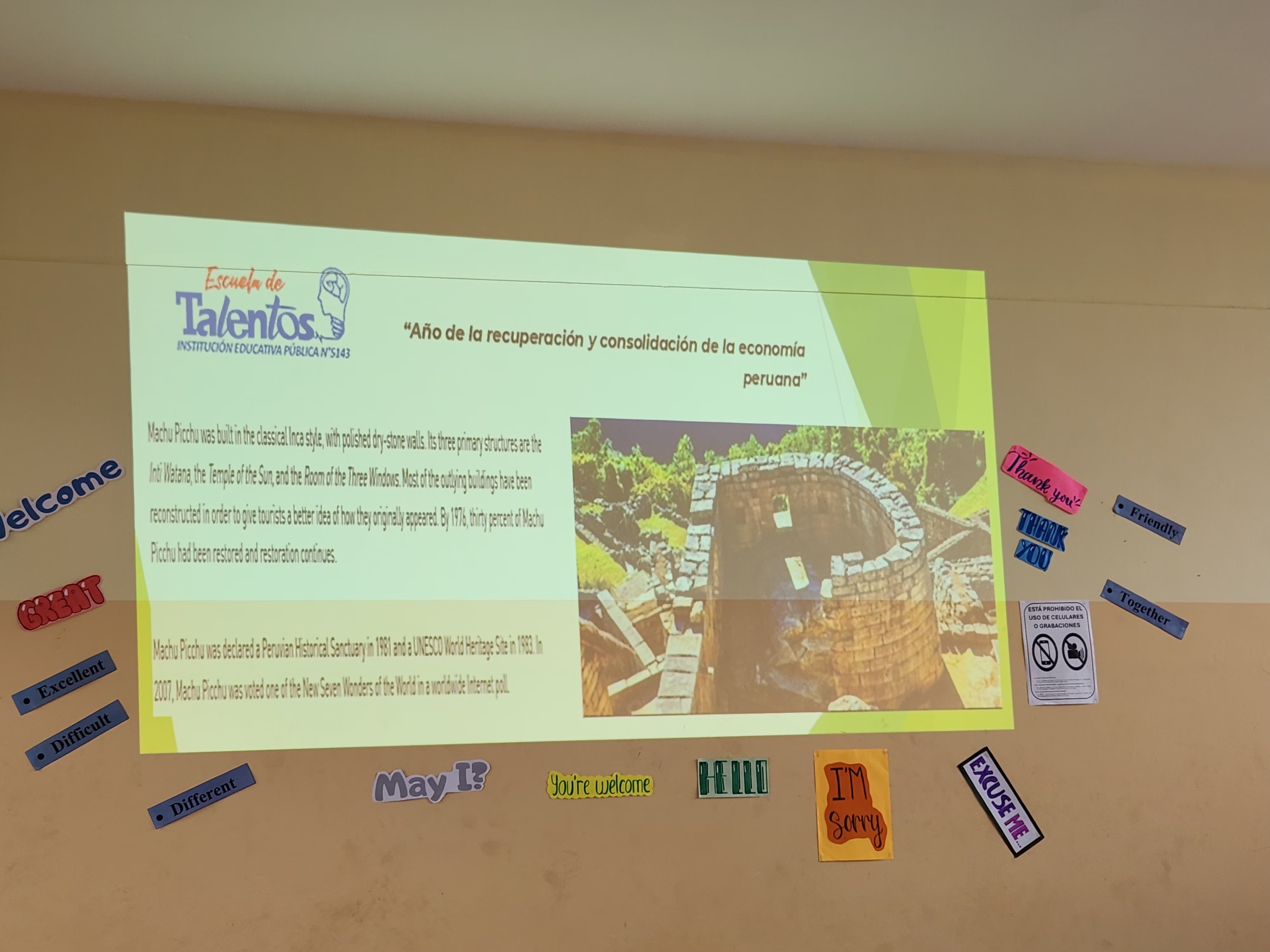
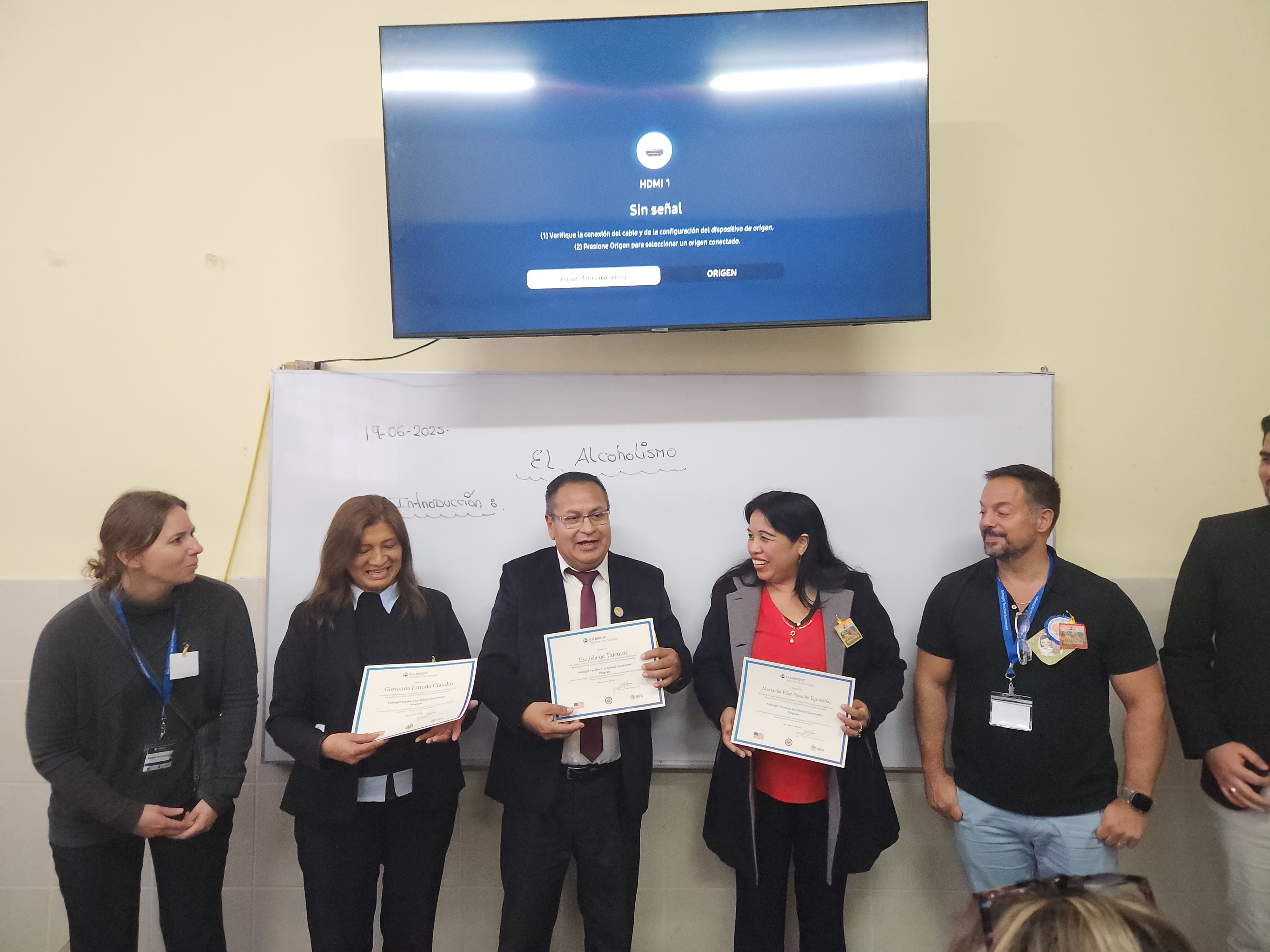
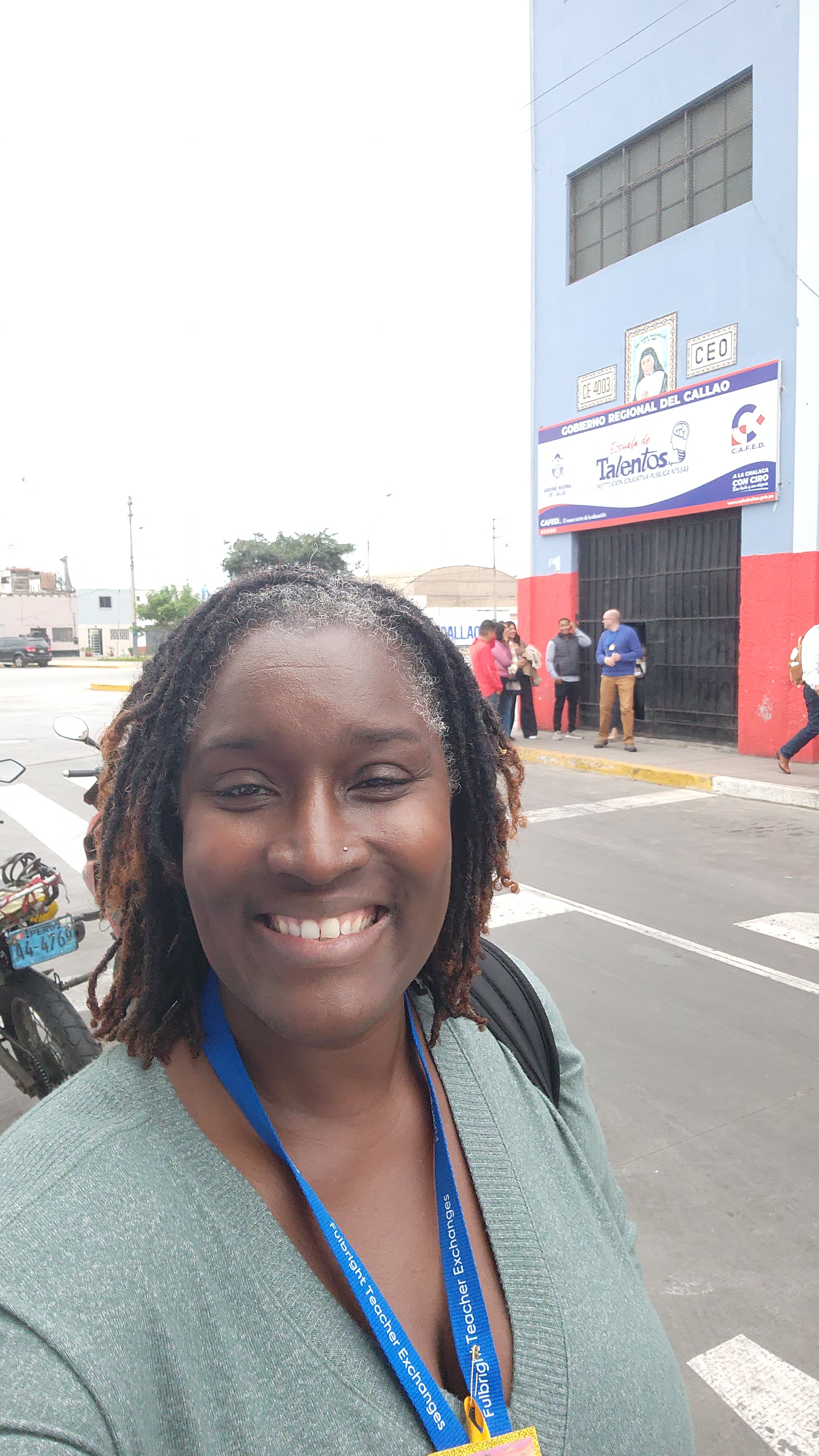
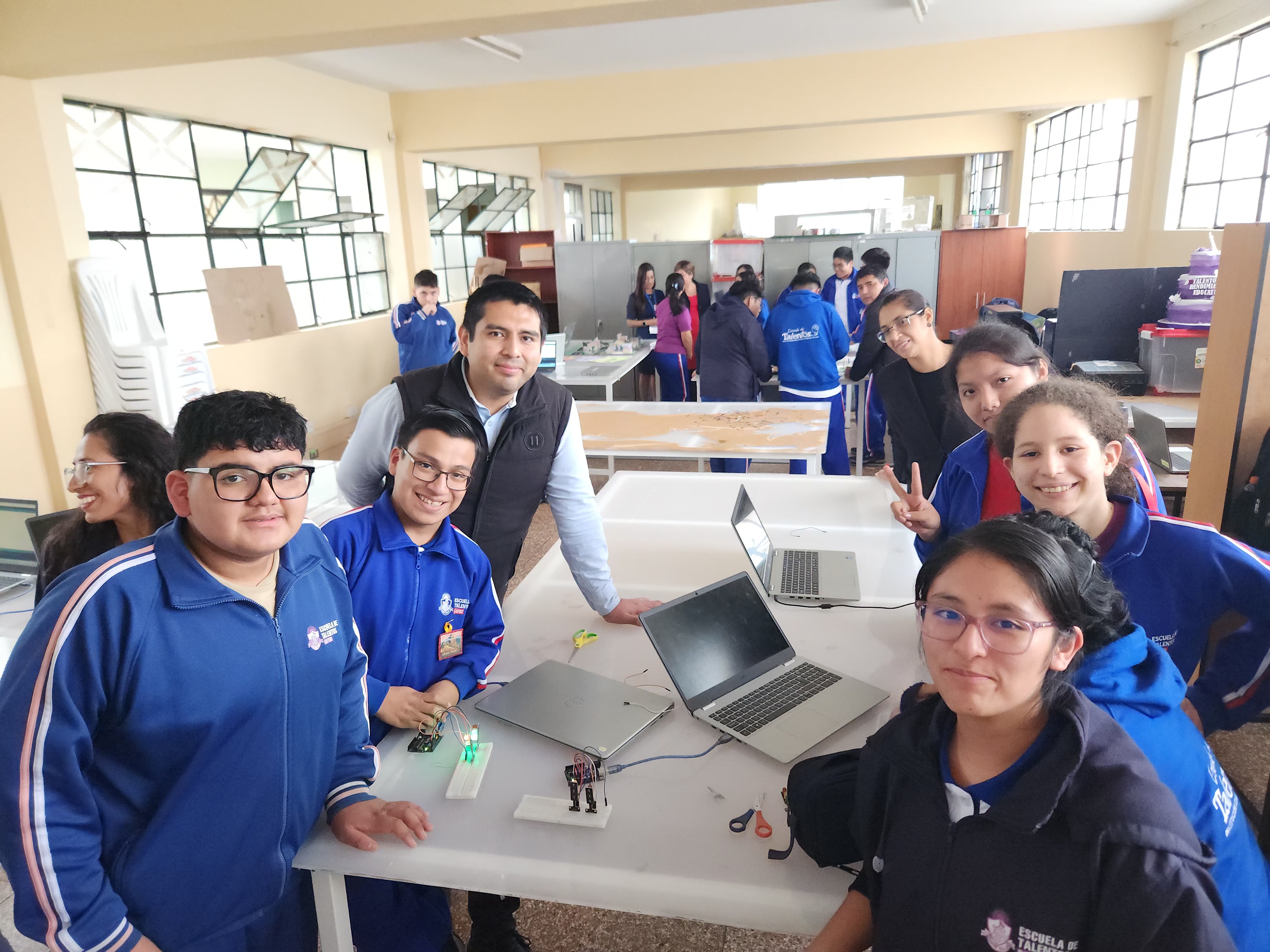
Once again, our Peruvian hosts showed exceptional hospitality, offering cookies and light refreshments. Their attention to detail and care reflected a broader cultural value of generosity and welcome.
Both school visits provided a valuable opportunity to reflect on the similarities and differences between Peruvian and American education systems. From the emphasis on sustainability to the creativity of student-led learning, these experiences underscored the many ways that schools can inspire, engage, and nurture students.
Reflection
As part of my Fulbright journey, these visits reminded me of the profound importance of global education. Witnessing how Peruvian schools integrate culture, sustainability, and innovation into daily learning broadens my own perspective as an educator. It also reinforces the power of cross-cultural exchange, where teachers and students from different parts of the world can learn from one another, adapt new ideas, and grow together. Experiences like these strengthen my commitment to bringing a more global lens into my classroom and to sharing with my students that learning extends far beyond the walls of their own school.
Please click below to view the albums. I took a lot of pictures to capture things I wanted you to see.
Juneteenth 2025 – While in Peru, I took some time to reflect on freedom and my ancestors.
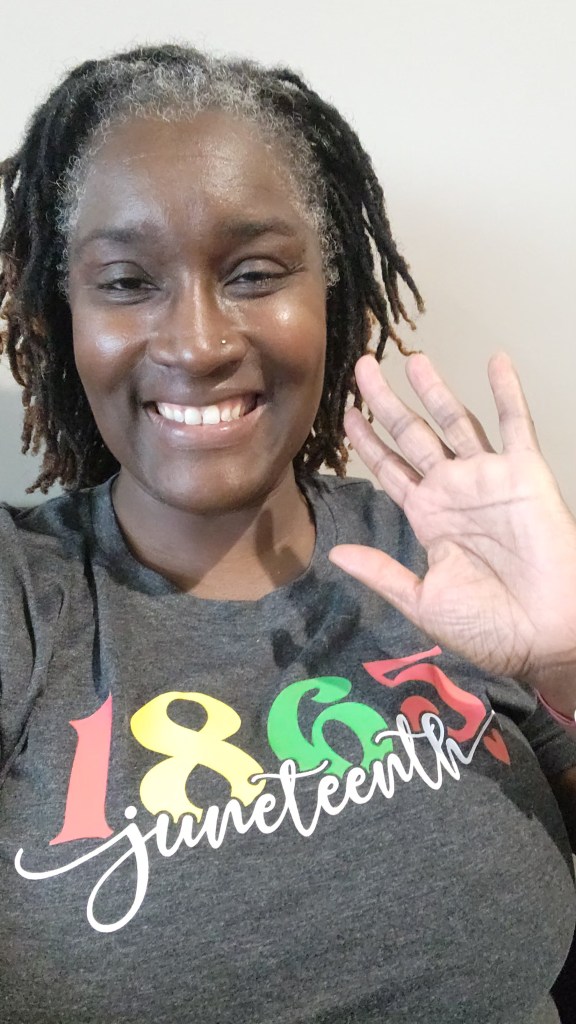
- What it commemorates: Juneteenth (June 19, 1865) marks when Union General Gordon Granger announced the end of slavery in Galveston, Texas, over two years after the Emancipation Proclamation. It is often called “America’s Second Independence Day.”
- Recognition: Texas made it a state holiday in 1980. In 2021, President Biden signed it into law as a federal holiday.
- Traditions: Celebrations include parades, music, prayer, and barbecues. Red foods and drinks (like strawberry soda and red velvet cake) symbolize resilience and sacrifice.
- Significance: Juneteenth honors freedom, resilience, and community, while reminding us of the struggles for equality and justice.
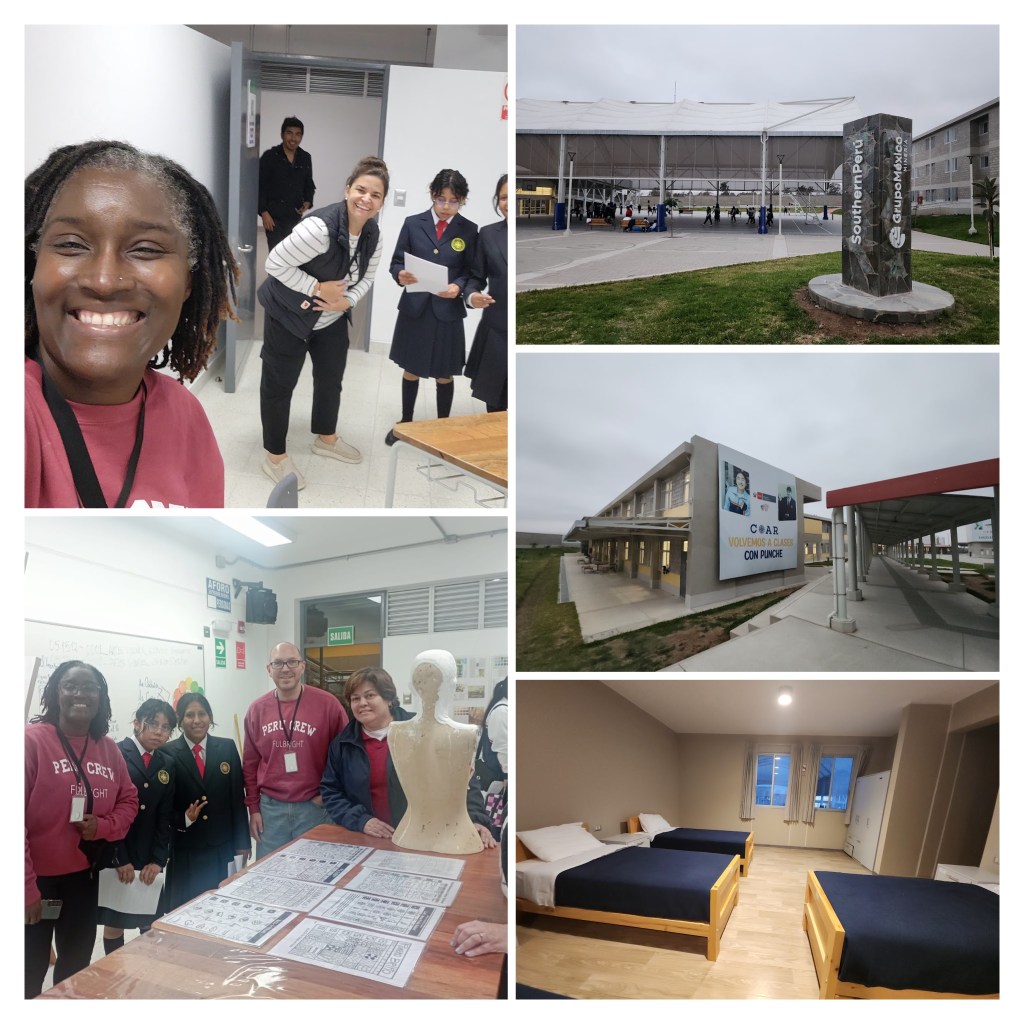
June 20, 2025: We (Kelly, Todd, and I) took a flight midday to a southern coastal community called Tacna. It is rich in history and about 22 miles from the border of Chile. This is where we stayed for the week and connected with our host teacher, Angel Mamani. He did a Fulbright in Denver, Colorado. We had several Google Meet sessions with him leading up to our in-country travel. The first thing we did was to visit COAR Tacna and take a tour led by two excellent student tour guides.
COAR Tacna (Colegio de Alto Rendimiento – Tacna)
- Public, selective boarding school in Peru’s COAR network.
- Curriculum: Combines the national curriculum with the International Baccalaureate (IB) Diploma Programme (authorized since 2016). Courses include sciences, arts, math, business, history, Spanish, and English.
- Students: Admits top-performing, mostly low-income students from across the region.
- Life: Boarding setup with shared housing; emphasis on academics, intercultural values, English, and holistic development (CAS, Theory of Knowledge, Extended Essay).
- Facilities: Modern campus (opened 2025) with classrooms, dorms, library, dining hall, and sports areas.
- Goal: Provide equity, global-level education, and leadership opportunities to Peru’s brightest students.
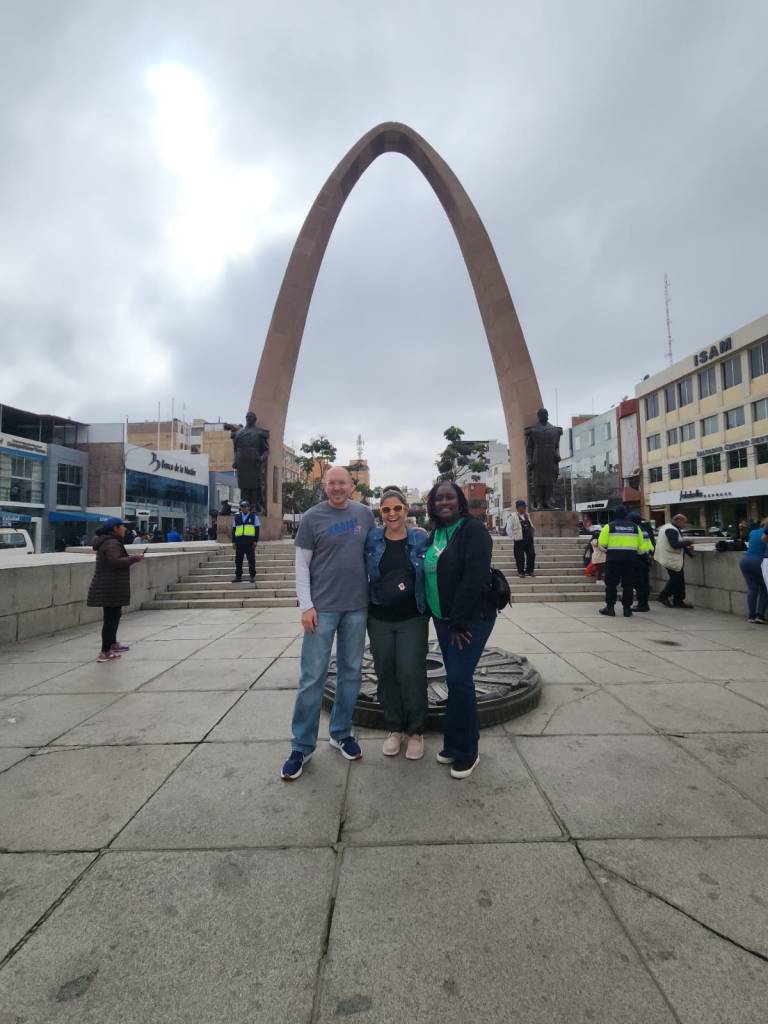
June 21, 2025: Cultural Day, walking around the community, visiting the market, and a museum. We later took a 3-hour tour on a bus and concluded the day with a brief tour of wine history.
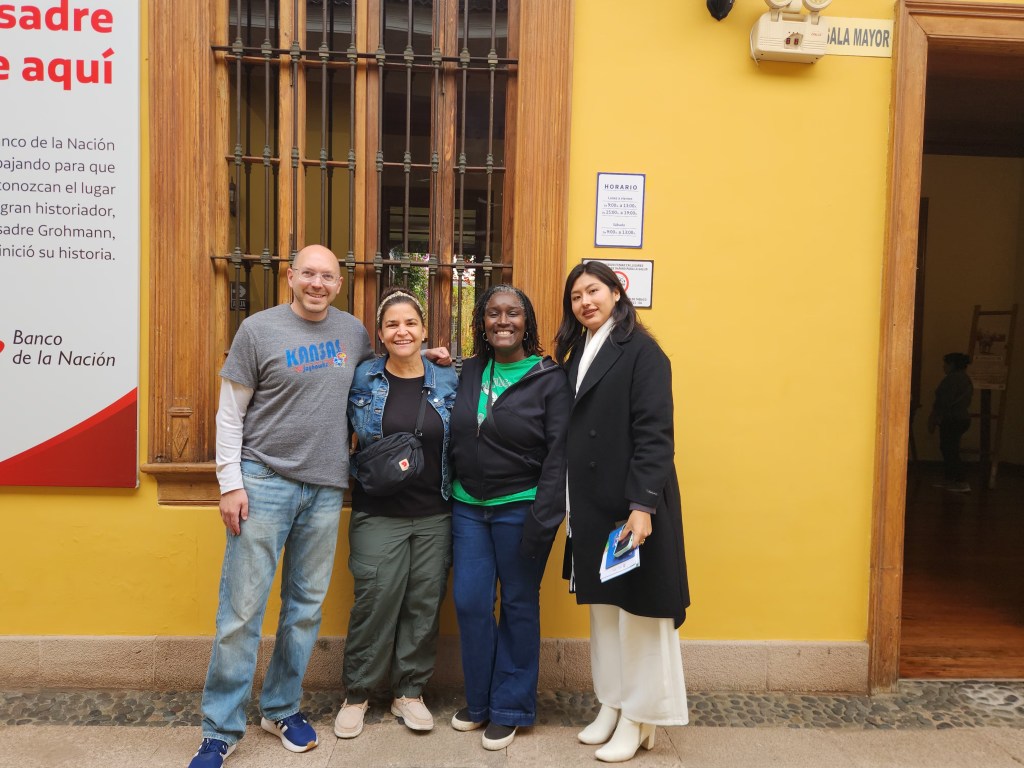
Here are a few clear facts about Tacna, Peru, and its history with Chile:
Facts About Tacna, Peru
- Location: Southern coastal city of Peru, near the border with Chile and Bolivia. Known for its desert landscapes, agriculture (especially olives and grapes), and as a commercial hub.
- War of the Pacific (1879–1883): Tacna and Arica were occupied by Chile after Peru and Bolivia lost the war.
- Chilean Control: Under the Treaty of Ancón (1883), Chile retained Tarapacá permanently and was to administer Tacna and Arica for a period of 10 years. However, Chile retained them for nearly 50 years.
- Return to Peru: After lengthy diplomatic disputes and U.S. mediation, Tacna was officially returned to Peru on August 28, 1929, through the Treaty of Lima. Arica, however, remained with Chile.
- Today, Tacna is celebrated as the “Heroic City” of Peru. Each year on August 28, Peruvians commemorate their reincorporation with parades, cultural events, and patriotic ceremonies.
The Miculla Petroglyphs, located near Tacna, Peru, are an ancient site featuring thousands of rock carvings that depict hunters, dancers, animals, and rituals dating back hundreds of years. Visitors reach the area by crossing a striking wooden suspension rope bridge, which offers sweeping views of the desert valley and adds adventure to the experience. The site combines archaeology, history, and scenery, making it one of Tacna’s most unique attractions.
June 22, 2025: Sunday was an easy-going and low-key day for us. We tried to be a bit spontaneous, but it didn’t work out.
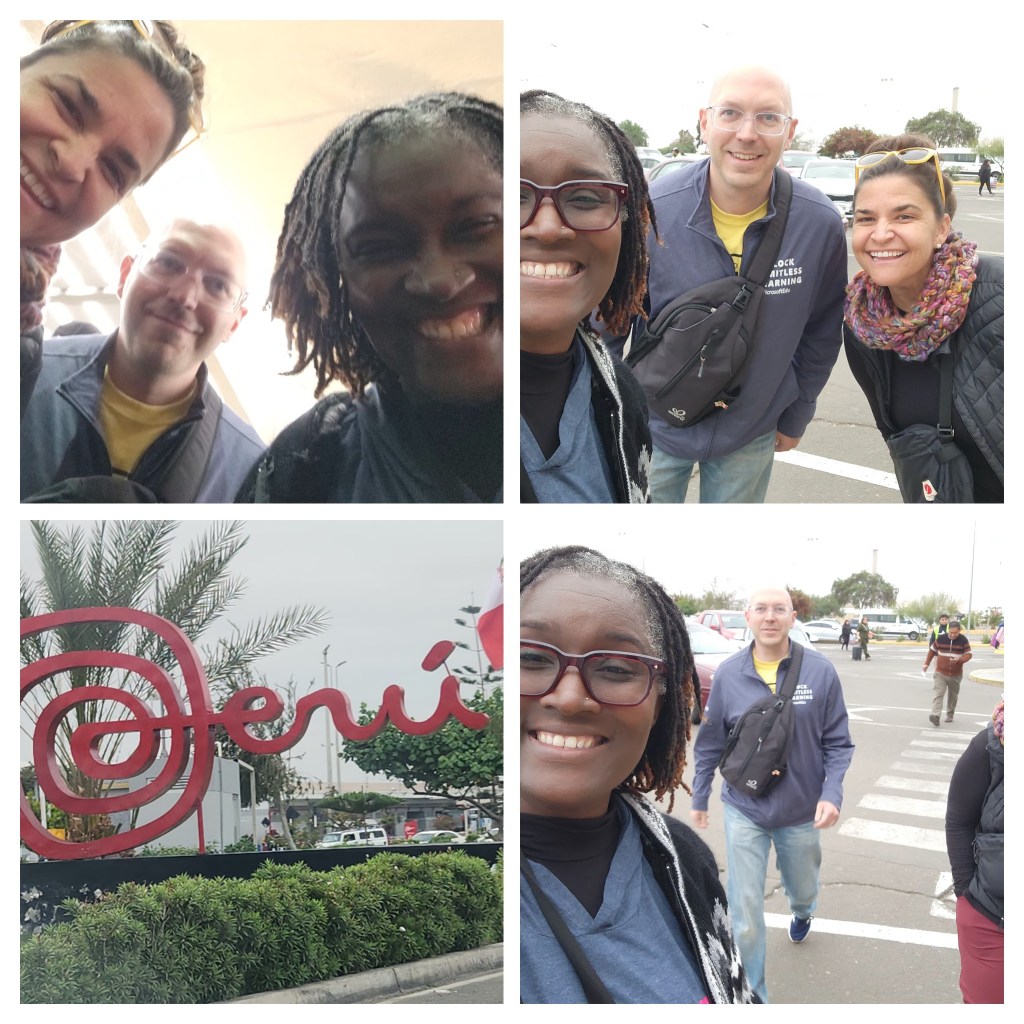
Let’s just say there is a story behind these four pictures, and every country has border laws. That is all I am going to say for now.
She emphasizes the emotional significance of language representation:
Amada Irma Perez, author of My Very Own Room / Mi propio cuartito
“…it’s important for these children to have pride in themselves, for them to be proud of who they are, of their languages, of their culture and language is a huge window into the culture…”
Watch as I share my thoughts about the bilingual books I’ve purchased to add to my classroom collection.
June 23, 2025, COAR TACNA: What an incredible day we had at COAR Tacna!
After a restful night at our hotel, we were ready for a full day of learning and discovery. When we arrived, the entire school was gathered outside on the basketball court, which doubles as a multipurpose space, for their weekly meeting. The students proudly sang the Peruvian national anthem, led by a team of young girls in formation, while the marching band played in the background. I actually wished I had been closer to them—the energy was electric.
Then, we had the opportunity to go up and introduce ourselves to the entire student body and greet them. It was such a joy and privilege to represent my country in that moment, to stand before these students, and to be part of a global exchange in such a unique learning environment.
According to our host teacher, Angel, this tradition is an integral part of the school’s culture. Each week, the whole school comes together for announcements, updates, and recognition. For example, that morning, a student team competing at the national level—one of only three teams remaining—was acknowledged and celebrated. Everyone proudly cheered them on as they prepared for Nationals.
After plenty of photos and smiling faces, we visited several English classes, the staff workspace, and even the art room before heading to lunch. I was immediately struck by the caliber of the students’ work and their strong English-speaking abilities. They were attentive, engaged, and notably—no one had a phone out. In Mr. Chapani’s class, students presented PowerPoints on different Peruvian foods and even brought in desserts for us to sample. In another class, students shared presentations on world leaders. All three of us—Kelly, Todd, and I—were also invited to present about our own schools, which led to lively Q&A sessions filled with curiosity and excitement.
The day ended with an impromptu SEL session outdoors on the grass. Students gathered while the three of us sat in front, sharing tools from our “wellness toolbox” to help them manage stress—deep breathing, yoga, journaling, and coloring. These suggestions felt especially important, knowing their school days run from 7:30 AM until 7:00 PM. Despite such long hours, the students appeared well-adjusted, deeply connected to one another, and genuinely appreciative of the unique opportunity COAR provides.
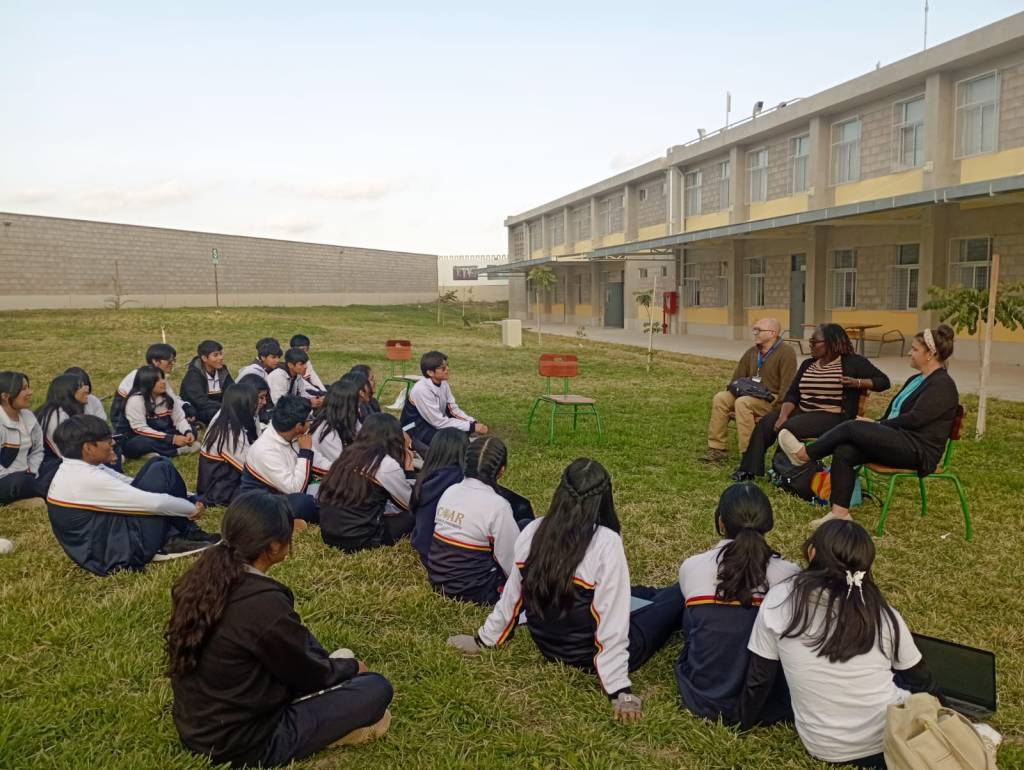
It was a day filled with joy, community, and inspiration—a reminder of the power of education to create both excellence and a sense of family. I left COAR Tacna, reminded of why global exchanges matter: they plant seeds of understanding that grow far beyond the classroom.
June 24, 2025: Angel connected us with a Jesuit school called Cristo Rey, where he knew a former colleague. We were able to spend half the morning there, and from the moment we arrived, the staff was enthusiastic to welcome us. They were familiar with the Fulbright program and expressed strong interest in reconnecting and building new relationships with American teachers. The school had hosted teachers in the past, but many of those ties had faded after COVID, so this visit felt both meaningful and timely.
We visited third-grade English classrooms and toured the beautiful facilities, which had ample open space. The Pre-K wing was especially memorable. To our surprise, the children were dressed in colorful costumes for a Harvest Festival performance. Watching them sing, dance, and interact with one another was absolutely adorable, and we were even able to take a group picture with them—a moment I’ll treasure.
Cristo Rey School was initially founded in 1962 as an all-boys institution. However, in recent years, it has transitioned into a co-educational school, beginning with Pre-K and adding a new grade level each year. During our visit, we observed children playing on the playground, attending gym class, and engaging in outdoor learning, where they practiced phonics through play and music. It was a joy to see how creativity and movement were integrated into their lessons.
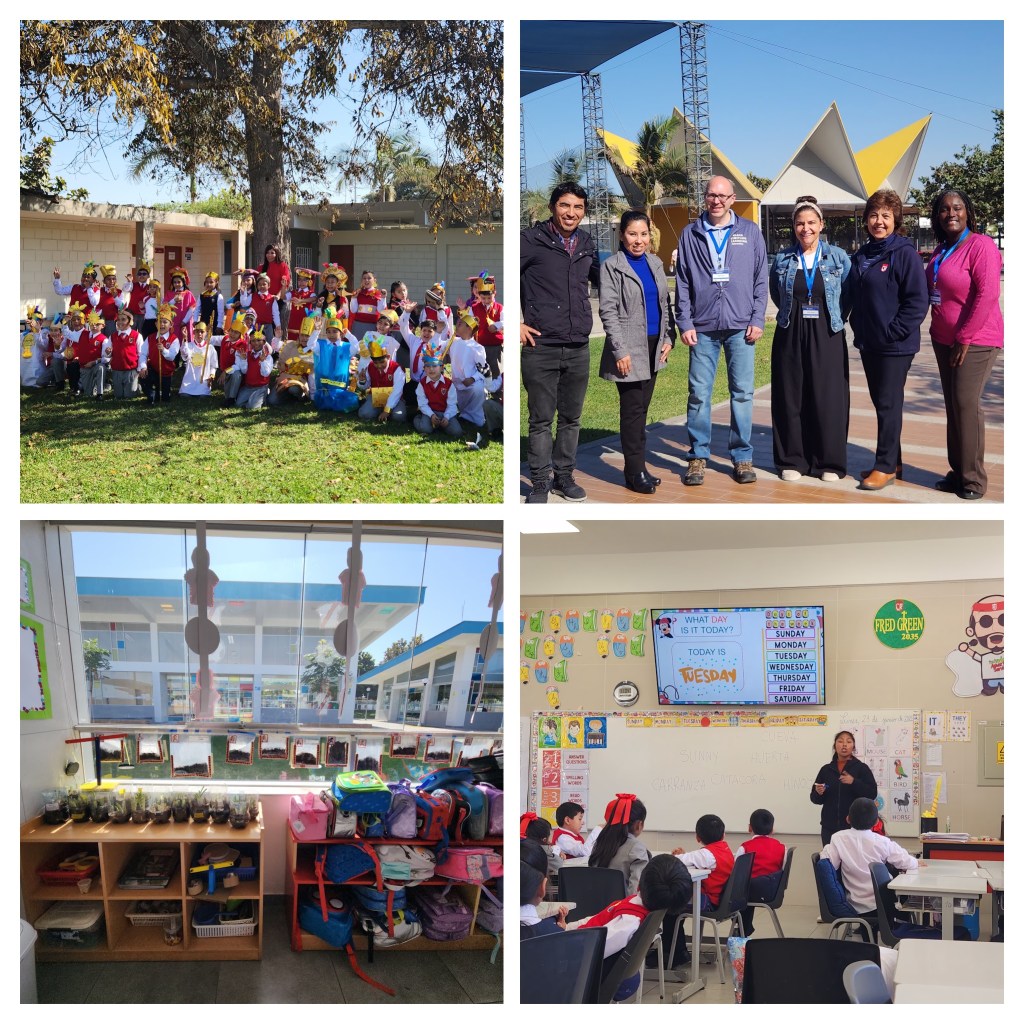
Afterward, we were treated to coffee and food while having an excellent discussion and Q&A session with the staff. I’m looking forward to returning tomorrow morning to continue building this new connection.
In the afternoon, we returned to COAR Tacna, where we observed additional student presentations and worked in small groups, allowing students to practice their English with us. Some were initially a little shy, but many were confident and eager to speak. What stood out most was the genuine love and care the students showed for one another. While I’m sure they have their moments, I never saw bullying, teasing, or disrespect. Everyone seemed kind, inclusive, and appreciative of their shared opportunity.
My host teacher, Angel, explained that this is typical of COAR students. They value their education deeply and rarely display behavior issues. Hearing this and seeing it firsthand was refreshing and inspiring.
June 25, 2025
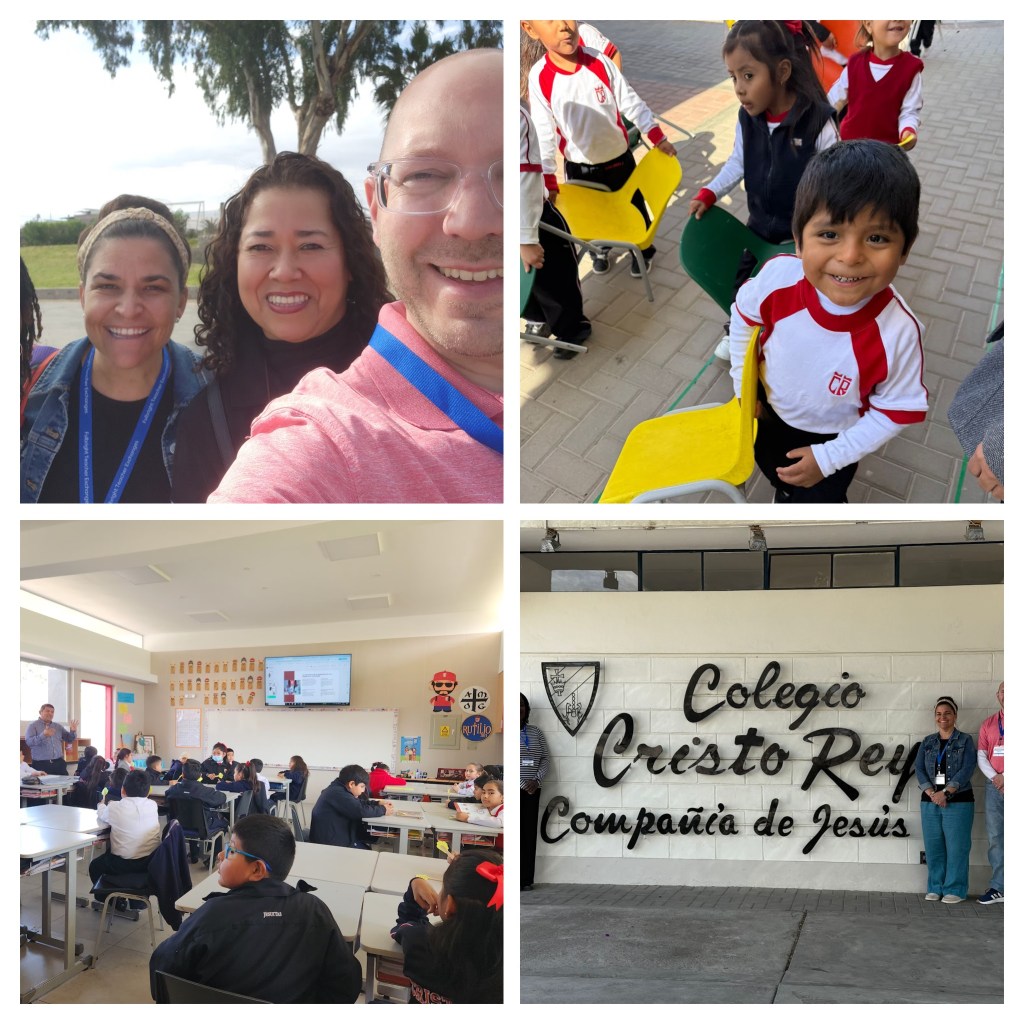
We continued our observations at Cristo Rey on Tuesday morning, but this time, Miury, one of the English teachers at COAR Tacna, was able to join us. I loved that she had the opportunity to come along, and I hope the experience inspires her to become more familiar with Fulbright and potentially connect with it in the future.
I cannot express how impressed I was with the English teacher we observed. She truly did an outstanding job. I was able to see the beginning, middle, and end of her lesson, and it was clear she had planned it thoughtfully. The students were engaged, attentive, and demonstrated a strong understanding of the material. She had great energy, managed a lively group of boys effectively, and kept everyone involved. Afterward, I made sure to give her feedback about how impressed I was with her teaching. We exchanged numbers so we could stay in touch and become virtual pen pals.
In another classroom, I observed students giving poster presentations. One interesting aspect was that the teacher graded the students in real time, in front of the entire class. At first, it felt unusual to me, since we don’t typically do that in the U.S. However, when I inquired about it, I was told that this method actually helps students focus and motivates them to do their best, as they know their grade will be made public. It was a different approach, but clearly one that the students understood and respected.
In the afternoon, we returned to COAR Tacna. I was able to observe both a math and a science lesson, and then spent more time in the art room. The art teacher was trying something creative and new: she had set up boxes filled with different art pieces and instructions. Students had to select a box and then either use the same materials or experiment with various paints, markers, or acrylics to recreate the piece inside. It looked very challenging! I asked one student if she had ever done something like this before, and she said no, but she was eager and excited to try. The teacher was equally enthusiastic to see how the students’ work would turn out.
It was an inspiring day to see both the strong teaching practices and the creative risks teachers were willing to take to engage their students.
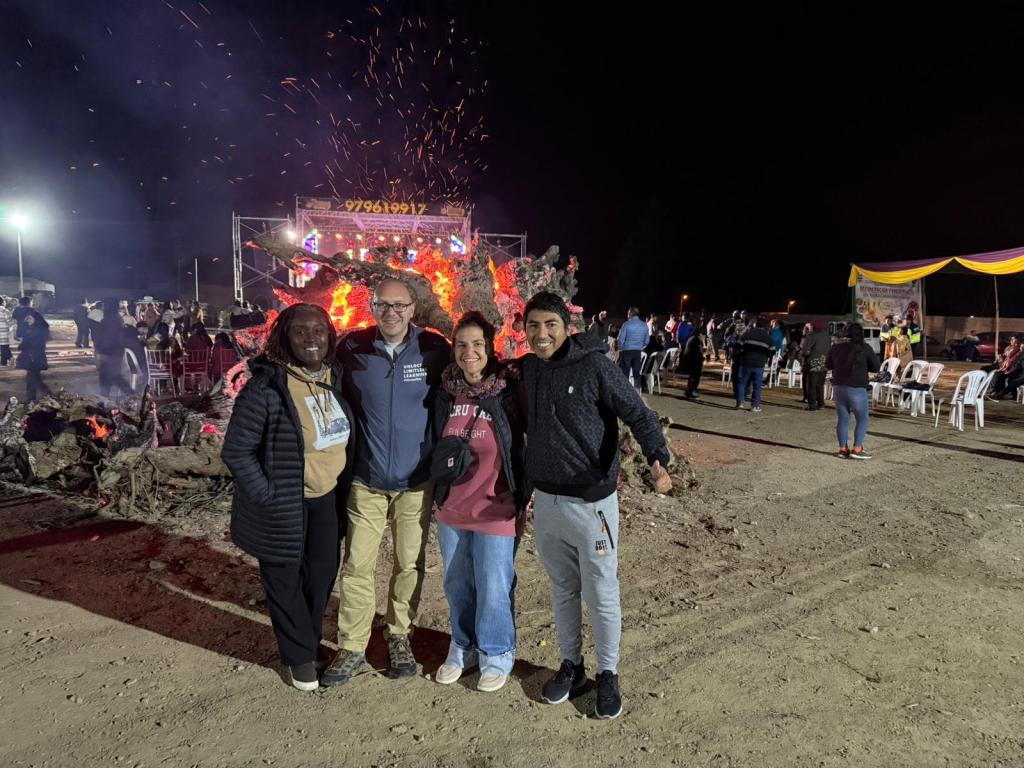
Out on a School Night! @San Jaun Festival
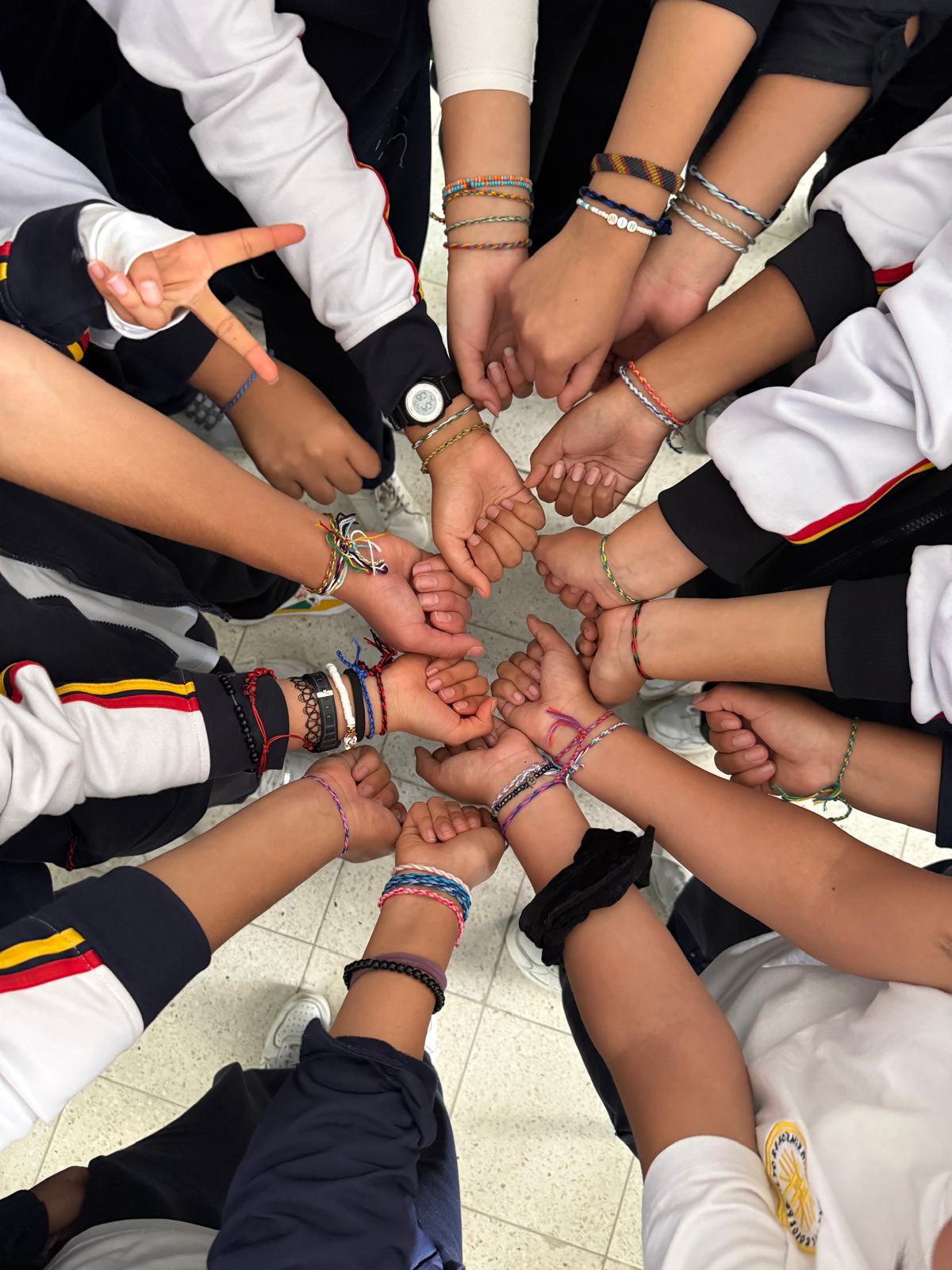
June 26, 2025: Last Day at COAR Tacna was a whirlwind. We continued to observe student presentations, shared about our communities, made bracelets with the students, and had a staff coffee chat. It was a day of emotions, but unforgettable due to the experience and its lasting impact. We flew back to Lima on June 27, 2025, to start our debrief weekend.
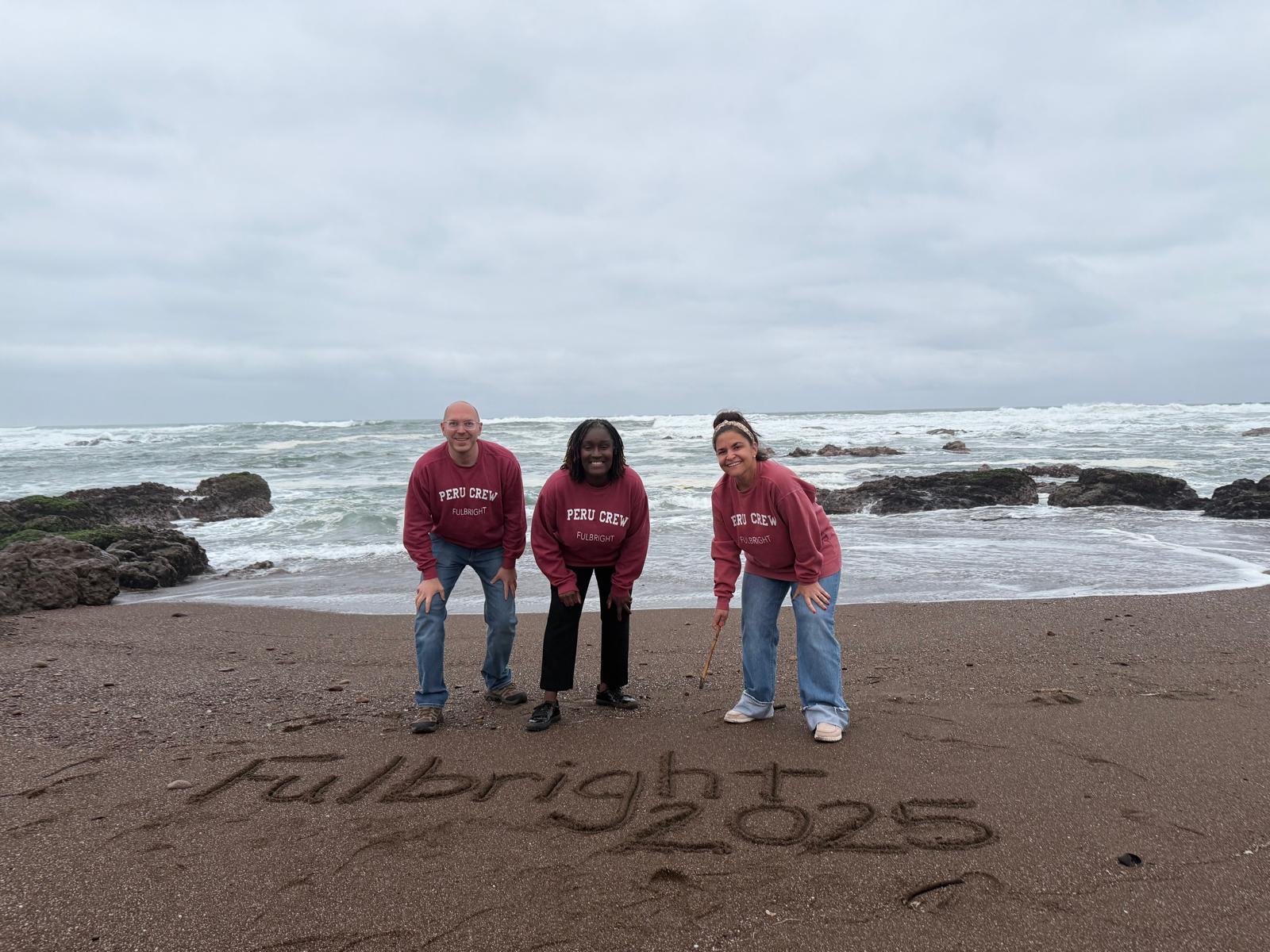
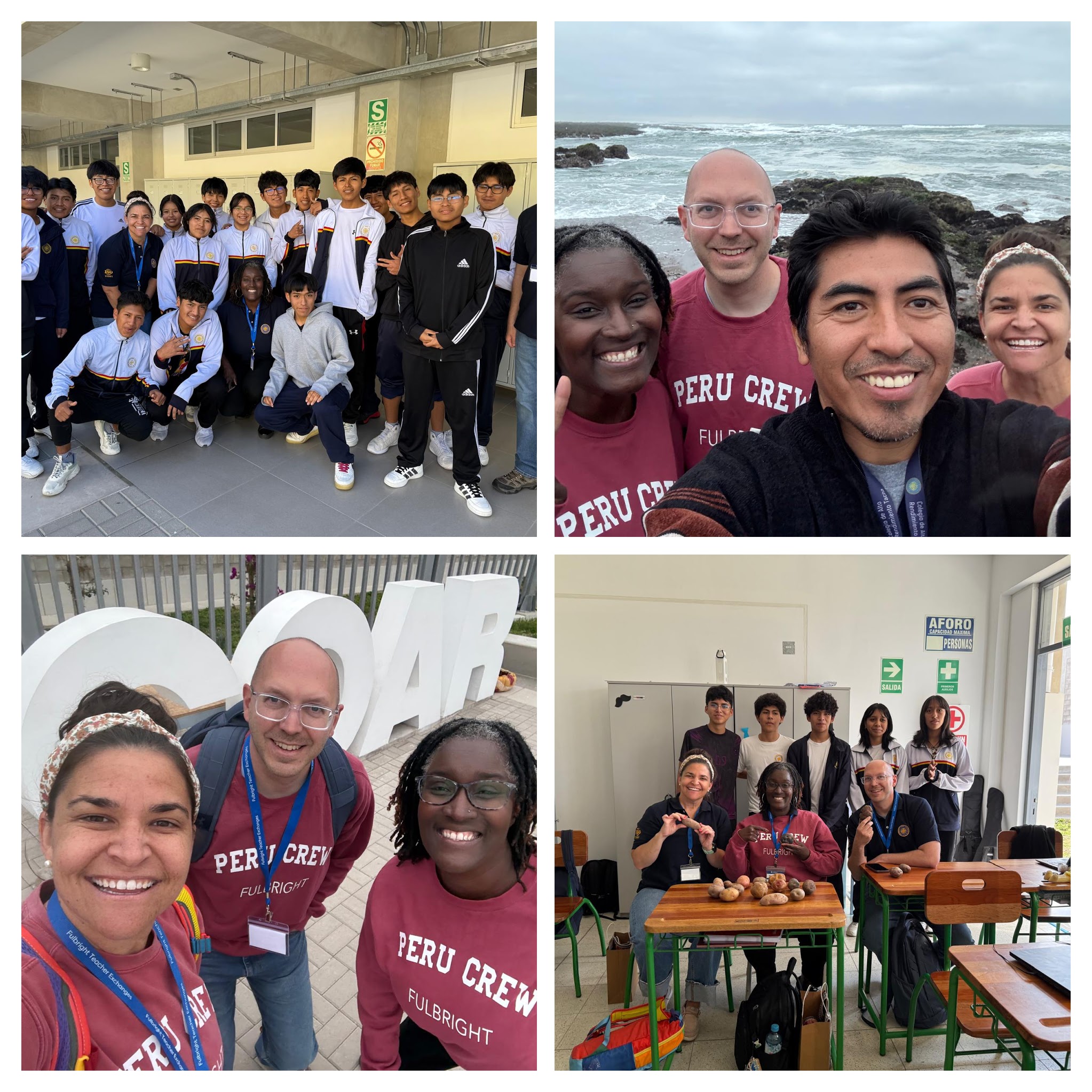
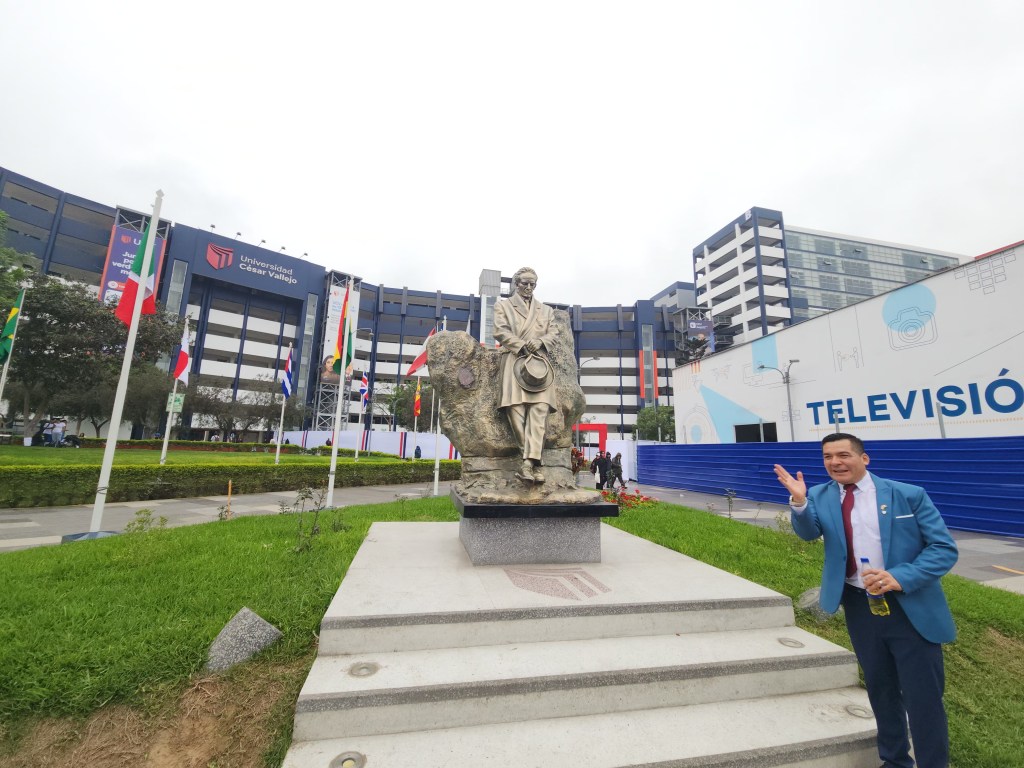
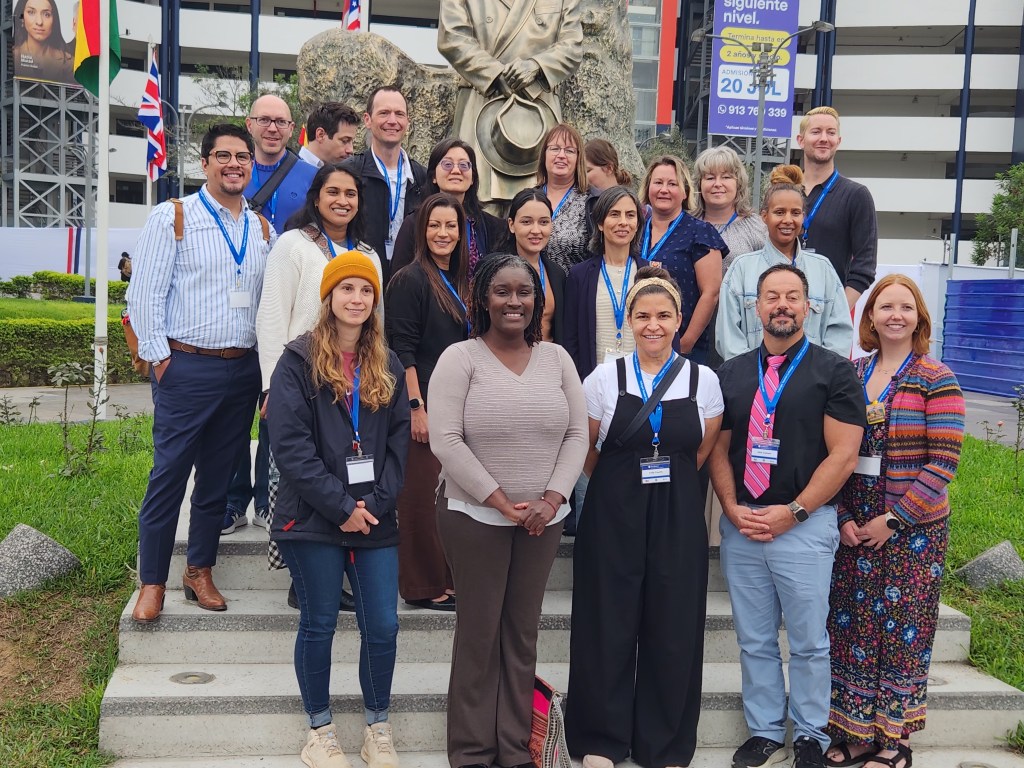
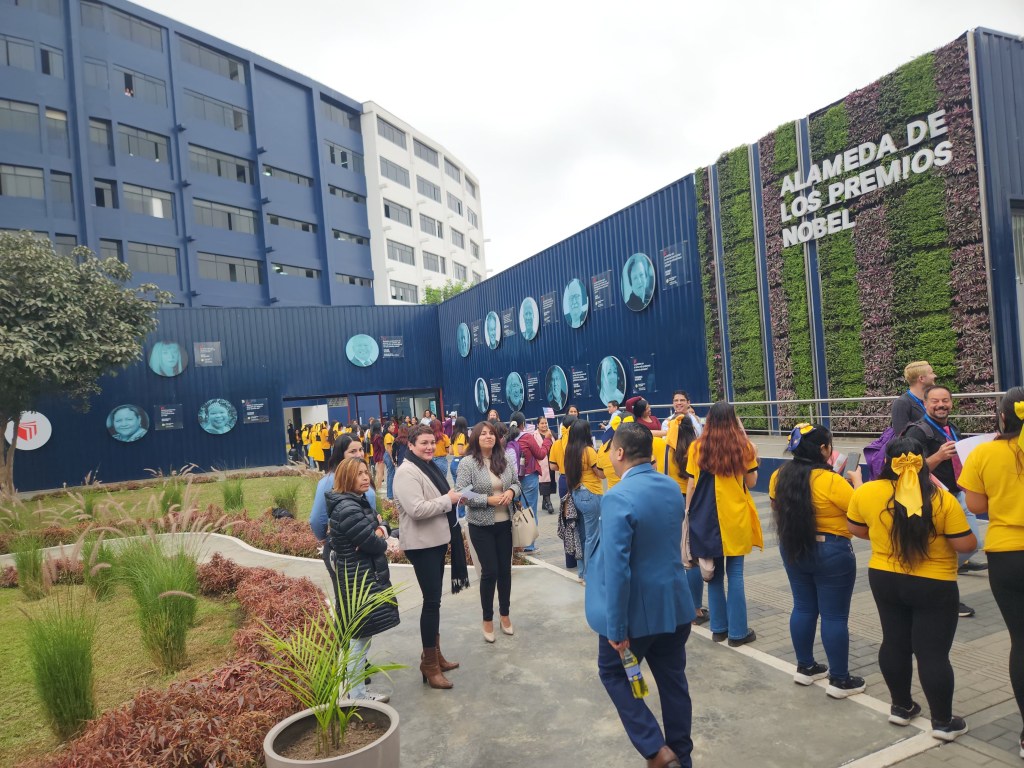
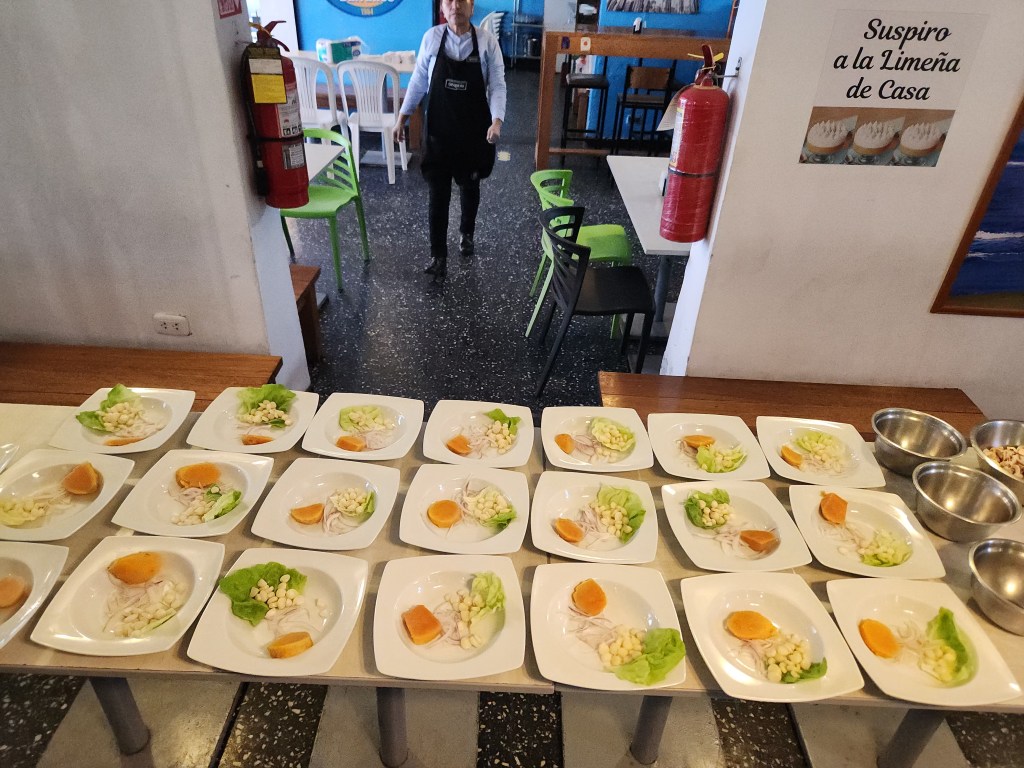
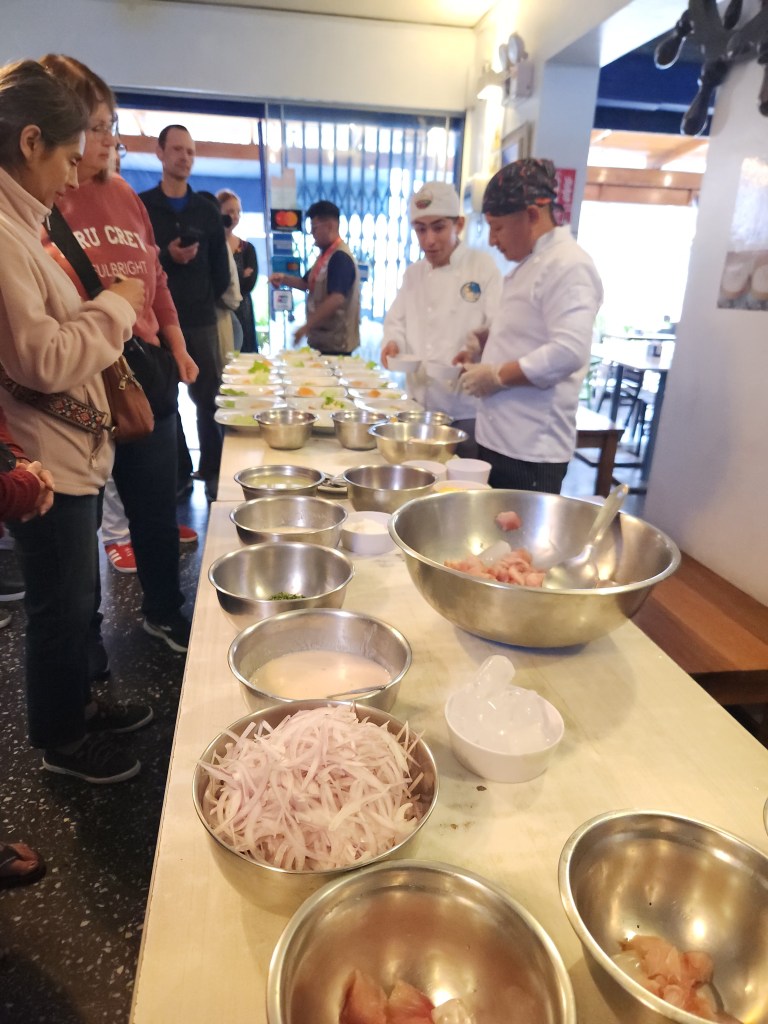
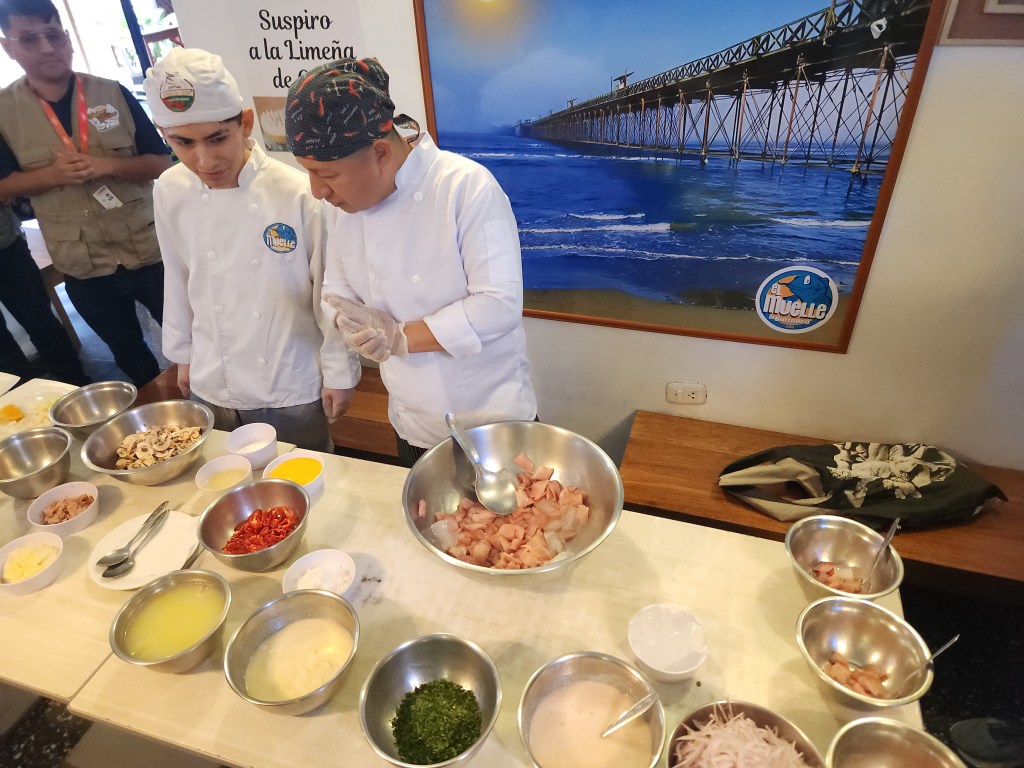
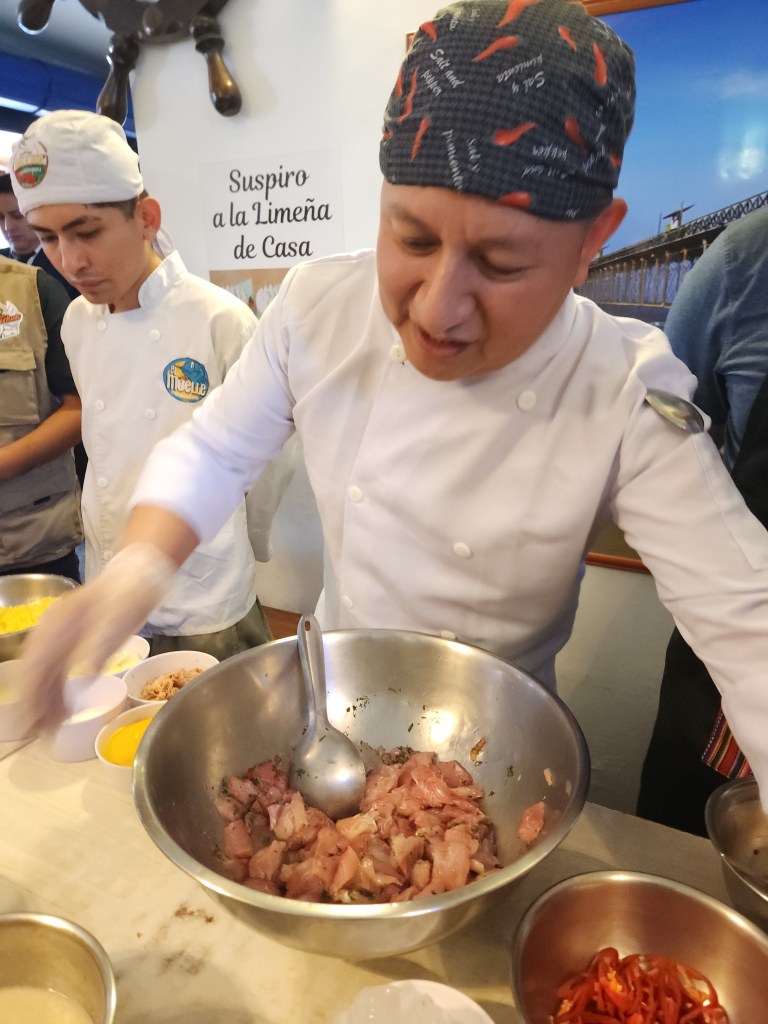
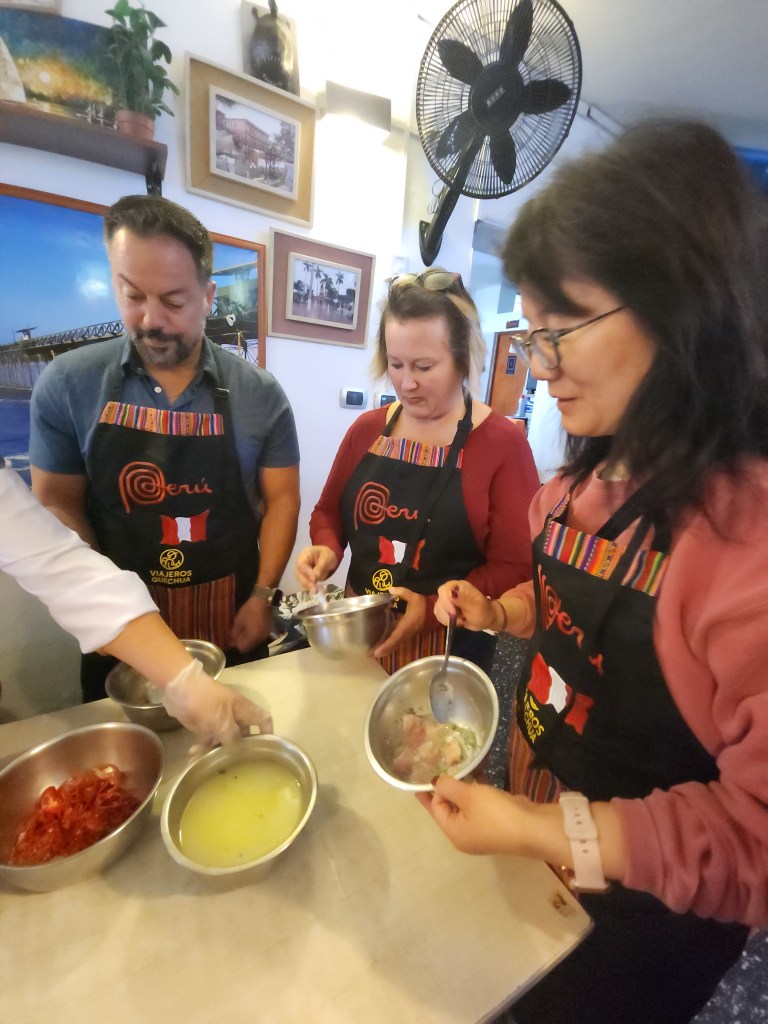
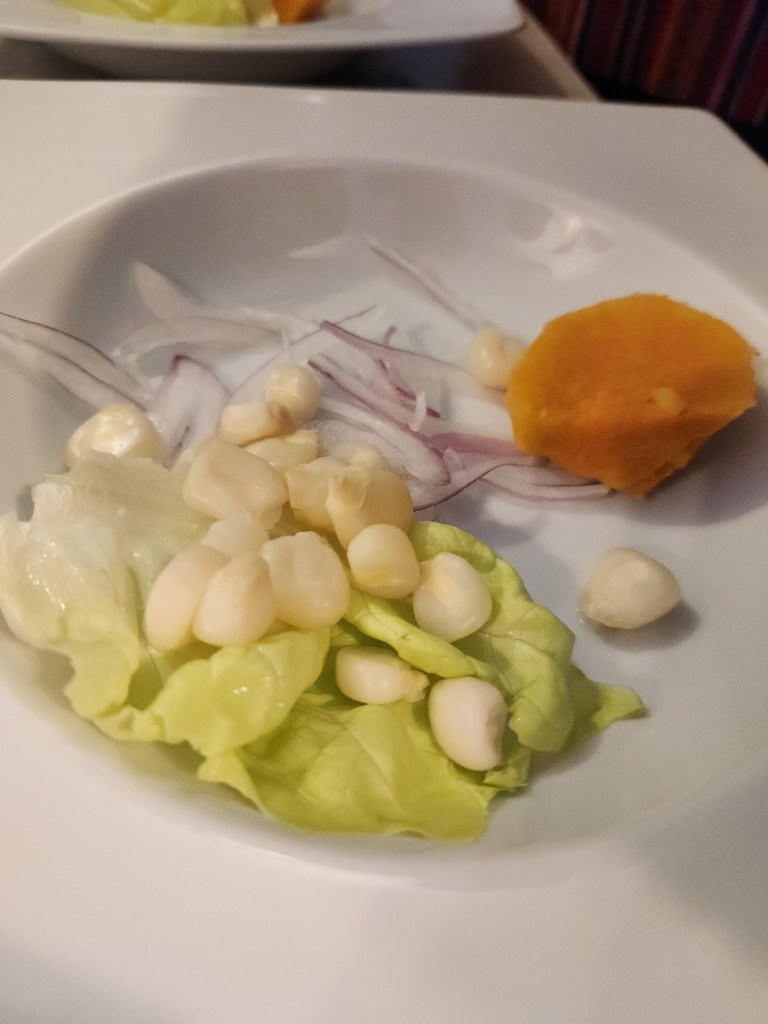
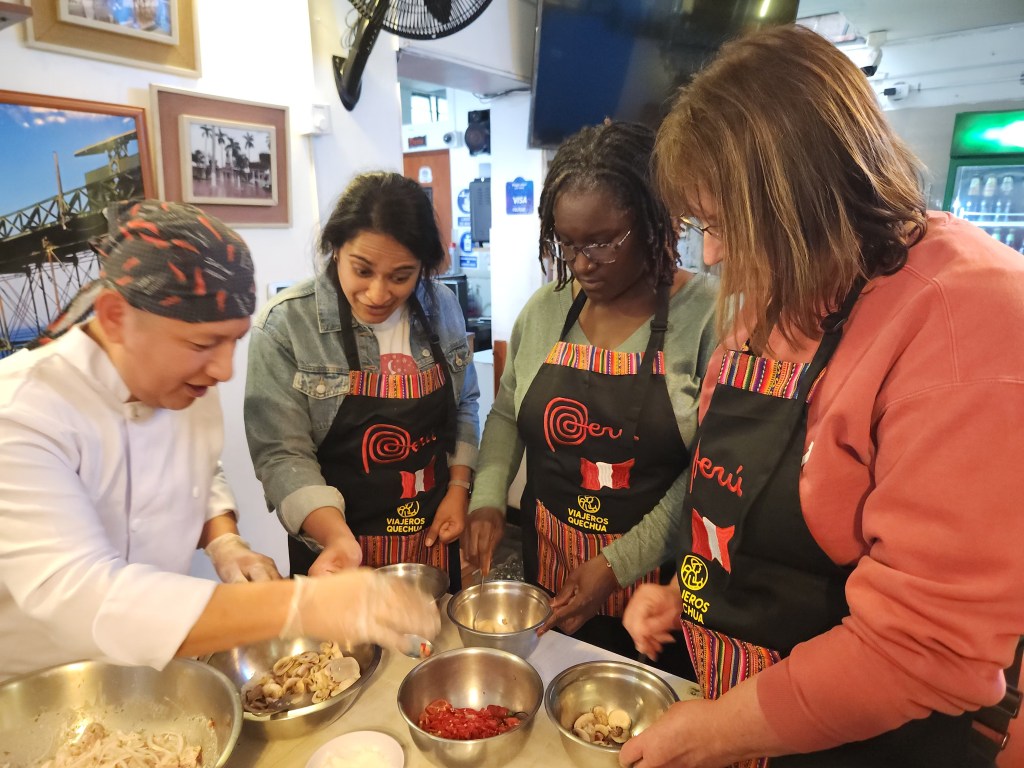
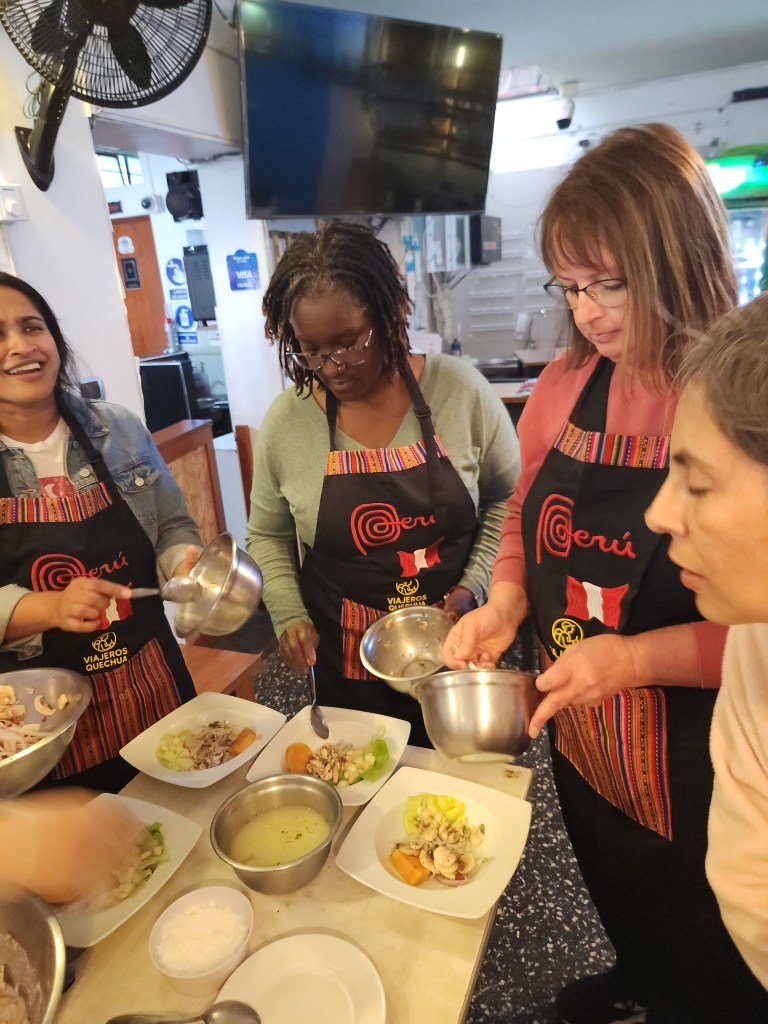
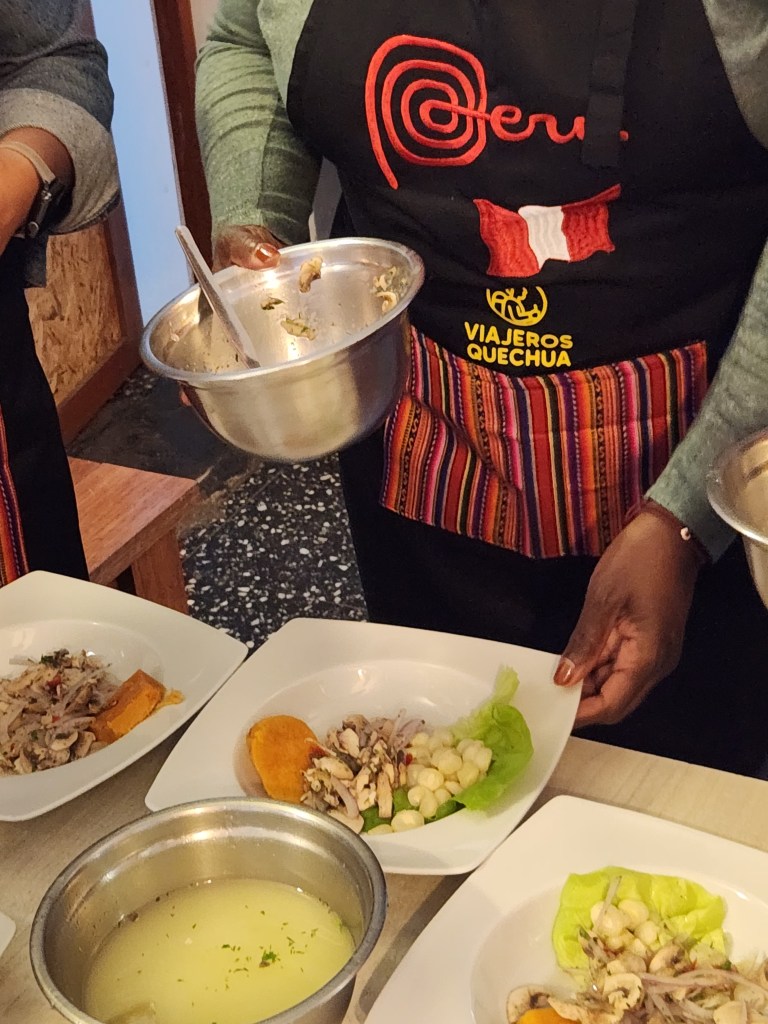
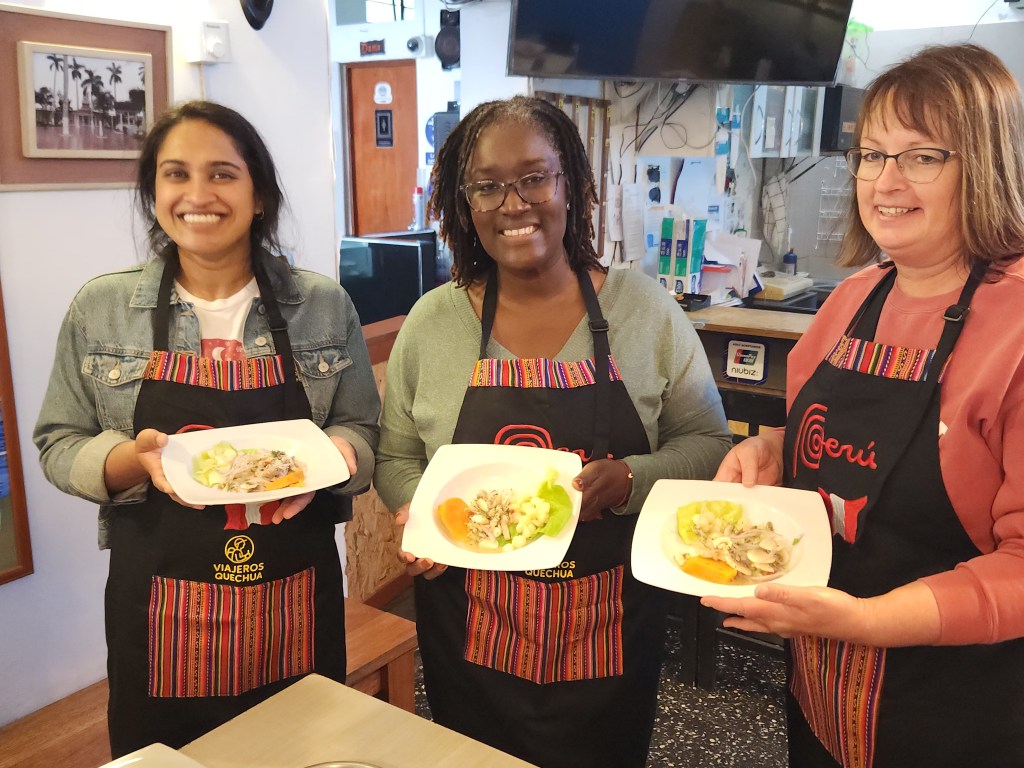
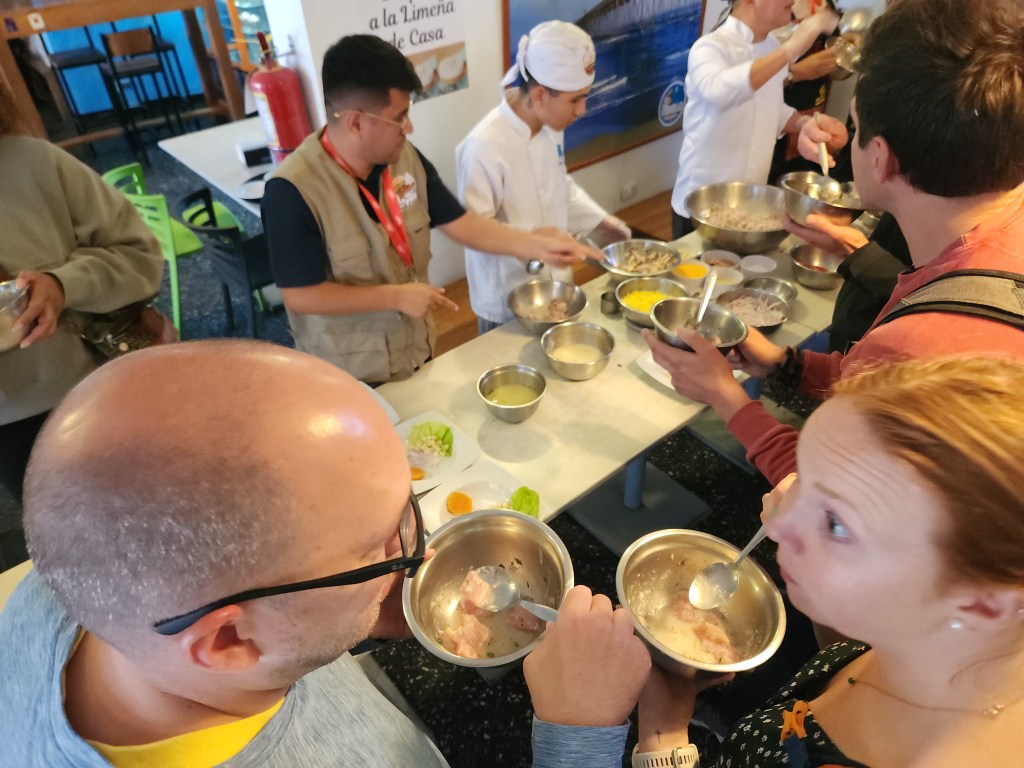
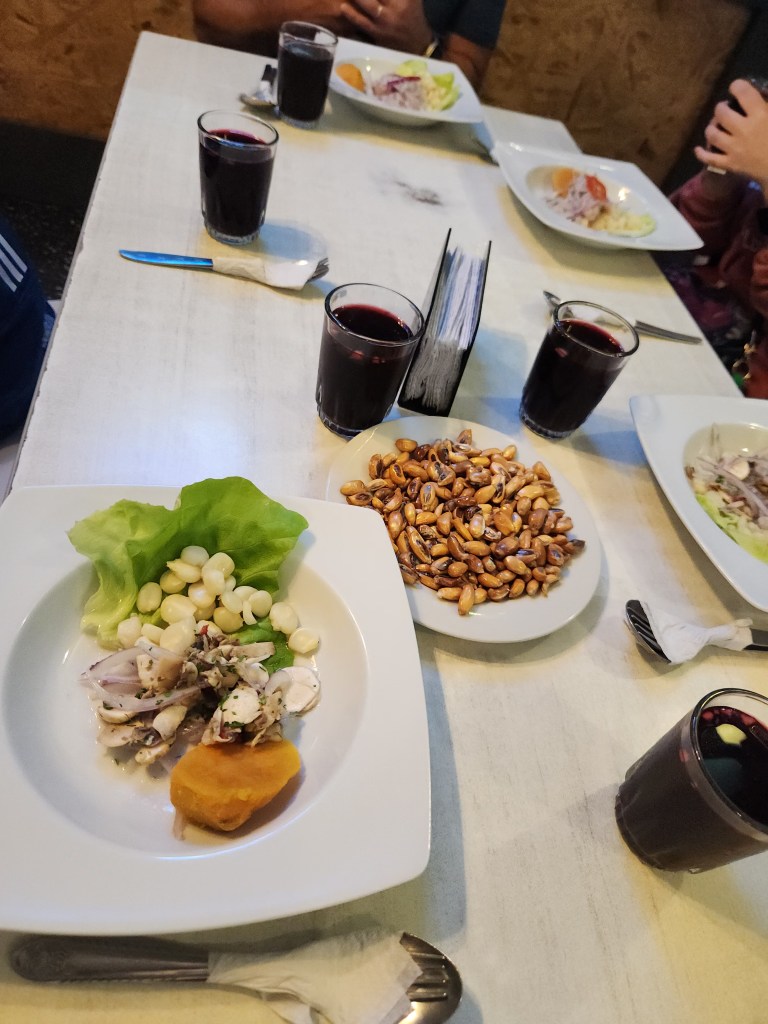
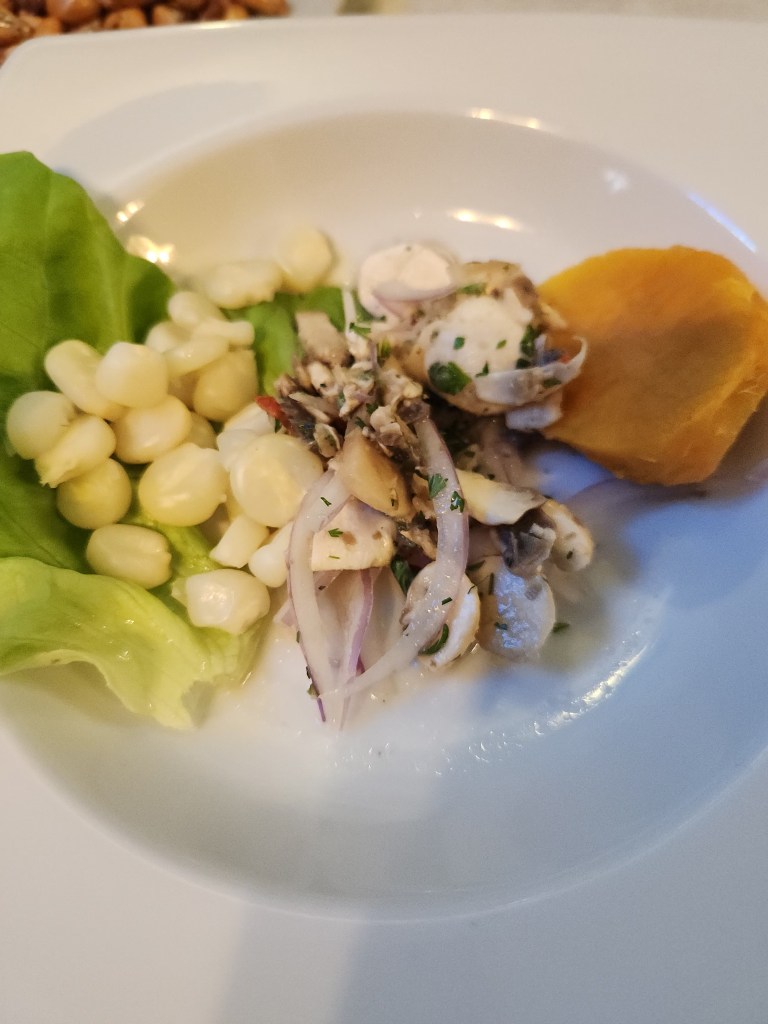
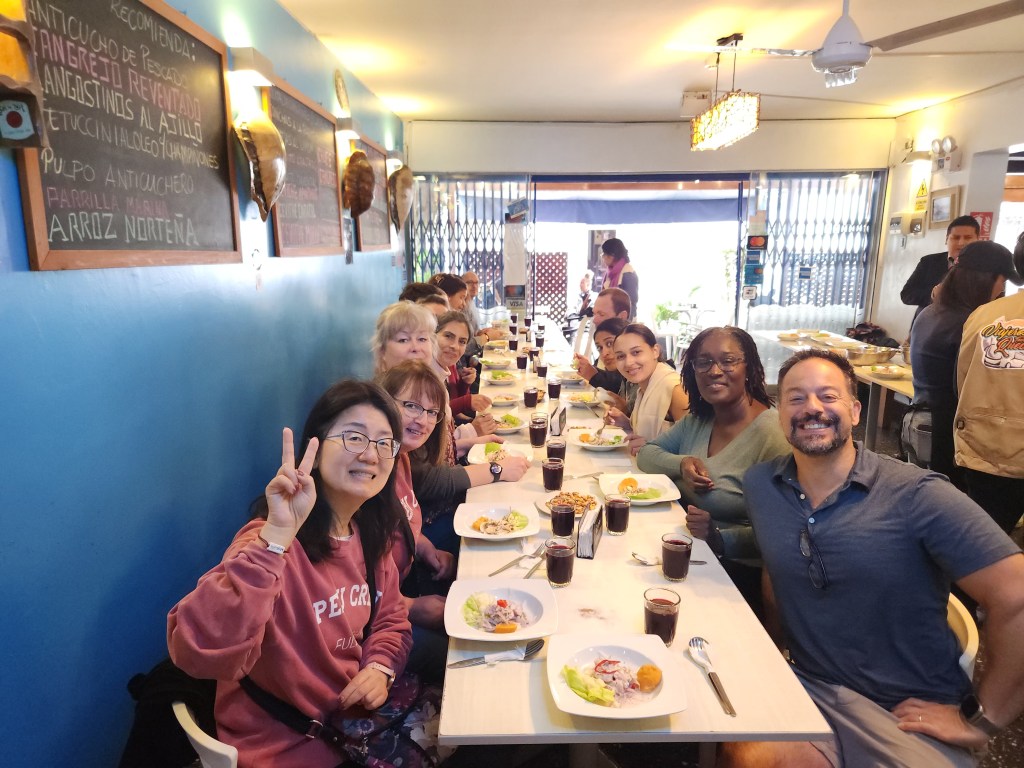
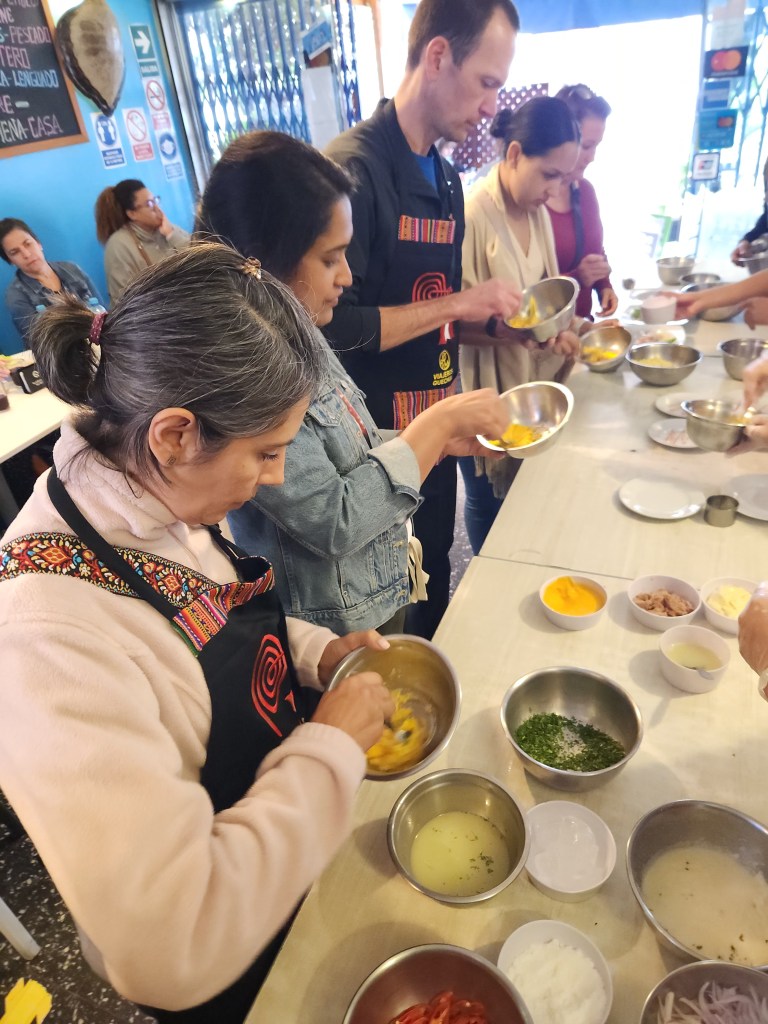
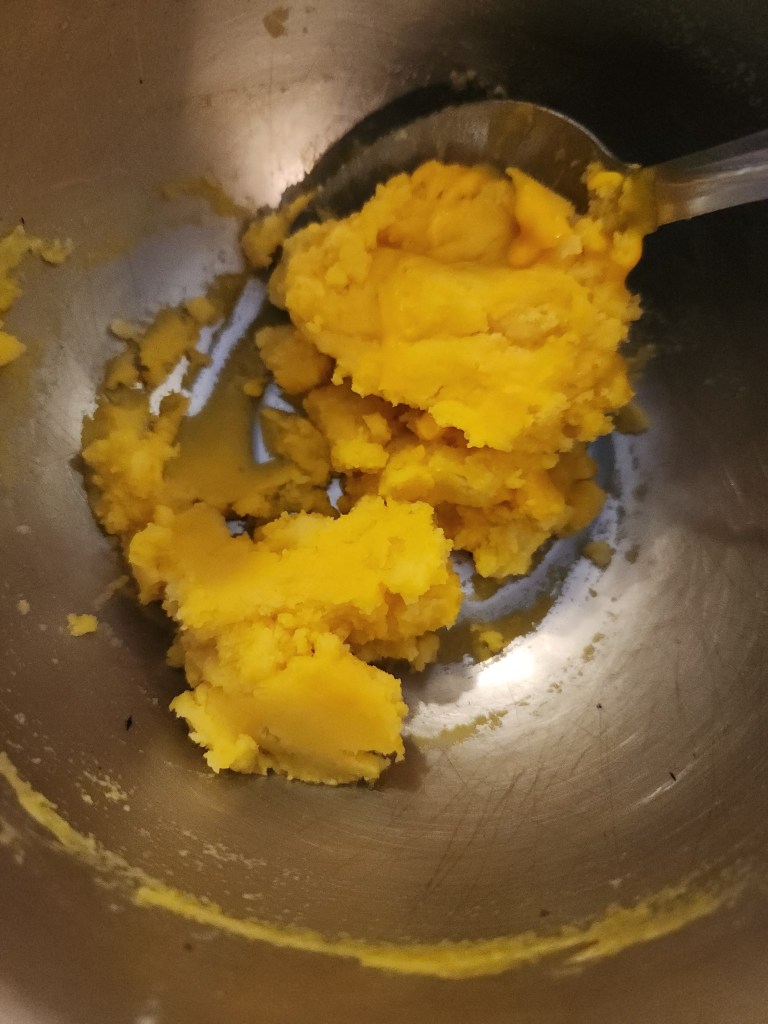
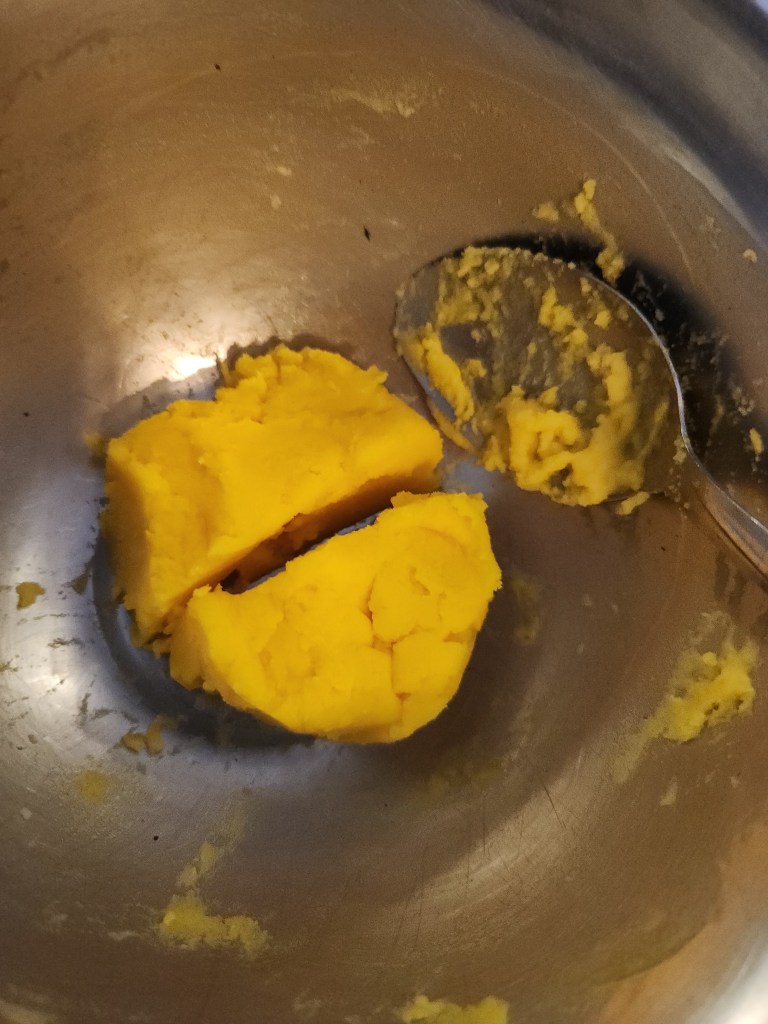
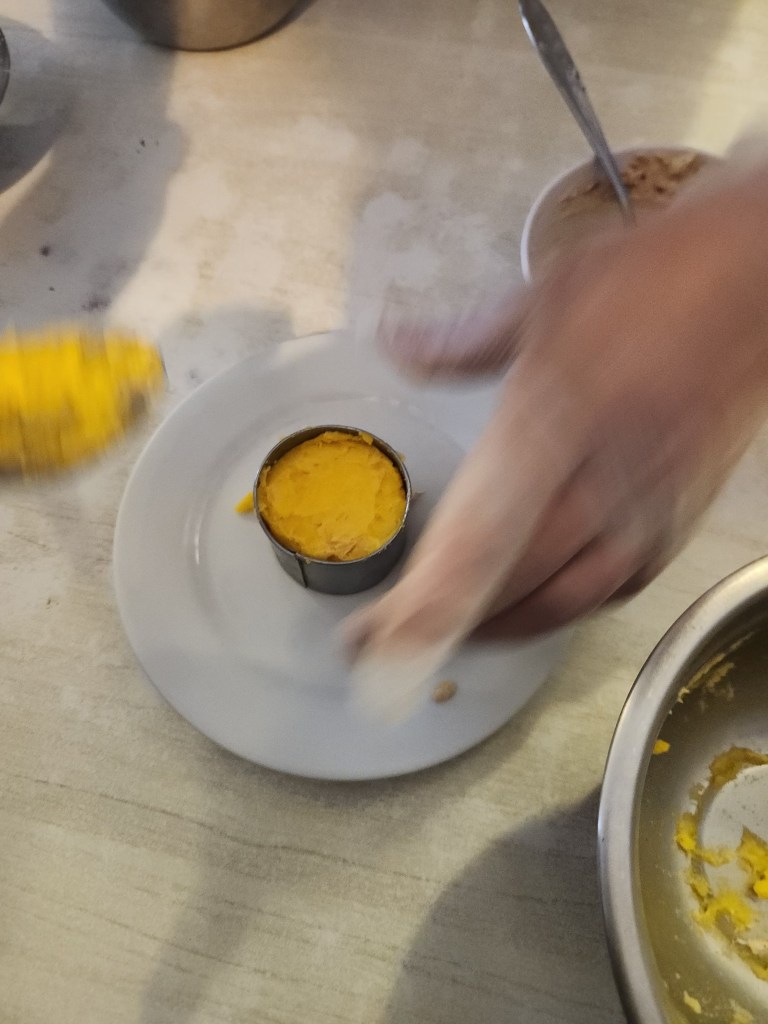
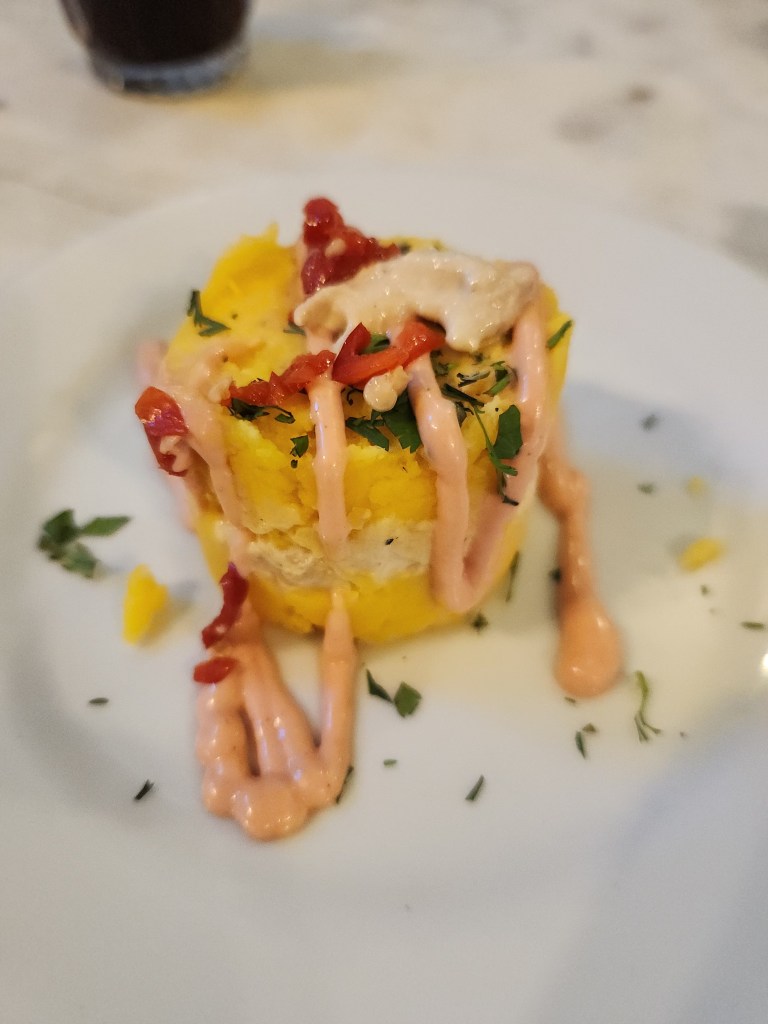
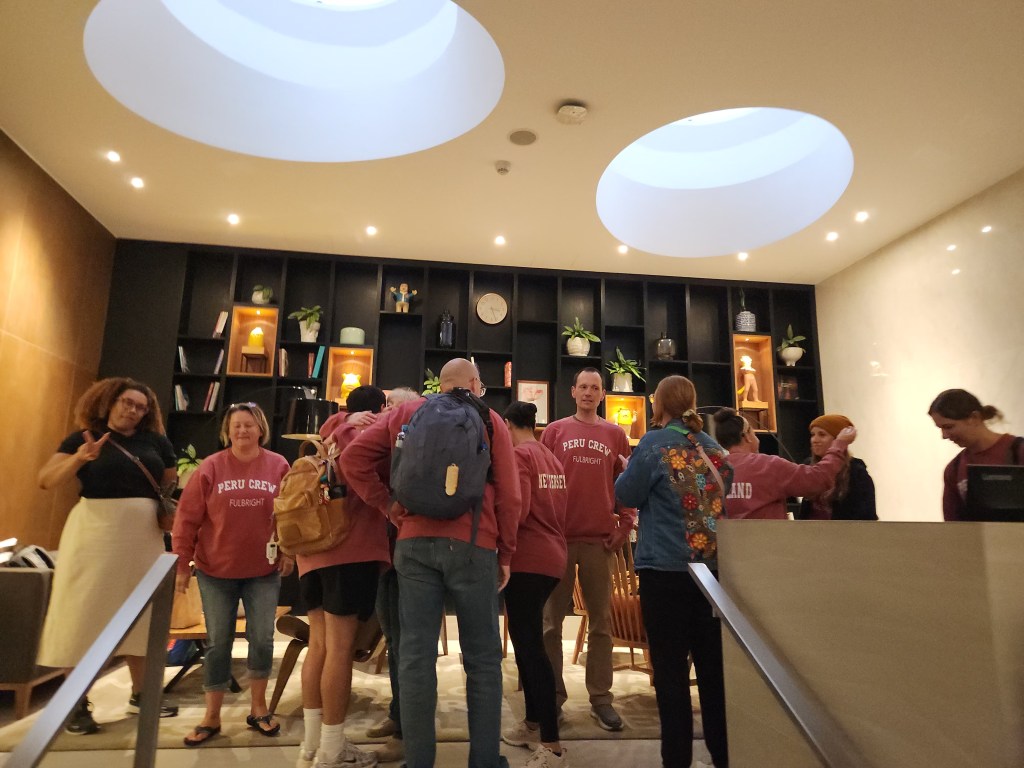
June 27-June 30, 2025. Our debrief weekend back in Lima, Peru, allowed us to connect and hear about our host community and school experiences in different parts of Peru. We visited the Cesar Vallejo University and received awards before visiting classrooms with preservice teachers. They modeled a lesson and shared their passion for education with us. We also had the opportunity to try some Peruvian cuisine and learn how to prepare a traditional dish, ceviche, while enjoying a local beverage.
 Shawnette Brown