Teach: Resources & Tools for Educators
Organizations Supporting Global Education
Organizations supporting global education play a crucial role in equipping teachers with the tools, frameworks, and inspiration necessary to foster global competence in their classrooms. These groups, such as UNESCO and Room to Read, offer more than just curriculum materials; they provide professional development, equity-centered strategies, and access to global networks that help educators embed empathy, sustainability, and cross-cultural understanding into their everyday teaching and learning. By aligning with international goals, such as the SDGs, and championing inclusive, student-centered approaches, these organizations empower teachers to foster curiosity, critical thinking, and civic responsibility in learners. For educators seeking to make global learning both practical and transformative, these resources offer a valuable combination of approaches.
-
Asia Society – Center for Global Education – Asia Society’s Center for Global Education is a leading force in preparing students and educators for success in a globally connected world. It offers rich curriculum resources, innovative teaching strategies, and professional development programs that foster global competence—helping learners understand diverse perspectives, communicate across cultures, and take informed action. With practical, accessible tools and a visionary mission, the Center empowers schools to integrate global learning across subjects and grade levels, making it an essential partner in 21st-century education. Its comprehensive library of educational resources includes videos and articles, such as the insightful piece on “How Singapore Developed a High-Quality Teacher Workforce.” With locations around the world, the nearest site is in New York City.

- Room to Read – Room to Read is a powerful resource for building global competency through literacy and inclusion. It equips teachers with diverse books, effective strategies, and training that foster empathy, equity, and critical thinking—key skills for thriving in a globalized world.
-
Global Schools Program – Free courses and lesson plans aligned with UN Sustainable Development Goals.
-
World Savvy – World Savvy really impressed me with how deeply they support schools in building global competence. They don’t just offer workshops—they collaborate with educators to transform classrooms into spaces where students learn to think critically, understand diverse perspectives, and engage with real-world issues. I especially appreciate how flexible and personalized their approach is, making it easy for schools and districts to integrate global learning in ways that reflect their unique communities. It feels like they’re not just teaching content—they’re shaping future-ready citizens. With an ambitious goal to reach 10,000 schools by 2035, World Savvy is a forward-thinking organization reimagining what K–12 education can be.

- Fulbright for Global Classrooms – Fulbright Teachers for Global Classrooms is a yearlong program that equips U.S. educators to bring global perspectives into their teaching through online learning, international exchange, and collaboration with peers worldwide. Fulbright also offers a massive online open course for K-12 educators, covering topics such as Global Education 101, STEM Innovations and Global Competence, and Solving Global Problems.
- One Globe Kids – One Globe Kids is a digital storytelling platform that introduces young learners to real children around the world through narrated photo stories and interactive activities. Designed for children aged 4–10, it fosters empathy, global awareness, and friendship skills by showcasing everyday life in places such as Haiti, Indonesia, and the Netherlands. Educators can access free ELA-aligned lessons for grades K–2, making it an engaging way to integrate global competence into literacy instruction.
International Project-Based Learning (PBL) Resources
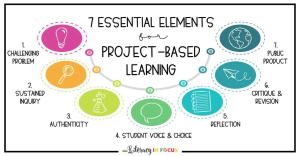
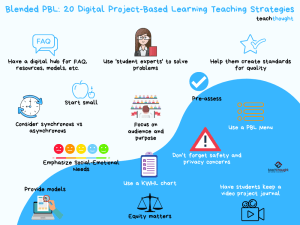
International Project-Based Learning (PBL) Resources offer a curated collection of tools and programs that connect students with global peers through collaborative, real-world projects. These resources help educators bring global issues into the classroom—such as climate change, cultural exchange, and social justice—while building essential skills like empathy, communication, and critical thinking. By engaging students in meaningful inquiry across borders, PBL fosters a deeper understanding and prepares learners to thrive as active, compassionate global citizens.
-
PBLWorks – Provides a framework for designing global project-based learning experiences.
-
Global Learning Exchange – Connects classrooms worldwide for collaborative global projects.
-
UNESCO Global Citizenship Education – UNESCO’s Global Citizenship Education is a valuable resource for teachers, offering practical and flexible tools that bring global issues into everyday learning. By focusing on themes such as sustainability, cultural understanding, and human rights, educators can create meaningful, student-centered experiences that foster empathy, critical thinking, and collaboration. The project-based approach encourages active learning and real-world engagement, making it easier for teachers to connect curriculum to students’ lives and the wider world. It’s a powerful way to inspire young people to become thoughtful, responsible global citizens.
-
iEARN (International Education & Resource Network – iEARN (International Education & Resource Network) is a dynamic global platform that links classrooms across continents through over 100 collaborative projects. It enables students to engage directly with international peers, encouraging cross-cultural dialogue, critical thinking, and practical problem-solving. For educators, it provides a seamless way to integrate global perspectives into daily instruction, while fostering empathy, curiosity, and student agency through meaningful, hands-on learning experiences.
-
TakingITGlobal – Digital platform for youth-led global projects and social impact initiatives.
“Glocal” Connections: Bridging Local & Global Learning
Connecting with organizations that bridge local and global education helps students see how their communities fit into the wider world. These “glocal” partnerships make learning more relevant and inclusive, encouraging students to think critically, appreciate diverse perspectives, and engage with real-world challenges. By linking local experiences to global contexts, students build the empathy and skills needed to thrive in an interconnected world.
-
International Rescue Committee – Global humanitarian aid and refugee support. IRC works hand-in-hand with local communities to protect and educate children caught in crisis—from refugee camps in Lebanon to conflict zones in Africa. What makes their impact global is how these locally rooted efforts contribute to a larger movement: advocating for children’s rights, safety, and education across borders. By investing in community-led solutions and amplifying children’s voices, the IRC bridges urgent local needs with global humanitarian goals, ensuring that every child has the chance to heal, grow, and thrive.
- Global Ties Philadelphia – Part of a national network that connects international visitors with local communities. Educators can tap into their Career Connections seminars and cultural exchange opportunities to bring global voices into the classroom.
- Save the Children – Save the Children is deeply committed to making sure every child—no matter where they live—has the chance to grow up safe, healthy, and educated. What I admire most is how they work both globally and locally, teaming up with communities to address urgent needs and develop long-term solutions. They don’t just drop in with answers—they listen, invest in local leadership, and make sure children’s voices are front and center. It’s about real change, rooted in empathy and equity, and driven by the belief that every child deserves a future.
- World Affairs Council of Philadelphia – Facilitates school-based exchanges with cities like Florence and Frankfurt. A leading hub for global education, the Council offers student programs, international exchanges, and professional development workshops for teachers. They also steward Philadelphia’s Sister Cities relationships, creating authentic opportunities for cross-cultural collaboration.
- Global Philadelphia Association – This coalition of universities, nonprofits, and civic groups promotes Philadelphia as a global education hub. They support initiatives around sustainability, cultural heritage, and international engagement, including the city’s designation as the first U.S. World Heritage City.
- Lifetime Wells International – Lifetime Wells International demonstrates how local efforts can have a global impact. By partnering with communities in Ghana and Tanzania to provide clean water, they help students connect SDG 6 to real-world action—demonstrating that working locally can drive meaningful change globally.
Digital Learning Environment: Tools for Global Education
Recommended digital tools that support global collaboration and engagement:
-
Google for Education – Docs, Slides, and Classroom tools for seamless virtual collaboration.
-
Padlet – Padlet is a dynamic and user-friendly platform that enhances classroom collaboration and creativity. Think of it as a digital bulletin board where students and teachers can post text, images, videos, links, and documents—all in real time. It’s useful because it provides inclusion, multimodal learning, real-time collaboration, and is user-friendly.
Check out Mrs. Brown’s Peru Padlet. -
Flip (formerly Flipgrid) – Flip has been integrated into Microsoft Teams. It empowers educators to spark meaningful discussions and amplify student voice through short, creative video responses. It’s beneficial for building global competency, fostering reflection, and encouraging inclusive participation—even from students who may be hesitant to speak up in traditional settings. Review this info.
-
Kahoot! – Interactive global quizzes and cultural trivia.
-
ePals – Connects classrooms worldwide for collaborative learning projects.
 Shawnette Brown