Unit Plan
Learn: Understanding Global Competence and Global Education
Global competence is the ability to understand and engage with the world in meaningful ways. It means being able to look at global and intercultural issues with a critical eye while also connecting them to what is happening in our own communities. It requires respecting and valuing different perspectives, realizing that people may see the same issue in many different ways. Most importantly, it involves communicating across cultures with empathy and clarity, and taking thoughtful actions that contribute to the well-being of others both locally and globally.
Global education is a teaching approach that helps students understand how the world is interconnected through shared issues, cultures, and histories. It provides teachers with the tools to create inclusive and culturally responsive lessons, while encouraging students to ask questions and explore global topics independently. At its core, global education emphasizes the interdependence of people and nations, preparing students to think critically and act responsibly in an increasingly interconnected world.
Organizations in the Field: Supporting Global Education
Here is a curated list of organizations that provide resources, tools, and opportunities to bring global education into classrooms:
- Asia Society – Center for Global Education
Offers teaching strategies, curriculum guides, and PD opportunities for educators. - Global Schools Program
Provides resources and online courses to align curriculum with the United Nations Sustainable Development Goals (SDGs). - World Savvy
Specializes in global competency training for schools and districts. - Primary Source
Offers lesson plans, PD workshops, and historical perspectives for global educators. - OECD – PISA Global Competence Framework
Defines global competence and provides assessment frameworks for schools.
Global Education Assessment Tools
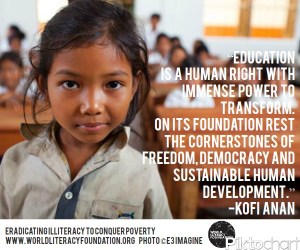
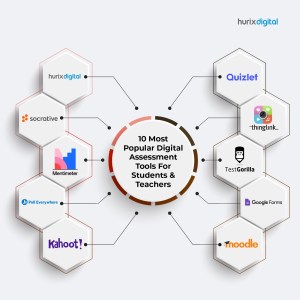
Assessment tools are essential because they provide educators and schools with concrete ways to measure global competence and track student growth in this area. By utilizing these tools, teachers can assess how well students comprehend global issues, appreciate diverse perspectives, and communicate effectively across cultures. The results not only highlight strengths but also reveal areas that require additional support, helping schools refine their instruction and align their curriculum with global learning goals. In this way, assessment tools serve as a guide for improving teaching practices and ensuring that students are developing the skills they need to thrive in an interconnected world.
- Asia Society’s Global Competence Framework
A tool to assess students’ understanding of global issues and cultural perspectives. - OECD PISA Global Competence Test
An internationally recognized assessment tool for measuring students’ global skills and attitudes. - Harvard Project Zero’s Global Thinking Routines
A collection of thinking strategies to assess and develop global understanding in students. - World Savvy’s Global Competency Matrix
Framework for assessing teacher and student progress in global education.
🌏 Global Competence Assessment Tools: Annotated Collection
This collection provides ten practical tools and frameworks that educators, schools, and nonprofits can
use to assess and strengthen global competence. Each entry includes a brief annotation describing its
purpose and potential use in classrooms, institutions, or community programs.
1 Global Competence Aptitude Assessment (GCAA): A comprehensive and objective tool that
measures multiple dimensions of global competence. Ideal for individual student or educator
profiling.
2 Global Competence Self Assessment – Asia Society: Provides rubrics and ‘I Can’ statements
aligned with student developmental stages. Excellent for classroom-level assessment.
3 Global Competencies Inventory (GCI): Focuses on intercultural adaptability, examining
perception management, relationship-building, and self-regulation.
4 PISA Global Competence Framework & Questionnaire: An international framework and
survey instrument that helps benchmark student global competence.
5 AFS Global Competence Readiness Index for Schools: A self-assessment tool for institutions to
gauge readiness to develop global competence school-wide.
6 Global Competence Self Assessment – Digital Promise: Offers educators a reflective tool to
measure their own preparedness to teach with a global lens.
7 Designing Performance Assessments for Global Competence – Asia Society: A guide for
teachers to create meaningful, globally focused performance assessments.
8 Global Competence Situation Assessment – World Savvy: A district-level tool to evaluate how
well the curriculum and policies support global competence.
9 Global Education Checklist – Global Mindsets: A practical checklist and learning continuum for
auditing global competence integration in curricula.
10 International Development and Early Learning Assessment (IDELA): Early childhood
assessment measuring literacy, numeracy, motor, and socio-emotional skills across cultures.
| Platform | Best For | What Makes It Educator-Friendly |
| Empatico | Young students (7–11) live, authentic cultural exchange | Simple, guided, safe, inclusive video connections |
| ePals/Global SchoolNet | Cross-grade project collaboration | Flexible projects, strong educator community, and |
| Generation Global | Structured dialogues on global issues | Pre-designed materials, teacher dashboard |
| Flat Classroom Project | Digital co-creation, school partnerships | Built-in schedule & facilitation |
| GLOBE Program | Environmental science and data projects | App-supported, standards-aligned, real-world impact |
🌍 Global Education Starter Guide
A curated collection of books, articles, and reports to help you understand, design, and advocate for globally competent and equitable education systems.
📚 Books: Building Conceptual Foundations
| Title | Authors/Organizations | Summary |
|---|---|---|
| Educating for Global Competence: Preparing Our Youth to Engage the World | Asia Society & CCSSO | A seminal guide defining global competence and offering strategies for integrating it into K–12 education. |
| Teaching for Global Competence in a Rapidly Changing World | OECD & Asia Society | A practical framework for embedding global competence into everyday teaching. |
| The Global Education Race | Lucy Crehan | Investigates high-performing education systems and what others can learn from them. |
| Education and International Development: An Introduction | Tristan McCowan & Elaine Unterhalter | Explores the role of education in development, with themes including equity, gender, and policy. |
| World Class: How to Build a 21st-Century School System | Andreas Schleicher | A data-driven look at global education reform from the OECD’s education director. |
📰 Articles: Insightful Perspectives
| Title | Source | Focus |
|---|---|---|
| The Importance of Global Education in the 21st Century | Harvard Graduate School of Education | Explores why innovation, equity, and tailored support are essential to transforming global education. |
| Culturally Responsive Teaching and the Brain | Zaretta Hammond | Connects neuroscience with culturally responsive pedagogy to promote authentic engagement. |
| The Learning Crisis Is a Global Crisis | World Bank | Highlights foundational learning gaps and the urgency of global action. |
| Global Citizenship Education: Topics and Learning Objectives | UNESCO | Offers a pedagogical framework for fostering global awareness and civic responsibility. |
📄 Reports: Strategic Frameworks & Data
| Title | Organization | Purpose |
|---|---|---|
| Global Citizenship Education Report | UNESCO | Outlines best practices, challenges, and policy recommendations for global learning. |
| PISA Global Competence Framework | OECD | Provides a robust assessment model for evaluating students’ global awareness and intercultural skills. |
| The State of the Global Education Crisis: A Path to Recovery | UNESCO, UNICEF, World Bank | Analyzes post-pandemic learning losses and recovery strategies. |
| Foundational Learning Brief | World Bank Group | Explains the importance of basic literacy and numeracy and how to combat learning poverty. |
| Stronger Together: Accelerating Action on Foundational Learning | UNESCO | Details the Global Coalition for Foundational Learning’s mission to end learning poverty. |
✨ How to Use This Guide
The Global Education Guide is a thoughtfully designed resource to help educators bring global learning principles into their teaching practice with clarity, purpose, and ease. It reflects a deep commitment to equity, cultural understanding, and student empowerment—and was created to support educators who want to make global education accessible and transformative.
🌏 Unit Highlight: Why Indigenous Cultures Matter
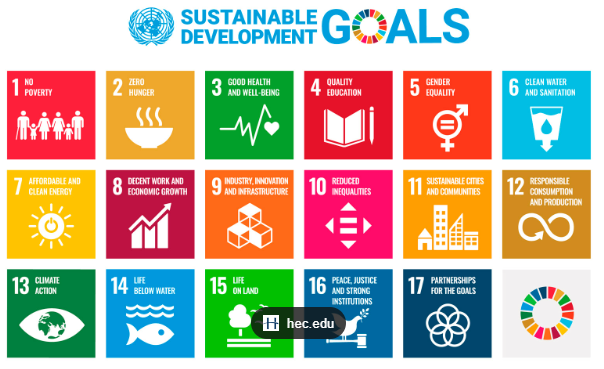
This unit was inspired by Ohio State University’s 2024–2025 Global Fellowship Program, which centers Indigenous peoples across the globe and highlights their histories, cultures, and ongoing challenges. As an educator committed to equity and global competence, I was deeply moved by the program’s emphasis on Indigenous communities beyond North America—particularly in regions like East Asia, the Pacific, and Latin America. It affirmed my belief that students deserve opportunities to explore diverse Indigenous perspectives and recognize the resilience, wisdom, and contributions of Indigenous peoples to sustainable living. By focusing on Indigenous cultures in Hawaii, Australia, the Philippines, Korea, China, and Japan, this unit invites students to engage with traditions rooted in place, identity, and intergenerational strength. It’s a celebration of cultural continuity and a call to action—empowering students to connect their learning to the Sustainable Development Goals and see themselves as empathetic, informed changemakers in a globally interconnected world.
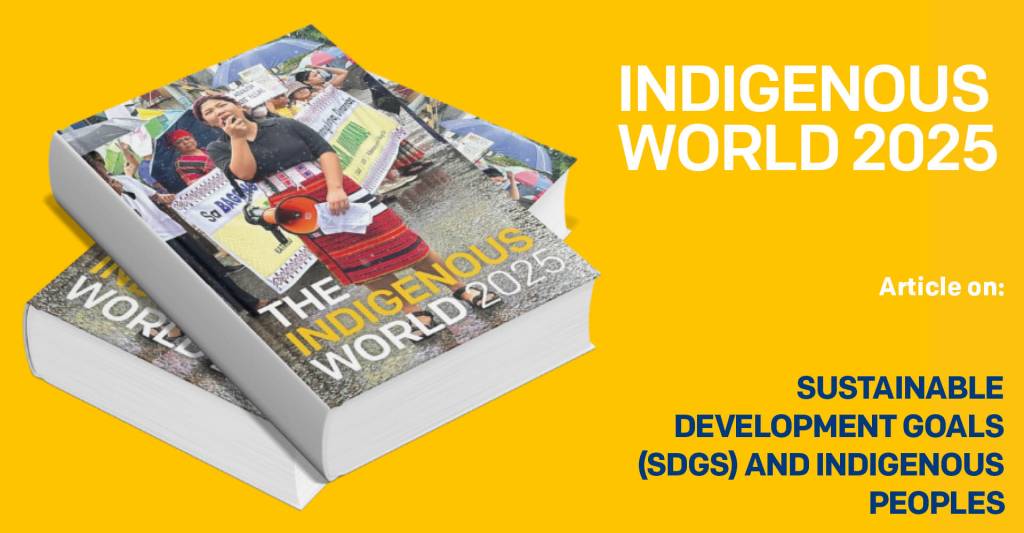
Indigenous Peoples Around the World
Brown, Shawnette Unit Plan – Final Draft
 Shawnette Brown