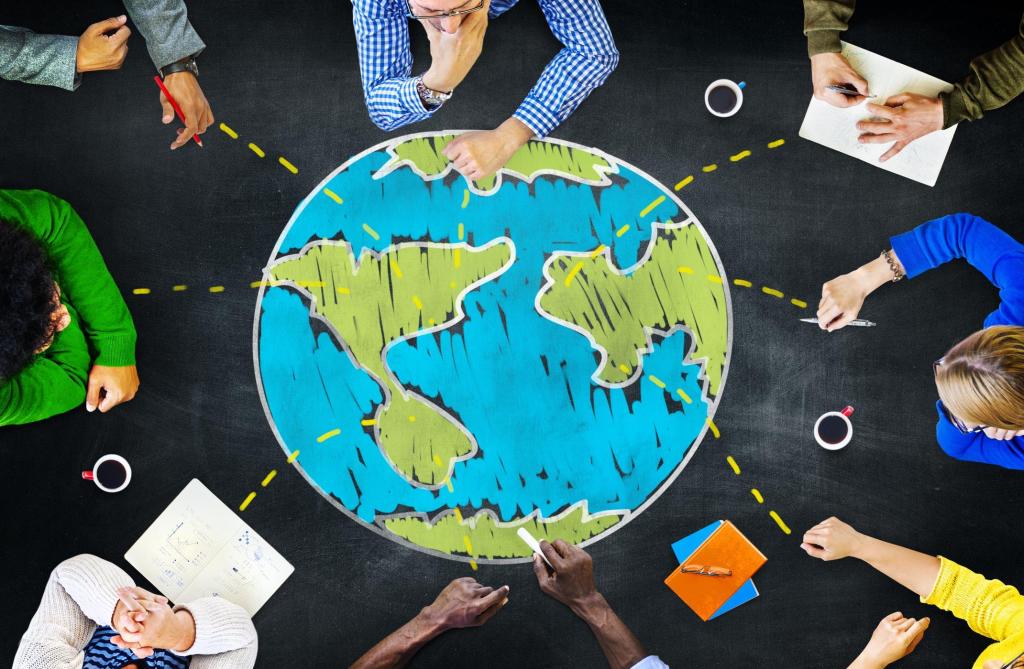
Introduction to Global Education
Why Global Education Matters to Me
We live in an interconnected world, and I believe every student deserves the chance to see themselves as part of it. Global education isn’t just about learning facts from other countries—it’s about preparing students to succeed in a world that is diverse, connected, and constantly changing. When students are exposed to global perspectives, they develop critical thinking, cultural awareness, and problem-solving skills that go far beyond the classroom. Most importantly, they begin to understand that their voice and actions can make a difference—locally, nationally, and globally—no matter their age.
For me, promoting global learning is about providing students with opportunities to develop into compassionate leaders. It’s about helping them build cultural competence, encouraging them to connect with peers worldwide, and providing them with real-life experiences that shape their perspective on themselves and others. I’ve seen firsthand how powerful it is when students realize they are part of something bigger and that they can make a meaningful contribution.
Global learning also strengthens the very skills students need to thrive today—digital literacy, communication, collaboration, and leadership. But more than that, it builds empathy, responsibility, and the courage to take action. My hope is to inspire students not only to learn about the world but also to make a positive impact on it.
Using the Global Education Guide (GEG)
The Global Education Guide (GEG) is a curated resource that helps educators integrate global learning principles into their teaching and learning practices. This guide provides:
- Lesson Plans & Teaching Resources – Ready-to-use materials for integrating global themes.
- Professional Development Opportunities – Workshops and courses for educators on global competency strategies.
- International Collaboration Projects – Partnerships with educators and students worldwide.
- Student Engagement Activities – Projects that connect students to global challenges and cultural exchanges.
Designed with WordPress
Disclaimer: The author of this publication/website/blog/etc. is a participant in the 2024-2025 Fulbright Teachers for Global Classrooms Program, a program sponsored by the U.S. Department of State’s Bureau of Educational and Cultural Affairs (ECA) with funding provided by the U.S. Government and administered by IREX. The views and information presented are the grantee’s own and do not represent the U.S. Department of State, the Fulbright Program, or IREX.
 Shawnette Brown